
Siding Installation in Waldwick, NJ
Waldwick Homes Deserve More Than a Quick Reskin
Hear from Our Customers
Residential Siding Contractors in Bergen County
Most of the homes in Waldwick were built somewhere between the 1950s and 1980s. That puts a lot of siding in the neighborhood at or past the end of its useful life — and in Bergen County winters, aging siding doesn’t just look bad. It lets water in. Freeze-thaw cycles crack panels, loosen seams, and push moisture behind the wall where you can’t see it until the damage is already done.
New siding changes that equation. You get a tighter building envelope, better insulation, and a home that isn’t quietly accumulating water damage every time a nor’easter rolls through. For a borough that sits inland without any coastal buffer, that kind of weather protection isn’t optional — it’s what keeps a well-maintained home from becoming an expensive repair down the road.
There’s also the equity side of it. Waldwick’s median home value is sitting around $588,500. New siding consistently ranks among the highest-ROI exterior improvements you can make before a sale — and even if you’re not selling, you’re protecting an asset that’s worth protecting. A fresh, properly installed exterior tells the street, and the market, that this home has been taken care of.
Local Siding Company Serving Waldwick, NJ
We’ve spent roughly ten years working on exterior renovations across Bergen County, including Waldwick and the surrounding communities. We’re not a franchise, not a national chain, and not a crew that shows up from three counties away. We’re a family-run operation that built our reputation the old-fashioned way — by doing good work and letting homeowners talk about it.
Waldwick is a small borough. Word travels fast here. Residents on Crescent Avenue and West Prospect Street aren’t going to stay quiet if a contractor leaves a mess, cuts corners, or disappears after the deposit clears. That reality keeps us honest — and it’s why we’ve stayed in business long enough to know what these Bergen County homes actually need.
We carry the required NJ contractor licensing, manufacturer certifications, and the insurance coverage that protects you if anything goes sideways on the job. These aren’t extras — they’re the baseline for anyone you should be letting near your home.

Siding Installation Process in Waldwick, NJ
It starts with a free inspection. We come out, look at what you’re working with, and give you an honest read on the condition of your current siding — including what’s happening underneath it. On older Waldwick homes, it’s not uncommon to find deteriorated housewrap or damaged sheathing behind the surface. You need to know that before anyone starts pulling panels.
From there, you get a written estimate with a clear breakdown of what the work involves and what it costs. No vague line items, no numbers that shift once the job starts. If your project covers 25% or more of your home’s exterior — which most full replacements will — a building permit is required by Waldwick’s Building Department at 63 Franklin Turnpike. We handle that process as part of the job. You don’t have to figure out the borough’s requirements on your own.
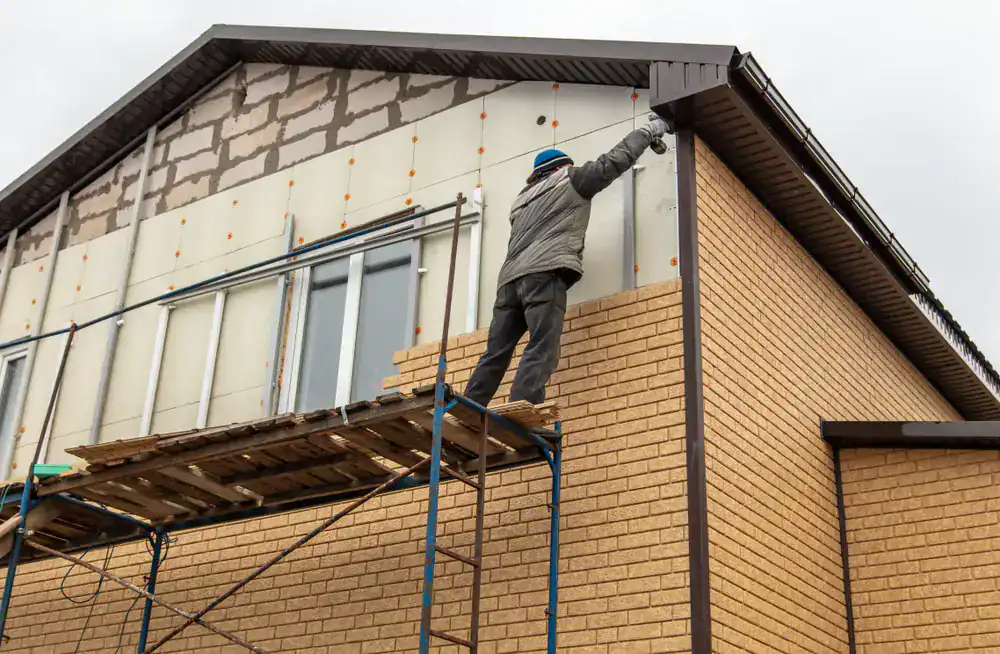
Once materials are confirmed and the permit is in order, our crew gets to work. Waldwick’s residential streets are tight, so we manage the job site carefully — your property and your neighbors’ are respected throughout. When the work is done, we walk the finished project with you, make sure everything is right, and leave the site clean. That’s the standard, not the exception.

Ready to get started?
Vinyl Siding Contractors in Waldwick, NJ
Not every siding material performs the same way in this climate. Waldwick gets the full range of Northeast weather — hard winters, humid summers, and the kind of wind-driven rain that finds every weak point in your exterior. The material you choose needs to hold up against all of it, not just look good on the day it’s installed.
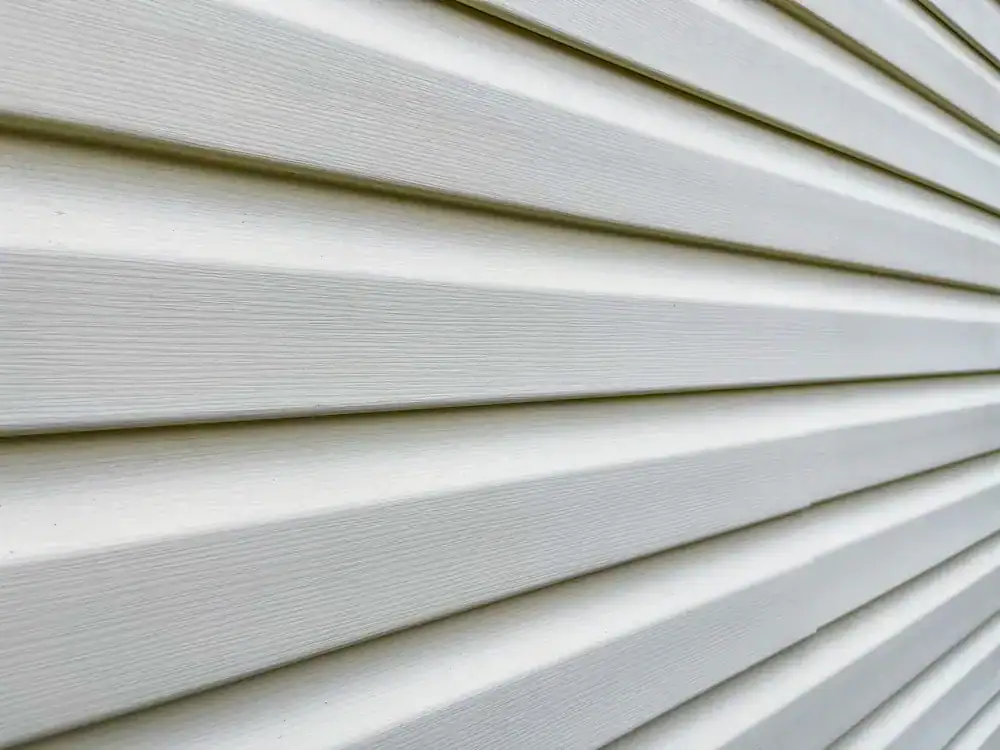
Vinyl siding is the most common choice for homes in this area, and for good reason. It’s low-maintenance, handles temperature swings well, and comes in a wide range of profiles that work with the Cape Cods, Colonials, bi-levels, and split-levels that define Waldwick’s residential streets. Insulated vinyl adds a layer of thermal performance that older homes in this borough — many of which were built before modern energy codes — can genuinely benefit from. If you want something with a different profile or higher durability ceiling, fiber cement and engineered wood are both worth a conversation depending on your home’s construction and your budget.
Whatever material makes sense for your situation, our installation approach stays the same: proper substrate prep, correct fastening for thermal expansion, and attention to the details — flashing, trim, and transitions — that determine whether siding performs or fails over time. That’s where experience shows up, and it’s what separates a job that lasts from one that starts showing problems in year three.

Does siding installation in Waldwick, NJ require a building permit?
Yes, and it’s worth knowing the specific threshold before you start. Waldwick’s Building Department requires a permit when siding work covers 25% or more of your home’s exterior surface area. For most full replacements — which is the majority of what we do on the older housing stock in this borough — that threshold will be met.
The permit process runs through the Borough Administration Building at 63 Franklin Turnpike. It’s a real step, not a formality, and skipping it can create complications when you go to sell. We handle the permit as part of the project so you’re not left navigating the borough’s requirements on your own. It’s one less thing to deal with, and it means the work is done correctly on record.
How do I know if my siding needs to be replaced or just repaired?
The honest answer is that it depends on what’s actually going on — and you can’t always tell from the outside. Cracked or faded panels might be cosmetic. But if you’re seeing warping, soft spots near windows or at the base of walls, or interior moisture issues that don’t have another obvious cause, those are signs that water has already found its way behind the siding.
On Waldwick homes built in the 1970s and 1980s, we frequently find that what looks like a surface problem is actually a substrate problem. The Ho-Ho-Kus Brook runs through the center of town, and homes in lower-lying areas near the waterway tend to see more moisture-related wear over time. A free inspection gives you a clear picture of what you’re dealing with before you commit to anything. Repair makes sense when the damage is isolated. Replacement makes sense when the damage is widespread or when the material is simply at end of life.
What siding material holds up best in Bergen County winters?
Vinyl is the most common choice in this area, and it performs well when it’s installed correctly. The key word is correctly — vinyl expands and contracts with temperature, and if it’s fastened too tightly, it buckles. In Bergen County winters, that thermal movement is significant. A crew that doesn’t account for it will leave you with siding that looks fine in October and starts warping by February.
Insulated vinyl is worth considering for older Waldwick homes that weren’t built to current energy standards. It adds a foam backing that reduces thermal bridging and helps with heating costs — which is a real benefit on a drafty 1970s bi-level. Fiber cement is another solid option if you want something with higher impact resistance and a different aesthetic profile. It handles freeze-thaw cycles well and doesn’t expand and contract the way vinyl does, though it requires more maintenance over time. We’ll tell you what makes the most sense for your specific home, not just what we happen to have in stock.
How long does siding installation typically take on a Waldwick home?
For a full exterior replacement on a typical Waldwick home — a Cape Cod, Colonial, or bi-level in the 1,500 to 1,800 square foot range — most jobs run between two and four days once our crew is on site. That assumes normal conditions and no major surprises underneath the existing siding.
Where timelines extend is when we pull the old siding and find sheathing or housewrap damage that needs to be addressed before the new material goes on. That’s not unusual on homes of this age, and it’s better to handle it properly than to cover it up. We’ll give you a realistic timeline during the estimate phase, and if anything changes once the job is open, we communicate it immediately. Waldwick homeowners tend to have structured schedules — many commute via the train station or Route 17 — and we respect that your time matters.
What should I watch out for when hiring siding contractors in Waldwick, NJ?
The first thing to check is NJ Home Improvement Contractor registration. New Jersey requires all home improvement contractors to be registered with the Division of Consumer Affairs. Hiring someone who isn’t registered leaves you without meaningful legal recourse under the Consumer Fraud Act if the work is defective or the contractor disappears. It takes thirty seconds to verify, and it matters.
Beyond licensing, ask for proof of general liability and workers’ compensation insurance before anyone starts work. In a small borough like Waldwick, where lots are tight and neighboring homes are close, the risk of property damage during a siding job is real. You want to know that damage is covered if it happens. Also ask for a written, itemized estimate — not a ballpark number — and confirm that the permit process is included if the scope of work triggers Waldwick’s 25% threshold. Any contractor who doesn’t mention the permit requirement probably doesn’t know about it, which tells you something about their local experience.
How much does siding installation cost in Waldwick, NJ?
For a full exterior siding replacement on a typical Waldwick home, most homeowners are looking at somewhere in the range of $8,000 to $20,000 depending on the size of the home, the material selected, and what’s found underneath the existing siding. Vinyl sits at the lower end of that range. Fiber cement and engineered wood run higher. Insulated vinyl falls in the middle.
What moves the number up in Bergen County — and in Waldwick specifically — is older housing stock. Homes built in the 1960s, 70s, and 80s sometimes have sheathing or housewrap issues that need to be corrected before new siding goes on. That’s not a way to inflate a bill — it’s a structural reality of working on homes this age, and ignoring it leads to bigger problems down the road. We provide written estimates that break down exactly what’s included, so you know what you’re paying for before any work begins. The estimate is free, and there’s no obligation attached to it.