
Roof Replacement in Closter, NJ
Northern Valley Homes Deserve More Than a Quick Fix
Hear from Our Customers
Residential Roof Replacement Closter, NJ
A properly replaced roof in Closter isn’t just about stopping a leak. It’s about knowing that when the next nor’easter rolls through Bergen County — and it will — your home is sealed, your warranty is valid, and you’re not watching a water stain spread across your ceiling at midnight.
Most of the homes in Closter were built around 1957. That’s decades of freeze-thaw cycles, heavy snow loads, and summer hail events working on the same roofing system. When we do a replacement correctly — full tear-off, fresh decking inspection, proper ice and water shield at the eaves — you’re not just getting new shingles. You’re getting a system that was actually built for what Bergen County winters throw at it.
The other thing that changes is peace of mind around your home’s value. With median prices pushing $1.4 million in Closter, a compromised roof isn’t a minor inconvenience — it’s a liability. A new roof with a manufacturer-backed warranty is something you can document, disclose confidently, and stand behind if you ever sell.
GAF Certified Roofer Closter, NJ
We’ve been replacing roofs across Closter and Bergen County for 17 years. Not 17 years of franchised crews and call center dispatchers — 17 years of showing up, doing the work, and earning the next job through reviews, not ad spend. That’s a track record you can actually verify.
We’re GAF certified, which matters more than most homeowners realize until they read the fine print on a warranty. GAF certification isn’t a logo any contractor can print — it requires verified NJ licensing, adequate insurance, and demonstrated installation standards. It also unlocks manufacturer-backed system warranties that non-certified installers simply can’t offer. For a home in the Hillside or Tenakill Brook area of Closter, where large Colonials and split-levels sit under mature tree canopies and face full northeastern weather exposure, that warranty isn’t optional.
Every project includes a free inspection and a straight answer — repair if that’s what you need, replacement if that’s what the roof actually requires.
Roof Installation Process Closter, NJ
It starts with a free roof inspection. Not a sales pitch disguised as an inspection — an actual assessment of what’s going on up there. You’ll get a straight read on the condition of your shingles, flashing, decking, and ventilation, and a clear recommendation on whether repair or full replacement makes more sense for your situation.
If replacement is the right call, the next step is pulling the permit through Closter’s Building Department. New Jersey’s Uniform Construction Code requires a permit for full roof replacements, and we handle that process as part of the job. Skipping permits is how unlicensed contractors cut corners — and how homeowners end up with code violations that surface at the worst possible time, like during a sale.
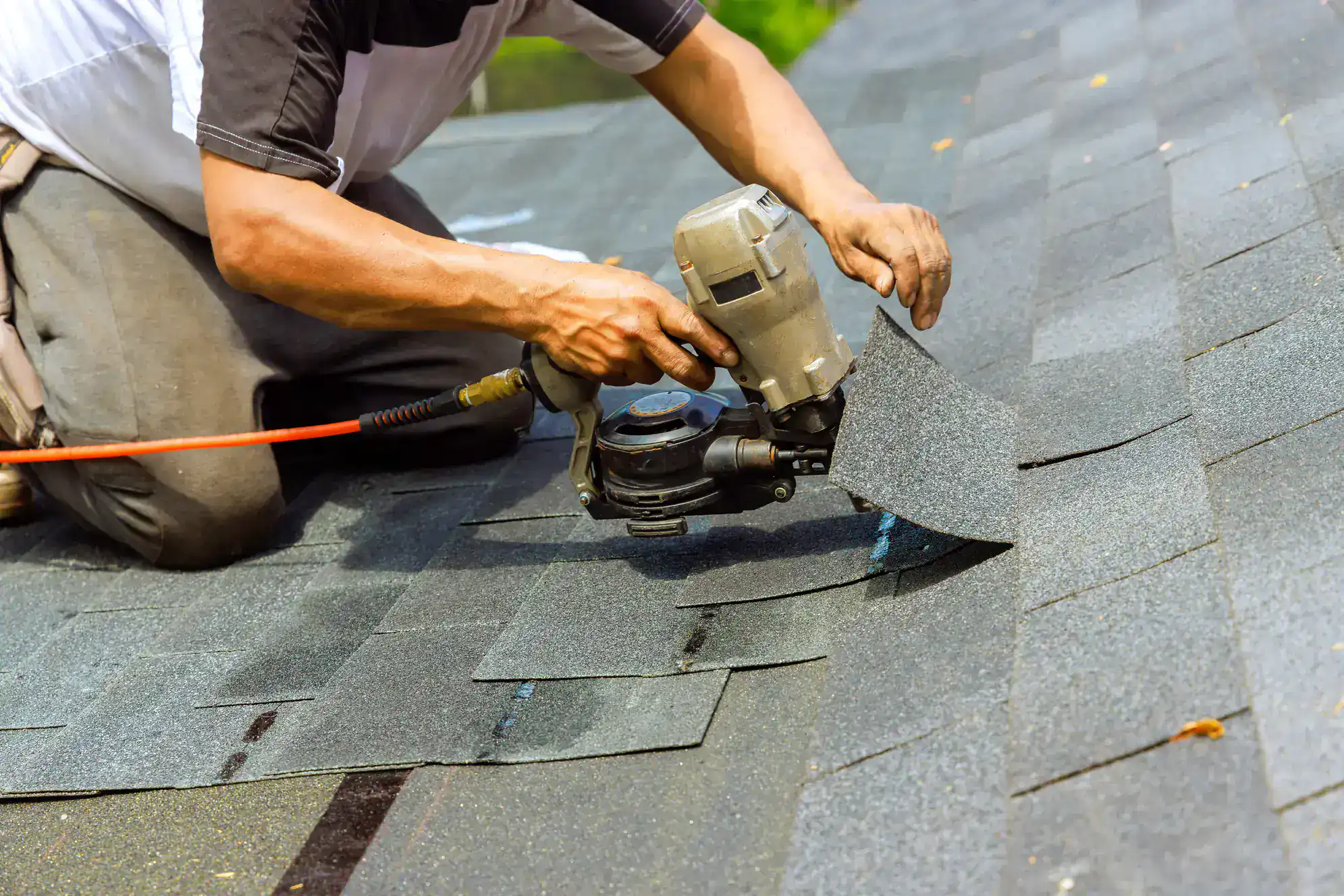
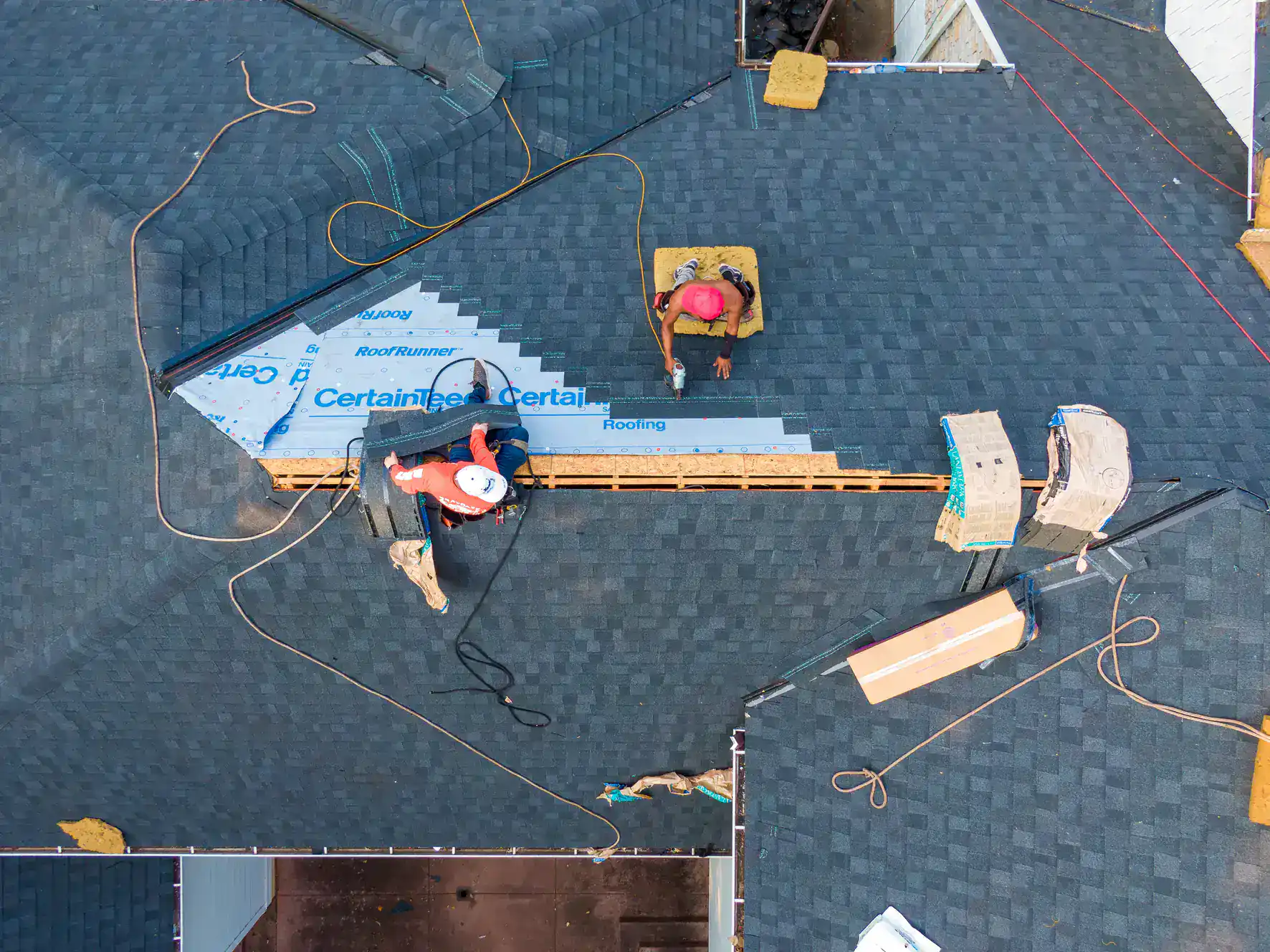
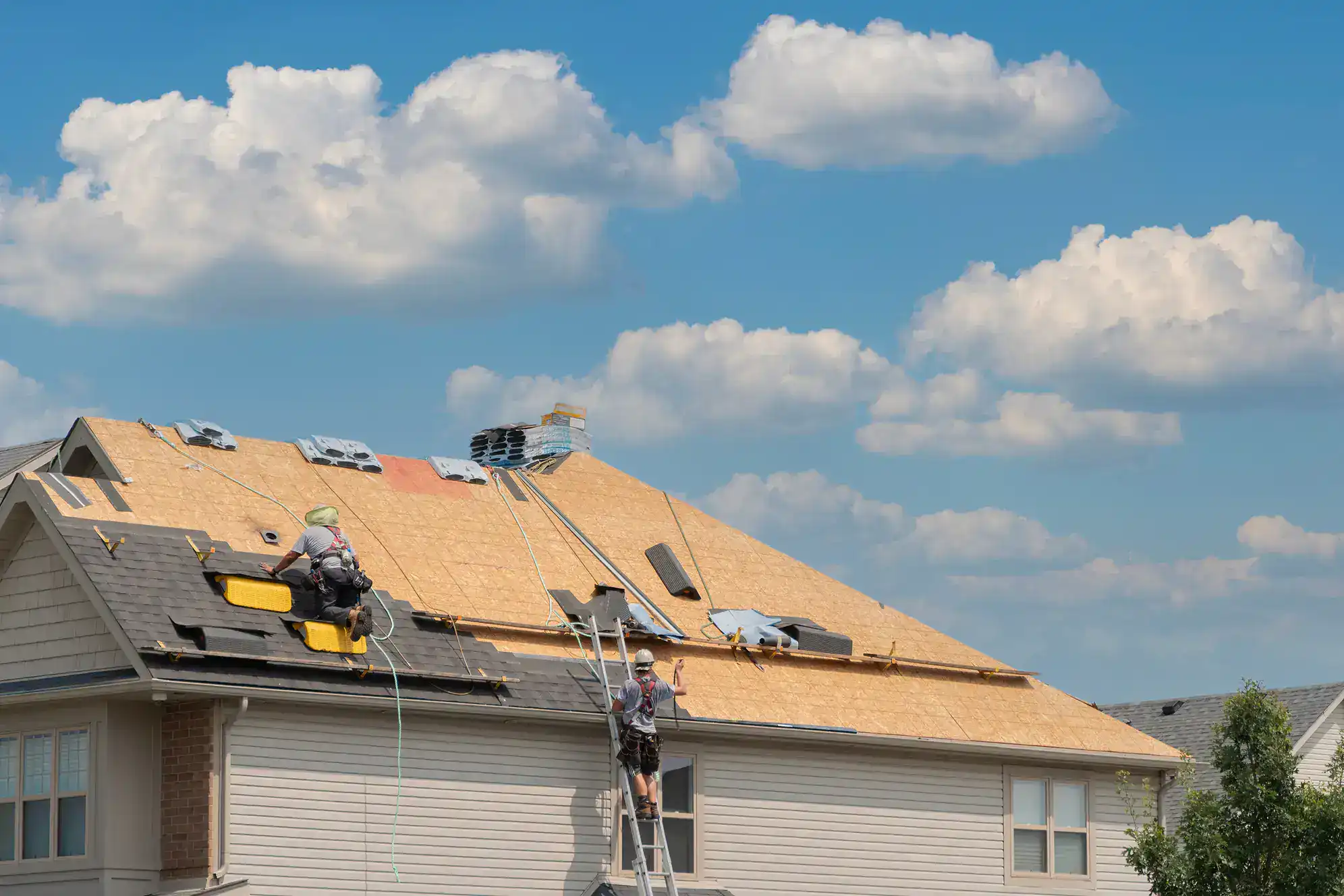
On installation day, the process starts with a full tear-off. Every layer of old material comes off so the decking can be inspected directly. Any soft spots, rot, or water-damaged sections get addressed before anything new goes on. Then comes the underlayment, ice and water shield at the eaves and valleys — critical for Bergen County’s freeze-thaw conditions — drip edge, and finally the new shingle system. The job wraps with a magnetic nail sweep and a thorough site cleanup before our crew leaves.
Ready to get started?
Storm Damage Roof Replacement Closter, NJ
Residential roof replacement in Closter covers the full scope — asphalt architectural shingles, flat roofing systems, flashing, ventilation correction, and decking repair where needed. GAF certified installation means the materials and workmanship meet the standard required for manufacturer-backed system warranties. That’s a written document, not a verbal promise.
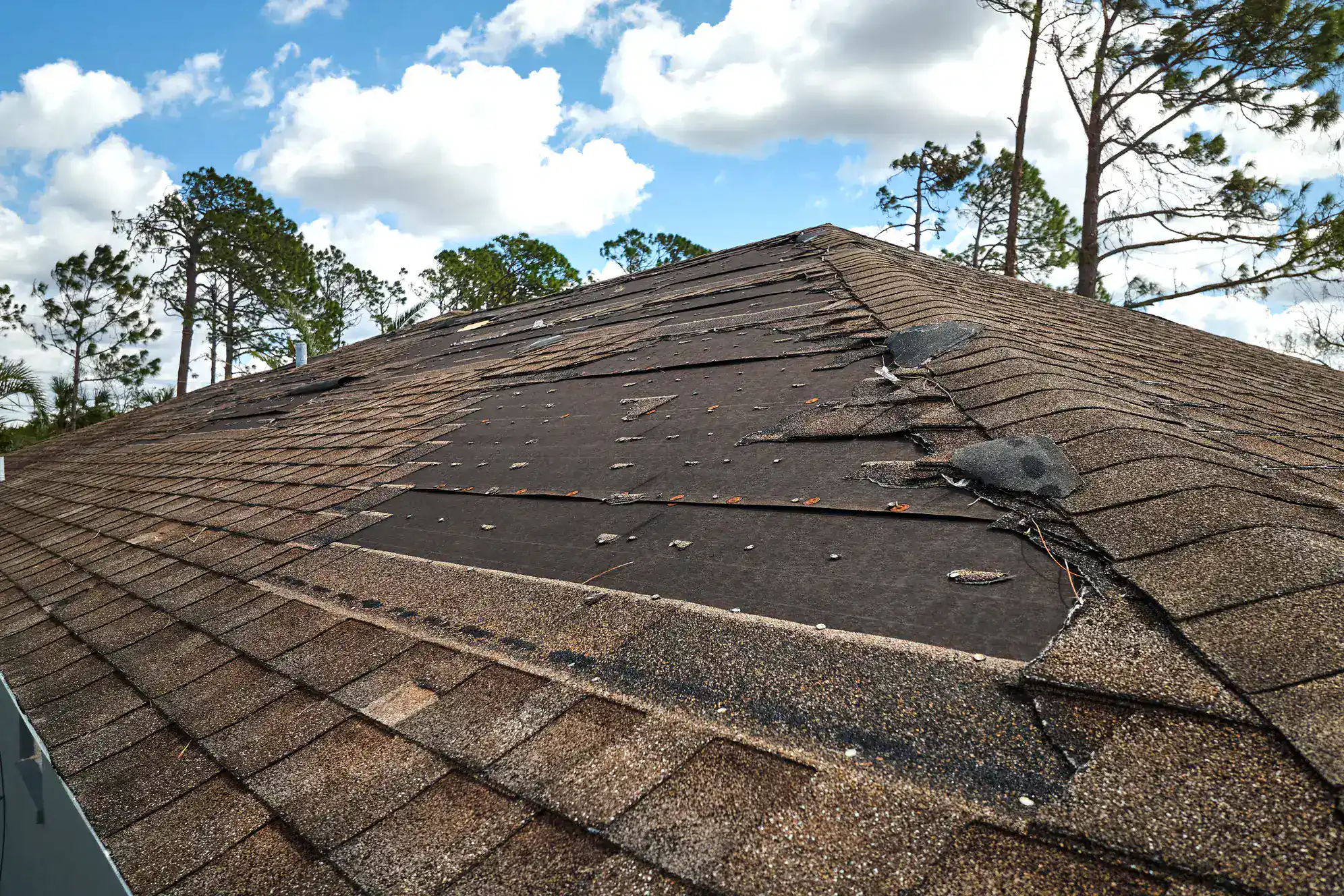
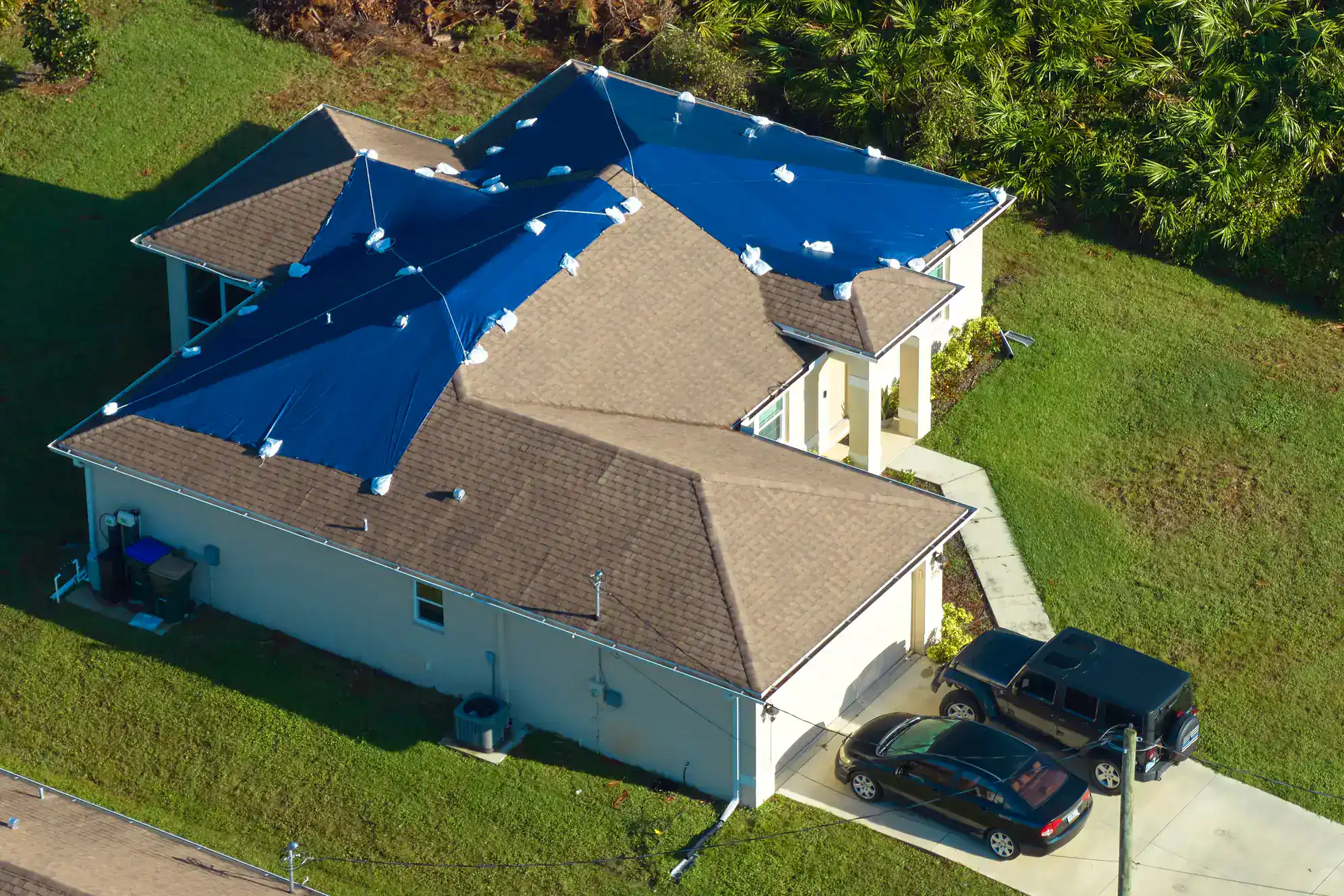
For homeowners dealing with storm damage, we also handle the insurance side. Bergen County’s exposure to nor’easters and summer hail events means storm-related roof claims are common here, and the process — documentation, adjuster coordination, claim scope — is genuinely confusing if you haven’t done it before. We help walk you through it so the claim reflects the full extent of what your home needs, not just what’s easiest for the adjuster to approve.
Commercial roof replacement in Closter is also available for property owners and managers with flat or low-slope systems — including the professional offices and retail properties around Closter Plaza and Ver Valen Street. TPO and EPDM systems are installed with the same attention to detail as residential work, with scheduling designed to minimize disruption to whatever’s operating below.
Do I need a permit for roof replacement in Closter, NJ?
Yes, a full roof replacement in Closter requires a building permit under New Jersey’s Uniform Construction Code. The permit is pulled through Closter’s Construction Department at Borough Hall, and it triggers an inspection to confirm the work meets current code requirements — including ventilation and underlayment standards.
This matters for a few reasons. First, it protects you. A properly permitted and inspected roof means there’s a documented record that the work was done correctly. Second, it protects your home’s value. In a market where Closter homes regularly sell above $1 million, buyers and their attorneys review permit histories carefully. An unpermitted roof replacement can create real complications at closing. We handle the permit process as part of every full replacement — it’s not an add-on or an afterthought.
How much does roof replacement cost in Closter, NJ?
For most residential roof replacements in the Northeast, you’re looking at a range of roughly $11,000 to $22,000 depending on home size, pitch, material selection, and the condition of the decking underneath. Closter homes tend to run on the larger end of that range — four and five-bedroom Colonials and split-levels are the norm here, and larger footprints mean more material and more labor.
The honest answer is that the number varies too much to quote without seeing the roof. What you should be skeptical of is any contractor who gives you a firm number over the phone without an inspection. A free, in-person assessment is the only way to give you an accurate figure — and it’s the only way to know whether there’s hidden decking damage that would affect the final cost. We provide free estimates for Closter homeowners with no obligation attached.
How do I know if I need a full roof replacement or just a repair in Closter?
The short answer is: get an honest inspection from someone who isn’t automatically trying to sell you a replacement. There are situations where a targeted repair — addressing damaged flashing, a small section of compromised shingles, or a localized leak — is genuinely the right call. And there are situations where patching a 30-year-old roof in Bergen County’s climate is just delaying an inevitable and more expensive problem.
The factors that typically push toward replacement are age, widespread granule loss, multiple layers already on the roof, or decking that’s been compromised by moisture over time. Many of Closter’s mid-century homes are on aging second or third roofs — systems installed in the 1980s and 1990s that are now at or past their useful life. If your roof is approaching 25 to 30 years old and showing consistent wear, a repair is often just money spent twice. A thorough inspection will tell you which situation you’re actually in.
What does GAF certification actually mean for me as a Closter homeowner?
GAF is the largest roofing manufacturer in North America, and their certification program isn’t something any contractor can opt into. It requires verified state licensing, adequate insurance coverage, and demonstrated installation standards. More importantly, it determines what kind of warranty you can actually receive on your roof.
A non-certified installer can offer you a manufacturer’s standard material warranty — which typically only covers the shingles themselves if they’re defective. A GAF certified contractor can offer system warranties that cover both materials and workmanship together, for significantly longer coverage periods. For a home in Closter worth $800,000 to $1.4 million, the difference between a basic material warranty and a full system warranty isn’t a minor detail — it’s the difference between real protection and a document that sounds good until you actually need to use it. You can verify any contractor’s GAF certification status directly on GAF’s website before you sign anything.
Does homeowner's insurance cover roof replacement after storm damage in Bergen County?
It depends on the cause of damage and your specific policy, but storm-related roof damage — from wind, hail, or falling debris — is generally covered under standard homeowner’s insurance policies. Bergen County’s exposure to nor’easters and summer convective storms means this comes up more often here than in many other parts of New Jersey.
The part that trips most homeowners up isn’t whether they’re covered — it’s the documentation and claim process. Insurance adjusters work from their own assessment of the damage, and that assessment doesn’t always capture the full scope of what needs to be replaced. Having a contractor who knows how to document damage properly, communicate with adjusters, and ensure the claim reflects actual repair requirements makes a real difference in what you end up receiving. We assist Closter homeowners through the storm damage claim process from inspection through settlement — so you’re not navigating it alone while also managing everything else on your plate.
How long will a new roof last on a Closter, NJ home?
A properly installed architectural asphalt shingle roof in Bergen County typically lasts 25 to 30 years under normal conditions — sometimes longer if the ventilation is right and the roof is maintained. The keyword there is “properly installed.” Ventilation is one of the most overlooked factors in shingle longevity: an attic that doesn’t breathe correctly traps heat in summer and moisture in winter, both of which accelerate shingle degradation from the inside out.
Closter’s climate adds specific stressors that shorter-lived roofs tend to show first. The freeze-thaw cycling through December, January, and February is hard on any roofing system — water works into micro-cracks, freezes, expands, and widens them over time. The mature tree canopy throughout Closter’s residential streets also means accumulated debris and sustained moisture on the surface, which speeds up granule loss. A replacement done with proper underlayment, correct ventilation, and quality materials — installed by a certified contractor — is your best defense against those conditions cutting years off the roof’s actual lifespan.