
Roof Repair in Glen Rock, NJ
When Bergen County Winters Find Every Weak Spot
Hear from Our Customers
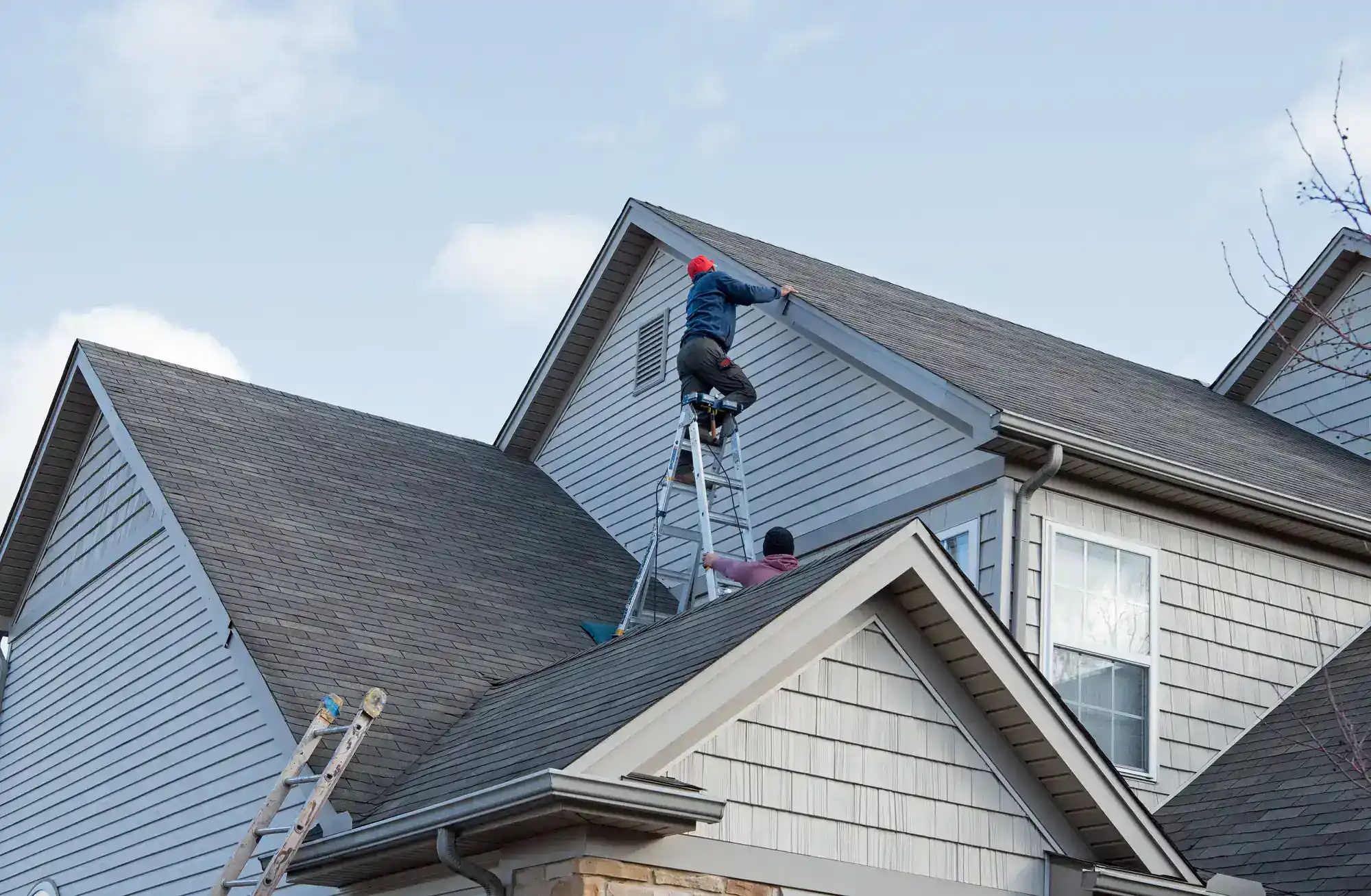
Glen Rock, NJ Roof Repair Results
A repaired roof isn’t just about stopping a leak. It’s about not watching the ceiling every time a storm rolls through. It’s sleeping through a nor’easter without running through worst-case scenarios in your head. That kind of peace of mind is worth something — especially when your home is worth close to a million dollars and you’ve worked hard to keep it that way.
Glen Rock’s housing stock is older than most people realize. More than a third of homes here were built before 1939, and the majority of the borough dates to the 1940s and 1960s. That means aging decking, original flashing that’s long past its service life, and ventilation systems that were never designed for today’s energy standards. When a repair is done right on a home like that, you’re not just fixing shingles — you’re catching what the years have quietly been doing underneath them.
And when winter hits Bergen County hard — ice dams, freeze-thaw cycles, heavy wet snow — a properly repaired roof handles it. An ignored one doesn’t. The difference shows up in your ceiling, your insulation, and eventually your wallet.
Certified Roof Repair Contractor Glen Rock, NJ
We’ve been serving Glen Rock and the broader Bergen County area for over a decade. That’s not a tagline — it’s the reason we’re still here when newer outfits aren’t. In a community like Glen Rock, reputation matters. Neighbors talk, reviews get read, and a contractor who cuts corners doesn’t last long.
Our team holds certifications from major shingle manufacturers, which matters more than most homeowners realize. Certified contractors can offer warranty coverage that non-certified competitors simply can’t. That’s not a small distinction when you’re repairing a roof on a colonial off Rock Road or a cape cod a few blocks from Harding Plaza.
Every estimate we provide is written, itemized, and honest. If a repair is what your roof needs, that’s what you’ll hear — not a pitch for a full replacement. And if the inspection turns up something bigger, you’ll know exactly what it is, why it matters, and what it costs to fix it.
Roof Repair Process Glen Rock, NJ
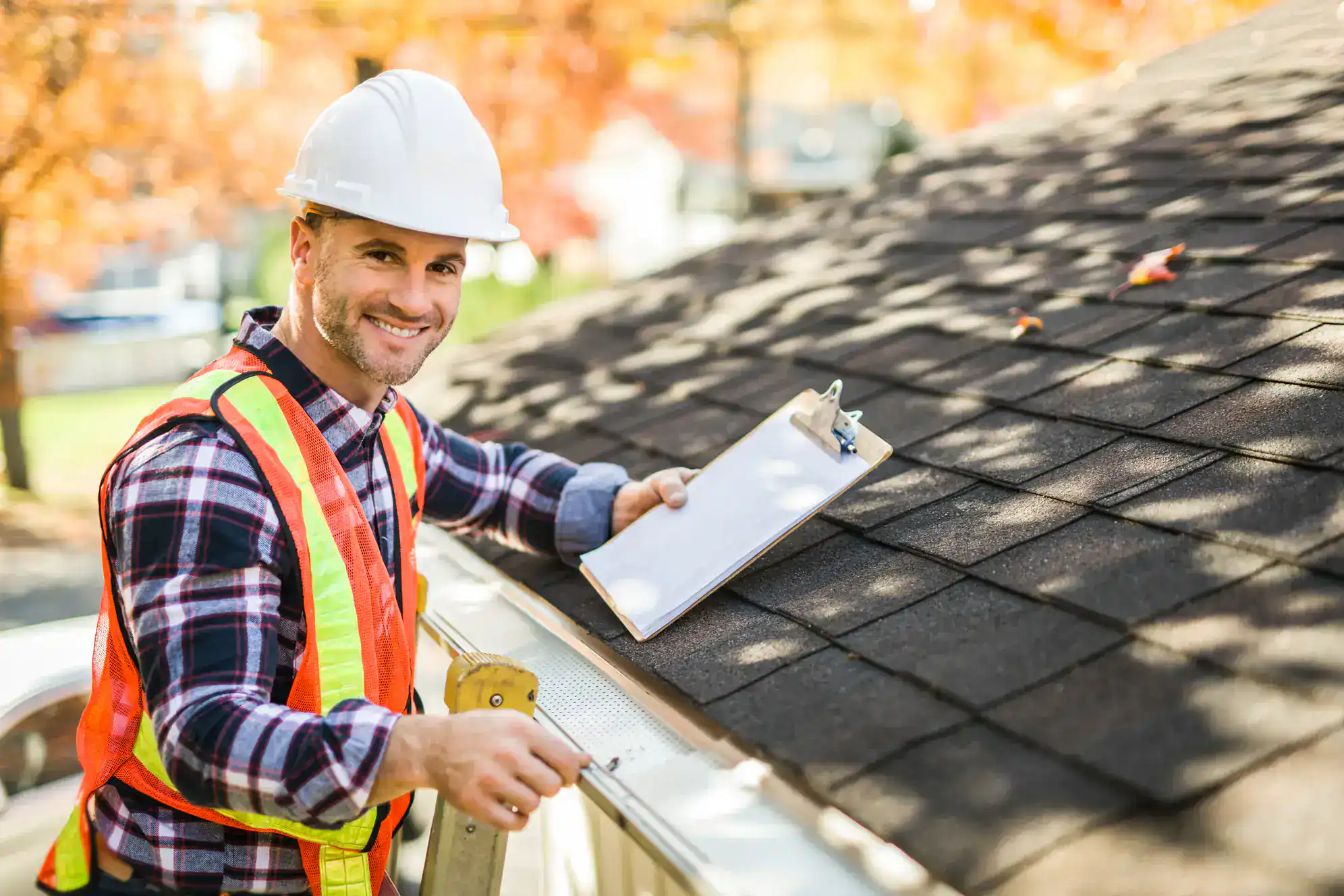
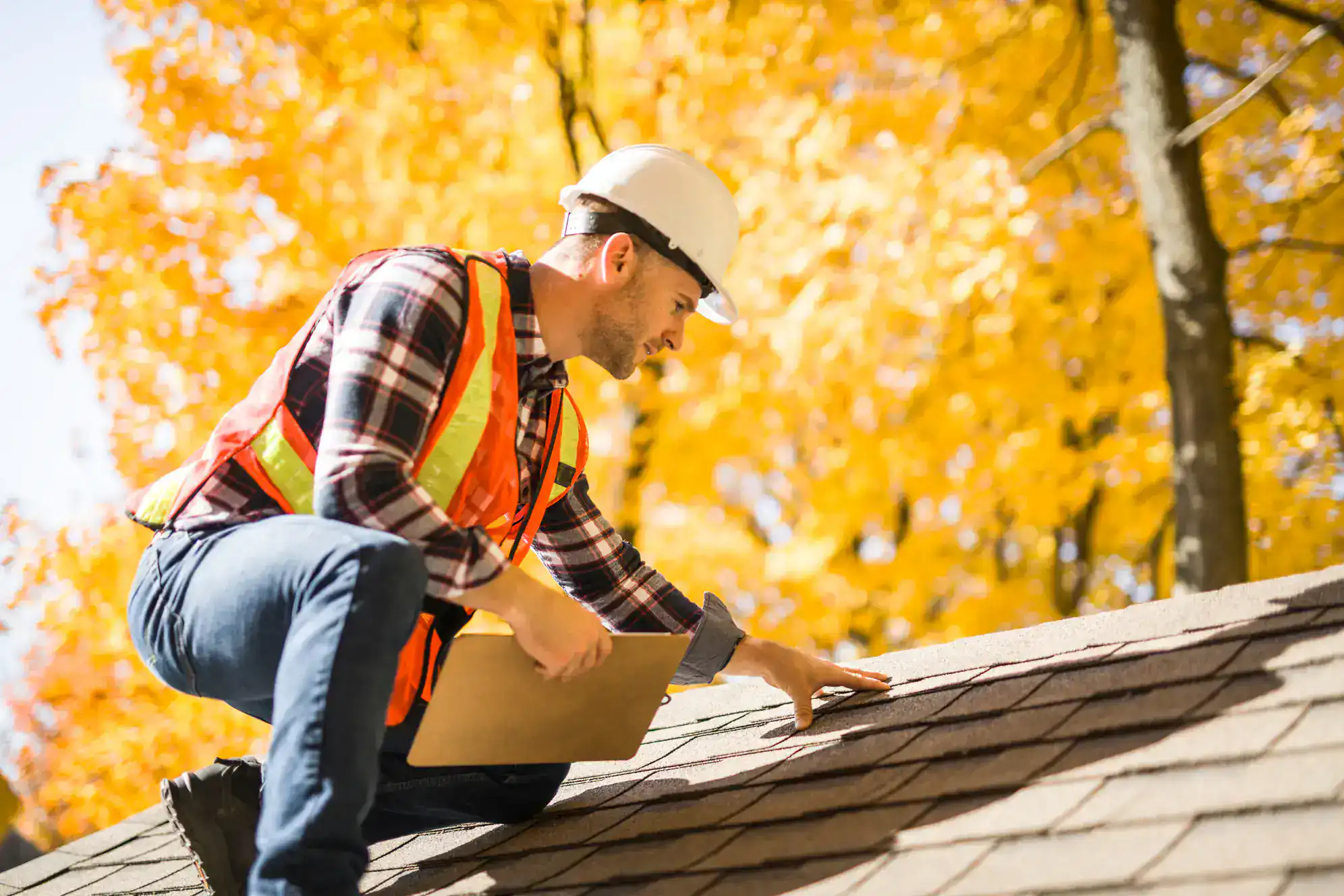
It starts with a free inspection. Someone from our team comes out, gets on the roof, and looks at what’s actually going on — not just what’s visible from the driveway. In Glen Rock’s older homes, that matters. What looks like a shingle issue from the ground is sometimes a flashing failure, a ventilation problem, or early-stage ice dam damage that’s been quietly working its way into the decking.
After the inspection, you get a written estimate. Every line item is explained. The scope, the materials, the cost — all of it in writing before any work begins. If your home requires a permit through the Glen Rock Building Department at Harding Plaza, we handle that as part of the project. You won’t be left to figure out New Jersey’s Uniform Construction Code on your own.
Once the work starts, our crew shows up when they’re supposed to and communicates throughout. Most repairs are completed in a single visit. When the job is done, the site is cleaned up and you’ll know exactly what was repaired, what materials were used, and what your warranty covers. No invoice surprises. No loose ends.
Ready to get started?
Roof Repair Services Glen Rock, NJ
Roof repair in Glen Rock isn’t one-size-fits-all, and we approach it that way. Emergency roof repair in Glen Rock, NJ is available when a nor’easter or sudden storm leaves you with an active leak or missing shingles — temporary protective measures go up fast to stop the damage cycle while permanent repairs are scheduled. For roof leak repair in Glen Rock, NJ, our focus is always on finding the actual source, not just treating the symptom. A leak showing up in your living room ceiling could be originating from a valley, a chimney flashing, a dormer, or a failed pipe boot — and misdiagnosing it just means the water finds another way in.
Roof storm damage repair in Glen Rock, NJ covers everything from wind-lifted shingles to hail impact that isn’t visible from the ground but has already compromised your warranty. Bergen County’s storm pattern makes this a recurring need, and we’re experienced in documenting damage for insurance claims when that’s part of the picture. Shingle roof repair in Glen Rock, NJ handles the most common repair scenarios — cracked, curling, or missing architectural shingles, granule loss on aging three-tab products, and full-section repairs where matching matters for both protection and appearance.
Flat roof repair in Glen Rock, NJ addresses the EPDM and TPO membrane systems common on additions, garages, and some mid-century homes in the area. And when you’re not sure what you need, a roof repair estimate in Glen Rock, NJ starts with that free inspection — so you’re never paying for a diagnosis before you know what you’re dealing with.
Do I need a permit for roof repair in Glen Rock, NJ?
It depends on the scope of the work. In Glen Rock, minor repairs — replacing a few shingles, patching flashing, sealing a penetration — typically don’t require a permit. But once the work crosses into full replacement or substantial structural repair, the Glen Rock Building Department at 1 Harding Plaza enforces the New Jersey State Uniform Construction Code, and a permit is required.
This matters more than most homeowners think. Unpermitted work can surface during a home sale, complicate an insurance claim, or create liability if something goes wrong later. In a market where Glen Rock homes regularly trade between $700,000 and well over $1 million, that’s a real financial risk — not a technicality. When our scope of work requires a permit, we handle that as part of the project. You won’t be left to navigate the process yourself.
How do I know if my roof needs repair or full replacement in Glen Rock?
The honest answer is that you usually can’t tell from the ground, and a lot of contractors will give you a replacement quote without ever getting on the roof. The real assessment happens up close — looking at the decking condition, checking the flashing at every penetration and transition, evaluating the granule coverage on the shingles, and examining the ventilation setup.
In Glen Rock specifically, where a significant portion of homes were built between the 1930s and 1960s, the answer is often more nuanced than repair vs. replace. Sometimes the shingles have life left but the flashing around a chimney or dormer has failed completely. Sometimes the decking underneath has softened from years of minor moisture intrusion that was never addressed. A thorough inspection gives you the real picture — and with us, that inspection is free with no obligation attached to it.
What causes ice dams, and are Glen Rock homes at higher risk?
Ice dams form when heat escapes through the roof deck, melts the snow sitting on it, and that meltwater refreezes at the cold overhang at the eaves. The ice builds up, blocks drainage, and forces water back under the shingles — into the decking, the insulation, and eventually the interior of the home. By the time you see a stain on your ceiling, the damage has usually been accumulating for weeks.
Glen Rock homes are genuinely at higher risk than newer construction, and here’s why: the insulation and ventilation standards that prevent ice dams weren’t part of building codes when most of the borough’s housing was constructed. A home built in 1942 or 1955 almost certainly doesn’t have the attic insulation depth or the ridge and soffit ventilation that modern code requires. That’s not a knock on the home — it’s just reality. Addressing ice dam damage correctly means repairing what the water reached and evaluating whether the underlying ventilation conditions need to be improved to prevent it from happening again next winter.
How much does roof repair cost in Glen Rock, NJ?
The range is wide because the scope varies so much. A straightforward repair — a few missing shingles, a failed pipe boot seal, a small section of damaged flashing — typically runs between $300 and $1,500. Moderate repairs involving a larger section of shingles, valley flashing replacement, or chimney flashing work generally fall between $1,500 and $5,000. When the scope expands to include deteriorated decking, structural elements, or extensive storm damage, costs can reach $5,000 to $10,000 or more.
What affects the number most in Glen Rock is the age and complexity of the home. Pre-war colonials and mid-century cape cods often have multiple roof planes, dormers, and penetrations that add labor time and material cost compared to a simpler roofline. They’re also more likely to reveal secondary issues — like soft decking or failed original flashing — once work begins. That’s exactly why the written estimate matters: it defines the scope upfront, and if something unexpected is found mid-project, you’re told immediately with a clear explanation before anything changes.
Does homeowners insurance cover roof repair after storm damage in Glen Rock?
Generally, yes — if the damage was caused by a sudden event like a nor’easter, high winds, or hail. Standard homeowners policies in New Jersey cover sudden storm damage. What they don’t cover is deterioration from age, deferred maintenance, or wear and tear — which is why the language in your claim documentation matters.
After a major storm hits Bergen County, the volume of claims spikes fast and adjusters are stretched thin. Having a contractor who can provide clear written damage documentation, photo evidence, and a detailed scope of work that matches the claim makes a real difference in how smoothly that process goes. We’ve helped Glen Rock homeowners navigate this — providing the documentation that supports the claim, not just showing up to do the work after it’s approved. If you’re unsure whether your damage qualifies, the free inspection is a good starting point before you file anything.
How do I find a trustworthy roofer in Glen Rock, NJ after a storm?
After every major nor’easter in Bergen County, out-of-town contractors show up fast — canvassing neighborhoods, offering quick estimates, and collecting deposits. Some do decent work. Some don’t finish the job. Some disappear entirely. It’s a well-documented pattern in this region, and Glen Rock homeowners are right to be cautious about it.
The most reliable filter is verifiable local presence: how long has the contractor been operating in Bergen County, do they have a real New Jersey Home Improvement Contractor registration number you can look up, and do their Google reviews reflect consistent, recent work in this area — not just a surge of reviews right after a storm event. Manufacturer certifications like GAF Master Elite are also worth checking; they require demonstrated installation standards and active insurance coverage, and they’re held by a small percentage of contractors. We’ve been serving Glen Rock and Bergen County for over a decade, hold manufacturer certifications, and carry the full insurance coverage that protects you as the homeowner if anything goes wrong on your property.