
Roof Inspection in Glen Rock, NJ
Glen Rock's Older Homes Deserve More Than a Quick Glance
Hear from Our Customers
Certified Roof Inspector in Glen Rock, NJ
Glen Rock’s freeze-thaw cycle is one of the most punishing things a roof deals with all year. Water finds a small gap, temperatures drop, it expands — and what was a minor issue in October becomes a damaged deck and a water stain on your ceiling by February. A professional roof inspection catches those entry points before they compound into something that costs real money.
The borough’s architectural character makes this especially important. The 1920s colonials, Tudor-style homes, and Cape Cods that define so many Glen Rock streets come with complex rooflines — multiple valleys, dormers, prominent chimneys — and those are exactly the spots where water finds a way in. Chimney flashing that has expanded and contracted through decades of Bergen County winters, valley flashing on a multi-gabled roofline, dormer intersections that take the full force of a nor’easter — these aren’t generic roofing concerns. They’re the specific failure points that show up on the homes that make up this borough.
After an inspection, you’ll know the actual condition of your roof — not a vague “looks okay” and not an inflated replacement recommendation. Just a clear, documented picture of where things stand and what, if anything, needs attention.
Licensed Roof Inspector in Glen Rock, NJ
We’ve been serving Glen Rock and Northern New Jersey homeowners for close to a decade, building our business almost entirely through customer reviews and word-of-mouth — no advertising shortcuts, no storm-chasing. When you call for a roof inspection in Glen Rock, you’re calling a company that will still be in your community next year and accountable for every job we touch.
Our team holds manufacturer certifications from major shingle brands — a credential that a small fraction of roofing contractors in the country can claim — and we carry full licensing under New Jersey’s Home Improvement Contractor program. That matters in a borough like Glen Rock, where the Building Department at 1 Harding Plaza enforces the NJ State Uniform Construction Code and where homeowners expect contractors to show up credentialed, insured, and ready to do the job right.
Roofing is the core of what we do. Gutters and siding come along because on an older Glen Rock home, those systems are connected — and a complete picture of your exterior is more useful than a partial one.

Roof Damage Inspection in Glen Rock, NJ
It starts with a free inspection, scheduled at a time that works for you. Glen Rock is a commuter community — two NJ Transit lines, a lot of early departures and late arrivals — and the last thing you need is a contractor who makes you rearrange your day and then shows up late. We communicate clearly from the first call, confirm the appointment, and show up when we said we would.
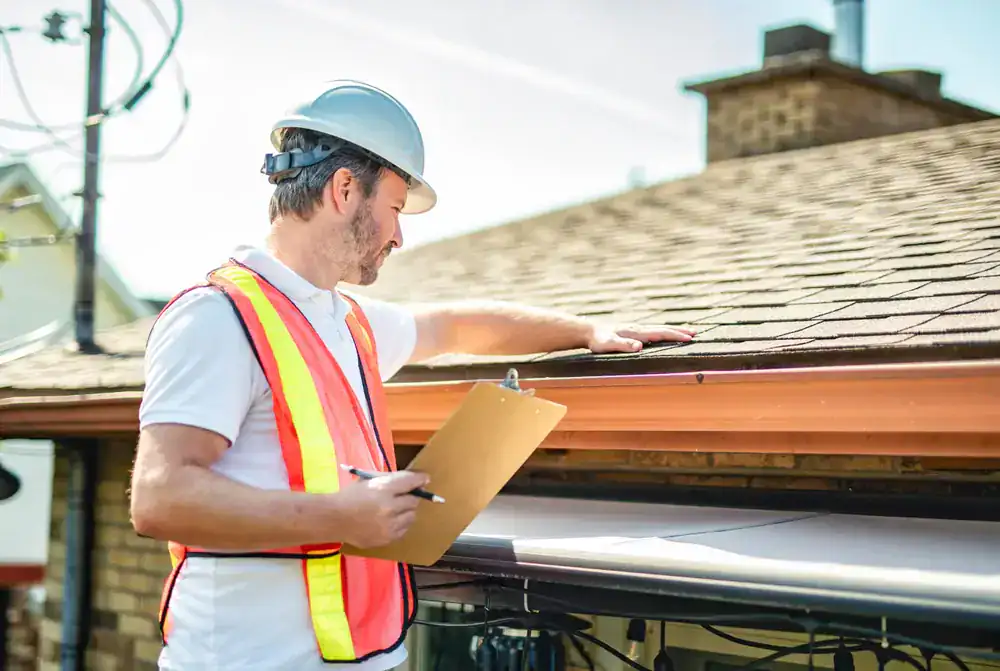
On-site, the inspection covers the full roofing system: shingles, flashing, valleys, ridge, soffits, fascia, gutters, and any penetrations like chimneys or vents. On a Glen Rock home — especially one built before 1960 — that means paying close attention to chimney flashing, dormer intersections, and multi-valley rooflines where water tends to concentrate. If there’s storm damage from a recent nor’easter or hail event, we document it specifically in a format that holds up with insurance adjusters.
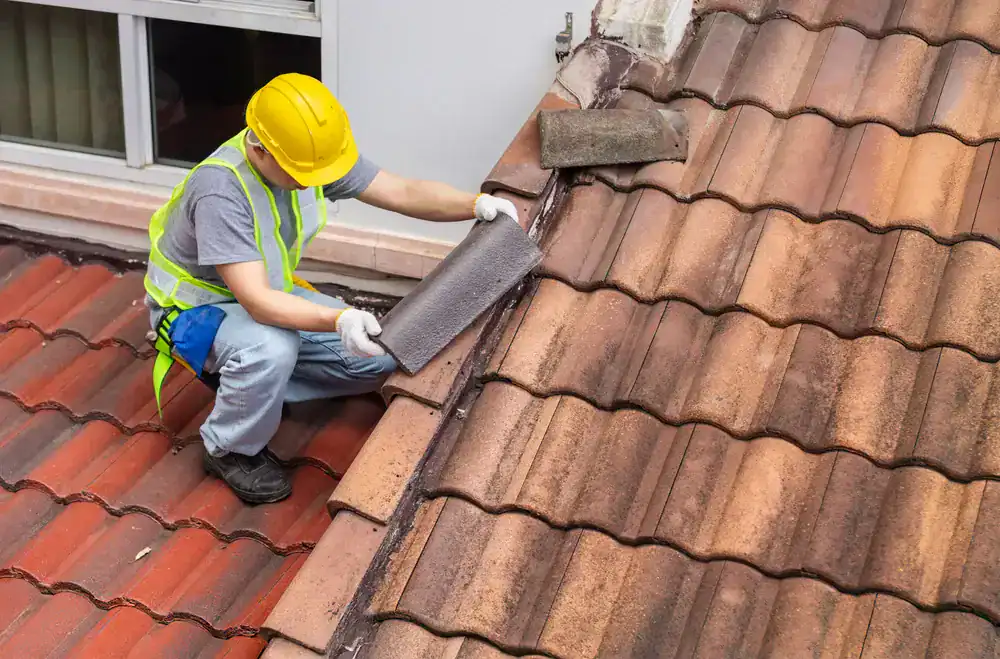
After the inspection, we give you a clear explanation of the findings — what’s fine, what needs monitoring, and what needs repair. If a full replacement is genuinely warranted, we’ll tell you why with documentation to back it up. If it isn’t, we’ll tell you that too. The report is yours regardless of what you decide to do next.
Ready to get started?
Roof Leak Inspection in Glen Rock, NJ
A roof inspection in Glen Rock isn’t a quick visual scan from the driveway. On a borough full of prewar colonials and Tudor-style homes with complex rooflines, a thorough inspection means getting up there and examining every component that affects how water moves across and off your roof. That includes shingle condition and granule loss, flashing integrity at every chimney, valley, and penetration, soffit and fascia condition, gutter attachment and drainage, and the structural integrity of the deck where accessible.
Because so much of Glen Rock’s housing stock predates modern roofing standards, we also look at attic ventilation indicators when relevant — poor ventilation is one of the leading causes of premature shingle failure and ice dam formation in older Northern New Jersey homes. If your roof is approaching the end of its useful life, that conversation happens honestly, with photos and specifics, not pressure.
For homeowners dealing with an active roof leak, the process prioritizes identifying the source quickly and accurately — because on an older Glen Rock home with multiple potential entry points, the visible damage inside the house is often several feet away from where the water actually got in. Any repair or replacement work that follows a completed inspection is handled with the required permits through Glen Rock’s Building Department, keeping your project legally clean and your home protected.

Does USA Home Remodeling really offer free roof inspections in Glen Rock, NJ?
Yes — the inspection is completely free, and there’s no obligation attached to it. You don’t need to commit to a repair or replacement to get a professional assessment. The idea is straightforward: you should know the actual condition of your roof before spending a dollar, and a free inspection removes the financial barrier to getting that information.
For Glen Rock homeowners, this is especially useful after a significant weather event — a nor’easter, a hail storm, a wind event that knocked branches around. You may not see obvious damage from the ground, but that doesn’t mean the roof came through clean. Granule loss, lifted flashing, and cracked shingles aren’t visible from the street, and they don’t show up as ceiling stains until the water has already moved through the decking. The free inspection gives you an honest answer before the problem compounds.
How do I know if my Glen Rock home actually needs a full roof replacement or just repairs?
That’s exactly the question a good inspection is designed to answer — and the honest answer is that it depends on what’s actually happening on your specific roof, not on a general rule about age or shingle type. A 25-year-old roof on a well-ventilated Glen Rock colonial that’s been maintained may have several years of life left. A 15-year-old roof on a home with poor attic ventilation and recurring ice dam damage may already be compromised at the deck level.
The inspection looks at shingle condition, flashing integrity, deck health, and ventilation — all of it together. If targeted repairs will genuinely extend the roof’s life and protect the home, that’s what we recommend. If the underlying structure is compromised or the system is too far gone for repairs to be cost-effective, we’ll explain exactly why with documentation. A home worth $800,000 or more deserves a straight answer, not a sales pitch.
What parts of the roof are actually checked during a professional inspection?
A thorough roof inspection covers the full system — not just the shingles. That means examining shingle condition and granule loss, flashing at every chimney, valley, and roof penetration, the ridge and hip caps, soffits and fascia, gutter attachment and drainage, and any visible signs of deck damage or sagging. On a Glen Rock home with a complex roofline — multiple gables, dormers, a prominent chimney — each of those transition points gets specific attention because that’s where water concentrates and where failures typically begin.
We also look at attic ventilation indicators where accessible. In older Northern New Jersey homes, inadequate ventilation is one of the most common contributors to premature shingle failure and ice dam formation along the eaves. If something in the attic is accelerating wear on the roof above it, that’s worth knowing before you invest in new shingles. The goal is a complete picture of the roof system, not a checklist of the most visible components.
Do I need a permit for roof work in Glen Rock, NJ, and does my contractor handle that?
In Glen Rock, a full roof replacement requires a building permit through the Glen Rock Building Department at Borough Hall, 1 Harding Plaza. The borough enforces the New Jersey State Uniform Construction Code, and any replacement work done without a permit creates real problems — it can affect your homeowner’s insurance coverage, create complications when you sell the home, and eliminate your legal recourse under New Jersey’s Consumer Fraud Act if something goes wrong with the work.
We’re a registered New Jersey Home Improvement Contractor and handle the permitting process as part of any replacement project. You don’t need to navigate the Building Department on your own. Repair work typically doesn’t require a permit, but we’ll always be upfront about what’s required for the specific scope of work on your home so you’re never caught off guard.
Can a roof inspection help with an insurance claim after a storm in Bergen County?
Yes, and this is one of the most practical reasons to schedule an inspection promptly after a significant weather event. Bergen County nor’easters and summer hail storms regularly cause damage that isn’t visible from the ground — granule loss, cracked or lifted shingles, compromised flashing — but that damage needs to be documented before it deteriorates further or before the insurance company’s adjuster completes their assessment.
An inspection from a licensed, manufacturer-certified roofing contractor gives you independent professional documentation of all storm-related damage. That documentation can be presented to your adjuster, used to dispute a low initial assessment, or submitted as part of a supplemental claim. Insurance adjusters work for the insurance company — having your own professional report from a credentialed contractor puts you in a much stronger position during the claims process. We document storm damage specifically in a format that holds up with insurance carriers.
Is fall or spring a better time to schedule a roof inspection in Glen Rock?
Both are genuinely useful, and for different reasons. A spring inspection — ideally in March or April — lets you assess the full extent of what the winter did to your roof. Ice dam damage, freeze-thaw cracking, flashing movement from thermal expansion and contraction, and any debris impact from winter storms are all best evaluated once temperatures stabilize and you can see the full picture. If repairs are needed, spring gives you the lead time to get them done before the summer heat sets in.
A fall inspection — September or October — serves a different purpose. It’s your last real window to identify and address vulnerabilities before another Bergen County winter puts the roof under stress again. Older Glen Rock homes with marginal flashing, aging shingles, or ventilation issues are particularly vulnerable to ice dam formation when temperatures start cycling around freezing. Catching those issues in October is significantly less expensive than dealing with the water damage they cause in January. If your roof is more than 15 years old, doing both is worth it.