
Gutter Installation in Glen Rock, NJ
Glen Rock's Oak-Lined Streets Demand More From Your Gutters
Hear from Our Customers
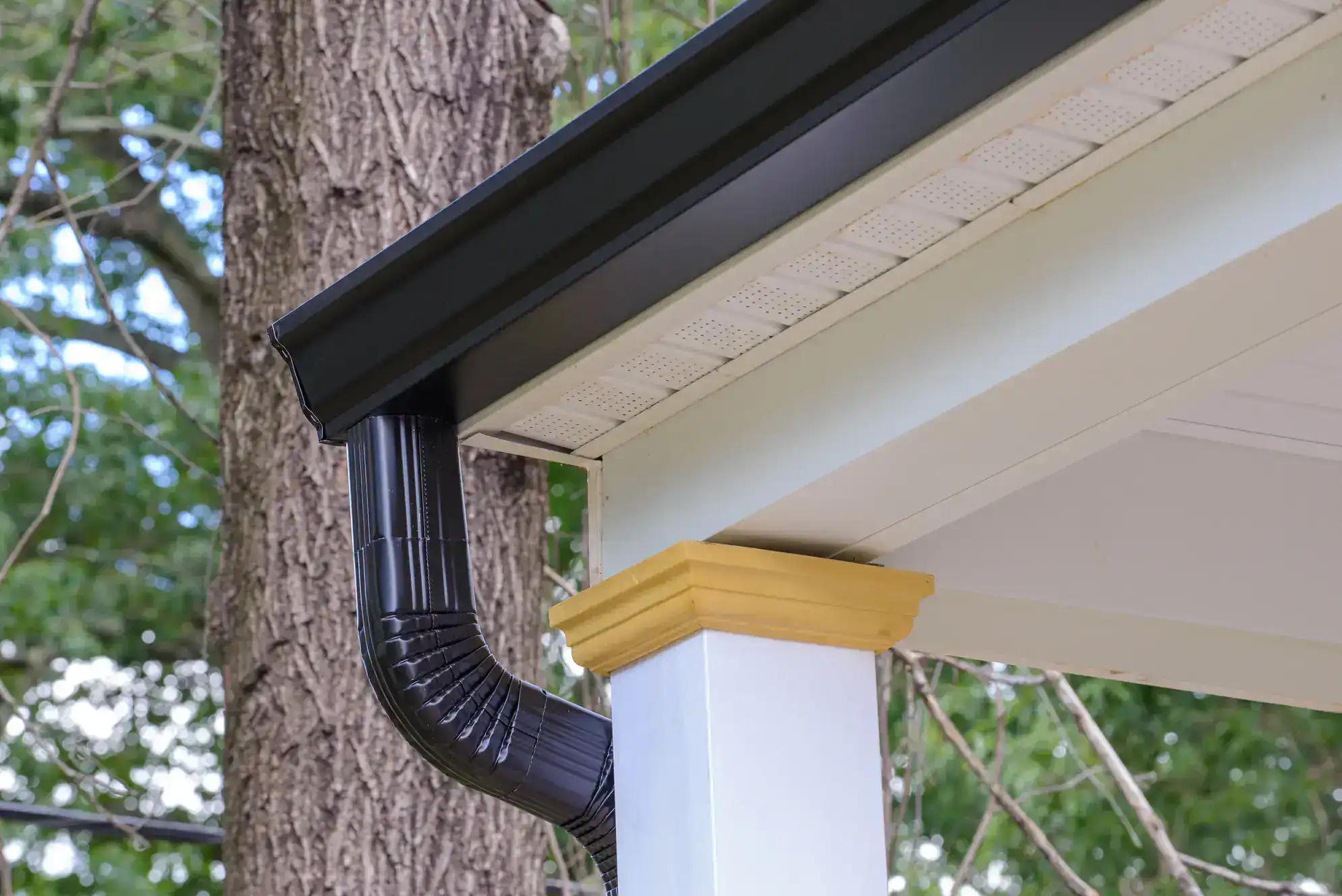
Rain Gutter Installation Glen Rock, NJ
When gutters fail in Glen Rock, the damage doesn’t stay outside. Water backs up behind the fascia, soaks into the siding, and eventually finds its way to your foundation. In a borough where homes regularly sell for close to a million dollars — and where basements are a real part of daily living — that’s not a maintenance issue you can defer.
Glen Rock’s tree canopy is one of the things that makes this borough beautiful. It’s also one of the most demanding environments for any gutter system in Bergen County. The mature White Oaks and maples lining streets throughout Glen Rock drop heavy leaf and debris loads right when fall rains hit hardest. Gutters that aren’t properly sized and sloped for that combination don’t just clog — they overflow, pull away from the fascia, and put everything downstream at risk.
What you get after a proper gutter installation is straightforward: water moves where it’s supposed to, away from your home and away from your foundation. Your siding stays dry. Your basement stays dry. And you’re not climbing a ladder every October trying to stay ahead of a system that was never built for where you actually live.
Gutter Contractors in Glen Rock, NJ
We’ve been doing exterior work across New Jersey for over ten years — roofing, gutters, and siding, treated as a connected system rather than separate jobs. That matters in a place like Glen Rock, where a 50-year-old Colonial on a tree-lined street near Rock Road isn’t just a gutter problem waiting to happen — it’s a fascia problem, a drainage problem, and sometimes a roof problem all at once.
We’re licensed by the NJ Division of Consumer Affairs (HIC License #13VH10605800) and hold manufacturer certifications that qualify installations for enhanced warranty coverage. Those aren’t just credentials on a website — they’re the difference between a contractor who’s accountable and one who isn’t.
Our work here is built on referrals, not advertising. That means every job in Glen Rock is a direct reflection of our reputation — and that’s exactly how it should be in a community as tight-knit as this borough.
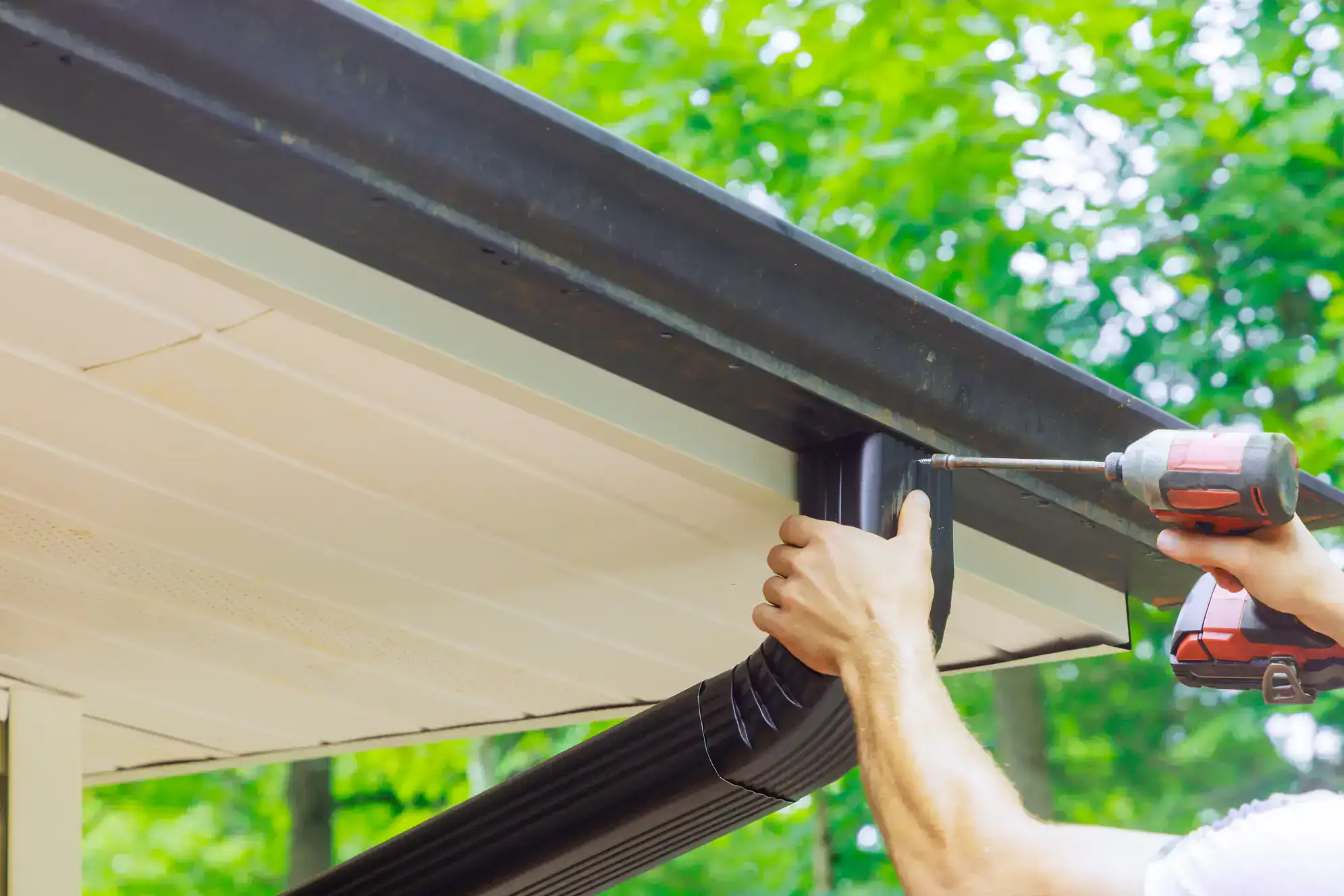
Home Gutter Installation Process Glen Rock, NJ
It starts with a free inspection, and that inspection covers more than just the gutters. Before anything is measured or quoted, we check the fascia boards, assess the roofline drainage volume, and evaluate the downspout placement. In Glen Rock’s aging housing stock — where many homes were built mid-century and have had one or two gutter systems since — problems rarely exist in isolation. If something else needs attention before new gutters go up, you’ll know about it before the work starts, not after.
From there, we put together a written estimate with a clear breakdown of what’s included and what it costs. No verbal quotes that shift later. Once the job is scheduled, the gutter material is fabricated on-site — cut from a single continuous run of aluminum to fit your roofline exactly. That’s what makes it seamless: no joints every ten feet, no weak points where Bergen County freeze-thaw cycles can work their way in over time.
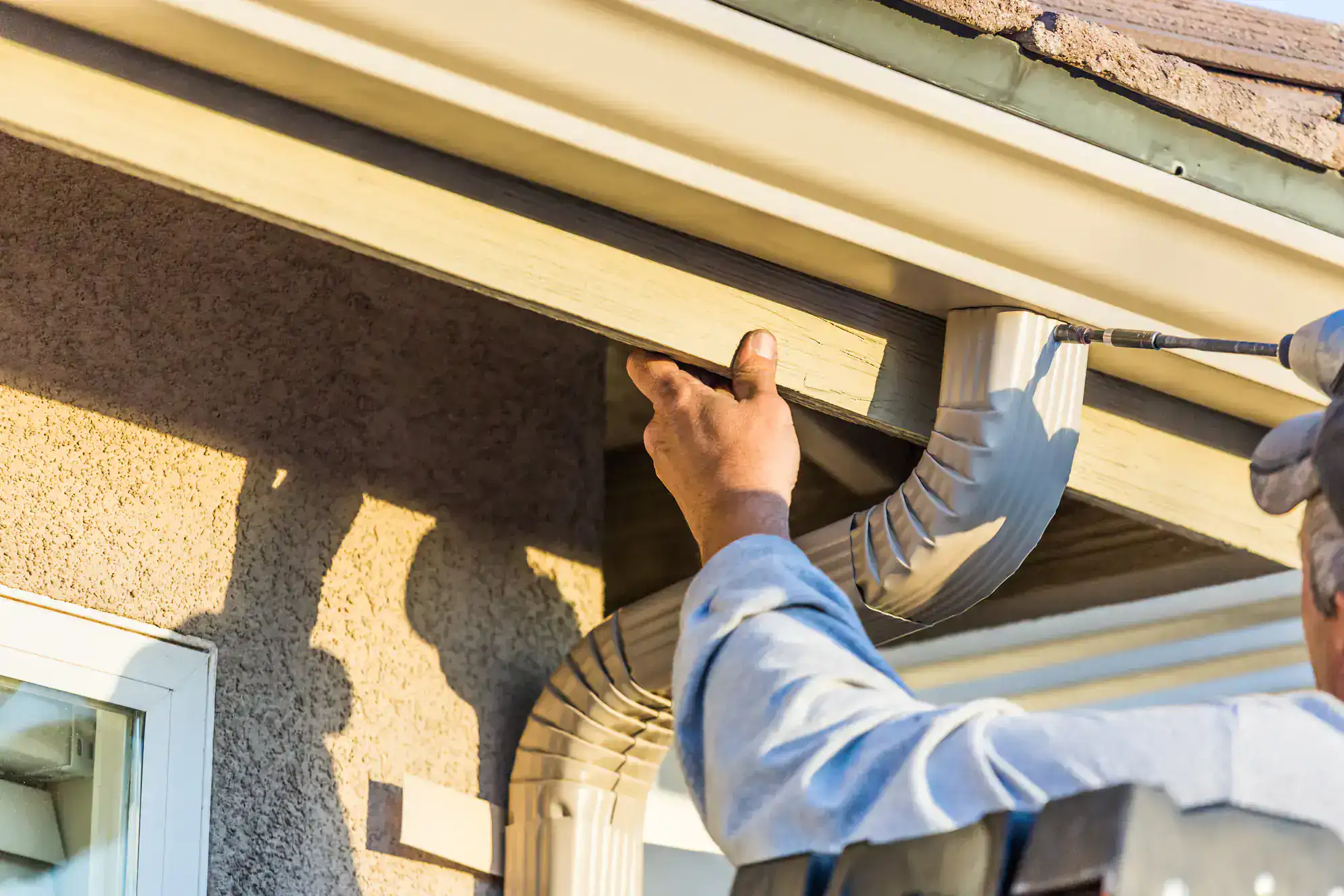
Installation includes slope calibration specific to your home’s geometry, bracket spacing appropriate for the load your roof produces, and downspout positioning that moves water at least six feet from the foundation. When the job is done, we clean the site and test the system before anyone leaves.
Ready to get started?
Roof Gutter Installation Company Glen Rock, NJ
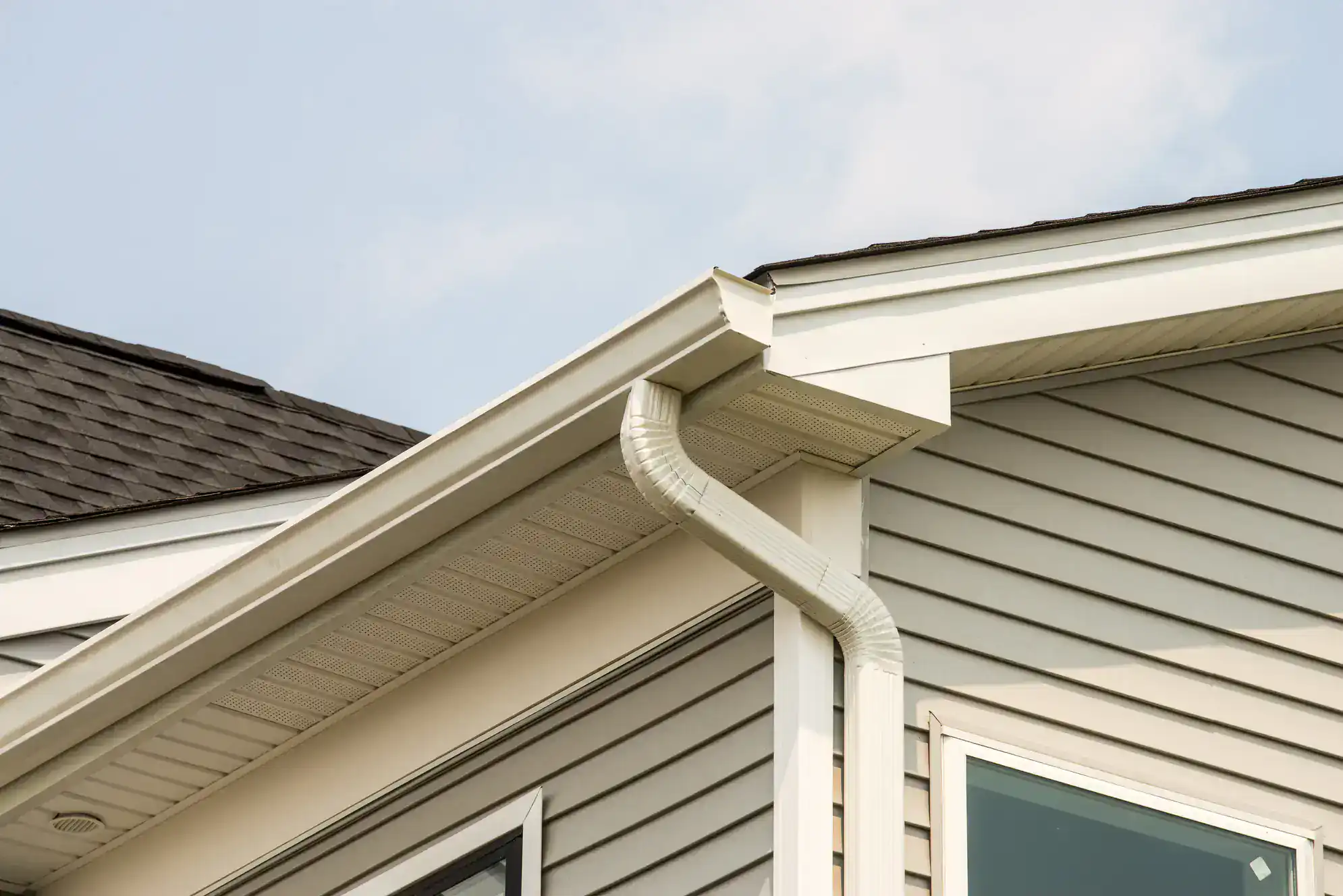
Every gutter installation in Glen Rock is seamless aluminum, fabricated on-site to your home’s exact dimensions. The material is durable, low-maintenance, and far more resistant to the expansion and contraction that New Jersey winters produce than sectional systems. There are no pre-cut pieces being forced to fit — the run is cut to match your roofline, which means the slope is accurate and the fit is clean from day one.
Downspout sizing is calculated based on your roof’s actual square footage and pitch — not a default spec that works for the average house in the average climate. Glen Rock’s rainfall intensity during summer microbursts and nor’easters puts real demand on a drainage system, and undersized downspouts are one of the most common reasons gutters overflow even when they’re not clogged.
If your home sustained storm damage — which happens regularly throughout Bergen County — we can document the damage and assist with the insurance claim process from start to finish. Many Glen Rock homeowners don’t realize their gutter replacement may be covered under their homeowner’s policy after a qualifying storm event. That’s a conversation worth having before you assume you’re paying out of pocket.
How much does gutter installation cost in Glen Rock, NJ?
Seamless gutter installation in Glen Rock typically runs between $8 and $15 per linear foot, based on local market data for Bergen County. For a single-family home in the borough — which often means 150 to 250 linear feet of gutter depending on the roofline — that puts a full installation somewhere in the range of $1,200 to $3,750 for a straightforward job. Larger homes, more complex rooflines, or additional work like fascia board replacement will push that number higher.
The most honest answer is that cost depends on what your home actually needs, which is why a free written estimate is the right starting point. Verbal ballparks don’t account for the specifics — your roof’s pitch, your downspout count, the condition of the fascia behind the existing gutters. A written estimate does. We include no hidden fees and apply no pressure to commit on the spot.
What type of gutters work best for homes in Glen Rock with heavy tree coverage?
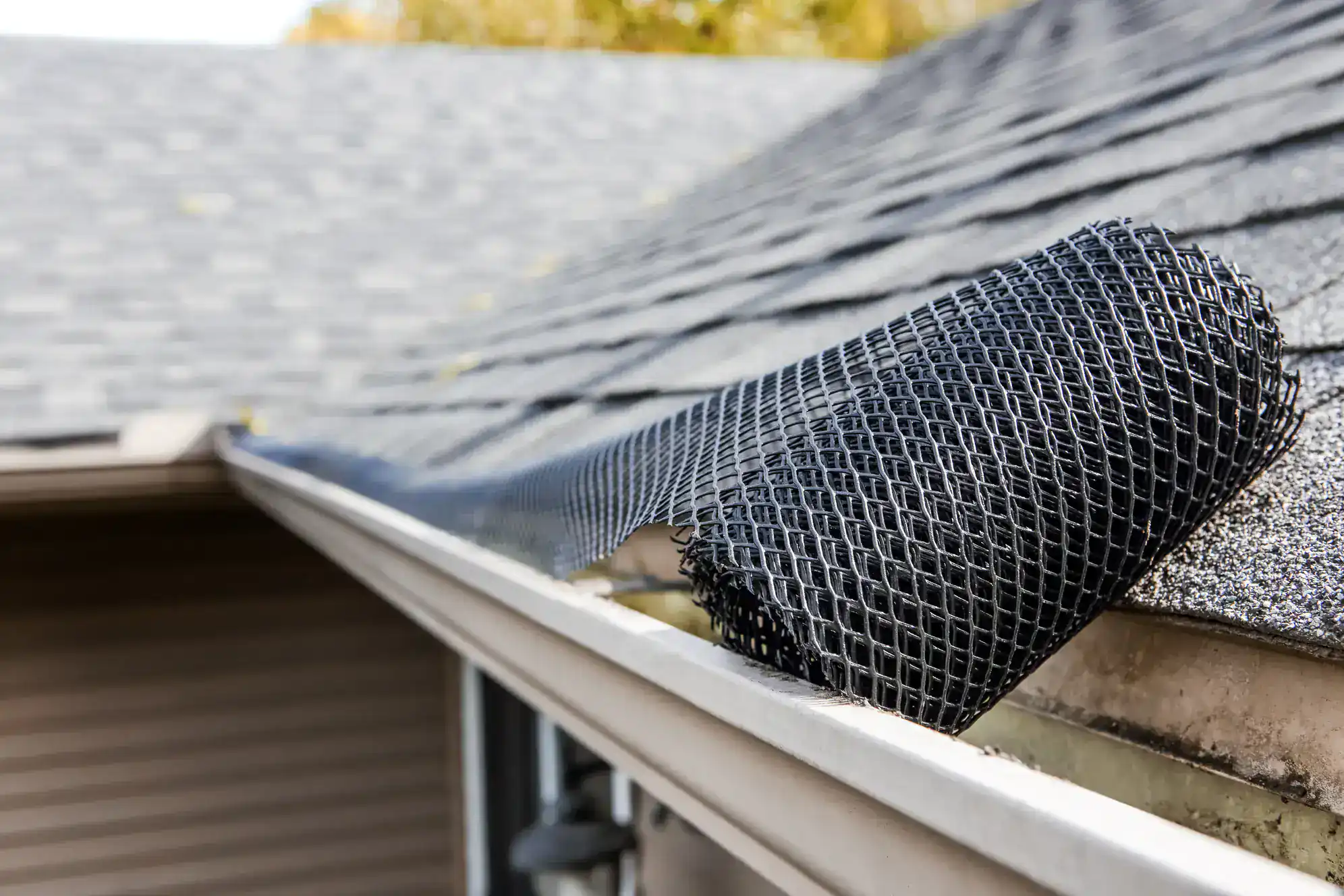
Seamless aluminum gutters are the strongest choice for Glen Rock homes, specifically because of the borough’s mature tree canopy. The White Oaks and maples throughout Glen Rock drop significant leaf and debris loads each fall, and a gutter system with joints every ten feet gives debris more places to catch and clog. A seamless run eliminates those joint points entirely, which means water flows more freely and the system stays cleaner longer between maintenance cycles.
Beyond the material, sizing matters just as much. Many older homes in Glen Rock were originally fitted with five-inch gutters that were adequate when the trees were younger and smaller. As the canopy has matured, the debris load has increased, and a six-inch gutter with properly sized downspouts handles that load significantly better. During your inspection, we determine the right sizing based on your specific roofline and the tree exposure around your home — not a one-size-fits-all default.
Do I need a permit for gutter installation or replacement in Glen Rock?
For standard gutter installation or like-for-like replacement on an existing residential structure, a building permit is generally not required under the New Jersey Uniform Construction Code. Glen Rock’s Building Department operates under the NJ UCC framework, and routine gutter work is typically classified as home improvement maintenance rather than structural construction.
That said, there are situations where additional review may apply. If the fascia boards — which are structural components of the roofline — need to be repaired or replaced as part of the job, or if changes to the drainage system affect stormwater management at the property level, those elements may warrant a closer look. As a licensed NJ home improvement contractor (HIC License #13VH10605800), we perform all work in compliance with applicable state and local codes, and if your specific project raises any permitting questions, that gets addressed before the job starts — not after.
How do I know if my gutters need to be replaced or just repaired in Glen Rock?
There are a few things that point clearly toward replacement rather than repair. If your gutters are pulling away from the fascia in multiple spots, that usually means the fascia itself has rotted — and no amount of rehanging will hold long-term without addressing the board underneath. If you’re seeing water stains running down the siding or pooling along the foundation after rain, that’s a sign the system isn’t draining correctly and may be beyond what a patch can fix. Visible rust, widespread joint separation, or gutters that are visibly sagging between hangers are also signs that the material has reached the end of its useful life.
In Glen Rock, where many homes were built in the mid-20th century, it’s not unusual to find gutter systems that are 20 to 30 years old — or older. At that age, even gutters that look acceptable from the ground may have hidden joint failures or bracket corrosion that only becomes obvious during a close inspection. The free inspection that comes with every estimate is specifically designed to give you a clear, honest read on where your system actually stands — repair, replace, or somewhere in between.
Can storm damage to my gutters in Glen Rock be covered by homeowner's insurance?
Yes — and it’s more common than most Glen Rock homeowners realize. Bergen County sees significant storm activity throughout the year: nor’easters in the late fall and winter, summer microbursts that produce damaging wind gusts, and severe thunderstorm systems that can drop hail large enough to dent aluminum gutters and damage fascia. If your gutter damage was caused by a qualifying weather event, your homeowner’s insurance policy may cover the cost of replacement rather than treating it as routine maintenance.
The challenge is documentation. Insurance adjusters need to see clear evidence that the damage was storm-related — not wear and tear — and that the scope of damage justifies the claim. We assist with that process: documenting the damage thoroughly, communicating with your adjuster, and making sure the claim reflects the full scope of what needs to be repaired or replaced. If you’re not sure whether your situation qualifies, the inspection is the right first step. You might be paying out of pocket for something your policy was meant to cover.
How long does gutter installation take for a typical Glen Rock home?
For most single-family homes in Glen Rock — a Colonial, Cape Cod, or ranch on a standard lot — a full seamless gutter installation is typically completed in one day. The on-site fabrication process means the material is cut and fitted at your home rather than pre-ordered in sections, so there’s no waiting on parts and no second trip to finish what didn’t arrive on time.
The timeline can extend slightly if the fascia boards need repair before the gutters go up, or if the roofline has a more complex geometry with multiple valleys, dormers, or angles that require additional fitting time. Glen Rock’s older housing stock does occasionally present those situations — a mid-century Colonial with added dormers or a Cape Cod with a shed roof addition, for example. Any factors that would affect the timeline get identified during the initial inspection and noted in the written estimate, so you know what to expect before the crew shows up. Most Glen Rock homeowners with standard rooflines are back to a fully functioning system by the end of the same day the work starts.