
Siding Installation in Glen Rock, NJ
Glen Rock Homes Deserve More Than a Quick Fix
Hear from Our Customers
Siding Contractors in Glen Rock, NJ
New siding does more than improve how your home looks from the street. It closes the gaps that let moisture work its way into your walls — and in Glen Rock’s climate, that matters more than most homeowners realize. Bergen County’s winters bring repeated freeze-thaw cycles that widen micro-cracks in aging vinyl and wood, turning what looks like a cosmetic issue into a structural one. Once water gets behind the panels, you’re not just replacing siding anymore — you’re dealing with damaged sheathing, compromised insulation, and sometimes mold remediation that costs far more than timely replacement ever would have.
For homes in Glen Rock specifically, that risk is real. The borough’s housing stock is predominantly colonial, ranch, and split-level homes built between the 1940s and 1970s — many of which have original or decades-old siding that’s well past its useful life. When you replace it with a properly installed system, your home is sealed the way it should be, your energy bills tend to stabilize, and you’re not losing equity on a property that’s already commanding serious value in one of Bergen County’s most competitive markets.
The curb appeal piece matters too. Glen Rock’s tree-lined streets and well-kept neighborhoods set a visible standard. New siding that fits the character of your home — right profile, right color, properly installed — doesn’t just look better. It signals to buyers, neighbors, and anyone else paying attention that the home has been cared for.
Local Siding Company Serving Glen Rock, NJ
We’ve spent nearly ten years working on homes across Bergen County — including the kind of established, single-family neighborhoods that make up Glen Rock. That experience shows up in the details: knowing what aging substrates typically look like under decades-old vinyl, understanding which materials hold up through a Bergen County winter, and recognizing when a siding project needs to account for what’s happening at the roofline or behind the gutters before new panels go on.
This is a family-run operation, which means the people responsible for your estimate are the same people accountable for the finished product. There’s no franchise layer between you and the crew doing the work. Every job is handled with the same level of attention — whether it’s a full replacement on a colonial off Harristown Road or targeted repair work on a ranch closer to the Main Line station.
We are fully licensed, insured, and registered with the NJ Division of Consumer Affairs as required by state law. Manufacturer certifications back up our installation work, which means the warranties you’re paying for are actually enforceable when you need them.

Residential Siding Contractors in Glen Rock, NJ
It starts with a free inspection. Not a sales visit with a clipboard — a real look at your current siding, the substrate underneath, and anything adjacent (flashing, trim, gutters) that could affect how the new system performs. If repair is the right answer, that’s what you’ll hear. If replacement makes more sense, you’ll understand exactly why before anyone asks you to sign anything.
From there, you get a written estimate. Itemized, specific, and clear — materials, labor, removal of existing siding, disposal, and any substrate work identified during the inspection. In a market like Glen Rock, where homes carry serious value and homeowners have seen enough contractor horror stories to know better, a verbal ballpark isn’t good enough. The number in the estimate is the number you pay.
Once the project is underway, our crew shows up consistently and works through the job with a clear timeline. For Glen Rock homeowners who commute into the city via NJ Transit, that predictability matters — you shouldn’t have to take a day off to babysit a contractor. If anything unexpected comes up during the project, it gets communicated to you before any additional work proceeds. Glen Rock’s Building Department at 1 Harding Plaza handles permitting for exterior alterations, and where a permit is required, we handle that process correctly from the start so there are no open-permit complications if you ever go to sell.

Ready to get started?
Vinyl Siding Contractors in Glen Rock, NJ
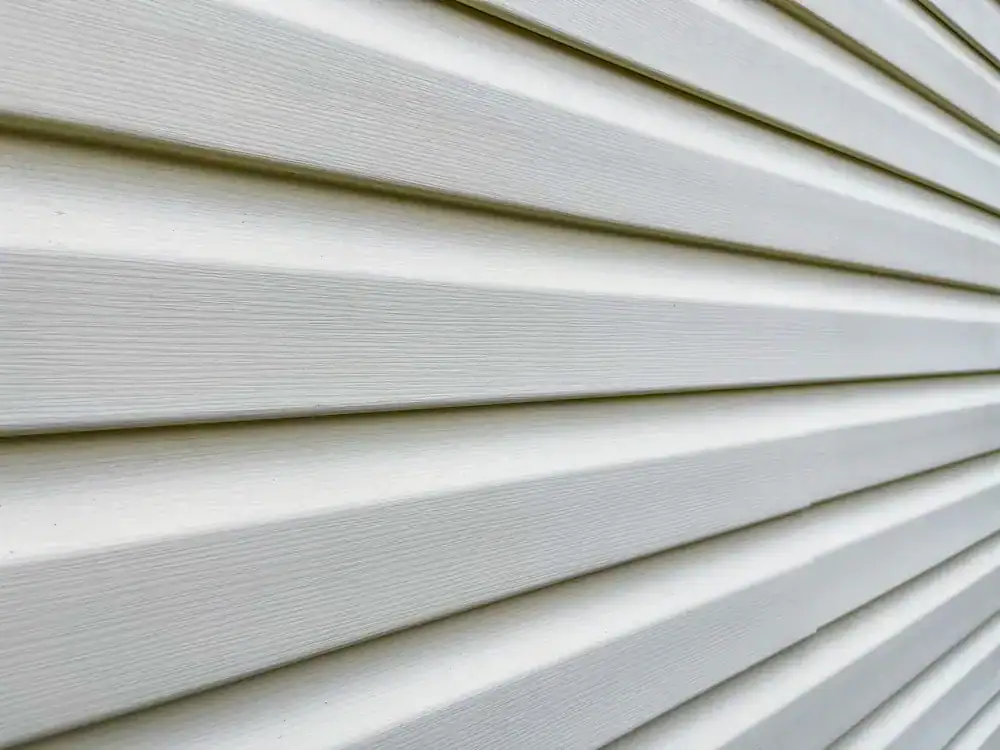
Not every siding product performs the same way in every climate, and Bergen County’s weather pattern is specific enough that material selection actually matters. Vinyl is still the most common choice — it’s durable, low-maintenance, and available in profiles that suit the colonial and ranch-style homes that dominate Glen Rock’s residential streets. But there’s a meaningful difference between standard vinyl and premium insulated vinyl, which reduces thermal bridging through the wall and adds a layer of rigidity that holds up better through repeated freeze-thaw cycles. For homeowners who want something with more impact resistance and a more finished look, fiber cement — including James Hardie products — is worth the conversation. It handles moisture exceptionally well, doesn’t expand and contract the way vinyl does, and carries warranty terms that reflect its longevity.
Whatever material makes sense for your home, installation quality determines whether that warranty is worth anything. Manufacturer certifications aren’t marketing — they’re the documented proof that the installation was done to the exact specifications the warranty requires. An uncertified installer can put up the same panels and leave you with no warranty coverage when you actually need it.
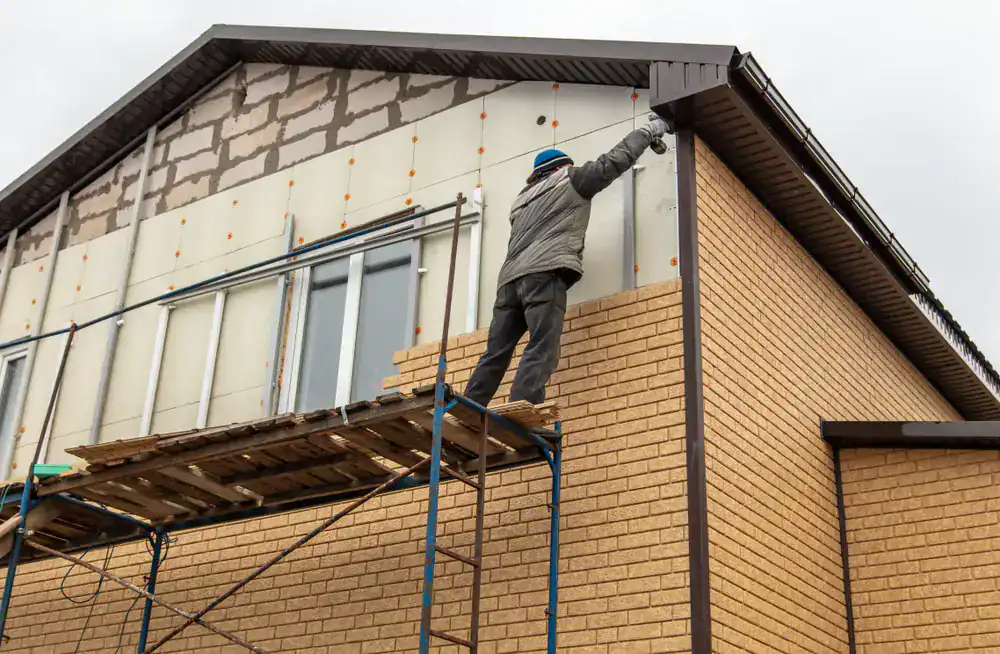
We handle the full scope: removal of existing siding, substrate inspection and repair where needed, proper moisture barrier installation, new siding installation, and trim and finishing work. The job isn’t done when the last panel goes up — it’s done when everything is sealed, finished, and inspected.

Do I need a permit for siding installation or replacement in Glen Rock, NJ?
In Glen Rock, the Borough’s Building Department enforces the New Jersey State Uniform Construction Code, and exterior alterations — including full siding replacement — can require a building permit depending on the scope of work. The Building Department is located at 1 Harding Plaza and can be reached at (201) 670-3956 if you want to confirm the specific threshold for your project before work begins.
This matters more than it might seem. Open or unpermitted work can surface as a problem during a real estate transaction, and Glen Rock’s housing market moves fast — average listing age was around 38 days as of mid-2025. If you’re planning to sell at any point, you want the work documented and finaled correctly. We handle the permit process as part of the job, not as an afterthought. That’s standard practice on any project where permitting applies.
How do I know if my siding needs full replacement or just repairs?
The honest answer is that you often can’t tell from the outside alone. Cracked, faded, or warped panels are obvious signs something is wrong — but the more important question is what’s happening behind the panels. In older Glen Rock homes, particularly those built in the postwar decades, aging vinyl or wood siding can allow moisture intrusion that damages the sheathing and insulation long before the exterior looks bad enough to act on.
A proper inspection looks at the full picture: panel condition, any soft spots in the substrate, how the siding meets the trim and roofline, and whether the moisture barrier is intact. Sometimes targeted panel replacement is genuinely the right call and saves you real money. Other times, the substrate damage or the age of the system makes full replacement the more cost-effective path over a five-to-ten-year horizon. The inspection is free, and the assessment you get back will tell you which situation you’re actually in — not which one generates more revenue.
What siding material holds up best in Bergen County's climate?
Bergen County’s winters are the main stress test for exterior siding. The freeze-thaw cycle — water entering micro-cracks, freezing, expanding, and widening those cracks — is the primary failure mechanism for aging vinyl, and it’s relentless through a typical New Jersey winter. Add nor’easters, wind-driven rain, and humid summers into the picture, and you have a climate that exposes installation shortcuts and low-grade materials faster than almost anywhere else in the region.
Premium insulated vinyl handles freeze-thaw better than standard vinyl because the foam backing adds rigidity and reduces the thermal movement that causes cracking over time. Fiber cement — James Hardie being the most widely used — is even more resistant to moisture and impact, doesn’t expand and contract the way vinyl does, and carries a longer warranty. It costs more upfront, but on a Bergen County home in the $800K-plus range, the long-term performance math usually supports it. The right answer depends on your home’s specific conditions, budget, and how long you plan to stay — which is exactly what the free inspection conversation is for.
How much does siding installation typically cost in Glen Rock, NJ?
Siding replacement on a typical Glen Rock single-family home — a colonial or ranch-style property in the 1,800-to-2,500 square foot range — generally runs somewhere between $12,000 and $20,000 for a full replacement, depending on the material you choose, the condition of the substrate, and the complexity of the home’s exterior profile. Premium insulated vinyl sits in the middle of that range. Fiber cement runs toward the higher end. Standard vinyl can come in lower, though it’s worth understanding what you’re trading off in terms of long-term performance.
What tends to drive costs up unexpectedly is substrate damage found during removal — rotted sheathing or deteriorated moisture barrier that needs to be addressed before new siding goes on. That’s why a thorough inspection before the estimate matters. With us, the written estimate reflects what’s actually needed based on a real look at your home, not a number designed to win the job that grows once work starts. If substrate issues are found during the project, you’re told before any additional work proceeds.
How long does a siding installation project take from start to finish in Glen Rock?
For most Glen Rock single-family homes, the physical installation work takes between three and seven days depending on the size of the home, the material being installed, and whether any substrate repair work is needed. Fiber cement takes slightly longer than vinyl due to the cutting and handling requirements. Homes with more complex rooflines, dormers, or detailed trim work add time as well — and a lot of Glen Rock’s older colonials and ranches have architectural details that require careful fitting around.
The bigger variable is scheduling. Quality siding contractors in Bergen County typically book four to eight weeks out during peak season — spring and early fall are the highest-demand windows. If you’re planning to have work done before a specific date, whether for a listing, a family event, or just before winter sets in, reaching out earlier than you think you need to is the right move. The free estimate and inspection can happen quickly — it’s the project slot that fills up.
How do I verify a siding contractor is legitimate before hiring them in New Jersey?
New Jersey requires all home improvement contractors to be registered with the NJ Division of Consumer Affairs under the Home Improvement Contractor (HIC) Registration program. This is state law, not optional, and it gives homeowners legal recourse under the Consumer Fraud Act if something goes wrong. Before you sign anything, ask any contractor you’re considering for their NJ HIC registration number and verify it through the Division of Consumer Affairs website. It takes two minutes and tells you a lot.
Beyond registration, ask for proof of general liability insurance and workers’ compensation coverage. On a Glen Rock property worth $800K or more, the financial exposure of hiring an uninsured contractor — whether for property damage or an on-site injury — is not a risk that makes sense. Manufacturer certifications are worth asking about too, specifically because they affect whether your product warranty is valid after installation. Finally, read the reviews — not the ones on the contractor’s own website, but the Google reviews, specifically ones from Bergen County homeowners who can speak to what the experience actually looked like from start to finish.