
Roofing Contractor in Waldwick, NJ
Bergen County Winters Don't Forgive a Weak Roof
Hear from Our Customers
Local Roofers in Waldwick, NJ
Most homes in Waldwick were built during the post-war suburban boom of the 1950s and 60s. That means a lot of roofs in this borough are working with outdated ventilation systems, aging flashing details, and shingles that have quietly passed their prime. When those problems get addressed properly — not patched and ignored — you stop chasing leaks and start trusting your home again.
Bergen County’s freeze-thaw cycle is one of the most punishing things a roof can face. Water gets into small gaps around chimneys and valley intersections, freezes, expands, and widens those gaps every single winter. A correctly installed roof with proper ice and water shield placement and solid flashing work stops that cycle before it becomes a structural problem — not after.
The mature trees lining Waldwick’s residential streets are beautiful, but after a nor’easter, they’re a liability. Branches come down. Wind strips shingles. And the damage isn’t always visible from the street. When your roof is built right and inspected regularly, you’re not left guessing after every storm. You know where you stand.
Reputable Roofing Contractors in Waldwick, NJ
We’ve been serving North Jersey homeowners for over 17 years, with deep roots in Waldwick and the surrounding Bergen County communities. That’s not a number pulled from a marketing deck — it’s the result of doing right by real people in real neighborhoods, year after year, through every kind of weather this region throws at a roof.
We’re family-owned, which means there’s no corporate layer between you and the people responsible for your project. When something needs attention, it gets addressed — not deflected. That accountability matters in a community like Waldwick, where neighbors talk and reputation travels fast.
From the older Colonials near Wyckoff Avenue to the Cape Cods closer to the Franklin Turnpike corridor, we’ve worked on the specific housing stock that defines Waldwick. Our certifications from major shingle manufacturers, a valid NJ Home Improvement Contractor license, and a track record built on genuine customer reviews — that’s what’s behind every free estimate and every project that goes out the door.
Roof Repair in Waldwick, NJ
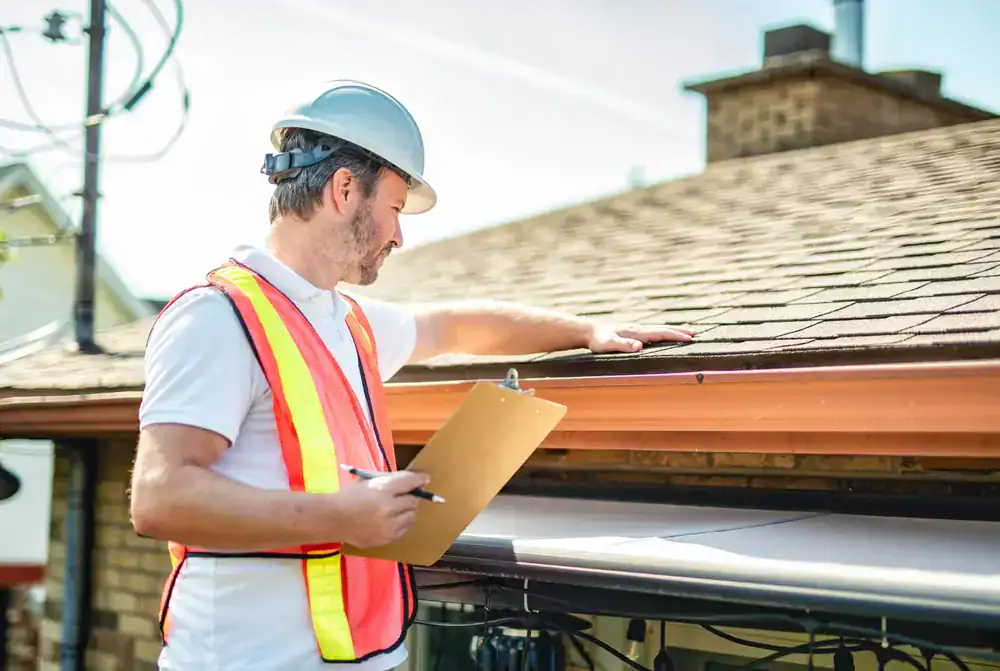
It starts with a free roof inspection — no charge, no pressure, no obligation. We conduct a real assessment of what’s actually going on up there: shingle condition, flashing integrity, ventilation, any signs of ice dam damage or moisture intrusion. You get a straight answer on whether you need a repair, a replacement, or nothing at all right now.
From there, you receive a detailed estimate with clear, itemized pricing. What you see is what you pay. There are no line items that appear mid-project and no costs that get quietly added after the work starts. For a full roof replacement in Waldwick, the permit process is also handled correctly from the start — the Borough of Waldwick requires a building permit for roofing work covering 25% or more of the total roof area, and that step doesn’t get skipped.
Once work begins, our crew shows up on time, protects your landscaping, and works efficiently. Waldwick is a quiet residential borough — not a job site — and we operate accordingly. When the job is done, the cleanup is complete and the documentation is in order, including any manufacturer warranty paperwork tied to your specific installation.
Ready to get started?
Metal Roofing Contractors in Waldwick, NJ
Whether you’re dealing with a few missing shingles after a storm or a roof that’s simply reached the end of its life, we match the scope of work to what the situation actually calls for. Small roof repair in Waldwick gets the same attention as a full replacement — because a poorly patched repair on a 1960s Colonial can cause as much damage over time as ignoring the problem entirely.
For homeowners weighing longer-term options, metal roofing is worth a real conversation. A properly installed metal roof carries a lifespan of 40 to 70 years, holds up significantly better under the heavy snow loads and high winds that Bergen County delivers, and can reduce heating and cooling costs by 15 to 35 percent. For a Waldwick home with a median value above $800,000, that kind of durability isn’t an upgrade — it’s a logical investment.
Beyond roofing, our full exterior scope covers gutters and siding as well. In older Waldwick homes, these systems age together — and when a roof replacement is on the table, deteriorating fascia boards, failing gutters, or damaged siding sections often need to be addressed at the same time. Having one contractor handle all three means one point of accountability and no gaps between trades.
Do I need a building permit to replace my roof in Waldwick, NJ?
Yes, in most cases. The Borough of Waldwick requires a building permit for roofing work that covers 25% or more of the total roof area. That threshold covers virtually every full roof replacement and most large-scale partial replacements. Minor spot repairs — replacing a handful of shingles, for example — typically fall below that threshold and don’t require a permit.
The permit requirement exists for good reason. A permitted roof replacement is properly documented in the borough’s building records, which matters when you file an insurance claim, refinance, or sell your home. Unpermitted work can create real complications at closing — buyers’ attorneys and home inspectors flag it, and it can delay or derail a sale. We handle the permit process on applicable Waldwick projects as a standard part of the job, so that piece is taken care of correctly from the start.
How do I know if my roof needs repair or a full replacement?
The honest answer is that you usually can’t tell from the ground — and neither can most homeowners after a quick visual scan from the driveway. Shingle granule loss, soft spots in the decking, failing flashing around chimneys or skylights, and early-stage ice dam damage are all things that require an up-close inspection to identify accurately.
A few things that typically point toward replacement rather than repair: your roof is 20 or more years old, you’re seeing leaks in multiple locations, or the existing shingles are showing widespread granule loss or curling. For Waldwick’s older housing stock — much of it built in the 1950s and 60s — many roofs are either approaching or already past their expected service life. The free inspection is specifically designed to answer this question without any financial pressure. You get an honest assessment, not a sales pitch dressed up as a diagnosis.
What roofing materials hold up best in Bergen County winters?
For most Waldwick homes, architectural asphalt shingles from a major manufacturer — GAF, Owens Corning, or similar — are the practical standard. They’re durable, widely available, and when installed correctly with proper ice and water shield coverage in vulnerable zones, they perform well through Bergen County’s freeze-thaw cycles and nor’easter seasons. The key word is “correctly” — the installation details matter as much as the material itself.
For homeowners who want to stop thinking about their roof for the next several decades, metal roofing is worth serious consideration. Standing seam metal in particular handles heavy snow loads, high winds, and repeated freeze-thaw cycling better than any asphalt product. The upfront cost is higher — typically in the range of $20,000 to $40,000 depending on roof size and complexity — but the lifespan of 40 to 70 years makes the math work for a lot of Waldwick homeowners who plan to stay in their homes long-term.
What causes ice dams and how do I prevent them on my Waldwick home?
Ice dams form when heat escaping from a warm attic melts snow on the upper portion of your roof. That meltwater runs down toward the eave, hits the colder overhang, and refreezes — creating a dam that backs water up under the shingles and into the home. It’s one of the most common sources of interior water damage in Bergen County during winter, and it’s especially prevalent in the Cape Cods and Colonials that make up a significant portion of Waldwick’s housing stock, because those home styles often have attic insulation and ventilation systems that were designed to 1950s and 60s standards.
The fix isn’t just about the roof surface — it’s about the system. Proper attic insulation reduces heat loss. Adequate soffit and ridge ventilation keeps the roof deck cold and even. Ice and water shield installed along the eaves and in valleys gives you a last line of defense if water does back up. A thorough inspection will identify which of these factors is contributing to the problem in your specific Waldwick home, so the solution actually addresses the cause rather than just the symptom.
How much does a roof replacement cost in Waldwick, NJ?
For a standard residential roof replacement in Waldwick using architectural asphalt shingles, most homeowners are looking at somewhere between $15,000 and $27,000, with the national average landing around $21,000 in 2025. Your specific number depends on roof size, pitch, the number of layers being removed, the condition of the underlying decking, and the materials selected.
A few factors specific to Waldwick’s housing stock can affect the final cost. Older homes from the 1950s and 60s sometimes have deteriorated decking that needs partial or full replacement once the old shingles are removed — that’s not something every contractor discloses upfront, but it’s a real possibility in this borough’s age range of homes. Chimney flashing repairs, ridge vent installation, and gutter replacement are also common add-ons that come up during the process. The free estimate from us is itemized and transparent — you’ll know what’s included and why before any work begins, so there are no surprises once the job is underway.
How do I find a reputable roofing contractor in Waldwick, NJ I can actually trust?
Start with the basics: verify that the contractor holds a valid NJ Home Improvement Contractor (HIC) license, carries general liability insurance and workers’ compensation coverage, and has manufacturer certifications that allow them to offer extended warranty coverage. These aren’t nice-to-haves — they’re the minimum standard for anyone doing roof work on a Waldwick home. A contractor who can’t confirm all three isn’t someone you want on your roof.
Beyond credentials, longevity matters. The Waldwick roofing market, like most of Bergen County, sees a wave of out-of-area contractors after every major storm event. They knock on doors, offer fast turnarounds, and disappear once the work is done. A company that has been operating in North Jersey for 17-plus years — with verifiable reviews, a real address, and a track record that predates the last nor’easter — is a fundamentally different thing. Ask how long they’ve been in business, ask to see their license number, and check their reviews across multiple platforms before you sign anything.