
Roofing Contractor in Glen Rock, NJ
Glen Rock Colonials Deserve More Than a Quick Fix
Hear from Our Customers
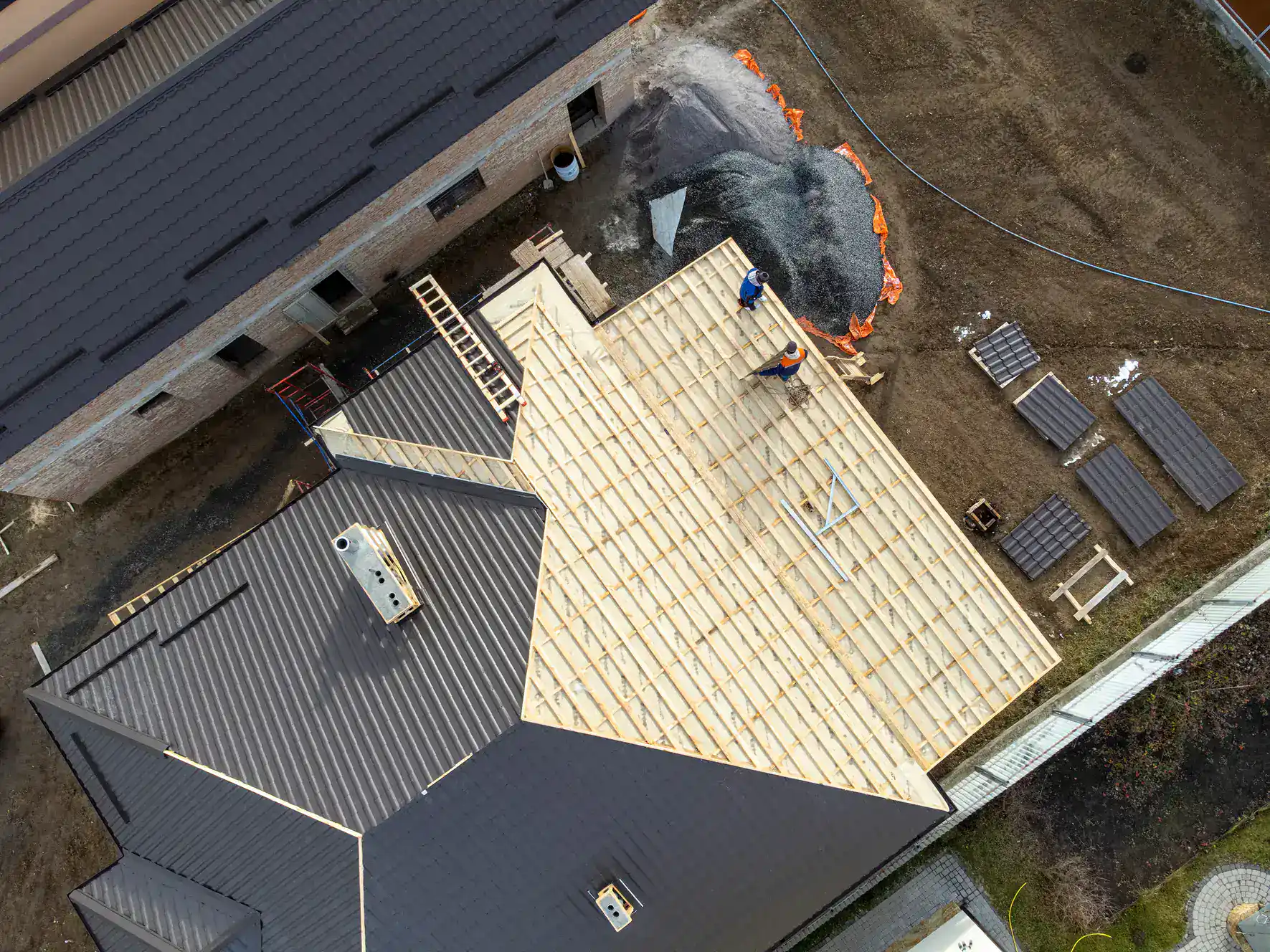
Roof Repair Results in Glen Rock
A new roof is not just about keeping water out. It is about protecting the investment you have made in one of Bergen County’s most sought-after communities. When the work is done correctly, you stop worrying about the ceiling stain that reappears every March, the ice buildup along your eaves after a nor’easter, or the chimney flashing that has been questionable for two winters now.
Glen Rock’s housing stock is full of colonials and Cape Cods built in the 1940s through 1960s. Those homes have steep pitches, dormers, and chimney penetrations that are beautiful architecturally but unforgiving when a roof starts to fail. A properly installed roof — one that accounts for those valleys, those flashing points, and the freeze-thaw cycles Bergen County delivers every single year — means you are not back on the phone with a contractor in 18 months.
You also get something less obvious but equally valuable: peace of mind at resale. A manufacturer-certified installation with documented warranty coverage is a line item that matters to buyers in Glen Rock, where homes move fast and buyers are sharp. It is not just a roof. It is part of what makes the house worth what it is.
Reputable Roofing Contractors in Glen Rock, NJ
We have been working across Glen Rock and Bergen County for over 17 years. That means we have been on roofs in this region through nor’easters, brutal freeze-thaw springs, and every kind of storm that rolls through northern New Jersey. We know what these conditions do to a colonial roof over time, and we know how to address it before it becomes a much bigger problem inside your home.
We are a family-run operation, which means the person responsible for your project is the same person whose reputation lives in this community. We hold certifications from major shingle manufacturers — credentials that require real vetting, not just a check — and we carry full licensing and insurance as required under New Jersey’s Home Improvement Contractor regulations. Every project we take in Glen Rock goes through the borough’s permit process, because cutting that corner is not something we are willing to do on an $856,000 home.
We also handle gutters and siding, so if your exterior needs more than just a roof, you are not coordinating between three different contractors.
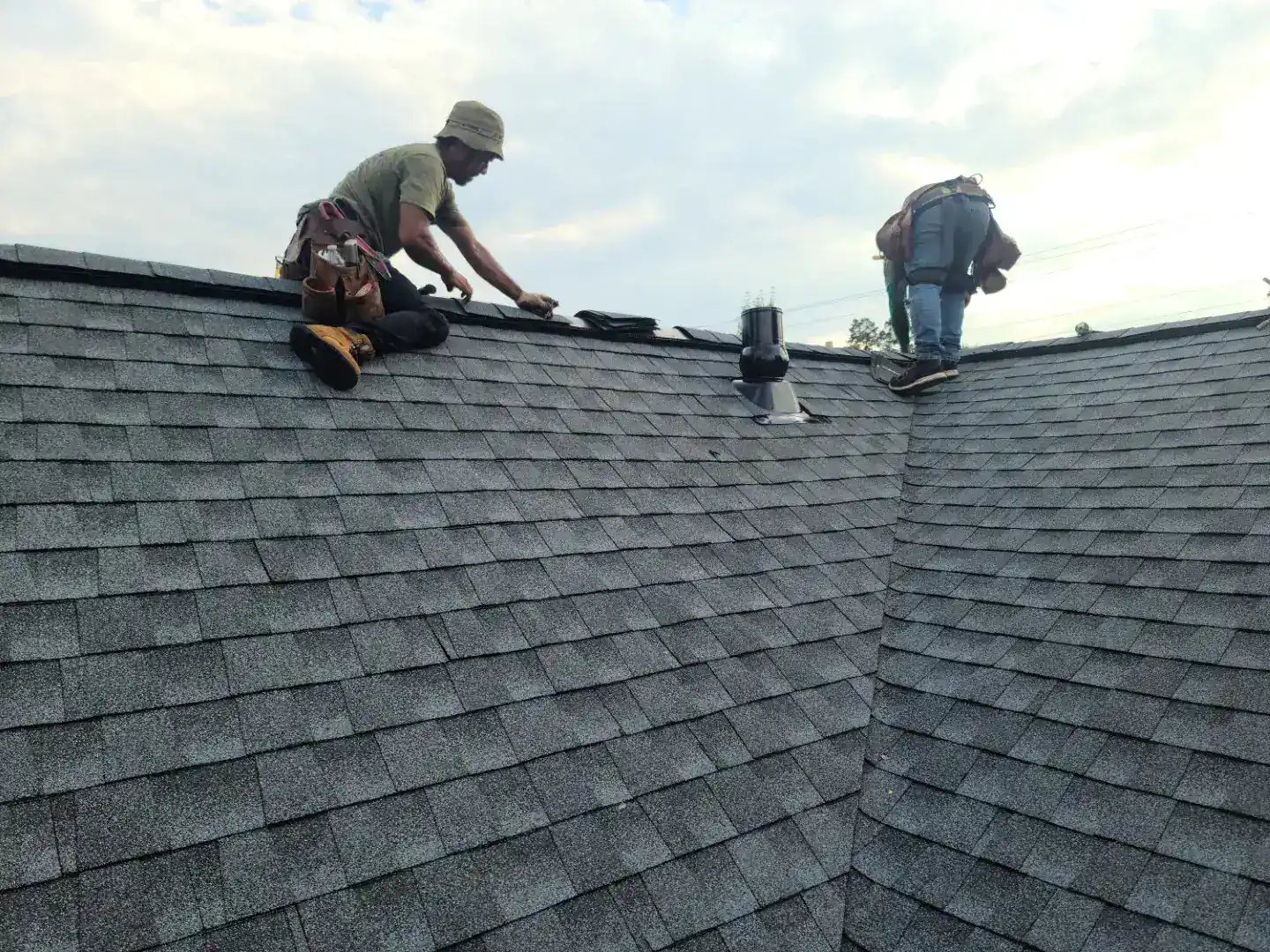
Local Roofers in Glen Rock, NJ
It starts with a free inspection. We come out, get on the roof, and give you an honest assessment of what is actually going on up there. If you need a repair, we will tell you. If you need a full replacement, we will explain why and show you what we are seeing. There is no pressure and no obligation — just a clear picture of where things stand.
From there, you get a detailed estimate with transparent pricing. No line items that appear later. No change orders that double the original number. Glen Rock’s Building Department at 1 Harding Plaza requires a permit for roof replacement work, and we handle that process as a standard part of every project. You do not have to chase that down yourself.
Once the permit is in place and materials are confirmed, we schedule the installation and get to work. For a standard colonial replacement, most projects wrap in one to two days depending on complexity — dormers, valleys, and chimney flashing add time, and we do not rush those details. When we leave, the site is clean, the old materials are hauled, and you have documentation of the completed work and warranty coverage in hand. Spring and fall are our busiest booking windows in Glen Rock, so if your roof has been on your list, sooner is better than later.
Ready to get started?
Metal Roofing Contractors in Glen Rock, NJ
Roofing is the core of what we do, and it covers the full range of what Glen Rock homeowners typically need. That includes complete roof replacements using architectural shingles from major certified manufacturers, targeted repairs on specific sections or failure points, flashing work at chimneys and dormers, and metal roofing installation for homeowners who want a longer-term solution.
Metal roofing is worth a real conversation if you are planning to stay in your home for the next 20 or more years. On a Glen Rock colonial worth close to $900,000, the math changes significantly when you factor in a 40-to-70-year lifespan versus replacing asphalt every 25 to 30. We install metal roofing systems and can walk you through whether it makes sense for your specific home and situation.
Beyond roofing, we handle gutters and siding as part of the same exterior scope. This matters more than it sounds. In Bergen County’s older housing stock, a roof leak is not always a roofing problem — sometimes it traces back to a gutter pulling away from the fascia or a compromised drip edge. When one contractor handles the full exterior, you get an honest diagnosis instead of each trade pointing at the other. Every project starts with a free estimate, and we serve homeowners throughout Glen Rock and the surrounding Bergen County area.
Do I need a permit to replace my roof in Glen Rock, NJ?
Yes, a building permit is required for roof replacement in Glen Rock. The Borough’s Building Department, located at 1 Harding Plaza, enforces New Jersey’s Uniform Construction Code, and any licensed contractor doing a full replacement is required to pull that permit before work begins. This is not just a formality — a permitted job means the work is inspected and documented, which protects you legally and matters at resale.
Homeowners should be cautious of any contractor who suggests skipping the permit process to save time or money. Beyond the legal exposure, an unpermitted roof can create complications when you sell the home or file an insurance claim. We handle the permit as a standard part of every Glen Rock project, not an optional add-on.
How much does a roof replacement typically cost in Glen Rock, NJ?
Most residential roof replacements in the Glen Rock area fall somewhere between $15,000 and $27,000. Your specific number depends on the size of the roof, the pitch, the material you choose, and the complexity of the job. Colonial and Cape Cod homes — which make up a large portion of Glen Rock’s housing stock — often have dormers, multiple valleys, and chimney penetrations that add to the scope and cost compared to a simple gable roof.
The best way to get a real number is a free on-site inspection. Square footage estimates from the ground are rarely accurate, and the condition of the decking underneath the shingles is something you cannot know until we are up there. We provide free estimates with no obligation, so you can get an actual project cost before making any decisions.
How do I know if my roof needs a full replacement or just a repair?
This is the right question to ask, and the honest answer is that it depends on a few things: the age of the roof, how widespread the damage is, and whether the underlying decking has been compromised. A roof that is 15 years old with a single damaged section after a storm is often a strong repair candidate. A roof that is 25 to 30 years old with granule loss across multiple areas, recurring leaks, or visible sagging is usually telling you that repairs are just buying time.
In Glen Rock, the freeze-thaw cycles Bergen County sees every winter accelerate roof aging faster than the calendar alone suggests. Water gets into small cracks, freezes, expands, and forces those cracks wider season after season. What looks like a minor issue in October can become a significant one by March. A free inspection gives you a clear, honest picture of where your roof actually stands — not a sales pitch, just the facts.
What roofing material holds up best against Bergen County winters?
Architectural asphalt shingles are the most common choice for Glen Rock homes, and when installed correctly by a certified contractor, they perform well through Bergen County’s full range of weather — nor’easters, heavy snow loads, ice dam conditions, and summer hail events. The key word is “correctly.” Improper installation, inadequate underlayment, or skipped ice and water shield along the eaves are the reasons most roofs fail before their time, not the shingle itself.
For homeowners who want a longer-term solution and have a higher-value home, metal roofing is increasingly worth considering. It handles ice and snow load better than asphalt, has no granule loss over time, and carries a lifespan of 40 to 70 years. Glen Rock’s borough code requires a minimum roof pitch of 5 inches per 12 inches, and both architectural shingles and standing seam metal systems are well-suited to the pitches common on colonials and Cape Cods throughout the borough.
What should I look for when hiring a roofing contractor in Glen Rock?
Start with the basics: New Jersey Home Improvement Contractor registration, proof of liability insurance, and workers’ compensation coverage. These are legal requirements, not optional. A contractor without workers’ comp means you could be held liable if someone is injured on your property — and in a community where homes are worth close to $900,000, that is a risk nobody should take.
Beyond licensing, look for manufacturer certifications. These are not just marketing badges — they require documented installation experience, quality audits, and ongoing training. More importantly, they unlock extended manufacturer warranties that non-certified contractors simply cannot offer their customers. A certified contractor can provide warranty coverage that a non-certified one cannot, regardless of how long they have been in business. Ask for the certification name, verify it if you want to, and make sure the contractor pulls permits through Glen Rock’s Building Department as a standard part of the job.
How do ice dams form on Glen Rock homes, and can a new roof prevent them?
Ice dams form when heat escapes through the roof deck, melts snow near the ridge, and that water runs down toward the colder eaves where it refreezes. Over time, the ice buildup forces water back up under the shingles and into the home. Cape Cod-style homes — common throughout Glen Rock — are particularly vulnerable because of their lower eave pitches and dormer configurations, which create natural spots for ice to accumulate and water to pool.
A properly installed roof addresses this directly. Ice and water shield membrane installed along the eaves and in the valleys creates a watertight barrier even when ice dams form above it. Adequate attic ventilation also plays a major role — it keeps the roof deck temperature consistent so the melt-and-refreeze cycle is less severe. If you have had recurring ice dam issues or ceiling stains that appear every late winter, that is worth including in your inspection conversation. It is usually a solvable problem, and solving it correctly at installation time is far less expensive than addressing water damage after the fact.