
Roofing Contractor in Park Village, NJ
Central NJ Winters Don't Forgive a Weak Roof
Hear from Our Customers
Roof Repair Services in Park Village, NJ
A roof that was installed correctly and built for New Jersey weather does something most homeowners don’t think about until it’s too late — it stays quiet. No ceiling stains after a heavy storm. No soft spots. No water finding its way in through a flashing gap that was never sealed properly. That’s the baseline you should expect, and it’s what a well-done roof actually delivers.
In the Middlesex County corridor where Park Village sits, post-war Cape Cods, split-levels, and colonials make up a huge portion of the housing stock. Aging roofs are one of the most common and most overlooked problems homeowners face. A home built in the 1960s that hasn’t had a new roof since the late 1990s is well past the window. The damage doesn’t always show up as a visible leak — it shows up as granule loss, soft decking, compromised flashing around chimneys, and energy bills that creep up because the attic isn’t sealed the way it should be.
When the roof is right, you stop thinking about it. No emergency calls after a storm, no anxiety every time the forecast shows heavy snow or hail, and no guessing about whether your home’s first line of defense is actually doing its job.
Reputable Roofing Contractors in Park Village, NJ
We’ve been working across Central and Northern New Jersey for more than 17 years, including Park Village and the surrounding communities like Edison, Piscataway, South Plainfield, and Woodbridge. We know the neighborhoods, the housing stock, the weather patterns, and the permit processes in this area inside and out.
We’re a family-owned operation, which means the name on the truck is the name on the line. When something needs to be addressed after the job, you’re not calling a customer service queue — you’re calling the same people who did the work. We carry full licensing and insurance as required under New Jersey’s Home Improvement Contractor registration, and we hold certifications from major shingle manufacturers that unlock extended warranties most contractors simply can’t offer.
The free inspection is real. No charge, no pressure, no predetermined outcome. You find out what your roof actually needs, and you decide what to do from there.
Local Roofers in Park Village, NJ
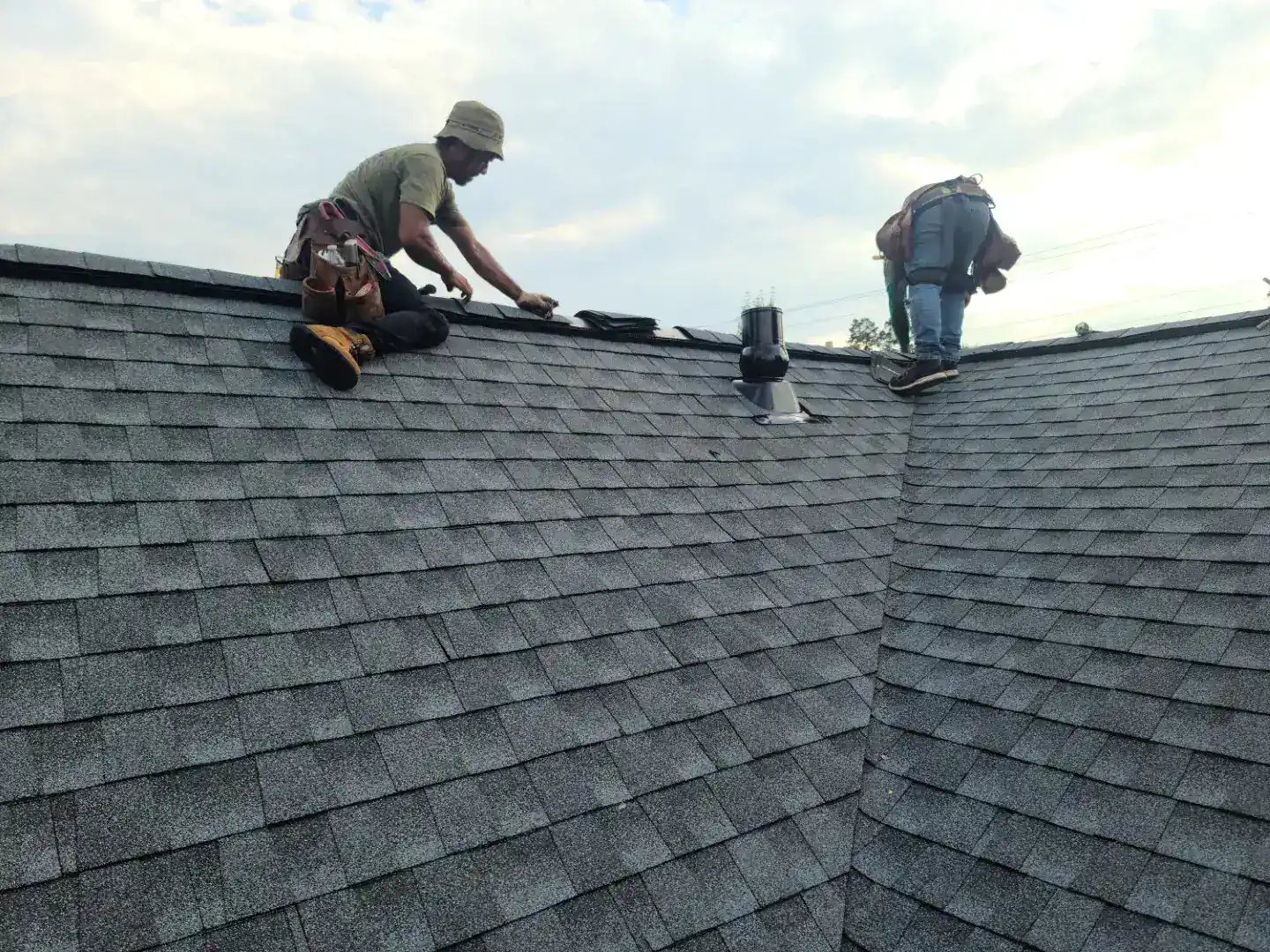
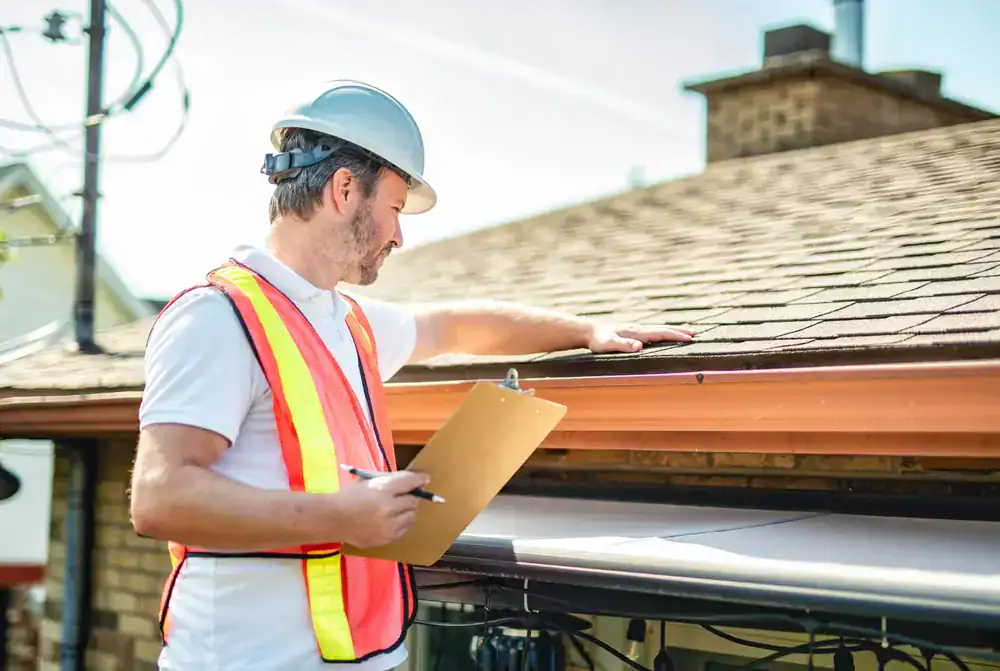
It starts with the free inspection. One of our certified contractors comes out to your Park Village home, gets on the roof, and gives you a straight read on what’s there — what’s holding up, what’s failing, and what actually needs to be done. If it’s a small repair, we’ll tell you. If a full replacement makes more sense given the age and condition of your roof, we’ll walk you through why.
From there, you get a written estimate with everything spelled out before any work begins. Material choices, scope, timeline — it’s all on paper. In New Jersey, full roof replacements require a permit, and we handle that process on your behalf. We know the local building departments in the Middlesex County area and manage the permitting so you don’t have to navigate it yourself.
On installation day, our crew arrives, the work gets done, and cleanup is part of the job — not an afterthought. Once the roof is complete, we do a final walkthrough with you so you can see the finished work and ask any questions before we leave. The goal is that you feel completely clear on what was done and confident in what you’re left with.
Ready to get started?
Metal Roofing Contractors in Park Village, NJ
The most common work we do for homeowners in Park Village and the surrounding Middlesex County area falls into a few clear categories. Full roof replacements on aging asphalt shingle roofs — the kind that have been through 20 or 30 winters and are showing it. Storm damage repairs after nor’easters strip shingles or compromise flashing. Flat roof work on low-slope sections that are common on split-levels and older colonials, using TPO or EPDM systems built for that application. And metal roofing for homeowners who want a 40-to-70-year solution and are done thinking about the roof entirely.
On the shingle side, our manufacturer certifications matter for one specific reason: they allow us to offer extended warranties — covering both materials and workmanship — that non-certified contractors cannot provide. For a $15,000 to $27,000 investment, that warranty is real financial protection, and it transfers with the home if you sell.
We also handle gutters and siding, which matters more than it sounds. When a roof, gutters, and siding all need attention at the same time — which is common in homes built in the 1950s through 1970s — having one contractor responsible for all three eliminates the coordination problems and the “not my scope” conversations that come with managing multiple trades.
Do I need a permit to replace my roof in Park Village, NJ?
Yes. In New Jersey, a full roof replacement requires a building permit, and that applies to homes in Park Village and throughout Middlesex County. The permit process runs through the local building department of the township that governs your address — most likely South Plainfield or Piscataway — and requirements, fees, and processing times can vary by municipality.
The practical reason this matters: an unpermitted roof can create real problems when you go to sell your home. Title searches often surface unpermitted work, and some homeowner’s insurance policies can deny claims for damage to a roof that wasn’t installed with the required permits. We handle the permit process on behalf of our customers — you don’t need to figure out which office to call or what forms to file.
How do I know if I need a full roof replacement or just a repair?
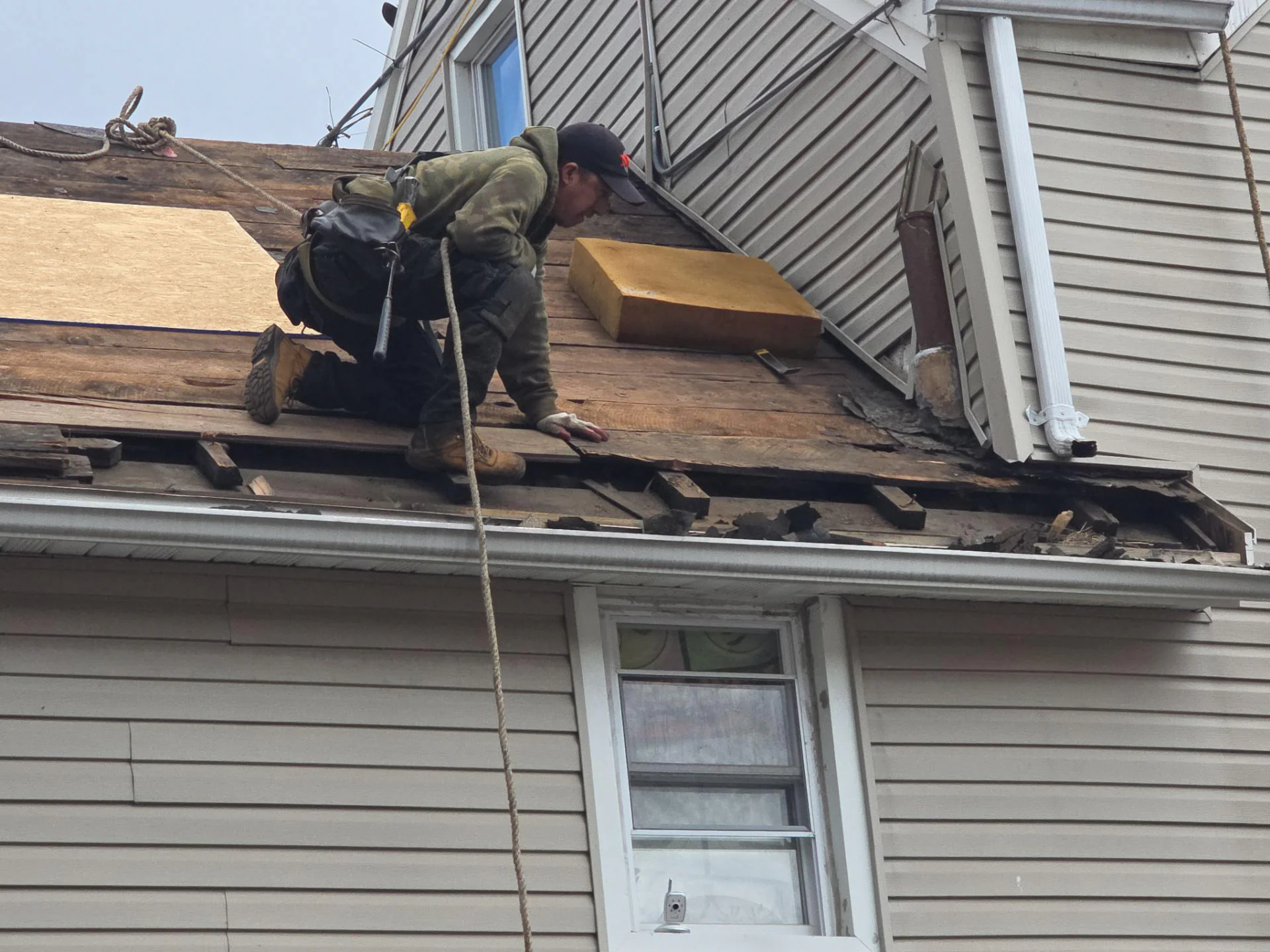
The honest answer is that you usually can’t tell from the ground, and neither can a contractor who hasn’t actually been on the roof. What looks like a minor leak from inside the house can trace back to a flashing failure, a cracked pipe boot, or a section of decking that’s been absorbing moisture for years. On the other hand, what looks like serious damage from the street might be isolated to a small area that a repair can address cleanly.
The free inspection exists specifically to answer this question without any financial pressure attached to it. One of our certified contractors gets on the roof, checks the decking, the flashing, the shingles, and the ventilation, and gives you a straight assessment. In Central NJ, where a lot of the housing stock in communities like Park Village, South Plainfield, Piscataway, and Edison is 50 to 70 years old, we see plenty of roofs that are genuinely at end-of-life — but we also see roofs that need a targeted repair and nothing more. You’ll know which one you’re dealing with before any work is discussed.
What roofing materials hold up best against New Jersey weather?
For most Park Village homes, architectural asphalt shingles are still the most practical choice — they’re durable, widely available, and when installed by a certified contractor, they come with manufacturer warranties that cover both materials and workmanship for decades. The key is the installation quality and the underlying components: proper ice and water shield placement at the eaves and valleys, wind-rated fastening patterns, and correctly installed flashing around every penetration and transition.
For homeowners who want to move beyond asphalt, metal roofing is worth a serious look. A standing seam or metal shingle roof installed correctly will last 40 to 70 years, handles NJ’s freeze-thaw cycles and hail events better than asphalt, and doesn’t require the same maintenance attention over time. The upfront cost is higher, but the math changes significantly when you factor in that you’re likely buying the last roof you’ll ever need on that home. For flat or low-slope sections — common on split-level homes throughout Middlesex County — TPO and EPDM are the right materials, full stop. Asphalt shingles are not appropriate for those applications, and any contractor recommending them for a flat roof section is a contractor to walk away from.
My roof was damaged in a storm — how does the insurance claim process work?
After a significant storm event in the Park Village and Middlesex County area — a nor’easter, a hail-producing thunderstorm line, or a high-wind event — the first step is getting a proper damage assessment before you call your insurance company. This matters because the documentation you provide to your adjuster shapes the claim. Photos, measurements, and a written assessment from a licensed contractor give the adjuster something concrete to work with and reduce the back-and-forth that slows claims down.
Once we’ve completed the inspection and documented the damage, we can walk you through what the claim process typically looks like for your situation. We’re familiar with the documentation requirements and can help you understand what your policy likely covers — wind and hail damage is generally covered under standard homeowner’s insurance in New Jersey, though deductibles and coverage limits vary. What you want to avoid is filing a claim based on damage you haven’t had properly assessed yet, or signing anything with a contractor before you understand the full scope of what needs to be done.
How long does a roof replacement take for a typical home in Park Village?
For a standard single-family home in Park Village — a Cape Cod, colonial, or split-level of average size — a full roof replacement typically takes one to two days once work begins. The variables that affect timeline are roof complexity (multiple planes, steep pitch, dormers, and valleys all add time), the condition of the decking underneath (if there’s rotted or damaged decking, it needs to be replaced before new materials go down), and weather.
In Central NJ, the best installation windows are late spring through early fall — dry days with moderate temperatures give the crew the best working conditions and allow shingles to seal properly. That said, roofing work can be done year-round when conditions allow, and if you have active damage going into winter, waiting until spring isn’t always the right call. We’ll be straightforward with you about timing based on your specific situation and the current season.
Why do manufacturer certifications matter when choosing a roofing contractor in Park Village, NJ?
Most homeowners don’t know this distinction exists, but it has a direct impact on the warranty you receive. Manufacturer certifications — from companies like GAF, CertainTeed, or Owens Corning — are not self-awarded. They require documented training, proof of insurance, quality audits, and ongoing compliance. Contractors who hold these certifications can offer extended warranties that cover both the materials and the workmanship. Contractors who don’t hold them can only offer the standard material warranty — and nothing on the labor side.
For a Park Village homeowner spending $15,000 to $27,000 on a new roof, that workmanship warranty is meaningful protection. If something fails in year three because of how the roof was installed — not because of the shingles themselves — a workmanship warranty covers it. Without certification, that cost falls on you. It’s one of the clearest ways to separate contractors who are set up to stand behind their work from those who aren’t, and it’s one of the first questions worth asking when you’re comparing estimates.
Other Services we provide in Park Village