
Roof Inspection in Stony Hill, NJ
Catch Problems Before They Cost You Thousands
Hear from Our Customers
Professional Roof Inspection Services
You’re not paying $220 for someone to look at your roof and say “looks fine.” You’re buying early detection of the problems that cost $3,000 to $30,000 when they surface later.
Missing shingles. Flashing gaps. Granule loss. Water pooling in valleys. These aren’t cosmetic issues—they’re the beginning of leaks, mold, and structural damage that spreads fast once it starts.
A thorough inspection catches them while they’re still cheap to fix. It also gives you documentation for your insurance company, which matters more than most homeowners realize until they’re facing a non-renewal notice. Insurance carriers in New Jersey are dropping policies over roof age alone, even when there’s no visible damage. A recent inspection report showing your roof is sound can be the difference between keeping your coverage and scrambling to find a new policy at twice the price.
You also get a clear answer on whether you’re looking at a repair, a patch job, or a full replacement. No surprises when you go to sell. No emergency calls during the next storm.
Roofing Contractor Stony Hill, NJ
We’ve spent a decade working on roofs across New Jersey, which means we’ve seen what happens when homeowners wait too long and what happens when they don’t. We’re licensed, insured, and certified by major shingle manufacturers—not because we like paperwork, but because it matters when you’re trusting someone to assess the integrity of your largest investment.
We do free inspections because we’d rather you know what’s going on before it becomes a crisis. We’ve helped hundreds of local homeowners navigate insurance claims, avoid surprise repair bills, and extend the life of their roofs by catching problems early. Stony Hill homes face the same challenges as the rest of the region: freeze-thaw cycles that crack shingles, coastal humidity that accelerates wear, and storms that hit harder than they used to.
We’re not the cheapest option, and we’re fine with that. You’re hiring someone who knows what to look for and will tell you the truth about what they find.

How Our Roof Inspection Works
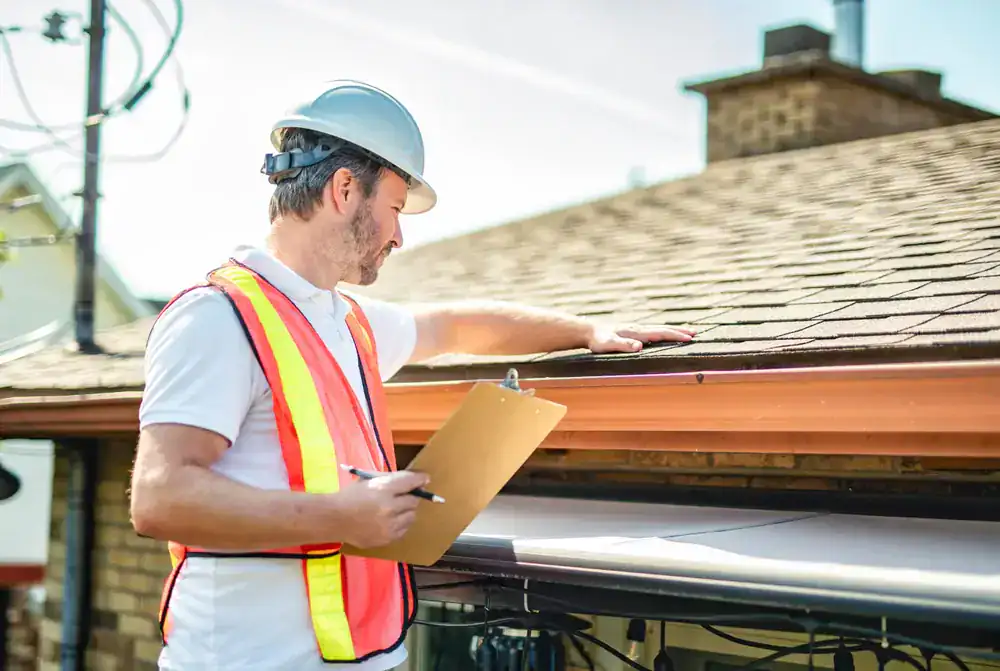
We start outside, walking the entire roof to check shingles, flashing, valleys, vents, and chimneys. We’re looking for cracks, curling, missing granules, exposed nails, and any sign that water is getting somewhere it shouldn’t.
Then we check your attic and interior ceilings for stains, moisture, mold, or sagging that indicates a leak you haven’t noticed yet. A lot of roof damage shows up inside before it’s obvious from the street.
You get a full report with photos and a straightforward explanation of what we found. If something needs attention, we’ll tell you whether it’s urgent or something to monitor. If your roof is fine, we’ll tell you that too. No upselling, no scare tactics—just the facts about your roof’s condition and what makes sense to do next.
If you need repairs or replacement, we’ll walk you through options and costs. If you’re filing an insurance claim, we’ll help with documentation and the process so you’re not doing it alone.
Ready to get started?
Roof Repair and Replacement Services
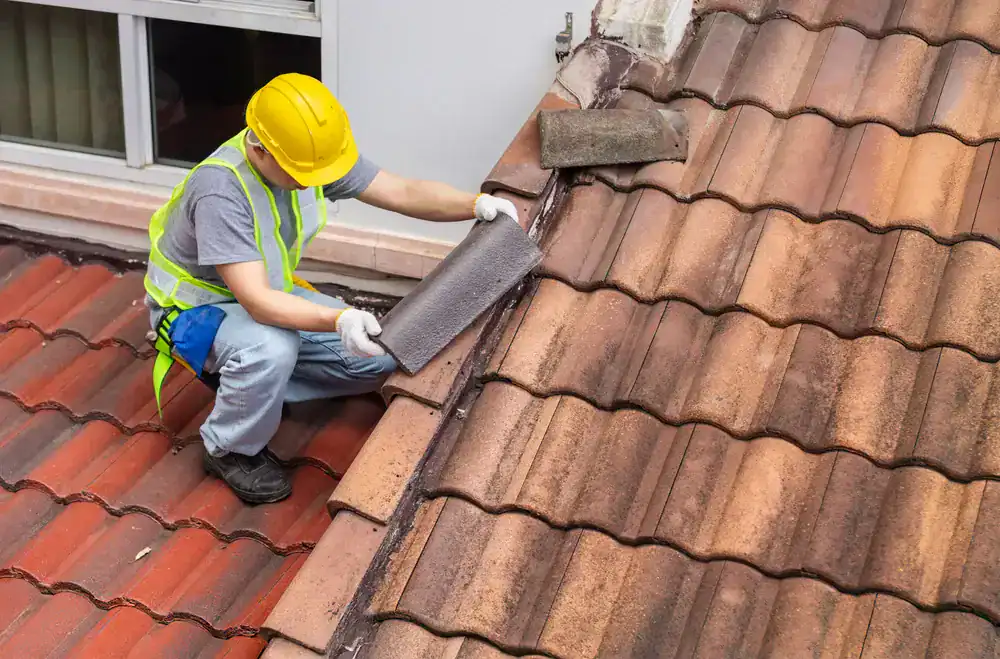
Every roof inspection covers the same critical areas: shingle condition, flashing integrity, ventilation, gutters, and signs of water intrusion. But what we’re really doing is assessing how much life your roof has left and whether small fixes now can buy you years before a bigger investment.
In Stony Hill and throughout New Jersey, the biggest threats are weather-related. Temperature swings above and below freezing cause water in small cracks to expand and contract, widening gaps and loosening shingles over time. Coastal humidity speeds up the breakdown of adhesives and promotes algae growth that eats away at your roof’s protective layer. Wind and hail from storms cause immediate damage that’s not always visible from the ground.
We’re also checking for poor installation from previous work—misaligned shingles, inadequate flashing, improper ventilation—that creates problems years later. A lot of homes in this area are over 30 years old, and many have roofs that are original or close to it. That’s not automatically a problem, but it does mean you’re in the window where small issues become big ones fast.
You’ll know exactly what condition your roof is in, what it will cost to address any issues, and how long you can expect your current roof to last with proper maintenance.

How much does a roof inspection cost in Stony Hill, NJ?
Most professional roof inspections run around $200 to $400 depending on roof size and complexity. We offer free inspections with no obligation, which means you get a full assessment and report without spending anything upfront.
The cost of skipping an inspection is where things get expensive. A small leak you don’t catch can lead to $5,000 in water damage and mold remediation. A roof that fails inspection when you’re selling can kill a deal or cost you $15,000 in emergency replacement. An insurance company that drops your policy because your roof is “aged” can leave you scrambling for coverage at double the premium.
A $220 inspection is cheap insurance compared to any of those scenarios. You’re buying information that helps you make smarter decisions about repairs, timing, and whether your roof will make it another few years or needs attention now.
How often should I get my roof inspected in New Jersey?
Every three years is the standard recommendation, but there are situations where you should get one sooner. After any major storm with high winds or hail, it’s worth having someone take a look even if you don’t see obvious damage from the ground. Before you list your home for sale, so you’re not surprised by what the buyer’s inspector finds. And if your roof is over 15 years old, annual inspections make sense because that’s when age-related wear starts accelerating.
New Jersey weather is particularly hard on roofs. Freeze-thaw cycles in winter, summer heat, coastal humidity, and increasing storm frequency all contribute to faster deterioration than you’d see in milder climates. An inspection every few years catches the small stuff before it compounds.
Insurance companies are also requiring more frequent inspections for older roofs. If your roof is over 20 years old, don’t be surprised if your carrier asks for documentation of its condition as a condition of renewal. Having a recent inspection report on hand can save you from a policy cancellation.
What are the signs I need a roof inspection right away?
Missing or damaged shingles are the obvious one—if you can see it from the ground, it’s worth getting checked. Granules collecting in your gutters mean your shingles are breaking down and losing their protective coating. Water stains on your ceiling or in your attic are a clear sign that water is getting in somewhere, even if you haven’t noticed an active leak.
Sagging areas on your roofline indicate structural issues that need immediate attention. Daylight visible through your attic boards means gaps that are letting in water and air. Moss or algae growth, especially on north-facing slopes, suggests moisture problems that accelerate deterioration.
If your roof is over 20 years old and you haven’t had it inspected recently, that’s reason enough. And if you’ve received any communication from your insurance company about your roof’s age or condition, get an inspection before they make the decision for you. Carriers in New Jersey are increasingly dropping homeowners over roof age alone, and a professional assessment showing your roof is in good condition can keep that from happening.
Will a roof inspection help with my insurance claim?
Yes, and it’s often the difference between getting your claim approved and getting a denial letter. Insurance adjusters are looking for reasons to minimize payouts, and they’re good at their jobs. Having your own professional inspection with photos and documentation gives you leverage when their adjuster says the damage isn’t covered or isn’t as extensive as you think.
We’ve helped dozens of homeowners through the insurance claim process. We know what documentation carriers require, how to present damage in a way that supports your claim, and how to push back when an adjuster’s assessment doesn’t match reality. Storm damage in particular can be tricky—wind and hail don’t always leave obvious signs, but they compromise your roof’s integrity in ways that lead to leaks and failures down the line.
An inspection before you file also helps you understand whether you have a legitimate claim. Not every roof issue is covered, and filing claims that get denied can hurt you when you’re shopping for new coverage. We’ll tell you honestly whether the damage you’re seeing is storm-related and covered, or wear-and-tear that’s your responsibility. That saves you from wasting time on a claim that won’t go anywhere.
How long does a roof inspection take?
Most inspections take one to two hours depending on the size of your roof and how much attic space we need to check. We’re not rushing through it—this isn’t a drive-by assessment. We’re walking every section of your roof, checking flashing and penetrations, examining shingles up close, and documenting everything with photos.
The attic inspection adds time but it’s critical. That’s where you see evidence of leaks, ventilation problems, and structural issues that aren’t visible from outside. We’re looking at decking, insulation, rafters, and any signs of moisture or previous repairs that might indicate ongoing problems.
You’ll get a full report the same day or within 24 hours, depending on how detailed the findings are. If we find issues that need immediate attention, we’ll let you know on the spot so you can make decisions quickly. If everything looks good, you’ll have documentation that your roof is sound—useful for your records, for potential buyers, and for your insurance company if they ever ask.
Can I inspect my own roof or do I need a professional?
You can walk around your property and spot obvious problems like missing shingles or visible damage, but a real inspection requires getting on the roof and knowing what to look for. Most homeowners don’t have the ladder setup, safety equipment, or experience to do that safely. More importantly, they don’t know how to identify the early warning signs that indicate a problem is developing.
A professional roof inspection isn’t just about spotting current damage—it’s about assessing how much life your roof has left and catching issues before they become expensive. We know what normal wear looks like versus damage that needs repair. We know how to check flashing, valleys, and penetrations where leaks most commonly start. We know what signs in your attic indicate problems you can’t see from outside.
You’re also getting documentation that matters for insurance, home sales, and your own peace of mind. A professional report with photos carries weight that your own assessment doesn’t. If you’re trying to prove to your insurance company that storm damage is covered, or assure a buyer that your roof is sound, you need a licensed contractor’s inspection—not a DIY walkthrough.
Other Services we provide in Stony Hill