
Roof Replacement in Stony Hill, NJ
Watchung Ridge Homes Deserve More Than a Quick Fix
Hear from Our Customers
Residential Roof Replacement Stony Hill NJ
A roof replacement done right means you stop wondering. No more checking the ceiling after every nor’easter. No more watching that water stain in the corner to see if it’s getting bigger. When the work is solid, you just don’t think about it anymore — and that’s exactly where you want to be.
For homes in Stony Hill, sitting on or near the Second Watchung Mountain ridge, that peace of mind has to be earned differently than it does in flatter parts of New Jersey. Elevated terrain means stronger wind exposure, heavier moisture, and more pronounced freeze-thaw cycling at the eaves. A roof that would hold up fine in a valley community can fail faster here — especially on older homes. Most of the housing stock in Stony Hill was built between 1940 and 1969, which means if you’ve owned your home for any real stretch of time, you may be approaching or past the second replacement cycle.
The wooded lots throughout Stony Hill add another layer. Mature trees over the roof hold moisture, drop debris into valleys and gutters, and create the kind of shaded, damp conditions where granule loss and algae growth accelerate. Getting ahead of that isn’t overcautious — it’s just smart ownership on a property worth what yours is worth.
GAF Certified Roofer Serving Stony Hill NJ
We’ve been doing exterior work across Union County for 17 years, including homes throughout Stony Hill and the surrounding Watchung ridge communities. Not 17 years of marketing — 17 years of jobs completed, inspections passed, and homeowners who called back when their neighbor needed a referral. That kind of track record doesn’t come from advertising. It comes from doing the work right and being easy to deal with.
We hold GAF certification, which matters more than most homeowners realize. GAF is the largest roofing manufacturer in North America, and their certification isn’t a logo you buy — it requires verified licensing, insurance, and demonstrated installation standards. More importantly, it’s the only way to access GAF’s enhanced system warranties that cover both materials and workmanship together. Non-certified contractors simply can’t offer that, regardless of what they put on their website.
Berkeley Heights Township, where Stony Hill is located, has a building department that enforces the New Jersey Uniform Construction Code and requires construction permits for roof replacements. We pull every permit required before work starts. On a home in Stony Hill worth $700,000 or more, unpermitted work isn’t just a technicality — it can complicate your sale, your insurance claim, and your next renovation. That’s not a risk worth taking to save a few days.
Roof Installation Process in Stony Hill NJ
It starts with a free inspection. Someone comes out, gets on the roof, and gives you an honest read on what’s actually happening up there — not a sales pitch dressed up as an assessment. You get a written summary of the condition, what can be repaired, and whether a full replacement is genuinely necessary. If it’s not, you’ll hear that too.
If replacement is the right call, you’ll receive a written, itemized estimate that breaks down every line item before anything is scheduled. Pitch, square footage, decking condition, flashing complexity, the number of existing layers — all of it affects the final number, and you’ll see exactly how. Berkeley Heights Township requires both zoning review and building department approval before construction begins, so permits are pulled as part of the standard process, not as an add-on. That step protects you legally and ensures the finished work passes municipal inspection.
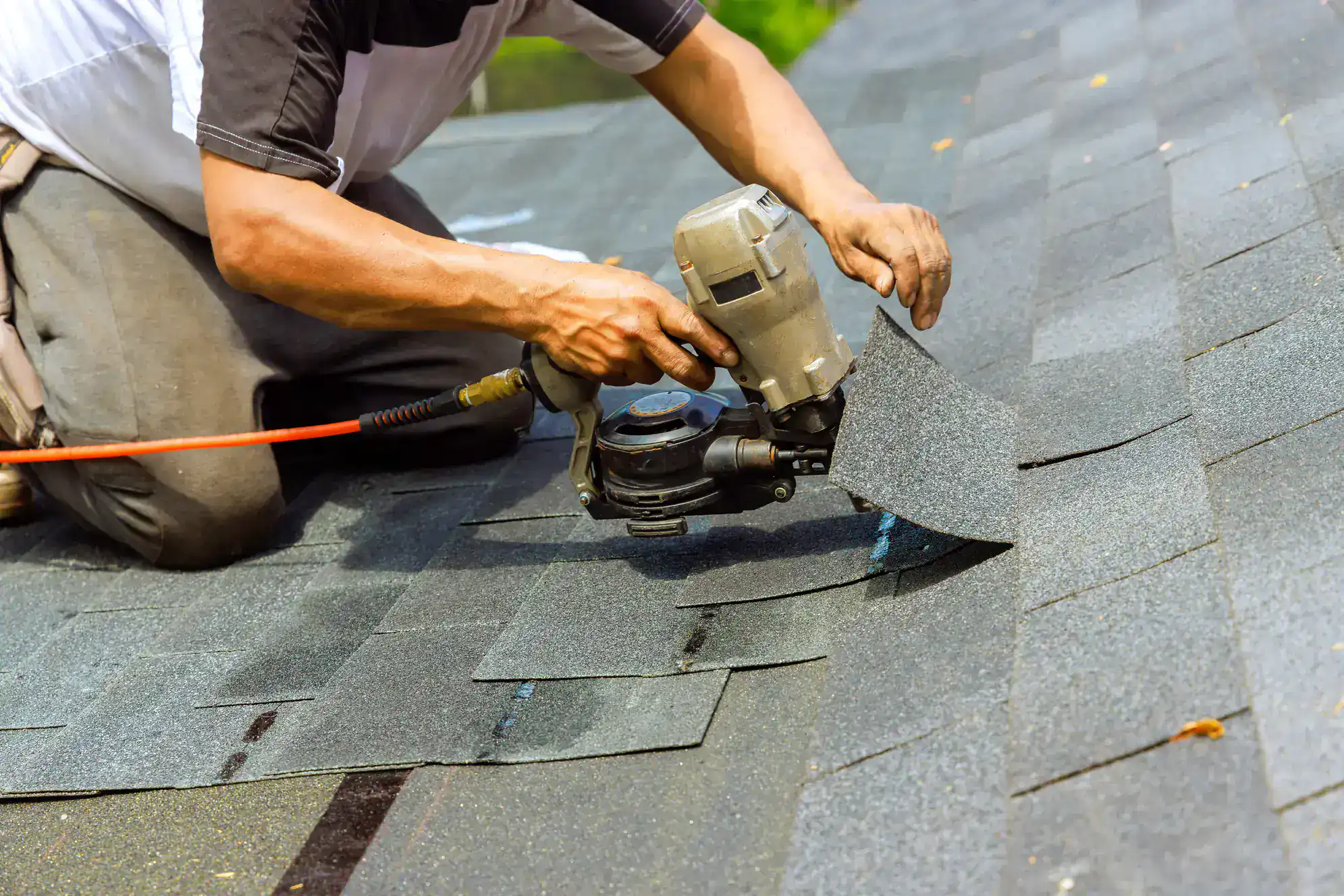
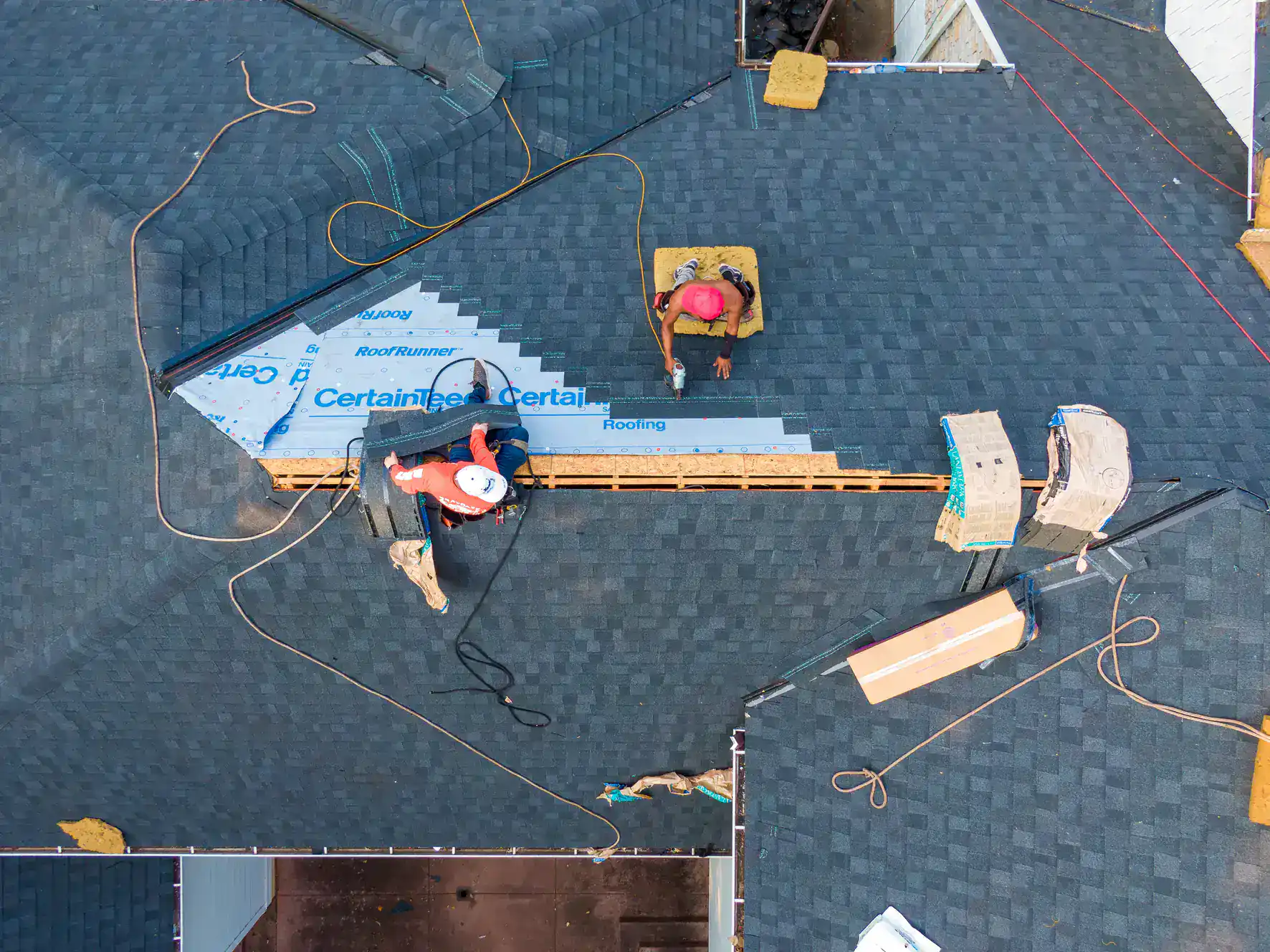
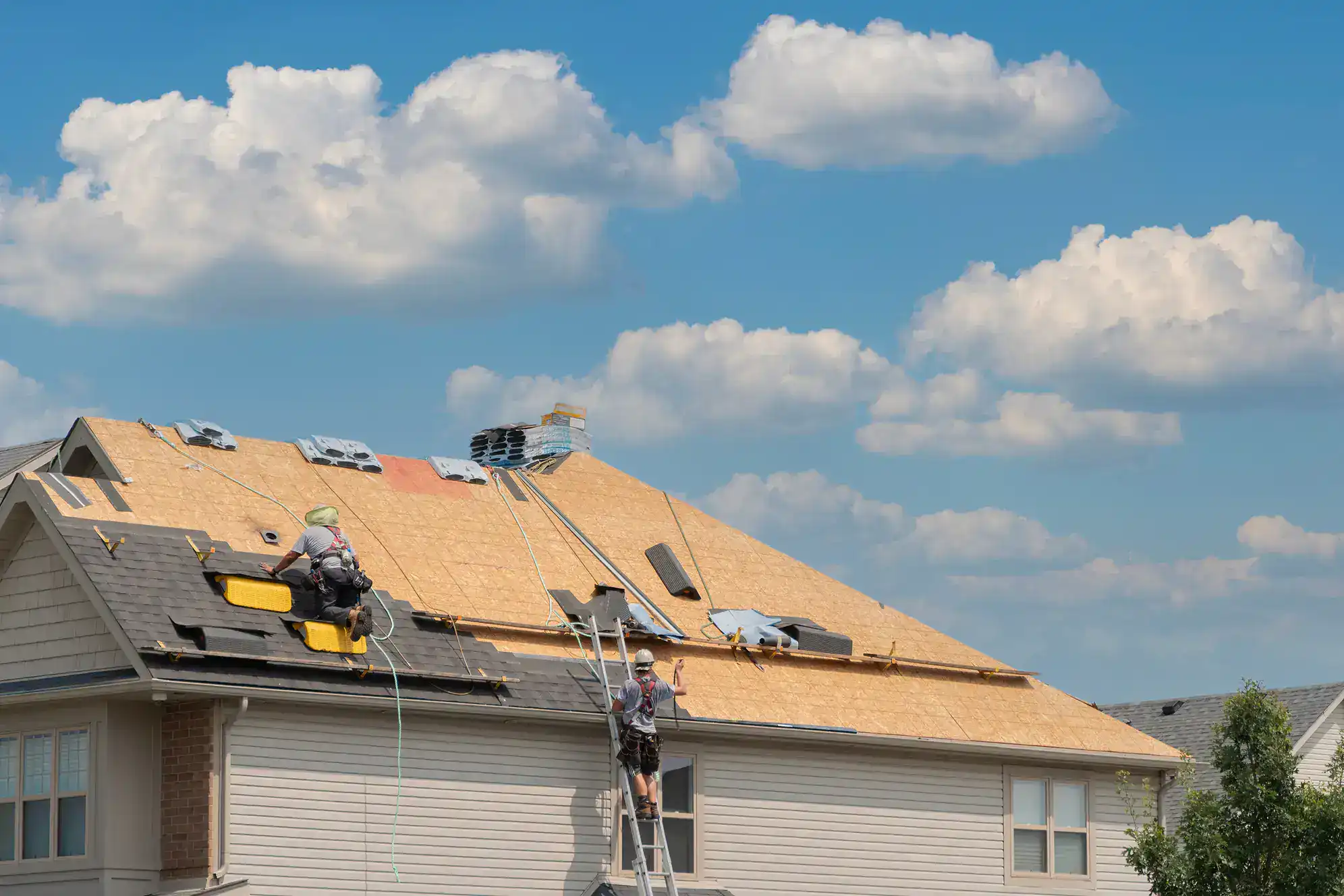
Most residential roof replacements are completed in one to two days. We do a full tear-off to inspect the decking underneath — important on homes this age, where hidden rot or soft spots aren’t uncommon. Ice and water shield goes in at the eaves and valleys, which is especially relevant in Stony Hill given the freeze-thaw exposure on elevated terrain. When the job is done, the site gets cleaned up completely, including a magnetic nail sweep of the driveway and lawn. A lot of Stony Hill residents commute via I-78 or the Raritan Valley Line and aren’t home during the day — the expectation is that you come home to a finished roof, not a construction site.
Ready to get started?
Storm Damage Roof Replacement in Stony Hill NJ
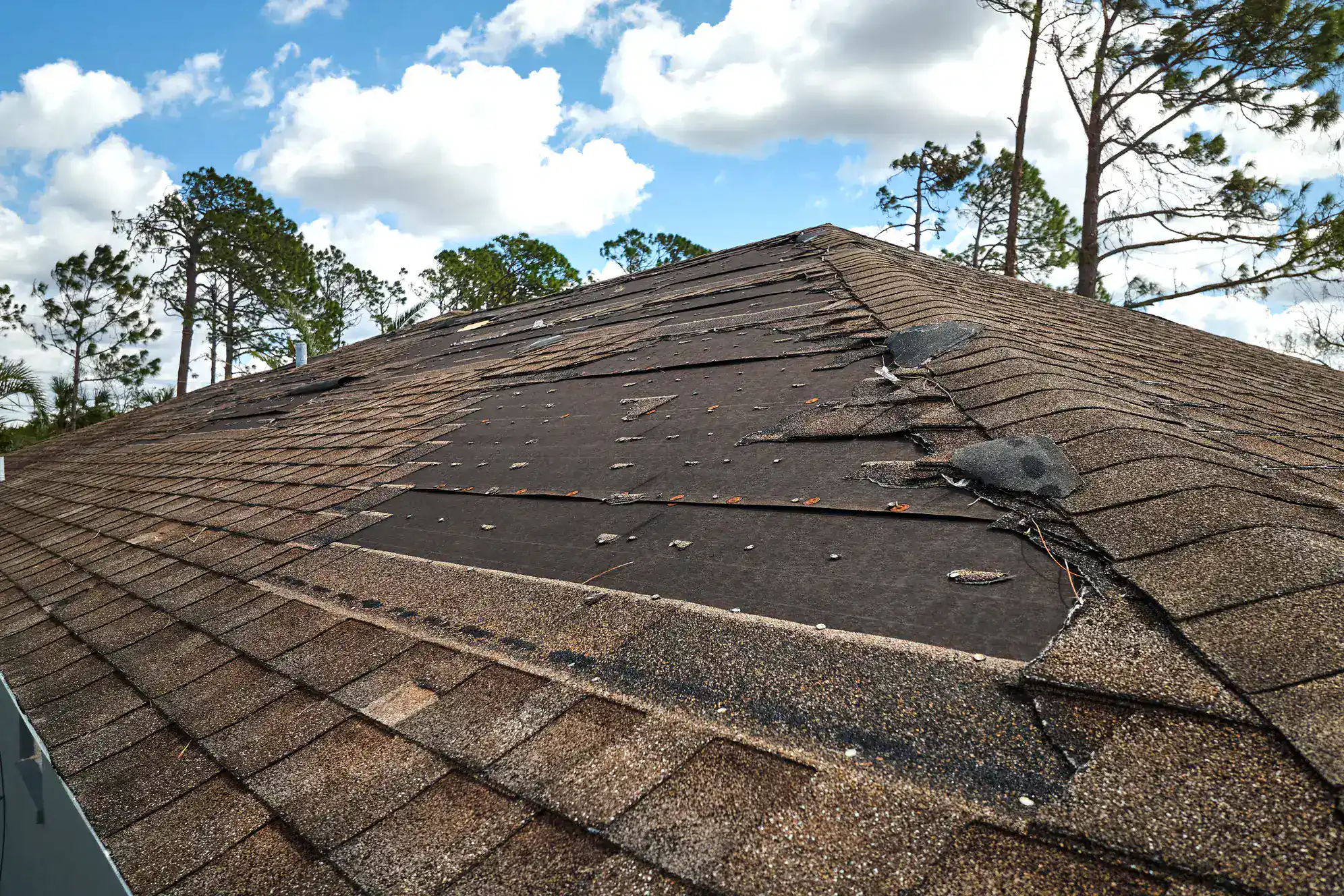
Residential roof replacement in Stony Hill covers the full scope — asphalt shingle replacement, full tear-off and decking inspection, proper ventilation assessment, flashing replacement around chimneys and skylights, and ice and water shield installation at all vulnerable edges. The colonial and ranch-style homes that define this neighborhood have specific requirements that newer construction doesn’t. Steeper pitches, complex valley configurations, and aging attic ventilation systems all factor into how the job gets done. This isn’t a one-size approach.
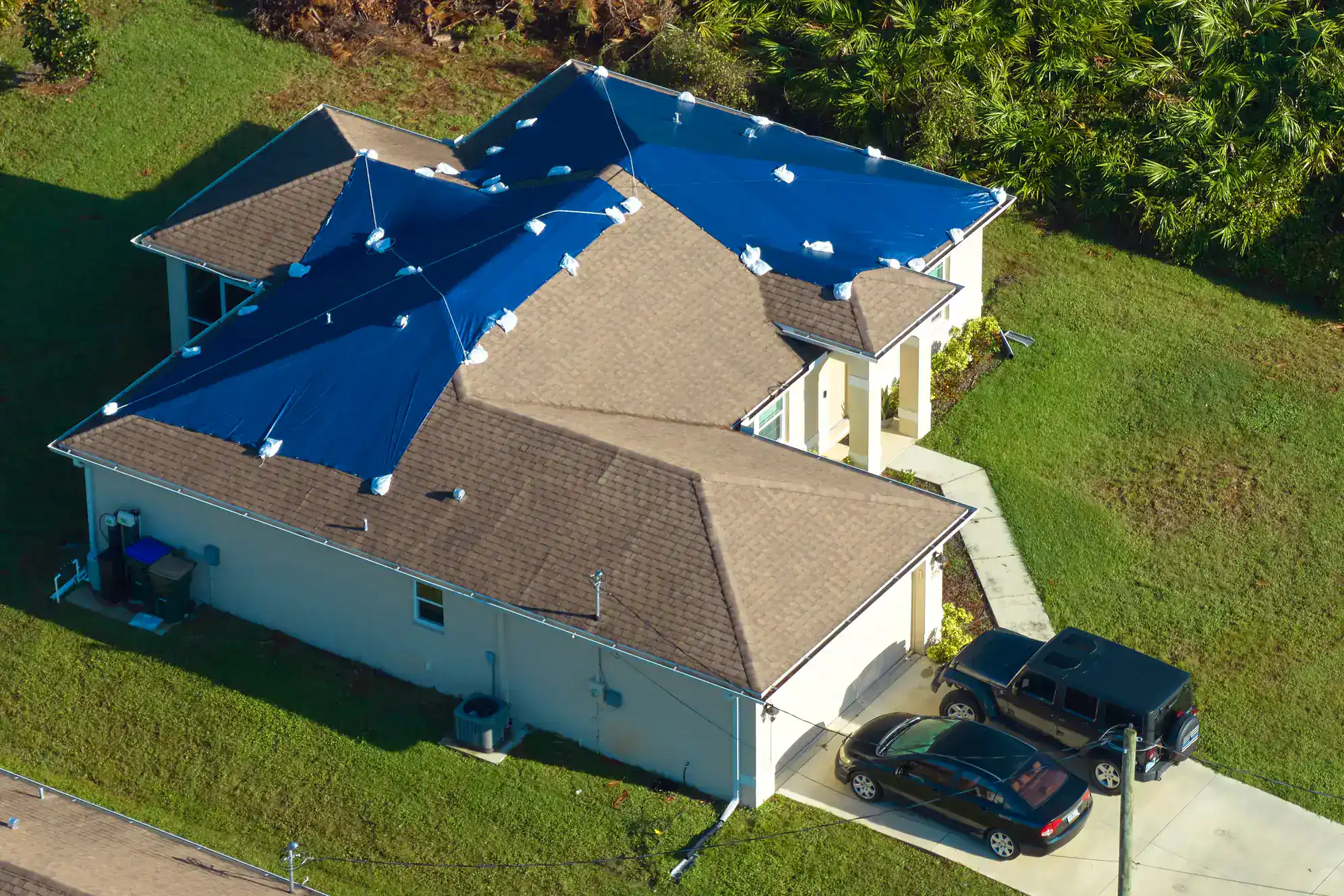
Storm damage roof replacement is a meaningful part of the work here. Berkeley Heights has a documented history of severe weather — including a confirmed EF-0 tornado that touched down on Garfield Street and traveled nearly five miles through the township with 85 mph winds. Nor’easters, hail events, and high-wind storms are recurring, and the elevated terrain near the Watchung Reservation amplifies their impact on hillside homes. When storm damage is involved, the process includes thorough documentation of all affected areas to support your insurance claim. We work directly with adjusters, make sure nothing gets missed, and help you get the full claim you’re entitled to — that’s part of the job, not an upsell.
We also handle commercial roof replacement in Stony Hill and the broader Berkeley Heights area for flat and low-slope systems, including TPO and EPDM. The same licensed crew, the same permit process, the same written estimates. Whether it’s a residential replacement on a mid-century colonial near the Watchung Reservation or a commercial flat roof in the surrounding Union County corridor, our standard doesn’t change.
Does roof replacement in Stony Hill, NJ require a building permit?
Yes — and it’s not optional. Berkeley Heights Township’s Building Department requires a construction permit for roof replacements, and the process involves both zoning review and building department approval before any work can begin. The township enforces the New Jersey Uniform Construction Code through a team of licensed inspectors, and the finished work has to pass inspection.
This matters for a few practical reasons. First, unpermitted roofing work can create real problems when you go to sell your home or file an insurance claim — both of which are situations where documentation of permitted work gets scrutinized. In Stony Hill, where homes regularly trade at $700,000 and above, that’s not a minor issue. Any contractor who suggests skipping the permit process to save time is creating a liability for you, not a convenience. We handle the permit application as a standard part of every job, not an add-on.
How do I know if my roof actually needs to be replaced or just repaired?
The honest answer is that it depends on what’s actually happening up there — and you usually can’t tell from the ground. Shingles that look worn from the street might have significant granule loss, cracked sealant at the flashing, or soft decking underneath that only becomes visible during a proper inspection. On the other hand, what looks like a major problem from the curb might be isolated damage that a targeted repair can address.
For homes in Stony Hill built between 1940 and 1969, the calculus often leans toward replacement rather than ongoing repair — especially if the current roof is more than 15 to 20 years old. At that age, materials are past their peak performance window, and repeated repairs start costing more than a single replacement over time. The freeze-thaw cycling that comes with Stony Hill’s elevation on the Watchung ridge also accelerates wear at the eaves and valleys, which are the areas most likely to fail first. A free inspection gives you a clear, written picture of what you’re actually dealing with before you make any decision.
What does a GAF certified roofer actually mean for my warranty coverage?
GAF is North America’s largest roofing manufacturer, and their certification program isn’t something a contractor can simply buy or display without meeting requirements. It involves verified NJ licensing, adequate insurance, demonstrated installation proficiency, and background checks. That process matters — but the more tangible benefit for you is what it unlocks in terms of warranty coverage.
GAF’s enhanced system warranties — including the System Plus and Golden Pledge tiers — cover both the materials and the workmanship together in a single written warranty. A non-certified installer cannot offer these warranty levels, regardless of what they tell you. For a homeowner in Stony Hill investing in a roof replacement on a property worth $700,000 or more, the difference between a standard manufacturer’s warranty and a full system warranty that covers labor and materials is significant. If something fails, you want one clear path to resolution — not a situation where the manufacturer points at the installer and the installer points back. GAF certification closes that gap.
How does storm damage affect my roof replacement options and insurance coverage?
When a storm causes damage, your first step is documentation — and it needs to be thorough. Insurance adjusters work from what’s in front of them, and if damage isn’t properly identified and recorded, it often doesn’t make it into the claim. That’s where having a contractor who understands the insurance process makes a real difference. Berkeley Heights has experienced documented severe weather events, including a confirmed tornado and multiple nor’easters that have required municipal emergency response and FEMA involvement. Roof damage from these events is not hypothetical — it’s a recurring reality for homes in Stony Hill.
When storm damage is involved, the inspection process goes deeper than a standard assessment. Every affected area gets documented with photos and written notes in a format that supports your claim. The goal is to make sure your adjuster has a complete picture, not just the obvious damage. Approximately 40 percent of roof replacements in storm-prone NJ markets are at least partially covered by homeowner’s insurance — but only when the damage is properly documented and the claim is filed correctly. We work alongside homeowners through that process from start to finish.
What roofing materials work best for homes near the Watchung Mountain ridge?
For most residential roofs in Stony Hill, architectural asphalt shingles are the practical and cost-effective choice — but the specific product and installation details matter more than the material category. Homes on elevated terrain near the Watchung ridge deal with stronger wind exposure than flat-terrain communities, which means wind resistance ratings and proper fastening patterns are worth paying attention to. GAF’s higher-tier shingle lines carry Class 4 impact resistance and enhanced wind ratings that are genuinely relevant here, not just marketing language.
Ice and water shield installation at the eaves and valleys is non-negotiable for Stony Hill homes. The freeze-thaw cycling that comes with the elevation creates real ice dam risk on north-facing slopes and in shaded areas under the heavy tree canopy common throughout the neighborhood. Ice dams form when snowmelt refreezes at the eave edge and backs water up under the shingles — the damage happens from the inside out and often isn’t visible until it’s already significant. Proper underlayment at vulnerable edges is the preventive step that makes the difference between a roof that holds up through a hard NJ winter and one that doesn’t.
How long does a roof replacement take in Stony Hill, NJ, and what should I expect?
Most residential roof replacements in Stony Hill are completed in one to two days, depending on the size and complexity of the roof. A straightforward single-story ranch takes less time than a multi-gabled colonial with multiple chimney penetrations and steep pitch sections — both of which are common in the mid-century housing stock throughout the area. You’ll get a clear timeline before the job is scheduled, not a vague estimate that shifts once the crew shows up.
What the process actually looks like: the existing roofing material gets fully removed so the decking can be inspected. On homes this age, it’s not uncommon to find areas of soft or damaged decking that need to be addressed before new shingles go down — that’s caught and handled on the same visit, not flagged as a surprise charge after the fact. Once the decking is confirmed solid, underlayment and ice and water shield go in, followed by the new shingles, flashing, and ridge cap. Cleanup at the end includes a magnetic nail sweep of the driveway and surrounding lawn areas. Since many Stony Hill residents are away during the day commuting into Newark or New York, the expectation is simple: you leave in the morning, you come home to a finished roof and a clean property.
Other Services we provide in Stony Hill