
Roof Inspection in Free Acres, NJ
Catch Small Problems Before They Cost Thousands
Hear from Our Customers
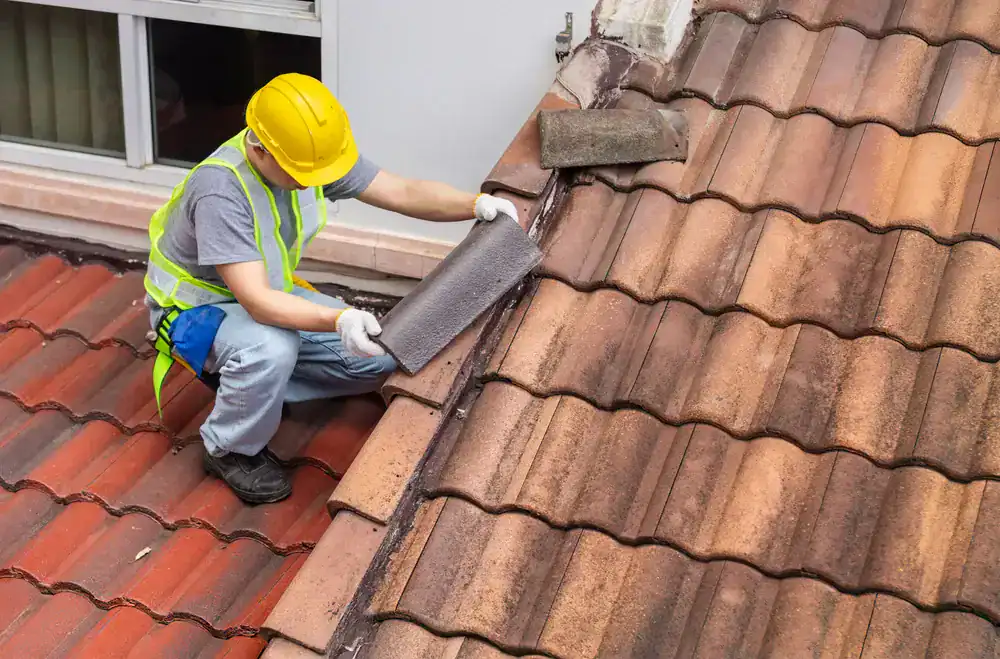
Professional Roof Inspection Services
You’re not looking at your roof every day. Most people don’t notice anything until water stains appear on the ceiling or a chunk of shingle lands in the yard after a storm.
By then, the damage has already spread. Water doesn’t announce itself—it moves quietly through underlayment, into insulation, across wood framing. What started as a lifted shingle or cracked flashing becomes rotted plywood, mold in the attic, and a repair bill that makes you wince.
A professional roof inspection catches those issues while they’re still small. Loose flashing gets resealed. Missing granules get documented. You get a clear picture of what needs attention now versus what can wait. No surprises, no panic calls during the next rainstorm, and no wondering if that dark spot on the ceiling means you’re about to spend your vacation fund on emergency roof repair.
Roofing Contractor in Free Acres, NJ
We’ve spent ten years working on roofs across Free Acres and the surrounding area. We’re licensed contractors with certifications from major shingle manufacturers, and we’ve seen what New Jersey weather does to roofs—freezing winters, humid summers, storms that roll through without warning.
Free Acres has a history of solid construction. Skilled craftsmen built homes here that have lasted decades, and those homes deserve the same level of care now. We approach every inspection the same way: thorough, transparent, and focused on what actually matters to you.
We don’t work off scripts or push services you don’t need. You get a clear assessment, honest answers, and a plan that makes sense for your situation and timeline.

Our Roof Inspection Process
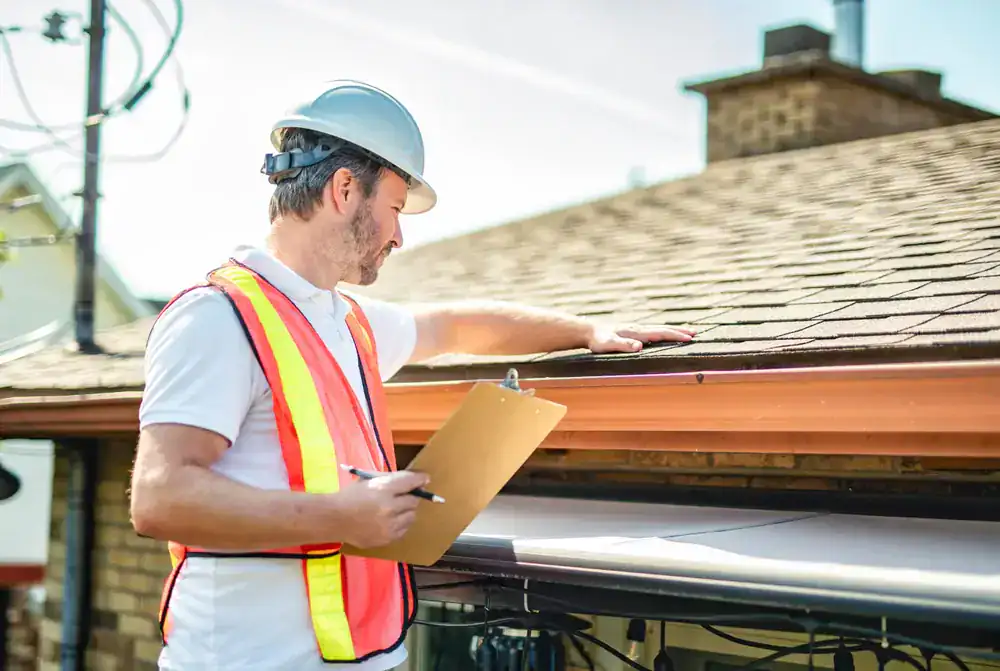
We start with a visual inspection from the ground to identify any obvious issues—missing shingles, sagging areas, debris buildup. Then we get on the roof to examine everything up close: shingles, flashing, valleys, vents, chimneys, and any penetrations where leaks typically start.
We check for granule loss, cracking, curling, and signs of moisture damage. We look at your attic ventilation because poor airflow causes premature aging. We inspect flashing around chimneys and skylights since that’s where most leaks begin. We document everything with photos.
After the inspection, you get a straightforward explanation of what we found. If there’s damage, we’ll tell you how urgent it is and what it’ll take to fix it. If your roof is fine, we’ll tell you that too. You’ll know exactly where you stand, what your options are, and what timeline makes sense. No pressure, no upselling—just the information you need to make a smart decision about your home.
Ready to get started?
Roof Inspection for Free Acres Homes
New Jersey gets hit hard. From 1980 to 2024, the state experienced 75 weather disasters with losses over $1 billion each—32 severe storms, 13 tropical cyclones, 18 winter storms. Free Acres sits right in the middle of that weather pattern, and your roof takes the beating.
Our inspection gives you a complete assessment of how your roof is holding up. We’re looking at shingle condition, checking for wind damage from recent storms, examining flashing that might have loosened during freeze-thaw cycles, and identifying any areas where water could get in. We’re also checking your ventilation system because inadequate airflow leads to heat buildup that shortens your roof’s lifespan.
This matters for insurance claims too. If a storm damages your roof, insurance companies will look for pre-existing issues to deny coverage. A documented inspection before storm season shows your roof’s condition and protects you if you need to file a claim later. You get a detailed report, photos, and a clear explanation of what needs attention. Whether you’re dealing with an aging roof, preparing for storm season, or just want to know where you stand, you’ll have the information you need.

How often should I get a professional roof inspection in Free Acres?
Most roofs in New Jersey should be inspected at least once a year, ideally in spring or early fall before storm season hits. If your roof is over 15 years old, twice a year makes more sense because you’re closer to the end of its lifespan and small issues develop faster.
You should also schedule an inspection after any major storm—high winds, heavy snow load, or hail. Even if you don’t see visible damage from the ground, storms can lift shingles, crack flashing, or loosen fasteners in ways that aren’t obvious until water starts coming in.
If you’re buying or selling a home, an inspection gives you documentation of the roof’s condition. That protects you as a buyer from inheriting someone else’s deferred maintenance, and it protects you as a seller from disputes after closing.
What's the difference between a free inspection and a paid inspection?
A free roof inspection covers everything you need to understand your roof’s condition—we examine shingles, flashing, ventilation, and potential problem areas, then give you a detailed report with photos and recommendations. It’s comprehensive and thorough.
The main difference is scope and documentation detail. Free inspections are designed for homeowners who want to know if they have issues and what repairs might cost. If you need an inspection for insurance purposes, a home sale, or a warranty claim, you might need a more formal report with specific documentation standards, which some situations require.
Either way, you’re getting an honest assessment from licensed contractors who’ve been doing this for a decade. We’re not using “free” as bait to upsell you—we’re using it to remove the barrier that keeps people from finding out what’s actually happening with their roof before it becomes an emergency.
Can a roof inspection help me with an insurance claim?
Yes, and it’s one of the smartest things you can do before storm season. Insurance companies will deny claims if they determine damage was caused by pre-existing issues rather than the storm itself. A documented inspection before the storm proves your roof’s condition and protects your claim.
After storm damage, an inspection provides professional documentation of what the storm actually did—photos, detailed notes, and an expert assessment that supports your claim. Insurance adjusters respect documentation from licensed contractors, and it’s harder for them to lowball you when you have clear evidence.
We’ve worked with plenty of homeowners through the claims process. We know what insurance companies look for, we document everything properly, and we can provide the kind of detailed reporting that keeps your claim moving forward instead of getting stuck in disputes about what’s storm damage versus normal wear.
What are the most common problems you find during roof inspections in Free Acres?
Wind damage tops the list—lifted or missing shingles, especially after storms. New Jersey gets serious wind events, and older roofs with brittle shingles don’t hold up as well. We also see a lot of flashing issues around chimneys, skylights, and roof valleys where water naturally concentrates.
Ventilation problems are common too. Poor attic ventilation causes heat buildup that ages your roof faster and drives up cooling costs in summer. Many older homes in Free Acres weren’t built with adequate ventilation by today’s standards, and it shows in premature shingle deterioration.
We find hidden water damage more often than people expect—spots where a small leak has been active for months or years without obvious interior signs. By the time you see a ceiling stain, there’s usually significant damage to underlayment and decking. That’s why regular inspections matter. Catching a compromised seal or cracked flashing early means a simple repair instead of a major project.
How long does a roof inspection take?
Most residential roof inspections take 45 minutes to an hour, depending on your roof’s size, pitch, and complexity. A simple ranch with easy access goes faster than a two-story home with multiple valleys, chimneys, and skylights.
We’re not rushing through it. We’re checking every section of your roof, examining flashing details, looking at ventilation, and documenting anything that needs attention. If we find issues, we’ll take time to show you photos and explain what’s happening and why it matters.
After the physical inspection, we’ll walk you through what we found, answer your questions, and give you a clear picture of next steps if repairs are needed. You’re not waiting days for a report—you get answers the same day. The whole process is designed to be straightforward and respectful of your time while still being thorough enough to catch problems before they get expensive.
What happens if you find damage during the inspection?
We’ll show you exactly what’s wrong, explain why it’s a problem, and tell you how urgent it is. Some issues need immediate attention—active leaks, large sections of missing shingles, compromised flashing that’s letting water in. Other issues can be monitored and addressed during your next planned maintenance.
You’ll get a clear estimate for any repairs we recommend. We break down what needs to happen, what it costs, and what timeline makes sense. If it’s something minor, we can often handle it quickly. If it’s more extensive, we’ll give you options and help you prioritize based on your budget and the risk of waiting.
We’re not going to pressure you into emergency repairs that aren’t actually emergencies, and we’re not going to tell you your roof is fine if it’s not. You get honest information and the freedom to make the decision that works for your situation. If you want a second opinion, that’s fine. If you want to move forward, we’ll schedule the work and handle it the same way we handled the inspection—professionally, transparently, and focused on doing it right.
Other Services we provide in Free Acres