
Professional Siding Installation in Springfield, NJ
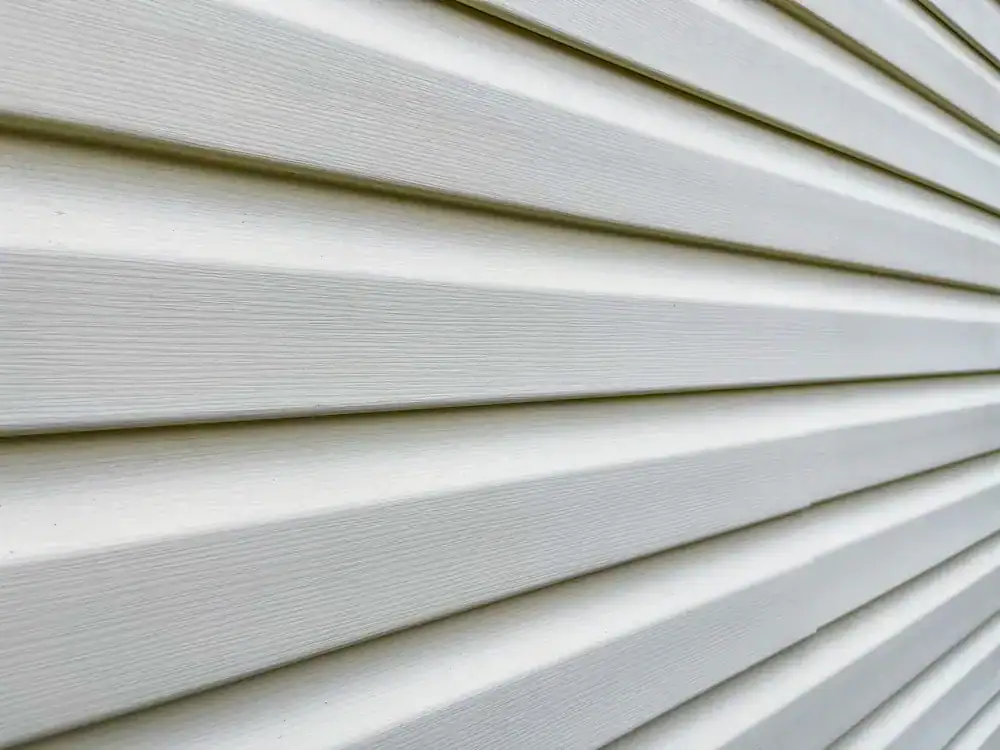
Durable Siding for Springfield Homes
Hear from Our Customers
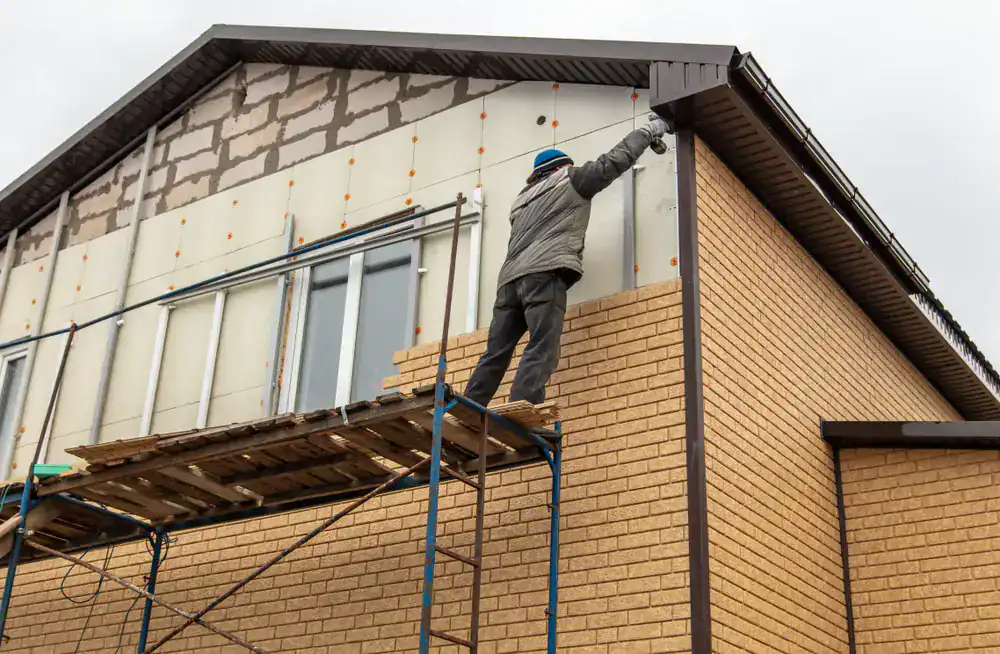
Transform Your Springfield Home's Exterior
New siding significantly boosts your home’s curb appeal while providing essential protection against the elements. In Springfield’s competitive housing market, a well-maintained exterior can be a financial asset.
Springfield’s unique geography exposes homes to harsh weather conditions. Older siding may not withstand this environment, leading to potential moisture issues. Our expert installation provides a robust defense against these challenges, ensuring long-lasting performance.
Proper installation is crucial. We use advanced techniques and quality materials to deliver siding that lasts. Our expertise ensures your home withstands Springfield’s climate, providing peace of mind and increased property value.
Springfield's Trusted Siding Experts
USA Home Remodeling has been serving the Springfield community for nearly a decade. As a family-owned business, we prioritize accountability and quality, with the same team handling your project from start to finish.
We specialize in Springfield’s mid-century homes, navigating local regulations with ease. Our commitment to quality and community reputation is unmatched, ensuring your satisfaction with every project.
Our credentials include necessary licenses and certifications, giving you confidence in our services. We’re dedicated to improving Springfield homes with reliable, high-quality siding solutions tailored to your needs.

Efficient Siding Installation Process
Our process starts with a free, comprehensive inspection to assess your siding needs. We provide honest evaluations, whether you need a full replacement or minor repairs.
You’ll receive a detailed, written estimate, ensuring transparency and no surprises. We handle all necessary permits under New Jersey’s construction codes, streamlining the process for you.
Our skilled crew performs the installation with precision, adhering to manufacturer specifications. We ensure your site is left clean and provide a thorough walkthrough to explain the work completed, ensuring your satisfaction.

Ready to get started?
Tailored Siding Solutions for Springfield Homes
Springfield’s diverse housing styles require tailored siding solutions. Vinyl siding is ideal for mid-century homes, offering durability and low maintenance. For older properties, fiber cement provides a premium, long-lasting finish.
Choosing the right material is important, but installation quality is crucial. Our certified team ensures compliance with manufacturer standards, maximizing your investment’s warranty protection.
Our comprehensive service includes all necessary components, like soffit and fascia, ensuring a complete, moisture-resistant installation. We prioritize details, preventing common issues and ensuring your siding’s longevity.

Do I need a permit for siding installation in Springfield, NJ?
Yes, a permit is required for siding installation in Springfield under the New Jersey Uniform Construction Code. The process is straightforward and typically takes about a week. It’s crucial to ensure all work is permitted, especially if you plan to sell your home, as buyers will require documentation.
USA Home Remodeling handles the permit process as a standard part of our service, ensuring compliance and peace of mind. Avoid contractors suggesting to bypass permits, as this can lead to complications later.
How much does siding installation typically cost in Springfield, NJ?
For Springfield homes, siding installation costs typically range from $10,000 to $20,000, depending on factors like home size and material choice. Vinyl is generally more affordable, while fiber cement options may cost more.
It’s important to understand what’s included in your estimate. Some contractors may exclude essential items like housewrap or flashing. We provide detailed estimates, ensuring transparency and no hidden costs.
How do I know if I need siding repair or a full replacement?
Determining if you need repair or replacement depends on the extent of damage. Minor issues like a few cracked panels can often be repaired. However, widespread issues like fading or moisture damage typically require full replacement.
Springfield’s older homes may need replacement due to age. A free inspection can provide clarity. We offer these inspections at no cost, giving you a clear understanding of your siding’s condition.
What siding material holds up best against New Jersey winters?
Both vinyl and fiber cement siding perform well in New Jersey’s climate. Vinyl is flexible and can handle freeze-thaw cycles, while fiber cement offers impact resistance, important during nor’easters.
Installation quality is key. Proper housewrap and flashing are essential for moisture protection. Springfield’s location increases wind exposure, making professional installation critical for durability.
Will new siding actually increase my home's value in Springfield?
Yes, new siding can increase your home’s value in Springfield’s competitive market. Well-maintained exteriors attract buyers and can lead to faster sales at higher prices.
Siding replacement is a high-ROI investment. While you may not recoup every dollar, the enhanced curb appeal and reduced negotiation points make it worthwhile. For those planning to sell, it’s a sound investment.
How do I find a reliable siding contractor in Springfield, NJ?
Start by verifying the contractor’s NJ Home Improvement Contractor registration. Check for liability insurance and workers’ compensation coverage to protect yourself.
Review local testimonials for insight into their reputation. Ask for detailed estimates to understand what’s included. USA Home Remodeling provides clear, itemized estimates and has a strong local reputation, ensuring reliable service.
Other Services we provide in Springfield