
Siding Installation in Free Acres, NJ
When Your Siding Has Outlasted the Trees That Shade It
Hear from Our Customers
Residential Siding Contractors in Free Acres, NJ
Free Acres isn’t a standard suburb, and your siding situation isn’t either. The tree canopy that makes this community worth living in also keeps your exterior damp, shaded, and under constant pressure from falling debris, moisture retention, and freeze-thaw cycles that hit harder at the base of the Watchung ridge. Siding that looked fine last spring can be harboring mold, soft spots, or cracked panels by the time winter is done with it.
When the installation is done right, you stop chasing those problems. New siding with a properly installed moisture barrier means water isn’t sneaking behind panels and rotting out the sheathing underneath. For homes in Free Acres — many built between the 1940s and 1960s — that substrate condition is often the bigger issue, and it only gets caught when someone actually looks before they start installing.
Beyond the structural side, new siding changes what your home looks like standing in a community where the architectural character matters. Free Acres residents chose this place deliberately. The right material and color choice fits the wooded, historic character of the neighborhood — and if you’re going through the Free Acres Association’s architectural review process, that compatibility matters practically, not just aesthetically.
Local Siding Company Serving Free Acres, NJ
We’ve been doing exterior work in Union County and the surrounding region for close to ten years. That’s not a long time in some industries, but in NJ contracting, it means something. It means we’ve been through enough projects — on enough older homes, in enough wooded neighborhoods like Free Acres — to know what actually goes wrong and how to prevent it.
Free Acres sits across the Berkeley Heights and Watchung border, which means permits, inspections, and community review can involve two different municipalities depending on where your home falls. We know how that works. We’ve navigated it before, and we don’t treat it like a surprise.
We’re a family-run operation, which means the people accountable for your project are the same people you talk to when you call. No layers, no handoffs to a crew you’ve never met. Just straightforward work, written estimates, and a finished product you can stand behind — in a community where your neighbors are absolutely going to notice.

Siding Contractors in Free Acres, NJ — The Process
It starts with a free inspection. Before we talk numbers or materials, we look at what’s actually on your home — the existing siding condition, what’s underneath it, whether the moisture barrier is still doing its job. For older Free Acres homes, this step isn’t optional. It’s where we find out whether you need a straightforward replacement or whether there’s substrate damage that needs to be addressed first.
From there, you get a written estimate that breaks down exactly what’s included — materials, labor, removal of the old siding, moisture barrier installation, cleanup, and permit costs. Because Free Acres properties may fall under Berkeley Heights Township or Watchung Borough jurisdiction, we confirm which permits apply to your specific address before anything gets scheduled. If your project also requires review through the Free Acres Association, we factor that timeline in so there are no delays once work begins.
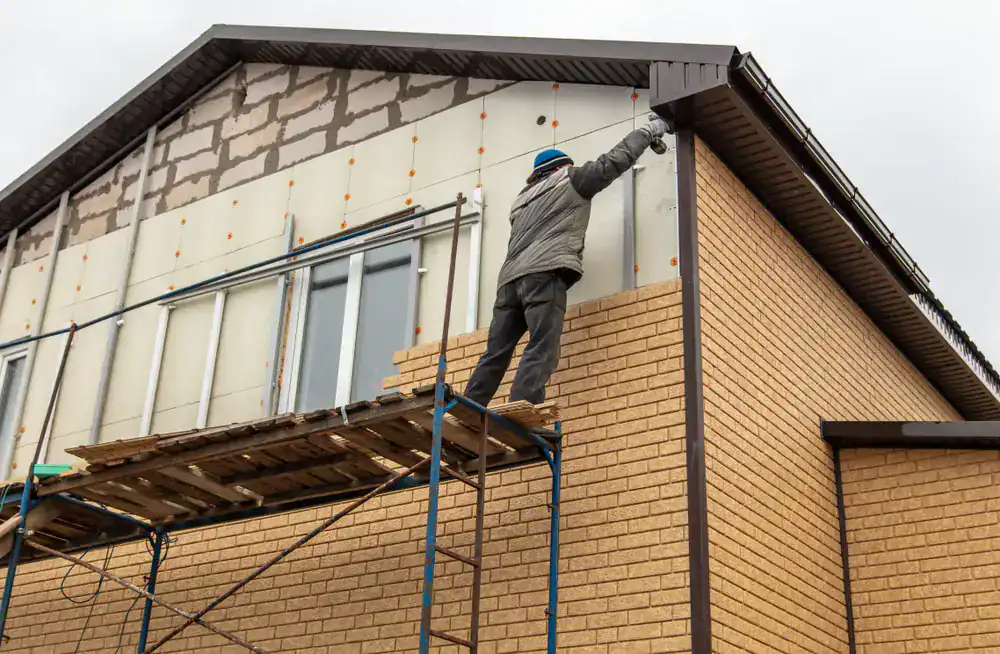
Installation day is straightforward. The crew arrives, protects your landscaping — which matters more in a wooded setting like Free Acres than in a typical open subdivision — and works through the project cleanly. When we leave, the site is clean, the work is inspected, and you have documentation of what was installed and what warranties apply.

Ready to get started?
Vinyl Siding Contractors in Free Acres, NJ
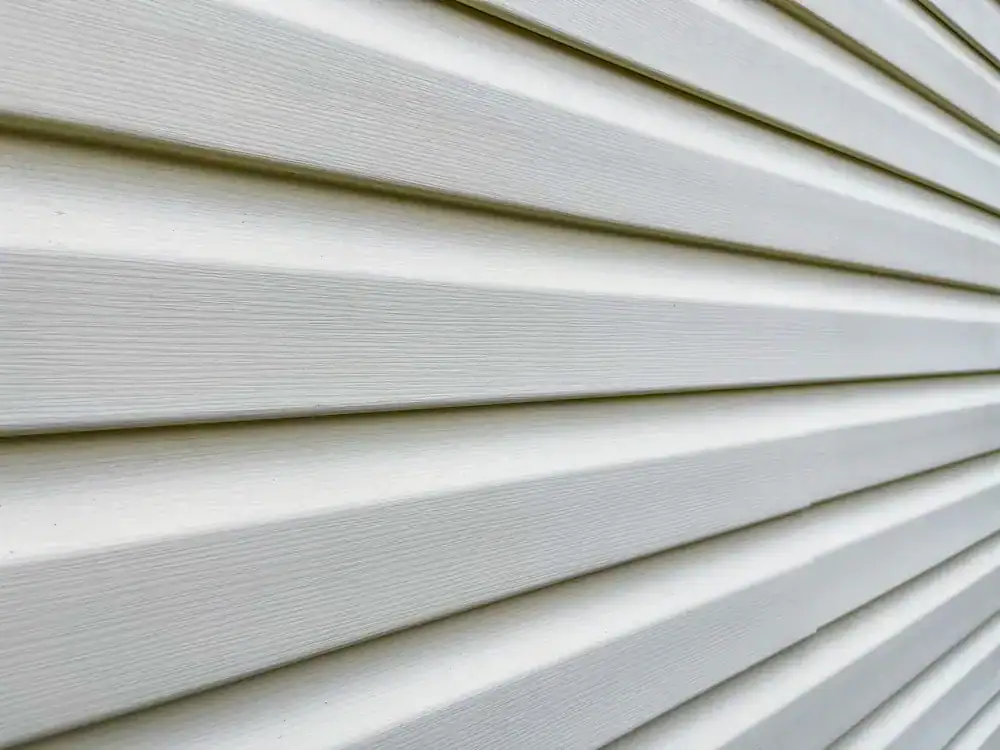
Not every siding material makes sense for every home, and in Free Acres, the environment narrows the field further. Vinyl siding remains the most common choice — it’s low maintenance, moisture-resistant, and available in profiles that complement older architectural styles without looking like a tract home makeover. For homes closer to the wooded interior of Free Acres, insulated vinyl adds a layer of thermal performance that older walls with minimal insulation genuinely benefit from.
Fiber cement is worth considering if you want something that holds paint longer, handles physical impact better, and reads more like painted wood — which tends to align well with the character of Free Acres homes and the aesthetic expectations of the Association’s review process. It’s a heavier material that requires more precise installation, but the durability in a moisture-heavy, shaded environment is real.
Whatever material fits your home, the installation fundamentals don’t change: proper flashing at every penetration, a continuous moisture barrier, correct fastening for thermal movement, and clean transitions at windows, doors, and rooflines. These are the details that separate a siding job that lasts twenty-five years from one that starts showing problems in five. As licensed residential siding contractors serving Free Acres, NJ, we don’t skip them — and your written estimate will show you exactly what’s included before you commit to anything.

Does siding replacement in Free Acres, NJ require Association approval before starting?
Yes — and this is one of the most important things to get right before scheduling any exterior work in Free Acres. The Free Acres Association reviews and must approve architectural changes to homes, including exterior modifications like full siding replacement. This is separate from any building permit required by Berkeley Heights Township or Watchung Borough, depending on which side of the community boundary your home sits on.
If you start work without Association approval, you’re creating a real problem for yourself — not just a procedural one. The Association has the authority to require changes, and material or color choices that don’t align with community standards may need to be redone. The smarter move is to bring your material and color selections to the review process before work begins. We build that timeline into the project schedule so it doesn’t become a delay once installation is ready to start.
How do I know if my siding needs full replacement or just repairs?
The honest answer is that you usually can’t tell from the outside alone — and in Free Acres, the wooded environment makes it harder. Persistent shade and moisture mean that damage often develops behind the panels before it’s visible on the surface. Soft spots in the wall, paint that keeps peeling at the same locations, or siding that feels loose when you press on it are signs that something is going on underneath, not just on the face of the panels.
A free inspection gives you a real answer. We look at the condition of the existing siding, check for moisture intrusion behind it, and assess the substrate. If targeted repairs will solve the problem, we’ll tell you that — replacing siding that doesn’t need replacing isn’t in anyone’s interest. But if the moisture barrier is compromised or the sheathing has taken on water damage, repairs on top of that won’t hold. You’ll end up spending twice. The inspection is the only way to know which situation you’re actually in.
What siding material works best for shaded, wooded homes in Free Acres?
Shade and moisture are the two conditions that matter most for material selection in Free Acres, and they push in the same direction: you want something that doesn’t absorb water, resists mold and algae growth, and doesn’t require repainting every few years. Vinyl siding handles all of that well and is the most common choice for that reason. In a heavily shaded environment like Free Acres, algae staining on lighter-colored vinyl can develop over time, but it washes off without damaging the material — it’s a maintenance issue, not a structural one.
Fiber cement performs well in moisture-heavy environments too, but it does need to be painted, and paint maintenance in a shaded, damp setting is a real consideration. The upside is that fiber cement handles physical impact better — falling branches and debris are a more frequent reality in Free Acres than in open suburban neighborhoods. If your home has an older architectural profile and you want something that reads more like painted wood, fiber cement tends to align better with the community’s aesthetic character and is often a stronger fit for the Association’s review process.
How long does siding installation typically take on a Free Acres home?
For most single-family homes, the physical installation takes anywhere from two to five days depending on the size of the home, the material chosen, and what’s found once the old siding comes off. Fiber cement takes longer to install than vinyl because of its weight and the precision required at cuts and transitions. If substrate repairs are needed — which is more common in older Free Acres homes built in the 1940s through 1960s — that adds time before the new siding goes on.
What affects the overall project timeline more than installation speed is the front-end process. Pulling permits through Berkeley Heights or Watchung, depending on your address, adds lead time. If your project also goes through the Free Acres Association’s architectural review, that needs to happen before work begins. We account for all of that when we give you a project schedule, so the start date we commit to reflects the full picture — not just how long the crew will be on site.
What does siding installation cost for a home in Free Acres, NJ?
Siding replacement in New Jersey typically ranges from $8,000 to $20,000 or more for a full single-family home, depending on the size of the home, the material selected, and what’s found during installation. Vinyl siding sits at the lower end of that range; fiber cement runs higher because of material cost and installation complexity. Insulated vinyl falls somewhere in between and adds energy performance that older homes in Free Acres — many of which have minimal wall insulation — can genuinely benefit from.
What affects cost in Free Acres specifically is the age of the housing stock. Homes built in the 1940s through 1960s are more likely to have substrate issues that need to be addressed before new siding goes on. That’s not a reason to avoid the project — it’s a reason to get a thorough inspection first so the estimate reflects what the job actually requires. Our written estimates break down every line item before you commit, so there are no surprises when the invoice arrives.
My home is on the Watchung side of Free Acres — does that change the permit process?
It does, and it’s worth confirming before any work starts. Free Acres straddles the border of Berkeley Heights Township in Union County and Watchung Borough in Somerset County. If your home falls on the Watchung side of that line, your building permit is issued through Watchung Borough’s construction office rather than Berkeley Heights Township. Both municipalities operate under New Jersey’s Uniform Construction Code, so the standards are the same — but the administrative process, fees, and inspection contacts are different.
This is something a lot of contractors miss when they treat Free Acres as just another Berkeley Heights address. We confirm which municipality your specific property falls under before we pull any permits, so the process runs correctly from the start. It’s a small detail that prevents real delays, and it’s the kind of thing that comes from actually knowing the area rather than just knowing the ZIP code.
Other Services we provide in Free Acres