
Roof Repair in Leonia, NJ
Leonia's Older Homes Deserve More Than a Quick Patch
Hear from Our Customers
Bergen County Roof Leak Repair
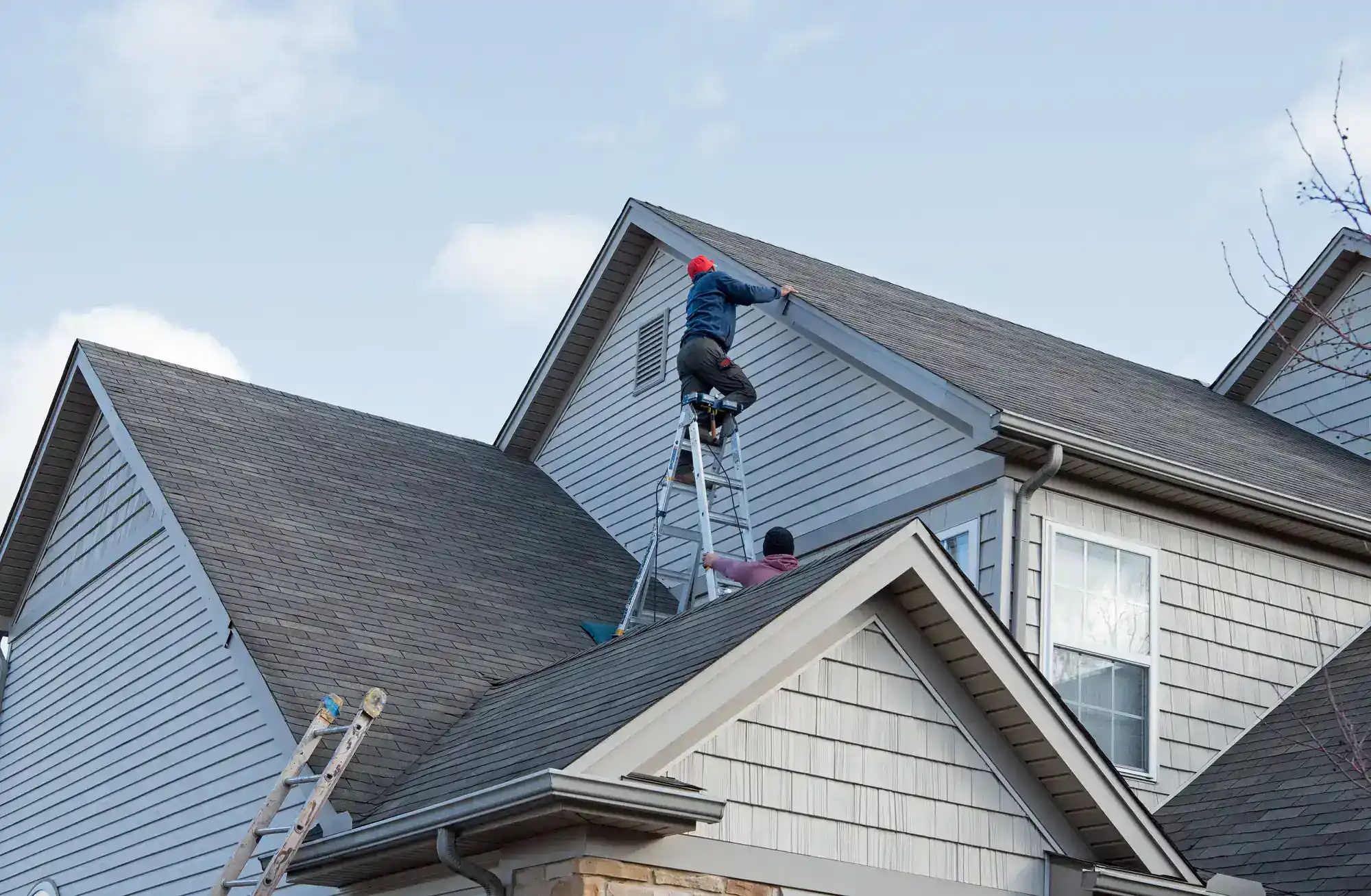
Leonia’s tree canopy is one of the things that makes this borough feel like home. But those same mature oaks and maples that shade Grand Avenue don’t care about your shingles during a summer storm. When a limb comes down or wind-driven rain finds a weak valley seam, the damage starts immediately — and it doesn’t wait for a convenient time on your commute schedule.
Most of Leonia’s housing stock was built before 1970. That means the roofs on these colonials and Cape Cods weren’t designed with today’s weather patterns in mind, and many are either approaching or well past their intended service life. A targeted repair done correctly — with the right materials, proper flashing work, and a real inspection behind it — stops the problem at the source instead of buying you another season before the next call.
When the repair is done right, you stop watching the ceiling after every rainstorm. You stop wondering whether that dark spot in the corner is getting bigger. And with a median home value around $799,000 in Leonia, protecting what’s underneath that roof is worth doing properly the first time.
Trusted Roof Repair Contractor Leonia, NJ
We’ve been working on roofs across northern New Jersey for over ten years, with deep roots in Leonia and the surrounding Bergen County communities. That’s not a marketing number — it means we’ve seen how Leonia’s homes age, how the borough’s freeze-thaw winters stress older flashing, and what storm damage actually looks like on a 1940s colonial versus a newer build. We hold contractor licenses and certifications from major shingle manufacturers, which means we can back our repairs with manufacturer-supported warranties that most contractors in this area simply can’t offer.
We’re a family-operated business, which means the people who assess your roof, write your estimate, and answer your calls are accountable for the finished work. No rotating subcontractors. No commissioned sales team that disappears after the close. If something needs to be addressed after the job is done, you reach the same people who did it.
Every estimate is free, every inspection is free, and the price we quote is the price you pay — unless you ask us to change the scope.
Roof Repair Estimate Process Leonia, NJ
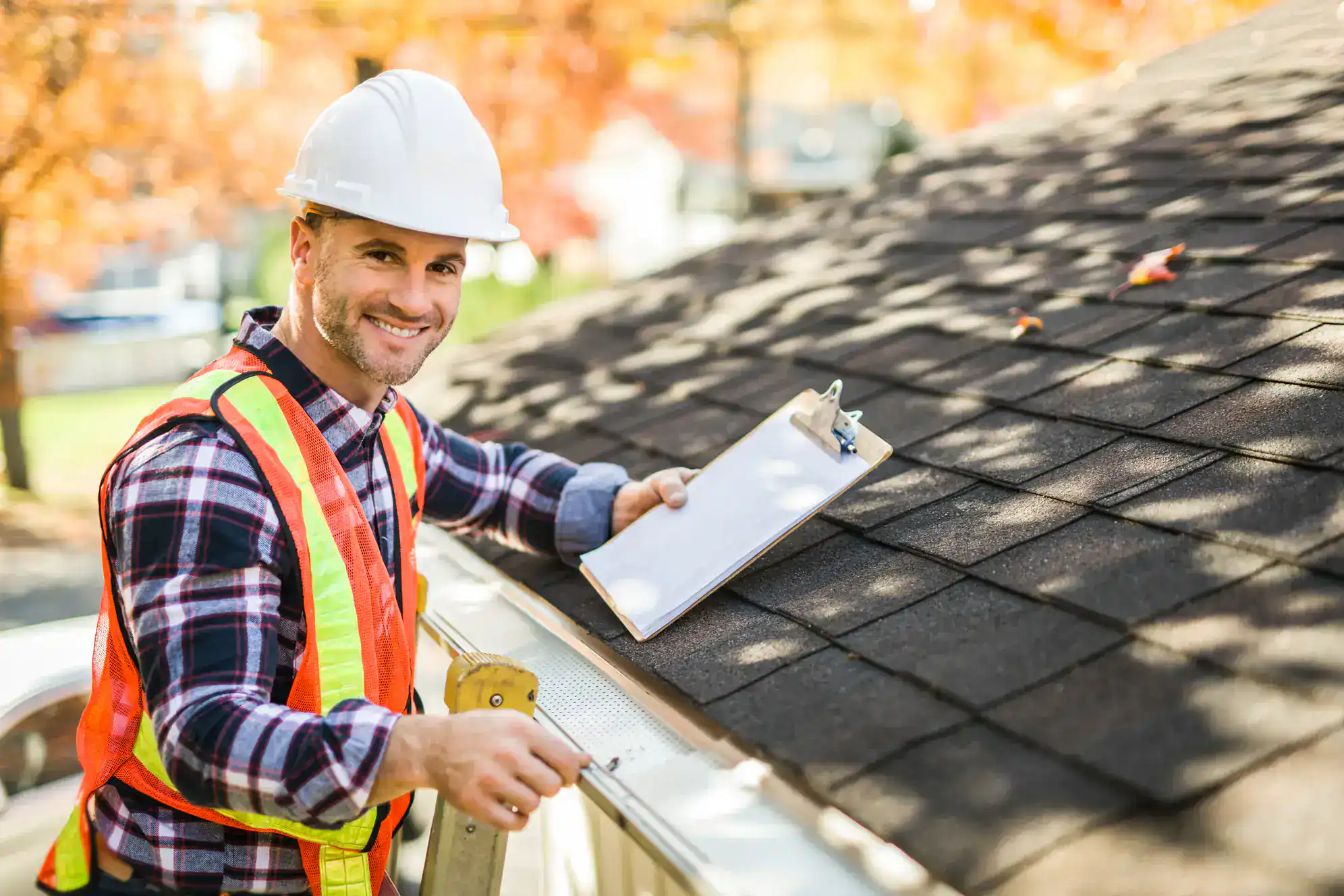
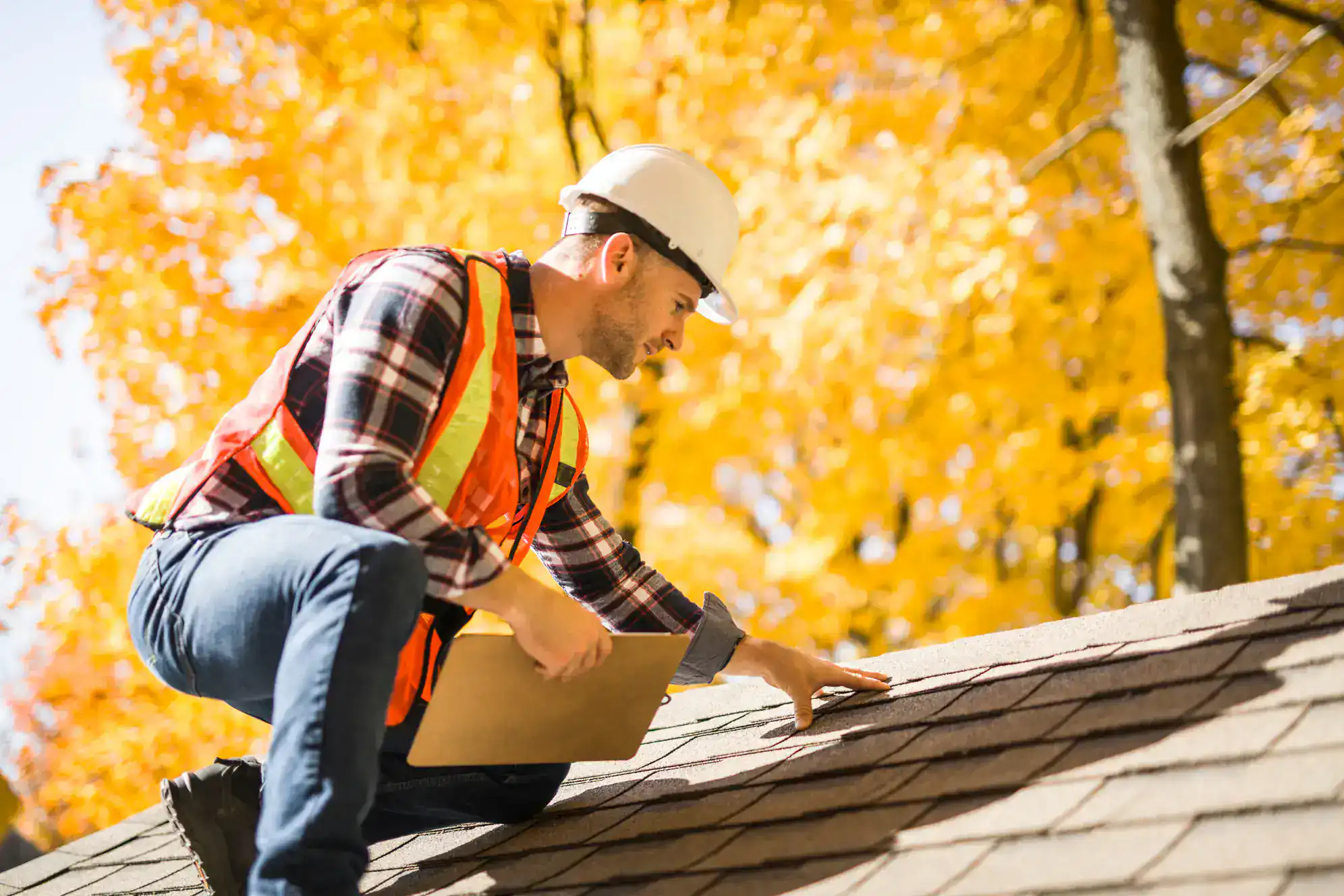
It starts with a free inspection. We come out, get on the roof, and look at the actual condition — shingles, flashing, valleys, ridge caps, gutters, and any visible decking issues. We’re not looking for reasons to sell you a replacement. We’re looking for what’s actually wrong and what it actually takes to fix it. If it’s a $500 shingle repair, that’s what you’ll hear.
Once we’ve assessed the damage, you get a written estimate that itemizes the work and the materials. In Leonia, roofing work that meets the threshold under New Jersey’s Uniform Construction Code requires a permit through the borough’s Building Department — we handle that process so you don’t have to navigate it yourself. If your damage is storm-related and you’re filing an insurance claim, we document everything in the format adjusters need, which makes that process significantly less painful.
The repair itself is scheduled around your availability. We show up when we say we will, do the work cleanly, and do a full post-job cleanup before we leave — including a magnetic nail sweep of your lawn and driveway. In a borough as tight-knit and visually maintained as Leonia, we treat your property the way you’d expect a neighbor to.
Ready to get started?
Shingle and Flat Roof Repair Leonia, NJ
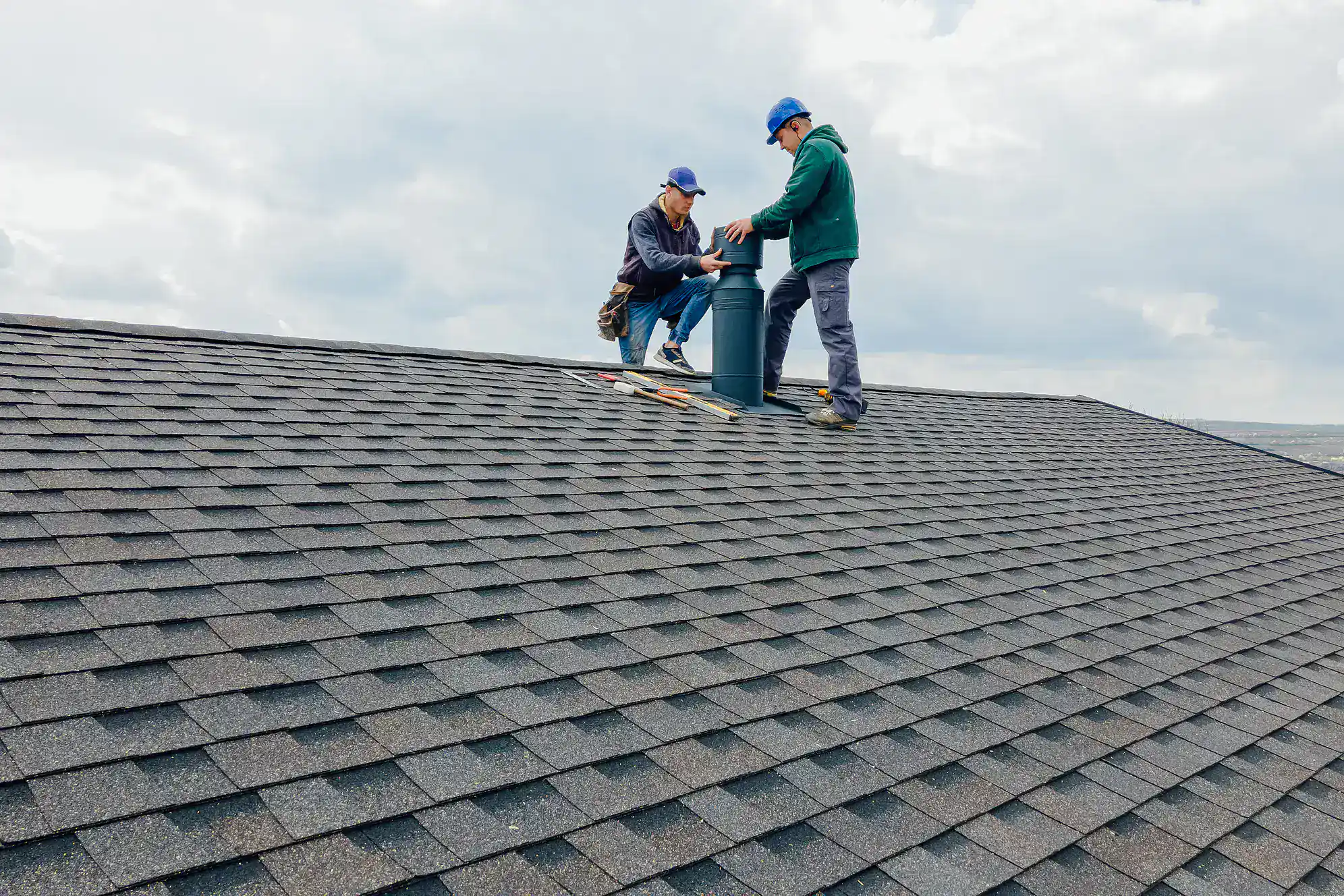
The majority of Leonia’s homes have pitched asphalt shingle roofs, and that’s where most of our repair work happens — missing or lifted shingles, failed flashing around chimneys and dormers, cracked valley sealing, worn ridge caps, and ice dam damage that shows up every spring on older homes without modern attic ventilation. We source replacement shingles with attention to color and profile matching, because a visible patch on a well-maintained Leonia colonial is its own kind of problem.
But a lot of Leonia’s older homes also have flat or low-slope sections — detached garages, rear additions, covered porches added over the decades. These sections need different materials and different repair techniques than a pitched shingle roof. EPDM membrane repair, TPO patching, and modified bitumen work all require specific expertise, and doing it wrong just means the same leak comes back in six months. We handle both roof types correctly the first time.
For emergency roof repair in Leonia, NJ — whether it’s a tree limb through the decking or active water intrusion after a storm — we respond quickly, deploy emergency tarping to stop the damage from spreading, and get permanent repairs scheduled as fast as the work allows. Our location in Bergen County means we can reach Leonia without the delays that affect contractors coming from farther out.
Do I need a permit for roof repair in Leonia, NJ?
It depends on the scope of the work. Under New Jersey’s Uniform Construction Code — which governs all building work in Leonia — minor repairs like replacing a handful of shingles or sealing a flashing joint typically don’t require a permit. But if the work involves replacing a significant portion of the roof surface, replacing the decking, or making structural changes, a permit is required through Leonia’s Building Department.
The permit process in Leonia involves scheduling an inspection through the Building Department at 201-592-5780 x253. They’re available Monday, Wednesday, and Thursday from 8:30 AM to 4:30 PM, Tuesday until 7:00 PM, and Friday until 1:00 PM. When we handle your repair, we assess whether a permit applies to your specific job and manage that process for you — so you’re not left guessing about compliance or dealing with borough paperwork on your own.
How do I know if I need roof repair or a full replacement in Leonia?
The honest answer is that it depends on the age of the roof, the extent of the damage, and where the failures are occurring. If your roof is under 15 years old and the damage is isolated — a few missing shingles, a failed flashing seal, one compromised valley — repair almost always makes more financial sense. If the roof is 25 or 30 years old and you’re seeing granule loss across the whole surface, widespread lifting, and multiple leak points, continued repair starts to cost more than it’s worth.
Given that a large portion of Leonia’s housing stock was built before 1970, many homeowners are dealing with roofs that have already been replaced once and are now aging into their second cycle. A free inspection gives you an honest read on where your roof actually stands — not a sales pitch toward the most expensive option, but a real assessment of what makes sense for your specific home and budget.
What should I do immediately if a storm damages my roof in Leonia, NJ?
First, stay safe and stay inside if the storm is still active. Once it’s safe to do so, do a quick visual check from the ground — look for missing shingles, visible debris on the roof, or sagging sections. If you can see daylight through the attic or notice active water intrusion inside the home, that’s an emergency situation and you need a contractor on-site as quickly as possible to deploy emergency tarping and stop the damage from spreading.
Leonia’s tree canopy is genuinely beautiful, but it also means that severe storms here tend to produce more branch-fall roof damage than you’d see in less wooded Bergen County towns. Document everything with photos before any cleanup begins — date-stamped photos of the damage are important for your insurance claim. Then call us. We’ll assess the damage, provide written documentation for your insurer, and get the repair scheduled.
How much does roof repair in Leonia, NJ typically cost?
The range is wide because the scope varies so much. A targeted shingle repair or flashing fix on a Leonia colonial might run $300 to $800. A more involved repair — replacing a larger section of shingles, addressing decking damage from a fallen limb, or repairing a flat roof section on a detached garage — can run $1,000 to $3,500 or more depending on the materials and labor involved.
What we don’t do is give you a vague number over the phone and then adjust it once we’re on the roof. Every job starts with a free inspection and a written, itemized estimate. The price in that estimate is the price you pay unless you ask us to change the scope. In a community like Leonia — where home values are significant and residents expect professionals who are straightforward — we think that’s the only way to do business.
Does homeowners insurance cover storm roof damage in Leonia, NJ?
Most standard homeowners insurance policies in New Jersey cover sudden storm damage — wind, hail, fallen trees, and similar events. What they typically don’t cover is gradual wear and tear or damage that resulted from deferred maintenance. So if a nor’easter lifts three shingles off a roof that was otherwise in good condition, that’s generally a covered claim. If the adjuster determines that the roof was already deteriorating and the storm just accelerated the inevitable, the claim may be partially or fully denied.
The documentation you submit matters a lot. We provide written damage assessments and photo documentation in the format that insurance adjusters use, which gives your claim the best chance of being processed accurately. We also help you understand — before you file — whether the damage you’re looking at is the kind that’s typically covered, so you’re not filing a claim that’s likely to be denied and potentially affecting your premium for nothing.
How do ice dams form on Leonia homes, and can roof repair prevent them?
Ice dams form when heat escaping from a poorly insulated or poorly ventilated attic melts snow on the upper part of the roof. That meltwater runs down toward the eaves, where the roof surface is colder, and refreezes. Over time, the ice buildup forces water back up under the shingles — and that’s when you get leaks inside the home, often showing up as water stains on ceilings or walls well after the storm has passed.
Leonia’s older housing stock is particularly susceptible to this. Homes built before modern ventilation standards — which covers a large portion of the borough’s pre-1940 and mid-century colonials and Cape Cods — often don’t have the ridge and soffit ventilation needed to keep attic temperatures consistent. Roof repair alone won’t solve an ice dam problem if the root cause is ventilation. But installing proper ice and water shield underlayment along the eaves, addressing failed flashing that ice has worked loose, and improving attic ventilation together create a roof system that handles New Jersey winters significantly better than what most of these older homes currently have.