
Roof Repair in Englewood, NJ
Englewood Roofs Take a Beating — Here's the Fix
Hear from Our Customers
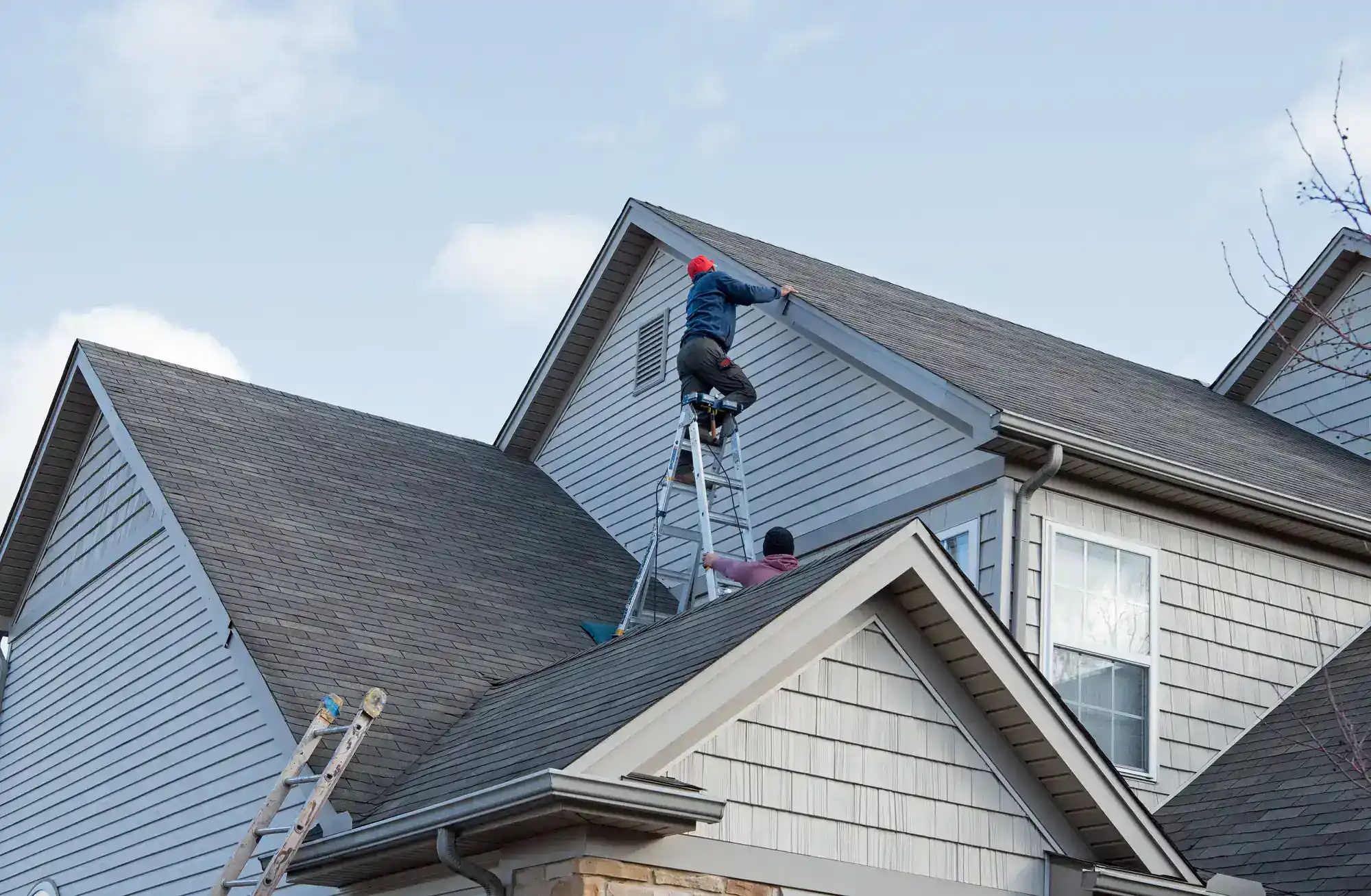
Roof Leak Repair in Englewood, NJ
A small leak in an Englewood home rarely stays small. Water finds the path of least resistance — through the deck, into the insulation, down into the framing — and by the time you see a stain on the ceiling, the damage above it is already worse than it looks. Getting it repaired correctly the first time is almost always the cheaper outcome.
Englewood’s housing stock is older than most people realize. More than a quarter of homes in the city were built before 1939, and a significant share of the rest went up between the 1940s and 1970s. That means a lot of roofs in Englewood are either past their expected lifespan or carrying years of deferred maintenance. The winters here don’t help — Bergen County freeze-thaw cycles are brutal on aging shingles, and ice dams are a recurring problem on homes with older insulation and ventilation systems.
When you get the repair done right, you’re not just stopping water. You’re protecting the structure, maintaining the home’s value, and — if you’re planning to sell — keeping the Certificate of Continued Occupancy process from surfacing a problem at the worst possible moment. That’s a real outcome worth paying for.
Certified Roof Repair Contractor Englewood, NJ
We’ve been repairing roofs across Bergen County for over ten years, including throughout Englewood and its surrounding neighborhoods. That’s ten winters of nor’easters, ten springs of post-storm inspections, and ten years of learning exactly what the housing stock in Englewood actually needs — not what works on a generic checklist.
We’re family-operated, which means the people who show up are accountable for the outcome. There are no rotating crews, no commissioned salespeople who disappear after the close. You get licensed contractors, manufacturer certifications from major shingle brands, and a written estimate that matches the final invoice.
Englewood homeowners near the East Hill neighborhoods, along the Palisades-adjacent streets, and throughout the city’s older residential blocks know that not every contractor understands what it takes to work on a steep-pitched Victorian or a mid-century bungalow with a complex roofline. We do — and we’ve got the reviews to back it up.
Roof Repair Process in Englewood, NJ
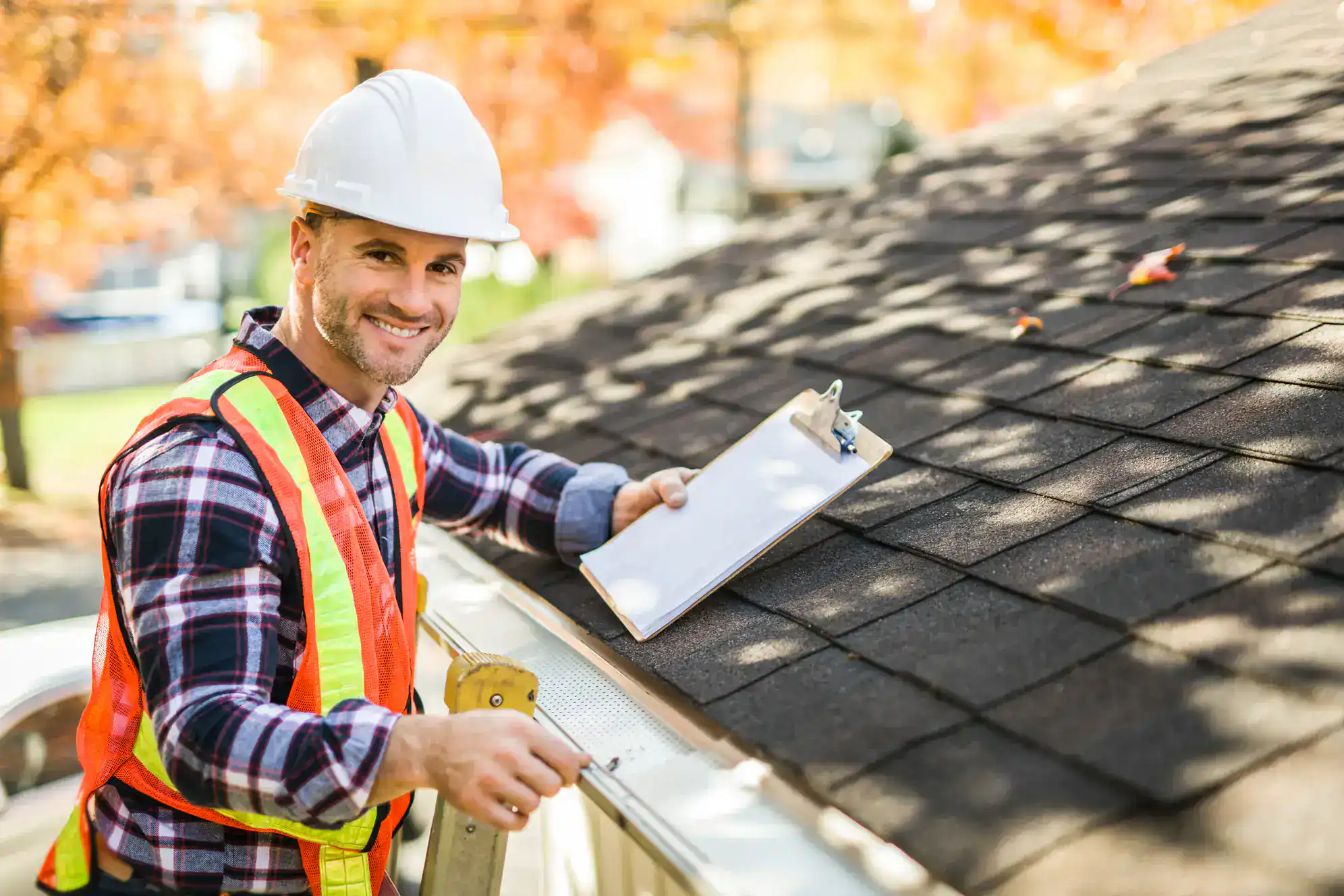
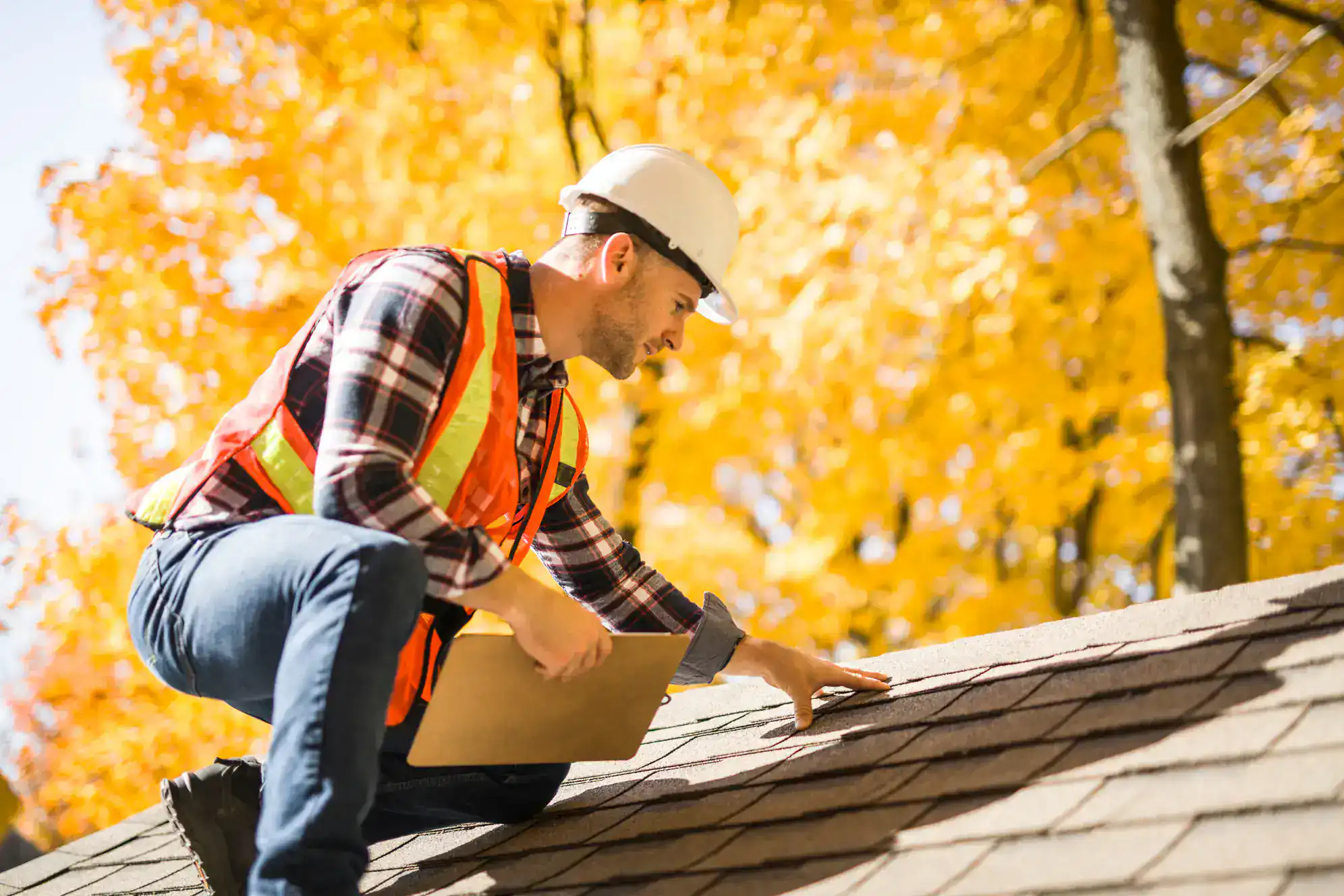
It starts with a free roof inspection. One of our licensed contractors comes out, gets on the roof, and gives you an honest assessment of what’s there — not a sales pitch. If there’s storm damage, we document it thoroughly, including photos and a written scope, because Englewood homeowners file insurance claims regularly and you need paperwork that actually holds up with an adjuster.
From there, you get a written, itemized estimate. The scope is defined, the materials are specified, and the total is clear before any work begins. If your home in Englewood requires a permit — which replacement work typically does under New Jersey’s Uniform Construction Code — we handle that process. You don’t have to navigate the city’s building department on your own, and you don’t have to worry about unpermitted work creating problems during a future CCO inspection.
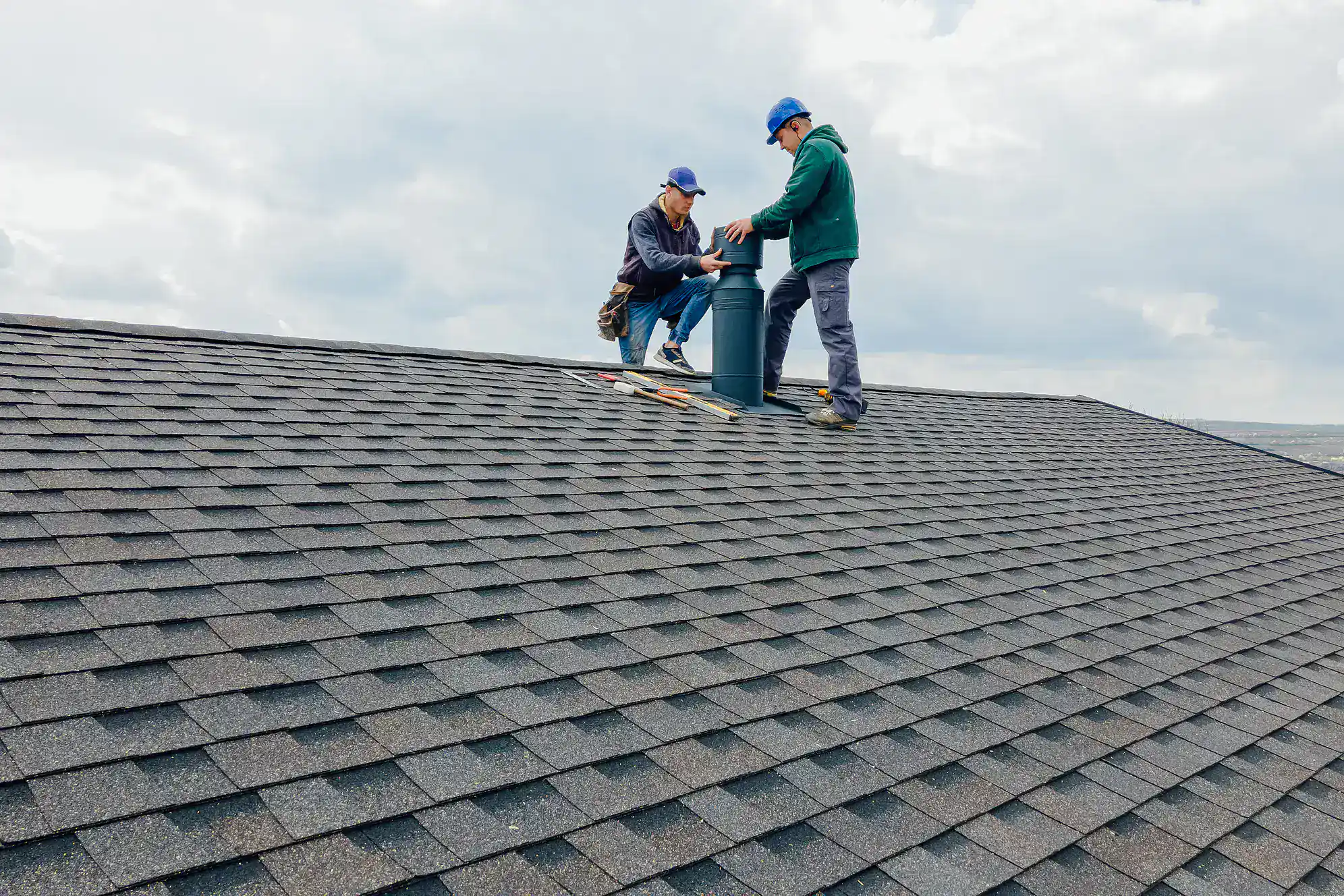
On the day of work, our crew shows up, completes the repair, and cleans up the property before leaving. If we’re matching shingles on an older Englewood home, we take that seriously — a visible patch on a well-maintained property is not an acceptable outcome. When the job is done, you’ll know exactly what was done and why.
Ready to get started?
Emergency and Storm Damage Roof Repair Englewood, NJ
Roof repair in Englewood covers a wider range of situations than most homeowners expect going in. The most common calls we get are for storm damage roof repair in Englewood, NJ — shingles lifted or stripped by nor’easter winds, flashing pulled loose, or debris impact from the mature trees that line streets throughout the city’s established neighborhoods. Summer thunderstorms in the New York metro area produce hail and straight-line winds that can compromise a roof without leaving obvious visible damage from the ground.
We also handle emergency roof repair in Englewood, NJ directly. When a storm breaches a roof at night or over a weekend, the priority is stopping water infiltration fast — temporary protection deployed quickly, permanent repair scheduled as soon as conditions allow. Shingle roof repair in Englewood, NJ is our most frequent service, but we also bring real experience to flat roof repair in Englewood, NJ, which matters in a city with older multi-family buildings, residential additions, and commercial properties along the Palisade Avenue corridor that rely on TPO, EPDM, or modified bitumen systems.
If you’re not sure whether you need a repair or a full replacement, a free roof repair estimate in Englewood, NJ is the right first step. You’ll get a straight answer — not a sales push toward the more expensive option.
Does roof repair in Englewood, NJ require a permit from the city?
It depends on the scope of the work. In Englewood, minor repairs — replacing a handful of shingles, resealing flashing, patching a small area — typically don’t require a permit. But if the work involves replacing a significant portion of the roof or a full layer of shingles, New Jersey’s Uniform Construction Code generally requires a permit, and Englewood’s Division of Building Regulations enforces that requirement locally.
This matters more in Englewood than in some other towns because of the city’s Certificate of Continued Occupancy requirement. Before a home can be sold in Englewood, it must pass a CCO inspection. Unpermitted roofing work — or work that doesn’t meet current code — can surface during that inspection and create real complications for a sale. If you’re planning to sell your home, or you’ve recently purchased an older property and are assessing its condition, using a licensed contractor who handles permit procurement as part of the job is the straightforward way to protect yourself from that headache.
How do I know if my roof damage is covered by my homeowners insurance?
Most standard homeowners insurance policies in New Jersey cover sudden, storm-related damage — wind, hail, falling tree limbs — but they typically don’t cover damage that developed gradually from wear and age. The distinction matters, and insurance adjusters will look for evidence of pre-existing deterioration when evaluating a claim.
Bergen County homeowners file more storm damage claims than most of the state because of the region’s exposure to nor’easters, summer hail events, and hurricane remnants. If your roof was damaged in a recent storm, the most important thing you can do is get a professional inspection and written damage assessment before you call your insurance company — or at least before the adjuster arrives. That documentation needs to be specific: photos, identified damage points, and a clear scope of what needs to be repaired. We provide that as part of the inspection process, and it’s the kind of paperwork that makes a real difference in how a claim gets resolved.
What causes ice dams, and are Englewood homes particularly at risk?
Ice dams form when heat escaping from the interior of the home warms the roof deck, melts snow from the top down, and the water refreezes at the colder eaves before it can drain. That ice buildup forces water back up under the shingles, where it can work its way into the roof deck, insulation, and eventually the interior of the home.
Englewood is at elevated risk for a straightforward reason: more than a quarter of its homes were built before 1939, and a significant share of the rest went up before modern insulation and ventilation standards were established. Older homes with inadequate attic insulation are exactly the profile that produces ice dams during Bergen County winters, where freeze-thaw cycling — temperatures rising above freezing during the day and dropping back below at night — happens repeatedly throughout the season. If you’ve noticed water staining near exterior walls or at ceiling edges after a winter storm, ice dam damage is a likely cause and worth having inspected before the next season arrives.
How much does roof repair in Englewood, NJ typically cost?
Roof repair costs in Englewood vary depending on what’s actually wrong, the size of the affected area, the pitch and complexity of the roof, and the materials involved. A minor repair — resealing flashing, replacing a small section of shingles — might run a few hundred dollars. A more significant repair involving damaged decking, multiple penetrations, or flat roof membrane work can run into the thousands.
What you want to avoid is a contractor who gives you a vague verbal estimate and then presents a different number at invoice time. In Englewood, where property values and property tax bills reflect serious investment in these homes, the expectation should be a written, itemized estimate with a defined scope before any work begins. The other thing worth knowing: Englewood’s housing stock includes a lot of architecturally complex older homes — steep pitches, dormers, multiple valleys — and that complexity affects labor cost. A contractor who quotes unusually low on a roof like that is either cutting corners on materials, skipping the permit, or planning to find reasons to charge more later.
What's the difference between roof repair and roof replacement, and how do I know which one I need?
Repair makes sense when the damage is localized — a section of shingles, a flashing failure, a specific leak point — and the surrounding roof is in sound condition with reasonable life remaining. Replacement is the right call when the damage is widespread, the roof is at or past its expected lifespan, or repairs would cost a significant fraction of what a new roof would cost anyway.
In Englewood, the age of the housing stock means a lot of homeowners are dealing with roofs that are genuinely at the decision point. Asphalt shingle roofs typically last 20 to 30 years depending on installation quality, ventilation, and maintenance history. If your home was built in the 1970s or 1980s and has never had a full replacement, the math is worth running. A free inspection gives you an honest read on where your roof actually stands — not a sales push toward the more expensive option, just a clear picture of what’s there and what makes financial sense given the condition.
How quickly can we respond to an emergency roof repair in Englewood, NJ?
When a roof is actively letting water in — after a nor’easter, a fallen limb, or a sudden shingle failure — the response timeline matters. Every hour of open exposure is another hour of water moving through the deck and into the structure of the home. We prioritize emergency roof repair calls in Englewood, NJ, with the goal of getting to the property quickly to assess the damage and deploy temporary protection that stops active infiltration while permanent repair is scheduled.
Englewood’s position in Bergen County means it sits directly in the path of the weather systems that produce the most emergency calls — nor’easters tracking up the coast, summer convective storms moving through the New York metro area, and hurricane remnants that produce heavy sustained rain. If you’re dealing with an active situation, call directly rather than submitting a form. The faster we can get eyes on the damage, the faster we can stop it from becoming something significantly more expensive to fix.