
Roof Inspection in Lodi, NJ
Lodi's Aging Roofs Deserve an Honest Second Look
Hear from Our Customers
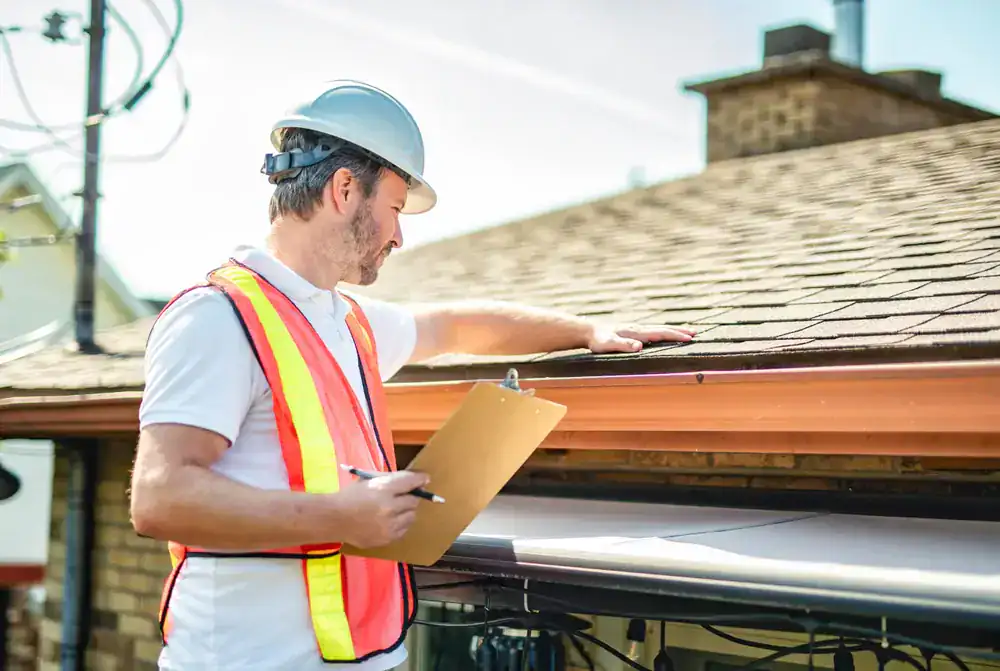
Certified Roof Inspector in Lodi, NJ
A roof inspection isn’t about scaring you into a replacement. It’s about giving you a clear, honest picture of what’s up there — what’s holding up, what’s wearing down, and what actually needs attention right now. When you know that, you’re in control. You’re not guessing, and you’re not getting surprised by a leak in January.
For Lodi homeowners specifically, that clarity matters more than most people realize. The housing stock here is older — a lot of homes were built between the 1940s and 1960s, which means many roofs have already been replaced once and are quietly approaching the end of their second cycle. Add Bergen County’s winters, the freeze-thaw cycling that stresses flashing and sealants every season, and the documented hail events that Doppler radar has picked up near Lodi 20 times in the past year alone — and you have a roof that’s working harder than it looks.
The Saddle River flooding history adds another layer. Homes near the river corridor face sustained moisture exposure that accelerates wear in gutters, flashing, and the areas where your roof meets your walls. A thorough inspection catches those vulnerabilities before they turn into interior damage. That’s the outcome — not a sales pitch, just a straight answer about the condition of your single biggest investment.
Licensed Roof Inspector in Lodi, NJ
We’ve been working on roofs across Bergen County for over ten years, and Lodi is where we built our reputation. We’re a family-run operation — not a franchise, not a storm-chasing crew that shows up after a weather event and disappears six months later. We’re licensed under New Jersey’s Home Improvement Contractor program and certified by major shingle manufacturers, which means the warranties we back our work with are real, not just verbal promises.
We’ve inspected and repaired roofs on the kind of mid-century housing stock that fills Lodi’s neighborhoods — the Cape Cods, the two-families, the older colonials that have been through decades of Bergen County weather. We know what to look for on a 1958 build that a generic checklist won’t catch. We understand how Lodi’s proximity to the Saddle River affects moisture patterns, and we know which rooflines take the brunt of wind exposure along the Route 46 and Route 17 corridors.
Our growth has come entirely from customer referrals and reviews — no paid leads, no advertising shortcuts. In a borough like Lodi, where neighbors talk and word travels fast, that track record means something. If we didn’t do right by the last homeowner, you’d already know about it.

Roof Damage Inspection Process in Lodi, NJ
It starts with a call or a form submission — no deposit, no commitment. We schedule your free roof inspection in Lodi, NJ at a time that works for you, and we show up when we say we will. That part matters more than it sounds in a commuter borough where most homeowners are working full days and don’t have time to chase down a contractor who went quiet.
When we arrive, we do a full exterior assessment — shingles, flashing, ridge line, valleys, gutters, soffits, and fascia. We’re looking at the whole system, not just the most visible surface. For homes near the Saddle River corridor or along the Route 17 and Route 46 wind exposure zones, we pay particular attention to the areas most vulnerable to moisture intrusion and wind-driven debris impact. These aren’t generic checkpoints — they’re specific to what Lodi roofs actually face.
After the inspection, we walk you through what we found in plain language. If your roof is in good shape, we’ll tell you that. If there’s damage, wear, or something that needs attention, we’ll show you the documentation and explain your options clearly. If a repair or replacement is needed, we handle the permit process through Lodi’s Building Department under the NJ Uniform Construction Code — you won’t have to navigate that on your own.
Ready to get started?
Roof Inspection Company in Lodi, NJ
Every roof inspection in Lodi, NJ covers the full exterior roofing system — not just the shingles you can see from the street. We assess shingle condition and granule loss, flashing integrity at chimneys, vents, and wall junctions, gutter attachment and drainage performance, soffit and fascia condition, and any visible signs of moisture intrusion or structural stress. If you have a flat section, a dormer, or a roofline that meets an addition, those transition points get specific attention because that’s where problems tend to hide.
For Lodi homes that have experienced storm activity — and given the severe weather patterns in the area, that’s a lot of households — we produce written documentation with photographs. That report is yours to keep, and it’s formatted to support an insurance claim if one is warranted. Insurance adjusters work for the insurance company. Your inspection report should work for you.
We also assess gutters and siding as part of the exterior picture, since storm damage rarely stops at the shingle line. If something beyond the roof needs attention, you’ll know about it from one visit rather than three separate contractor calls. The inspection is free, the findings are honest, and if you decide to move forward with any work, you’ll have a clear written scope before anything starts.

How do I know if my Lodi home needs a roof inspection after a storm?
You don’t always know — and that’s the problem. Hail damage and wind-displaced flashing often don’t produce a visible interior leak right away. The water finds its way in gradually, and by the time you notice a stain on your ceiling, the damage underneath has already been building for weeks or months. In Lodi, where severe weather events are common enough that homeowners should expect them, the safer assumption after any significant storm is that an inspection is worth doing.
The signs that are visible from the ground — missing shingles, granules washing into the gutters, flashing that looks lifted or separated — are worth taking seriously. But the more subtle damage, like micro-fractures in shingles from hail impact or flashing that’s pulled away just enough to let moisture in at the ridge, requires someone on the roof with trained eyes. If you experienced a storm and you’re not sure, the inspection is free. There’s no reason to guess when you can know.
What does a professional roof inspection actually include from start to finish?
A thorough roof inspection covers every component of the roofing system, not just the field shingles. That means the ridge cap, the valleys, all flashing points — chimneys, skylights, pipe boots, wall junctions — the gutters, the soffit, the fascia, and any transition areas where the roof meets a dormer, addition, or flat section. Each of those areas fails differently and for different reasons, so a real inspection looks at all of them.
After the physical assessment, you should receive a clear summary of what was found — not just “your roof is old” but specifically what’s wearing, what’s damaged, what’s a near-term concern, and what’s fine for now. If there’s storm damage, that summary should include photographic documentation suitable for an insurance claim. What you’re paying for — in this case, nothing, since the inspection is free — is clarity. A good inspection gives you that without pressure attached to it.
Do I need a permit for roof replacement work in Lodi, NJ?
Yes. Roof replacements in Lodi require a permit through the borough’s Building Department, which enforces the New Jersey Uniform Construction Code. This isn’t a formality — it’s a legal requirement, and it matters for a few reasons. First, unpermitted work can create complications when you sell the property, since buyers and their attorneys will check the permit history. Second, some manufacturer warranties have permit compliance requirements built in, so skipping the permit can affect your coverage.
The permit has to be pulled by a licensed contractor — specifically, one registered under New Jersey’s Home Improvement Contractor program. That registration is what gives you legal recourse under the Consumer Fraud Act if something goes wrong. If a contractor offers to skip the permit to save time or money, that’s a red flag worth taking seriously. We handle the permit process as part of the job — it’s included, not an add-on.
How often should a homeowner in Lodi, NJ schedule a roof inspection?
The general industry recommendation is twice a year — once in the spring after winter weather has done its work, and once in the fall before the next round of it starts. In Bergen County, that schedule makes a lot of practical sense. Winters here involve real freeze-thaw cycling, ice dam risk, and nor’easters that can stress even a relatively newer roof. Spring inspections catch what the cold season left behind. Fall inspections give you the window to address anything before the first significant winter event closes that window.
For Lodi homes specifically, the spring inspection is particularly important given the Saddle River flooding history. When the river crests and moisture saturates the surrounding area, homes near that corridor can experience elevated humidity and drainage stress that affects gutters and flashing in ways that aren’t always obvious until warmer weather arrives. If your home is in that zone and you haven’t had an inspection since last fall, spring is the right time to schedule one.
What's the difference between a licensed and unlicensed roofer, and why does it matter?
In New Jersey, a licensed roofing contractor is registered with the Division of Consumer Affairs under the Home Improvement Contractor program. That registration requires proof of insurance, a bond, and compliance with state consumer protection law. An unlicensed contractor has none of that — and if the work goes wrong, you have significantly less legal recourse. The Consumer Fraud Act protections that apply to licensed contractors don’t extend to unlicensed ones.
The certification piece matters separately. Manufacturer certifications — from companies like GAF, CertainTeed, or Owens Corning — are awarded to a small percentage of contractors and are required to unlock the enhanced, workmanship-inclusive warranties that go beyond the standard product warranty. A licensed but uncertified contractor can install the same shingles, but the warranty coverage you receive is meaningfully different. For a home in Lodi with a median value around $475,000, the difference between a 10-year and a 30-year warranty is not a small detail.
Can a roof inspection help with an insurance claim for storm damage in Bergen County?
It can, and in many cases it’s the most important step in the claims process. Insurance adjusters are thorough, but they’re working on behalf of the insurer — their job is to assess the claim, not to advocate for the maximum payout on your behalf. A professional roof damage inspection in Lodi, NJ that produces written findings and photographic documentation gives you an independent record of what the storm actually did to your roof, in your words, before the adjuster’s visit.
Bergen County sees enough severe weather — hail, nor’easters, wind events, and for homes near the Saddle River, flooding-related moisture damage — that insurance claims after storms are a real and recurring part of homeownership here. Having documentation that was prepared by a certified, licensed inspector, rather than assembled after the fact, makes a material difference in how a claim is processed. If you’ve had a storm and you’re considering filing a claim, getting the inspection done first is the right sequence.
Other Services we provide in Lodi