
Siding Installation in Lodi, NJ
Lodi Homes Built to Last Deserve Siding That Does Too
Hear from Our Customers
Vinyl Siding Contractors in Lodi, NJ
When siding fails on a mid-century Lodi home, it rarely fails quietly. Water gets behind panels, works into the sheathing, and by the time you see a problem on the surface, there’s usually a bigger one underneath. New siding stops that cycle before it becomes a structural issue — and on a home worth close to $500,000, that protection matters.
Lodi’s winters don’t go easy on exterior cladding. The freeze-thaw cycles that run through Bergen County from November through March are relentless — water seeps into any crack, freezes, expands, and makes the opening wider. Homes near the Route 17 corridor also deal with road salt exposure and particulate buildup that accelerates surface wear. Quality siding installation addresses all of that at the source, not just at the surface.
Beyond weather protection, new siding changes what your home looks like from the street. In a dense borough like Lodi, where houses sit close together and neighbors notice, curb appeal is real. Whether you’re near Hilltop Elementary or a few blocks off Main Street, a clean exterior makes a visible difference — and it shows up in your home’s value when it’s time to sell.
Residential Siding Contractors in Lodi, NJ
We’ve been working on homes across Bergen County for nearly a decade, including throughout Lodi. We’re family-run, which means the people responsible for your project are the same people whose reputation is on the line when the job is done. That kind of accountability isn’t something you get from a large franchise or a contractor who subs everything out.
Our focus is exterior work — roofing, siding, gutters — and that full-envelope experience matters. A contractor who understands how a roof system manages water also understands how siding needs to integrate with it. Flashing, moisture barriers, substrate condition — these aren’t afterthoughts. They’re part of every job.
Lodi homeowners dealing with mid-century construction have specific challenges: aging sheathing, older window framing, siding that may have been layered over original materials. That’s familiar territory for us. The work reflects it.

Local Siding Company Serving Lodi, NJ
It starts with a free inspection. Before any conversation about materials or cost, the goal is to understand what’s actually going on with your current siding — what’s failing, what’s salvageable, and whether repair or full replacement makes more sense for your home. A lot of Lodi homeowners come in expecting the worst and find out targeted repair is enough. Others find out there’s moisture damage behind panels that needed to come off anyway. Either way, you get an honest answer before you spend anything.
Once the scope is clear, you get a written estimate with a real number. Not a range. Not a starting price that climbs once work begins. The number in the estimate is the number on the invoice. If something unexpected turns up during tear-off — and on homes built in the 1950s, it occasionally does — that conversation happens before the work continues, not after.
For permitted work in Lodi, the project goes through the Borough’s Building Department under the New Jersey Uniform Construction Code. That’s standard for exterior replacement on residential properties, and we handle it as part of the job. Installation follows manufacturer specs, which matters for both performance and warranty coverage. When the crew leaves, the site is clean and the work is done to pass inspection.

Ready to get started?
Siding Contractors in Lodi, NJ
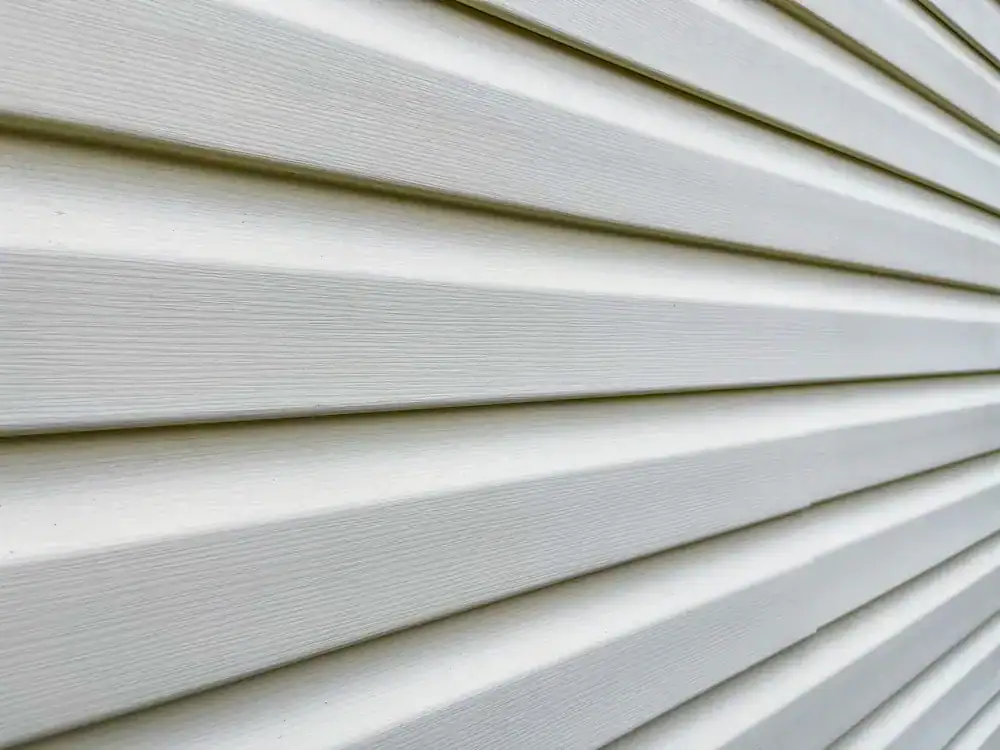
Not every siding material performs the same way in New Jersey’s climate, and not every material makes sense for every home or budget. Vinyl is the most common choice in Lodi — it’s low-maintenance, holds up well through freeze-thaw cycles when installed correctly, and comes in a range of profiles that work on Cape Cods, colonials, and split-levels. Insulated vinyl is worth considering on older Lodi homes with minimal wall insulation, since it adds an R-value layer that can reduce heating costs through Bergen County winters.
Fiber cement — James Hardie being the most recognized brand — is a heavier investment but brings real durability advantages. It doesn’t warp, it resists moisture, and it holds paint long-term. On denser residential streets where homes sit close together, it also offers better fire resistance than vinyl. For homeowners who want a premium finish and plan to stay in the home long-term, fiber cement is worth the conversation.
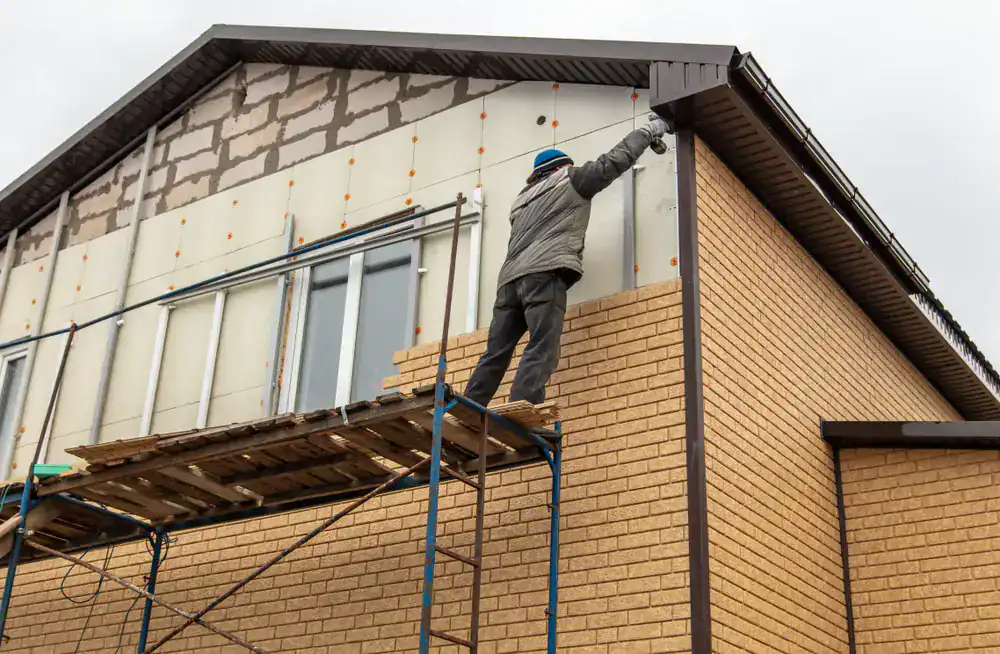
Every project includes a full assessment of the substrate before new material goes on. If there’s damaged sheathing or compromised housewrap underneath, we address it as part of the installation — not skip it to keep the estimate low. Manufacturer certifications back our installation, which means the product warranty is the full warranty, not a reduced version that comes with uncertified work.

Do I need a permit for siding installation in Lodi, NJ?
In most cases, yes. Siding replacement in Lodi falls under the New Jersey Uniform Construction Code, and the Borough of Lodi’s Building Department requires a permit for exterior work that involves removing and replacing cladding — especially when substrate repair or housewrap replacement is part of the scope. This isn’t something to skip. Unpermitted work can create problems when you go to sell the home, and it leaves you without the protection that comes from a formal inspection.
We handle the permit process as part of the job. You shouldn’t have to navigate the Building Department on your own. What matters to you is that the work passes inspection and is done to code — that’s the standard every project is held to.
How do I know if my siding needs full replacement or just repairs?
That’s the right question to ask before you do anything else, and it’s exactly what a free inspection is for. There’s a real difference between a few damaged panels that can be matched and replaced versus widespread failure where the material is past the point of repair. The honest answer depends on what’s happening beneath the surface, not just what you can see from the driveway.
On Lodi homes built in the 1940s through 1960s, it’s not uncommon to find moisture damage behind siding that looked fine from the outside. Freeze-thaw cycles over decades can work water into small gaps and cause progressive damage to sheathing that isn’t visible until panels come off. A proper inspection tells you what you’re actually dealing with — and a contractor who gives you a replacement quote without looking underneath isn’t giving you a real assessment.
What siding material holds up best in Bergen County's climate?
Vinyl is the most practical choice for most Bergen County homeowners — it handles freeze-thaw cycles well, requires minimal maintenance, and is available in profiles that suit the mid-century housing stock common throughout Lodi. The key is correct installation: vinyl needs proper expansion gaps to account for New Jersey’s temperature swings, and cutting corners there leads to buckling or cracking within a few years.
Fiber cement is worth considering if you want longer-term durability and don’t mind the higher upfront cost. It doesn’t expand and contract the way vinyl does, holds paint significantly longer, and performs well in high-moisture conditions. For homes on tighter Lodi streets where fire spread is a real consideration, fiber cement’s fire resistance is a practical advantage. Insulated vinyl sits in the middle — better thermal performance than standard vinyl, at a cost that’s still more accessible than fiber cement.
How long does siding installation typically take on a Lodi home?
For a standard single-family home in Lodi, siding installation typically runs two to four days once materials are on-site and the project is underway. Larger two-family homes — which are common throughout the borough — can run closer to a week depending on the scope and whether substrate repairs are needed during tear-off.
The timeline can shift based on what’s found once existing siding comes off. On older Lodi homes, it’s not unusual to find areas of sheathing that need to be replaced before new material goes on. That work gets done properly rather than skipped, which can add a day to the schedule. Weather is also a factor — vinyl installation in temperatures below 40°F requires extra care, so scheduling earlier in fall or in spring tends to produce better conditions and cleaner results.
What should a siding installation estimate actually include?
A real estimate should spell out the full scope of work: what’s being removed, what’s being installed, what material and profile is being used, how substrate issues will be handled if they’re found, and what the total cost is. It should also be in writing. A verbal number or a vague range isn’t an estimate — it’s an opening position that can change once the job starts.
Specifically, look for line items covering tear-off and disposal of existing material, housewrap or moisture barrier installation, trim and flashing work around windows and doors, and cleanup. If we mention permit costs, those are included or clearly noted as a separate line. The estimate you sign should be the number you pay. If a contractor can’t give you that in writing before work begins, that’s a signal worth paying attention to.
Can new siding actually improve energy efficiency in an older Lodi home?
It can, particularly with insulated vinyl. Most homes in Lodi were built before modern energy codes existed, which means wall insulation is minimal or nonexistent in a lot of cases. Standard vinyl siding doesn’t add meaningful thermal value on its own, but insulated vinyl — which has a foam backing bonded to the panel — reduces thermal bridging through wall studs and can make a measurable difference in how efficiently the home holds heat during Bergen County winters.
It’s not a substitute for proper wall insulation, and the energy savings alone rarely justify the cost difference over standard vinyl. But if you’re already replacing siding on a 1950s or 1960s Lodi home and you’re dealing with high heating bills, the upgrade to insulated vinyl is worth factoring into the conversation. The incremental cost is relatively modest compared to the total project, and the benefit compounds over the life of the material.
Other Services we provide in Lodi