
Siding Installation in Teaneck, NJ
Teaneck Homes Deserve More Than a Fresh Coat of Paint
Hear from Our Customers
Residential Siding Contractors in Teaneck, NJ
Teaneck’s housing stock is mostly mid-century — Colonials, Tudors, Cape Cods built decades before modern siding materials existed. A lot of those homes are still wearing their original wood or aluminum cladding, and while that might not look like a crisis from the street, what’s happening behind those panels in Teaneck homes often is. Water gets in. Insulation fails. Heating and cooling bills climb. The problem isn’t always visible until it’s expensive.
New siding changes that equation. Beyond the obvious curb appeal upgrade, properly installed siding with a moisture barrier underneath stops the slow damage that aging cladding allows. For a Teaneck home sitting along the Hackensack River corridor or anywhere in a township that sees nor’easters roll through Bergen County every winter, that protection isn’t optional — it’s what keeps a $600,000 asset from quietly losing value.
There’s also the energy side of it. Insulated vinyl siding adds a layer of thermal resistance that older homes in Teaneck are almost universally missing. That translates to real savings on your utility bills, not just a talking point. And when Teaneck homes are going to pending in around 18 days, new siding isn’t just maintenance — it’s one of the highest-return exterior investments you can make before a sale.
Local Siding Company Serving Teaneck, NJ
We’ve been doing exterior work in Teaneck and the Bergen County area for close to ten years. That’s not a long time in every industry, but in residential contracting — where new operators come and go constantly — a decade of continuous work in one region means something. It means the reviews are real, the referrals are earned, and we’ll still be around if you have a question two years after the project wraps.
What makes the difference here isn’t just experience — it’s the scope of it. Because roofing is the core of what we do, every siding installation is approached with a full understanding of how the exterior system works together. Flashing, moisture management, substrate integrity — these aren’t afterthoughts. They’re built into the process from the start, which is something a siding-only shop rarely brings to the table.
From Cedar Lane to the neighborhoods off Teaneck Road, the homes here have character and history. Our work reflects that.

Vinyl Siding Contractors in Teaneck, NJ
It starts with a free inspection. One of our qualified exterior specialists comes out, looks at what you’re working with — existing siding condition, substrate health, any moisture damage underneath — and gives you an honest assessment. Not a sales pitch. An actual read on what your home needs and what it doesn’t. That inspection costs you nothing and comes with no obligation.
From there, you get a written estimate. Not a ballpark, not a verbal range — a written number that accounts for material, labor, removal of the old siding, moisture barrier installation, trim work, and cleanup. In Teaneck, siding projects on older homes sometimes turn up surprises underneath the cladding: rotted sheathing, compromised housewrap, water damage that’s been hiding for years. If that happens on your project, you’ll hear about it before any additional work is done — not on the final invoice.
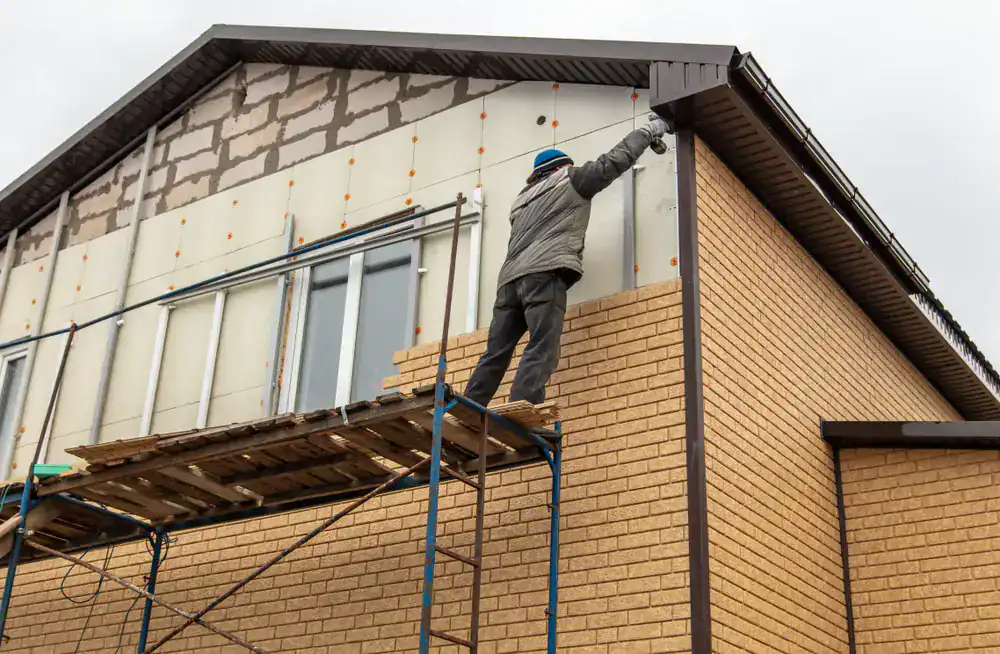
Once work begins, our crew handles everything from panel installation to proper fastening for thermal expansion — critical in a climate that swings from New Jersey summers to full winter freeze-thaw cycles. Teaneck’s Building Department requires permits for certain exterior work, and we handle that process as part of the job. When the project is done, the site is cleaned and you do a final walkthrough before anyone leaves.

Ready to get started?
Siding Contractors in Teaneck, NJ
Not every home on every street in Teaneck needs the same solution. The Tudor on a tree-lined block off Queen Anne Road has different needs than a split-level near the Glenpointe corridor, and the material conversation should reflect that. We work with a range of siding products — premium vinyl, insulated vinyl with foam backing, fiber cement options like James Hardie, and engineered wood products like LP SmartSide — and help you choose based on your home’s architecture, your neighborhood’s aesthetic, and what will actually perform in this climate.
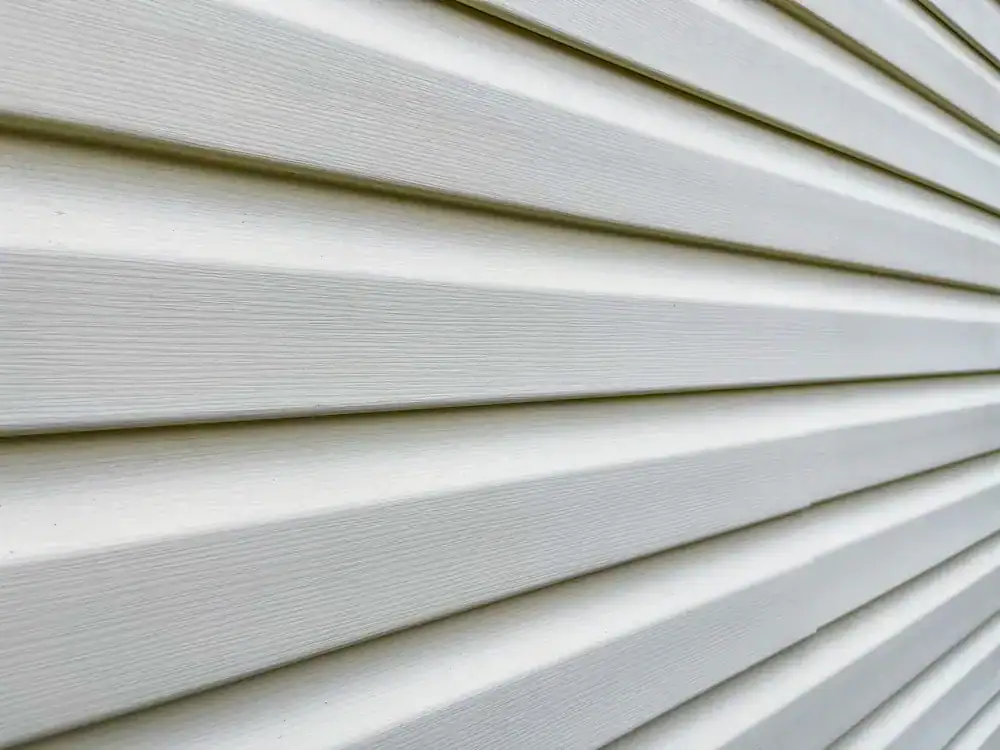
Vinyl is the most common choice for Teaneck homeowners because it’s durable, low-maintenance, and available in profiles that complement the Colonial and Tudor styles that dominate our neighborhoods. Insulated vinyl is worth the upgrade on older Teaneck homes where wall insulation is minimal — the foam backing reduces heat loss through wall studs in a way that standard vinyl doesn’t. Fiber cement is the premium option for homeowners who want the look of wood without the maintenance, and it holds up exceptionally well against the wind-driven rain that nor’easters bring through this area every year.
Every installation we do includes proper housewrap or moisture barrier underneath, correct fastening to allow for seasonal expansion and contraction, and full attention to trim, soffits, and transitions. The goal is an exterior that performs for 30-plus years — not just one that looks good on installation day.

Do I need a permit for siding installation in Teaneck, NJ?
In most cases, yes — siding replacement in Teaneck falls under the jurisdiction of the Teaneck Township Building Department, and permits are typically required for exterior renovation work. The specific requirements can depend on the scope of the project, whether structural elements are involved, and whether your property has any historic designation. Teaneck has several properties along Teaneck Road listed on the National Register of Historic Places, and homes near or within designated historic areas may be subject to additional review through the township’s Historic Preservation Commission.
We handle the permit application as part of the job — you shouldn’t have to navigate that on your own. What you should avoid is hiring a contractor who skips the permit process entirely. Unpermitted work can create real problems when you go to sell, refinance, or file an insurance claim. It’s not worth the shortcut.
What siding material holds up best against New Jersey winters?
For most Teaneck and Bergen County homeowners, premium vinyl or fiber cement are the two strongest options for handling New Jersey’s freeze-thaw cycles, nor’easters, and wind-driven rain. Standard vinyl has come a long way from the thin, brittle product it was decades ago — modern premium vinyl is impact-resistant, holds color well, and expands and contracts with temperature changes without cracking when it’s properly installed with the right fastening technique.
Fiber cement, like James Hardie, is denser and doesn’t expand or contract as much with temperature swings, which makes it particularly stable through harsh winters. It’s also non-combustible and highly resistant to moisture — relevant in Teaneck given the township’s proximity to the Hackensack River and the elevated ambient moisture that comes with it. The tradeoff is cost and installation complexity; fiber cement is heavier and requires more skilled handling than vinyl. For most mid-century homes in Teaneck’s residential neighborhoods, insulated vinyl hits the best balance of performance, aesthetics, and value.
How do I know if my siding needs full replacement or just repair?
The visible stuff — cracked panels, faded color, a few sections that took damage in a storm — doesn’t always tell the full story. On Teaneck’s older homes, the more important question is what’s happening underneath. Siding that looks worn on the surface might be hiding water damage to the sheathing, failed housewrap, or mold growth that’s been developing quietly for years. That kind of damage doesn’t show up until you pull a panel.
A professional inspection is the only reliable way to answer this question. During a free inspection, one of our qualified contractors will assess not just the siding panels themselves but what’s behind them — checking for soft spots, moisture intrusion, and substrate integrity. If the damage is isolated to a few panels and the underlying structure is sound, targeted repair is often the right call. If the siding is aging uniformly, the housewrap has failed, or there’s widespread moisture damage, full replacement is the more cost-effective long-term choice. Getting that assessment costs you nothing upfront and saves you from making a $15,000 decision based on incomplete information.
How long does siding installation take on a typical Teaneck home?
For a standard single-family home in Teaneck — a Colonial, Cape Cod, or split-level in the 1,500 to 2,500 square foot range — most siding installations take anywhere from three to seven days, depending on the size of the home, the complexity of the roofline, and what’s discovered underneath the existing cladding. Homes with dormers, multiple gable ends, or intricate trim work take longer than straightforward rectangular exteriors.
One factor that affects timing in Bergen County specifically is weather. Vinyl installation in very cold temperatures requires extra care because the material becomes more brittle and less forgiving — most experienced contractors plan around the forecast and won’t rush a cold-weather install. Spring and fall are the peak seasons for siding work in this area, and quality contractors’ schedules fill up fast. If you’re thinking about a project for this spring or before the next winter, booking your free estimate sooner rather than later gives you more flexibility on timing.
What should be included in a siding installation estimate in Teaneck, NJ?
A thorough written estimate for siding installation in Teaneck should cover more than just the cost of panels. It should itemize: removal and disposal of the existing siding, installation of new housewrap or moisture barrier, the siding material itself with the specific product and profile named, all trim and accessory work (J-channel, corner posts, soffit and fascia if applicable), fastening hardware, and final cleanup. Labor should be broken out clearly, not buried in a lump sum.
What you’re watching for is transparency. Lowball estimates that leave out moisture barrier installation, trim work, or disposal fees are a common tactic — the number looks good until the final invoice arrives with line items that weren’t in the original quote. Ask any contractor you speak with to walk you through exactly what’s included and what isn’t. A contractor who gives you a written estimate and stands behind it is telling you something important about how we operate. That written commitment is worth more than a low verbal number.
Does new siding actually increase home value for Teaneck homeowners?
In a market where Teaneck homes are going to pending in roughly 18 days, first impressions carry real weight. New siding is consistently one of the highest-return exterior improvements in terms of resale value — national remodeling cost-versus-value data regularly puts vinyl siding replacement in the 70 to 80 percent cost recoup range, and in a competitive Bergen County market, the impact on buyer perception can push that higher.
Beyond the sale scenario, there’s the day-to-day value. Lower energy bills from insulated vinyl, reduced maintenance costs compared to aging wood or aluminum siding, and the peace of mind that comes from knowing your home’s exterior is actually protecting the structure underneath — those benefits start the day installation is complete, not just when you list the home. For a Teaneck home valued in the $575,000 to $730,000 range, a siding project that protects the asset, reduces ongoing costs, and improves curb appeal is a straightforward investment, not a luxury.
Other Services we provide in Teaneck