
Siding Installation in Scotch Plains, NJ
Protection That Lasts, Curb Appeal That Stays
Hear from Our Customers
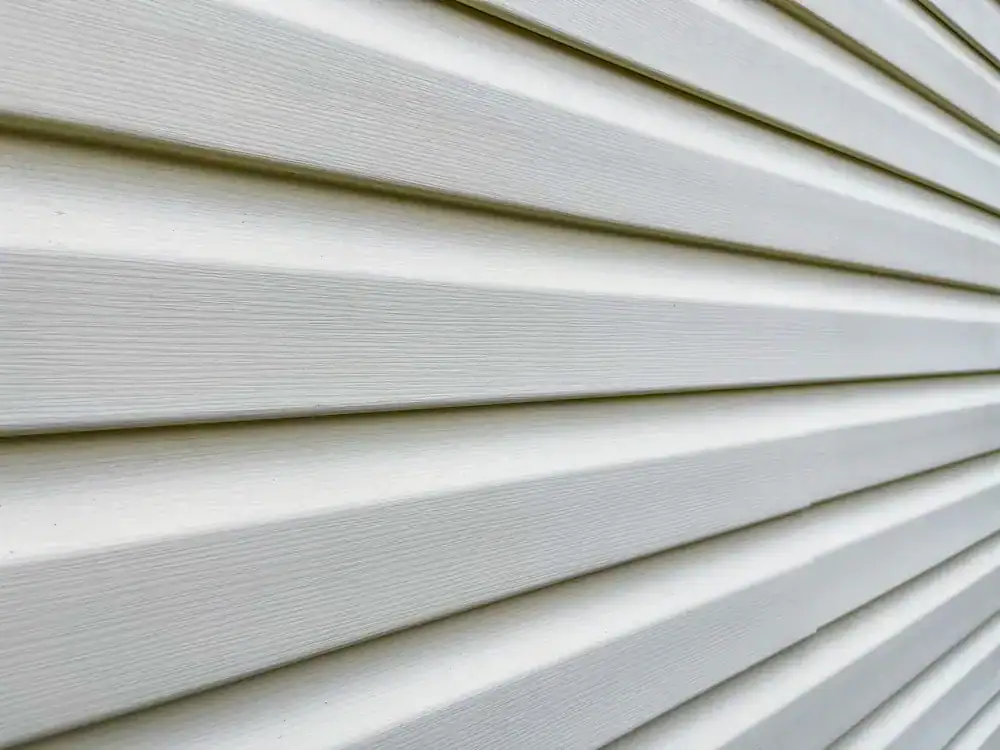
Vinyl Siding Installation Scotch Plains
Water finds every gap, crack, and poorly sealed seam. When siding fails, moisture gets behind your walls and the damage spreads fast—rotted wood, mold growth, insulation problems, and repair bills that climb into the thousands.
Proper siding installation creates a weathertight barrier that keeps water out and your heating and cooling costs down. You’re looking at decades of protection instead of constant maintenance. Modern vinyl and fiber cement materials don’t need repainting every few years like wood, and they hold up against the freeze-thaw cycles and summer storms that hit Scotch Plains hard.
The right installation also changes how your home looks from the street. Fresh siding updates older homes without the cost of a full renovation, and it’s one of the few exterior upgrades that actually returns most of your investment when you sell. You’re protecting what you own and making it worth more at the same time.
Siding Contractors Scotch Plains, NJ
We’ve spent over ten years handling roofing, siding, and gutter projects for homeowners across Scotch Plains. We’re licensed, insured, and certified by major manufacturers—which means your warranties stay valid and your installation meets the standards that matter.
Most of the homes in Scotch Plains were built between the 1940s and 1960s. That housing stock needs exterior work done right, especially when original siding is failing or outdated materials are causing problems. We’ve worked on enough of these homes to know what holds up and what doesn’t in this climate.
You’ll get a free estimate and inspection with transparent pricing. No surprises, no pressure. Just clear communication from start to finish and work that’s built to last.

Our Siding Installation Process
First, we come out to inspect your current siding and look for any underlying issues—water damage, rot, structural concerns. You need to know what’s happening behind the surface before new siding goes up, or you’re just covering up problems that will get worse.
Next, we walk you through material options based on your home’s architecture, your budget, and what performs best in New Jersey weather. Vinyl is low-maintenance and cost-effective. Fiber cement offers superior durability and fire resistance. We’ll explain what each material actually does so you can make an informed decision, not just pick based on price or appearance.
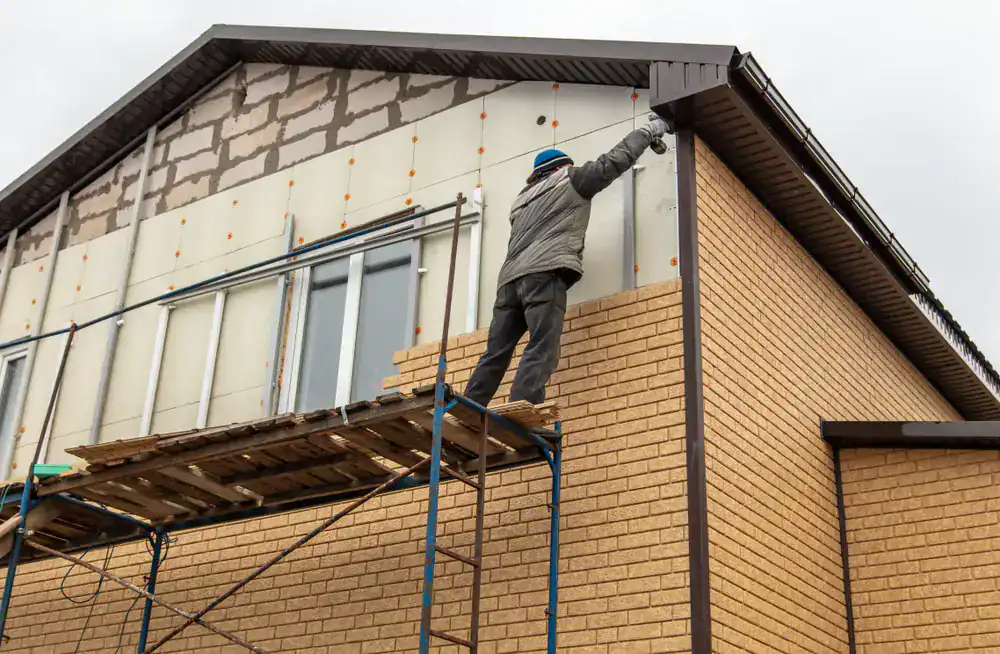
Once you approve the estimate, we schedule the installation. Our crew removes old siding carefully to avoid damage to your home’s structure, then installs moisture barriers and insulation before the new siding goes on. Every seam, corner, and edge gets sealed properly—that’s where most water infiltration happens, and it’s where most contractors cut corners.
After installation, we inspect the full job and clean up completely. You get documentation for warranties and any certifications that apply to your materials. The whole process typically takes a few days to a week depending on your home’s size, and we keep you updated the entire time.

Ready to get started?
Siding Services Scotch Plains Homeowners Need
A complete siding installation covers more than just putting up panels. We handle removal of old materials, inspection and repair of underlying structure, installation of proper moisture barriers and insulation, and full siding installation with manufacturer-approved methods. Every trim piece, corner, and J-channel gets installed to keep water moving away from your home.
Scotch Plains sees its share of severe weather. The area experienced multiple severe storms in 2024 alone, and homes here deal with heavy rain, high winds, and temperature swings that stress exterior materials. Your siding needs to handle that without failing, which means proper installation matters more than the material itself.
Most homeowners in Scotch Plains are dealing with older housing stock that may have outdated or failing siding. Wood siding that’s reached the end of its 15-25 year lifespan. Vinyl that’s cracked or warped from age. Aluminum that’s dented and faded. Replacing it now prevents the water damage that turns a siding job into a full wall reconstruction project.
We also handle siding repairs when full replacement isn’t necessary yet. If you’ve got isolated damage from a storm or a section that’s failing, we can match materials and fix the problem before it spreads. But we’ll be honest about when repair makes sense and when replacement is the smarter move.

How much does siding installation cost in Scotch Plains, NJ?
Siding installation costs vary based on your home’s size, the material you choose, and the condition of your existing exterior. Vinyl siding typically runs less than fiber cement, but both offer strong returns on investment—you can recoup up to 77% of the cost when you sell.
For an average single-family home in Scotch Plains, you’re looking at a range that depends heavily on square footage and material quality. Higher-end materials cost more upfront but require less maintenance and last longer, which changes the math over time.
We provide free estimates that break down material costs, labor, and any additional work needed like structural repairs or moisture barrier upgrades. You’ll know exactly what you’re paying for before any work starts, and we don’t add hidden fees or surprise charges later.
What's the best siding material for homes in Scotch Plains?
Vinyl and fiber cement are the most popular choices in this area, and both perform well in New Jersey’s climate. Vinyl siding is low-maintenance, cost-effective, and available in a wide range of colors and styles. It holds up against moisture and doesn’t need repainting, which matters when you’re dealing with humid summers and wet winters.
Fiber cement offers superior durability and fire resistance. It’s heavier and more expensive than vinyl, but it handles impact better and maintains its appearance longer. If your home has a traditional or historic look, fiber cement can replicate wood siding without the constant maintenance wood requires.
Wood siding is still an option, but it demands regular upkeep—repainting, sealing, and monitoring for rot. Most homeowners in Scotch Plains are moving away from wood because the maintenance costs add up and the material doesn’t last as long as modern alternatives. We’ll walk you through what makes sense for your specific home and budget during the estimate.
How long does siding installation take?
Most siding installations take between three days and a week depending on your home’s size and complexity. A straightforward ranch-style home goes faster than a two-story colonial with multiple angles and architectural details.
Weather can extend the timeline since we can’t install siding in heavy rain or extreme cold—the materials won’t seal properly and moisture can get trapped. We schedule around forecasts and keep you updated if conditions push the timeline back.
If we find underlying damage during removal—rotted sheathing, structural issues, or extensive water damage—that adds time to the project. We’ll let you know immediately if we discover problems that need addressing before new siding goes up. It’s better to handle those issues now than cover them up and deal with bigger problems later.
Can you install siding over existing siding?
It’s possible to install new siding over one layer of existing siding in some cases, but it’s rarely the best approach. Leaving old siding in place means you can’t inspect the underlying structure for damage, and you’re adding weight to your home’s exterior without knowing if it can handle the load.
Most importantly, installing over old siding hides problems that will continue getting worse. Water damage, rot, pest issues—they’re all still there under the new material, and they’ll eventually compromise your new installation. You end up paying twice: once for the new siding and again to fix the damage you didn’t address.
We recommend full removal in almost every situation. It costs a bit more upfront, but you get a proper inspection, any necessary repairs get handled, and your new siding goes on a clean, solid surface. That’s how you get decades of performance instead of problems showing up in a few years.
Does new siding really improve energy efficiency?
Yes, but the improvement comes from the full installation system, not just the siding panels themselves. Modern siding installations include insulation and moisture barriers that create a thermal envelope around your home. That envelope reduces heat transfer, which means your heating and cooling systems don’t work as hard.
Older homes in Scotch Plains—especially those built in the 1940s through 1960s—often have minimal exterior insulation. Adding insulated siding or upgrading the barrier system during installation can noticeably reduce your energy costs. How much depends on your current setup and what materials we use.
The energy savings add up over time, but they’re not the only reason to upgrade. The real value is in the combination: better protection from weather, lower maintenance requirements, improved appearance, and reduced energy costs. All of those together make siding installation one of the more practical home improvements you can make.
How do I know if I need siding repair or full replacement?
If damage is isolated to one area—a few cracked panels from storm debris, a section that got damaged during another repair—targeted fixes usually work fine. We can match materials and blend the repair so it’s not obvious from the street.
Full replacement makes sense when you’re seeing widespread problems: multiple areas of damage, fading or discoloration across large sections, warping or buckling, or visible water stains on interior walls. Those are signs that the siding system is failing, and patching individual spots won’t solve the underlying issue.
Age is another factor. If your siding is approaching the end of its expected lifespan—15-25 years for wood, 20-40 years for vinyl, 30-50 years for fiber cement—and you’re starting to see problems, replacement is usually smarter than ongoing repairs. We’ll give you an honest assessment during the inspection and explain what makes the most sense for your situation and budget.
Other Services we provide in Scotch Plains