
Siding Installation in Plainfield, NJ
Stop Losing Money Through Your Walls
Hear from Our Customers
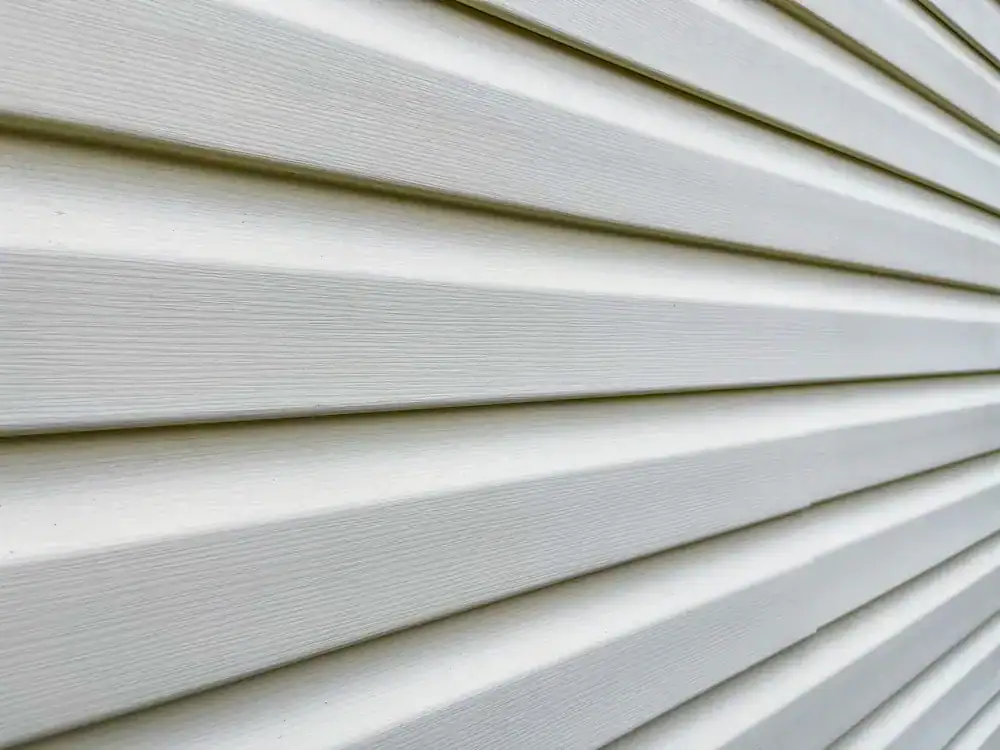
Vinyl Siding Installation Plainfield Homeowners Trust
You’ve noticed the drafts. The energy bills creeping up every winter. Maybe you’ve spotted warped panels after the last storm, or you’re just tired of scraping and repainting every few years.
New siding installation fixes all of it. Properly installed vinyl siding with insulation cuts your heating and cooling costs by up to 20%. That’s real money back in your pocket, year after year.
But the benefits go beyond your monthly utility bill. Homes with updated siding sell for 7-14% more than comparable properties with worn exteriors. You’re not just protecting your home from moisture damage and mold. You’re increasing its value the day the job is done.
And here’s what most homeowners in Plainfield don’t realize until it’s too late: waiting on damaged siding turns a straightforward replacement into structural repairs. Water finds its way behind failing panels. Insulation gets compromised. What starts as a cosmetic issue becomes a costly problem that affects your home’s bones.
Experienced Siding Contractors in Plainfield, NJ
We’ve spent 10 years handling exterior renovations across Plainfield, Edison, New Brunswick, and the surrounding Union County area. We’re licensed, insured, and certified by major manufacturers. That’s not marketing talk—it’s what protects you when the work is happening on your property.
We’re a family-run operation, which means you’re not getting a different crew every time or dealing with a call center when you have questions. You get the same team from estimate to cleanup, and we’re transparent about pricing before any work starts.
Most of our growth comes from reviews and referrals. Plainfield homeowners deal with specific challenges—coastal storms rolling in from the Atlantic, freeze-thaw cycles that crack inferior materials, humidity that breeds mold on north-facing walls. We’ve seen it all, and we know what holds up here and what doesn’t.

Our Siding Installation Process in Plainfield
It starts with a free inspection. We check for visible damage, but we also look for what you can’t see—moisture intrusion, insulation gaps, ventilation issues that’ll cause problems down the road. You get an honest assessment, not a sales pitch.
Once you’re ready to move forward, we walk you through material options. Vinyl siding is the most popular choice in Plainfield for good reason: it’s durable, low-maintenance, and handles New Jersey weather without constant upkeep. We’ll also discuss insulated options if energy efficiency is a priority, and we’ll show you color samples that actually hold up to UV exposure.
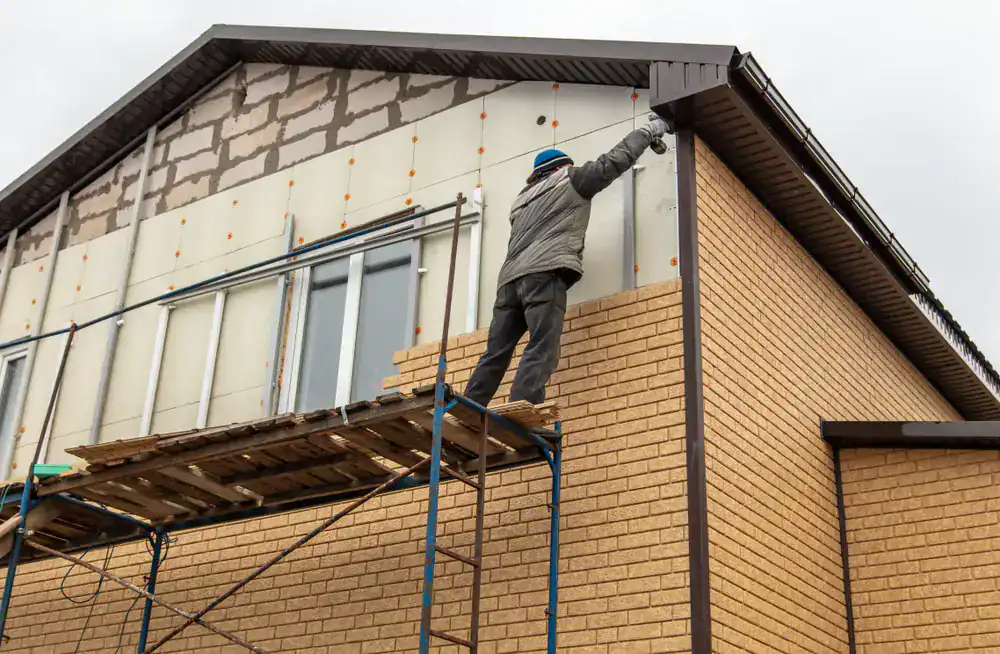
The installation itself follows manufacturer specs and local building codes. We remove your old siding, inspect and repair the substrate if needed, install proper moisture barriers, and then hang your new siding with attention to expansion gaps and proper fastening. Corners, trim, and flashing get done right—not rushed.
After installation, we do a final walkthrough with you. You’ll see what was done, how to maintain it, and you’ll have our contact information for any questions. We also help with insurance claims if storm damage is involved, handling the paperwork so you don’t have to fight with adjusters.

Ready to get started?
Siding Services for Plainfield, NJ Homes
Every siding job includes removal of your existing material, proper disposal, and a full inspection of what’s underneath. If we find rot, water damage, or structural issues, we’ll tell you before we cover it up. That’s not an upsell—it’s protecting your investment.
You’re getting quality materials designed for this climate. Plainfield sits in a zone that sees hurricane-force winds, heavy snow loads, and punishing summer humidity. The vinyl siding we install is engineered to handle wind speeds that would rip off cheaper products, and it won’t warp or fade after a few seasons of UV exposure.
Insulated vinyl siding is worth considering if your home was built before modern energy codes. The added foam backing reduces thermal bridging and can drop your energy bills significantly. In Union County, where we see temperature swings from below freezing to 90+ degrees, that insulation works year-round.
We also handle all the details most homeowners don’t think about until they’re mid-project: matching existing architectural features, coordinating colors with your roof and trim, ensuring proper ventilation so moisture doesn’t get trapped behind your new siding. These aren’t extras. They’re part of doing the job correctly the first time.

How much does siding installation cost in Plainfield, NJ?
Most siding installations in Plainfield run between $8,000 and $18,000 depending on your home’s size, the material you choose, and what we find when we remove the old siding. A typical 1,500 square foot home with standard vinyl siding usually falls in the $10,000-$13,000 range.
Insulated vinyl costs more upfront but pays for itself through energy savings within 7-10 years. If you’re dealing with storm damage, your homeowner’s insurance may cover part or all of the replacement—we’ll help you navigate that process and document everything for your claim.
The biggest cost variable is what’s hiding under your current siding. Homes built before 1980 often have moisture damage or inadequate sheathing that needs repair before new siding goes on. We catch that during the inspection so there are no surprises once the job starts.
What's the best siding material for New Jersey weather?
Vinyl siding handles New Jersey’s climate better than most alternatives. It doesn’t rot in our humid summers, it flexes during freeze-thaw cycles instead of cracking, and quality vinyl won’t fade or chalk after a few years of sun exposure. That’s why nearly half of all new siding installations in this region are vinyl.
Fiber cement is another solid option if you want the look of wood without the maintenance. It’s more expensive and requires periodic painting, but it’s extremely durable and holds up well to impact damage from hail or flying debris during storms.
Wood siding looks great but demands constant maintenance in this climate. You’re repainting or restaining every 3-5 years, and moisture is always a concern. Aluminum dents easily and shows wear quickly. For most Plainfield homeowners, vinyl offers the best balance of performance, longevity, and cost.
How long does a siding installation take?
Most residential siding installations take 5-10 days depending on your home’s size and complexity. A straightforward ranch with easy access can be done in under a week. Two-story homes with detailed trim work or challenging architectural features take longer.
Weather affects the timeline. We don’t install siding in heavy rain or when temperatures drop below freezing—the materials won’t seal properly and you’ll have problems later. If we’re mid-project and weather shuts us down, your home stays protected with temporary moisture barriers until conditions improve.
The removal and prep work usually takes 1-2 days. Installation of the new siding takes another 3-5 days. Final trim, soffit, and fascia work adds another day or two. We’ll give you a specific timeline during the estimate based on your home’s particulars, and we’ll keep you updated if anything changes during the job.
Will new siding really lower my energy bills?
Yes, if your current siding is old or damaged. Properly installed vinyl siding with insulation reduces heating and cooling costs by 15-20% on average. That translates to $200-$400 per year for most Plainfield homes, depending on your current energy usage and how inefficient your existing exterior is.
The energy savings come from better insulation values and eliminating air leaks. Old siding develops gaps at seams and around windows. Those gaps let conditioned air escape and outside air infiltrate. New siding with proper installation seals your home’s envelope and reduces the workload on your HVAC system.
Insulated vinyl siding adds an extra R-value of 2-3, which doesn’t sound like much but makes a noticeable difference in comfort and cost. Your furnace won’t cycle as often in winter. Your AC won’t run constantly in summer. The energy savings are real and measurable, and they continue for the 20-30 year lifespan of your siding.
Do I need to replace my siding if it's just damaged in one area?
It depends on the age and condition of your existing siding. If your siding is less than 10 years old and the damage is isolated—say, a few panels cracked by a fallen branch—a repair might make sense. We can often match colors and replace individual sections without a full replacement.
But if your siding is 15+ years old, or if we find moisture damage behind the affected area, a partial repair usually isn’t the smart move. You’ll end up with mismatched colors as the old siding continues to fade, and you’re likely to see more failures in other areas within a few years.
Storm damage is the exception. If you have insurance coverage, it often makes financial sense to replace all the siding rather than patch it. Insurance companies understand that matching discontinued colors and styles is difficult, and they’ll frequently approve a full replacement when the damage is significant enough. We’ll document everything and work with your adjuster to get you the coverage you’re entitled to.
How do I know if my siding needs to be replaced?
Warping, cracking, or loose panels are obvious signs. If you can see daylight between your siding and your house, or if panels are pulling away from the structure, water is getting in and causing damage you can’t see yet.
Fading and chalky residue mean your siding has lost its protective coating and is breaking down from UV exposure. Mold, moss, or mildew that keeps coming back even after cleaning indicates trapped moisture and poor ventilation—both problems that get worse over time.
Inside your home, watch for peeling paint or wallpaper, especially on exterior walls. That’s moisture coming through from outside. Sudden spikes in your energy bills without explanation often mean your siding is no longer insulating properly. If you’re repainting or scraping every few years just to keep your siding looking decent, you’ve passed the point where replacement makes more sense than ongoing maintenance.
Other Services we provide in Plainfield