
Siding Installation in Plainfield, NJ
Plainfield's Older Homes Deserve More Than a Quick Fix
Hear from Our Customers
Siding Contractors in Plainfield, NJ
When siding fails on a Plainfield home, it rarely fails quietly. You start noticing higher energy bills, moisture stains on interior walls, or paint bubbling around window frames. By the time those signs show up, the damage has usually been building for a while — and what started as worn cladding has turned into a substrate problem that costs real money to fix.
New siding changes that equation. A properly installed system keeps water out, stabilizes interior temperatures, and stops the cycle of patching that never quite holds. For homes in Plainfield’s historic neighborhoods — the Crescent Area, Van Wyck Brooks, Sleepy Hollow — that also means restoring the kind of curb appeal that matches the architectural character these streets are known for.
Plainfield’s climate adds real pressure to exterior cladding. The freeze-thaw cycles that hit every winter force water into every gap and crack, expanding them further with each pass. Summers bring humidity that aging siding handles poorly. Getting the right material installed correctly — with proper expansion allowances, moisture barriers, and flashing at every penetration — is what separates a siding job that lasts 30 years from one you’re revisiting in five.
Local Siding Company Serving Plainfield, NJ
We’ve been working on exterior renovations across Union County for about ten years, with deep experience on the specific housing stock in Plainfield. We know what’s typically hiding under the siding on a pre-war home near Netherwood Station versus what you’d find on a Victorian on West 8th Street. This area’s housing stock is distinct, and experience with it matters.
We’re a family-run operation, which means the people making decisions about your project are the same people accountable for the outcome. We carry full NJ Home Improvement Contractor registration, general liability insurance, and manufacturer certifications — not because they look good on a website, but because they protect you if anything goes sideways.
Every project starts with a free inspection and a written estimate that doesn’t change once work begins. No surprise line items, no pressure to approve additional scope on the spot. Just a clear picture of what your home needs and what it’s going to cost.

Residential Siding Contractors in Plainfield, NJ
It starts with a free inspection. We come out, look at what’s on your home right now, and give you an honest read — not a sales pitch. On a lot of Plainfield homes, that means checking the condition of the substrate underneath the existing cladding, because what’s on the surface doesn’t always tell the full story. If the sheathing or framing behind your siding has taken on moisture damage, that needs to be part of the conversation before a single new panel goes up.
Once we’ve assessed the home, we walk you through material options that make sense for your specific situation — the architectural style of your home, your neighborhood’s character, and how each material holds up in New Jersey winters. If your property falls within one of Plainfield’s historic districts, we’ll flag that early and help you understand what design review may require before permits are pulled. Plainfield’s Construction Division requires permits for siding replacement, and we handle that process as part of the job.
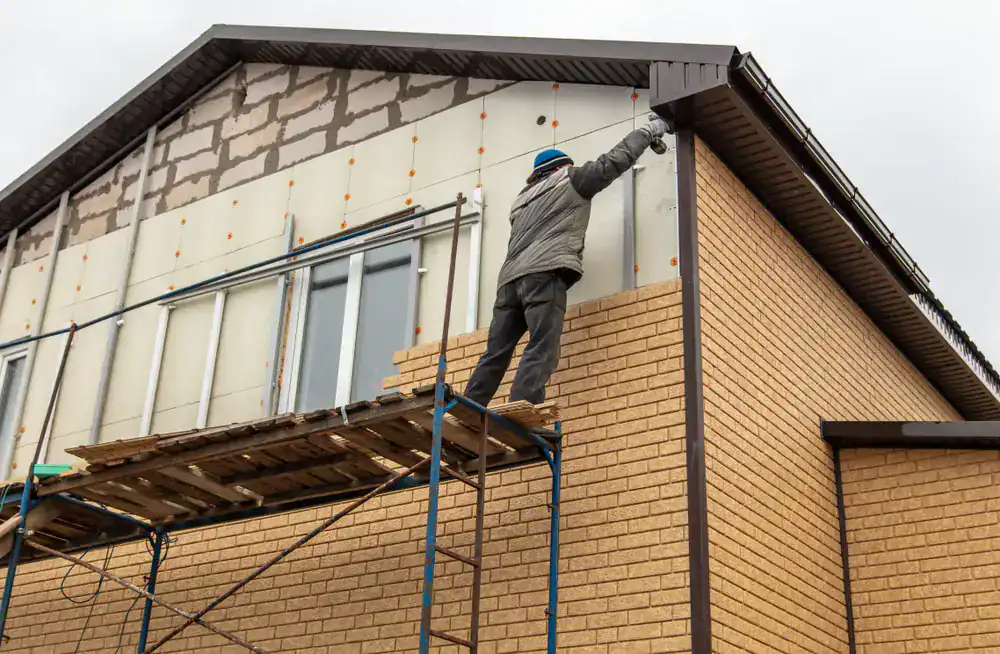
Installation is clean, organized, and communicated throughout. You’ll know when our crew is arriving, what they’re doing each day, and what the finished scope looks like before they leave. Final walkthrough is with you — not just a crew sign-off.

Ready to get started?
Vinyl Siding Contractors in Plainfield, NJ
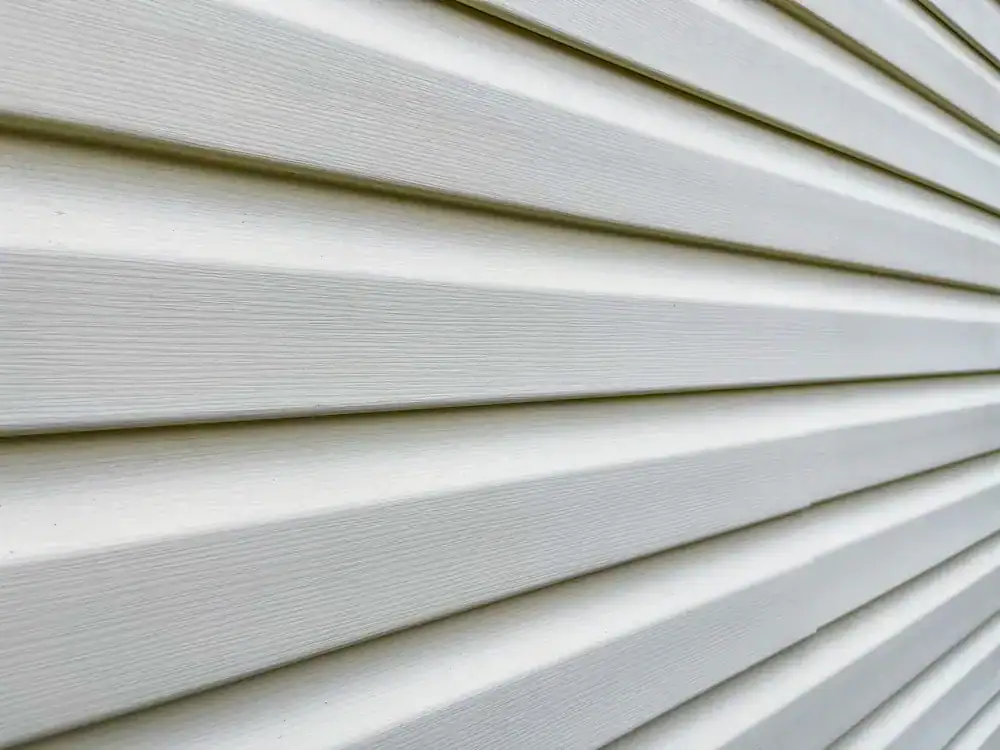
Not every siding material is the right fit for every home in Plainfield, and that’s a conversation worth having before you commit. Vinyl siding remains one of the most popular choices for good reason — it’s durable, low-maintenance, and handles New Jersey’s humidity and temperature swings well when installed with proper expansion gaps. For homes where cost-efficiency matters and architectural detail isn’t a constraint, it’s a strong option.
Fiber cement — James Hardie being the most recognized name — is the go-to for homes where the profile and texture need to match older architectural styles. In Plainfield’s historic districts, where the Van Wyck Brooks and Crescent Area design standards call for materials that complement Victorian and Italianate architecture, fiber cement can replicate the look of original wood clapboard without the maintenance demands. It also holds paint longer and handles freeze-thaw stress better than most alternatives.
For homes where sections of siding are still sound, we’ll tell you that too. A full replacement isn’t always the answer, and part of what a free inspection gives you is an honest breakdown of what actually needs to go versus what has years of life left. Whatever direction makes sense for your home, you’ll get a written estimate that covers materials, labor, removal, disposal, and permit fees — all in before work starts.

Do I need a permit to replace siding on my Plainfield, NJ home?
In most cases, yes. Plainfield’s Construction Division requires permits for siding replacement, and skipping that step can create real problems — especially when it comes time to sell your home. Unpermitted work can delay closings, trigger required remediation, or complicate title insurance. It’s a record that the work was done to code and inspected.
If your home is located in one of Plainfield’s designated historic districts — Van Wyck Brooks, the Crescent Area, Sleepy Hollow, or Netherwood Heights — there’s an additional layer of review through the Historic Preservation Commission before a permit is issued. That process exists to ensure that exterior changes are compatible with the architectural character of the district. We’re familiar with how that process works and factor it into the project timeline from the start, so it doesn’t catch you off guard midway through.
How do I know if my siding needs to be fully replaced or just repaired?
The honest answer is that it depends on how far the damage has spread — and a surface inspection alone won’t always tell you. On older Plainfield homes, siding that looks manageable from the street can be hiding moisture damage in the sheathing underneath. Cracked or missing panels let water in, and once that water reaches the substrate, you’re dealing with rot that repair work can’t address.
The indicators that point toward full replacement rather than repair include widespread cracking or warping across multiple elevations, siding that’s more than 30–40 years old and showing consistent wear, visible moisture staining on interior walls that traces back to the exterior, and energy bills that have climbed without an obvious explanation. A free inspection gives you a specific answer for your specific home — not a blanket recommendation to replace everything. If sections of your siding are still performing, we’ll say so.
What siding material holds up best in New Jersey's climate?
For most homes in Plainfield, the two materials worth serious consideration are vinyl and fiber cement. Vinyl is cost-effective and handles New Jersey’s humidity well, but it needs to be installed with proper expansion gaps — vinyl contracts in cold and expands in heat, and improper installation leaves you with buckling panels by summer. It also becomes more brittle in extreme cold, so installation timing matters.
Fiber cement performs well across New Jersey’s full climate range — it handles freeze-thaw cycles better than vinyl, holds paint significantly longer, and doesn’t warp or rot the way wood does. The tradeoff is cost and installation complexity; it’s heavier and requires more labor. For homes in Plainfield’s historic districts where the profile and texture need to match original architectural details, fiber cement is often the better fit regardless of cost, because it can replicate the look of original wood clapboard in a way that vinyl profiles typically can’t.
How long does siding installation take on an older Plainfield home?
For a standard single-family home, siding installation typically runs between three and seven days depending on the size of the home, the material being installed, and what’s found underneath the existing cladding. On older Plainfield homes — particularly the Victorians and early-20th-century colonials common in neighborhoods like Sleepy Hollow and the Crescent Area — it’s not unusual to uncover substrate issues that add time to the project.
That’s not a reason to panic, but it is a reason to have an honest conversation before work starts about what the inspection revealed and what the contingency plan looks like if additional substrate work is needed. We don’t start that conversation after demo begins — we flag likely issues during the initial inspection and build realistic timelines from there. Permit approval through Plainfield’s Construction Division also factors into scheduling, which is another reason to start the process early, particularly in spring when contractor schedules fill up quickly.
Is fiber cement siding a good choice for homes in Plainfield's historic districts?
For many homes in Plainfield’s designated historic districts, fiber cement is one of the strongest options available. The Historic Preservation Commission’s design review process looks at whether proposed exterior materials are compatible with the architectural character of the district — and fiber cement, particularly James Hardie’s lap siding profiles, can closely replicate the look of original wood clapboard that was standard on Victorian and Italianate homes built in the 1870s through early 1900s.
Beyond aesthetics, fiber cement holds up well against the specific conditions Plainfield’s older homes face — moisture infiltration from aging substrates, freeze-thaw stress at joints and penetrations, and the general wear that comes with a home that’s been through decades of New Jersey winters. It doesn’t rot, doesn’t warp, and holds paint far longer than wood. If you’re working on a home in the Van Wyck Brooks or Crescent Area districts, it’s worth discussing fiber cement specifically — both for its performance and for how it typically lands with the design review process.
How do I verify that a siding contractor in Plainfield, NJ is properly licensed?
New Jersey requires every home improvement contractor to be registered with the NJ Division of Consumer Affairs under the Home Improvement Contractor program. This isn’t optional — it’s a legal requirement under the Consumer Fraud Act, and hiring an unregistered contractor removes the legal protections that registration gives you. If something goes wrong with an unregistered contractor, your options for recourse are significantly limited.
You can verify a contractor’s registration directly through the NJ Division of Consumer Affairs website by searching their business name or registration number. Beyond state registration, look for general liability insurance and workers’ compensation coverage — both matter on a job that involves elevated work on older homes. Manufacturer certifications are a separate credential worth asking about; certified installers have demonstrated knowledge of specific installation requirements, and that certification is often what unlocks extended warranty coverage on materials. Before signing anything, ask for proof of all three — registration, insurance, and certifications — and verify them independently rather than taking the contractor’s word for it.
Other Services we provide in Plainfield