
Siding Installation in Overlook, NJ
Weather-Tight Siding That Cuts Your Energy Bills
Hear from Our Customers
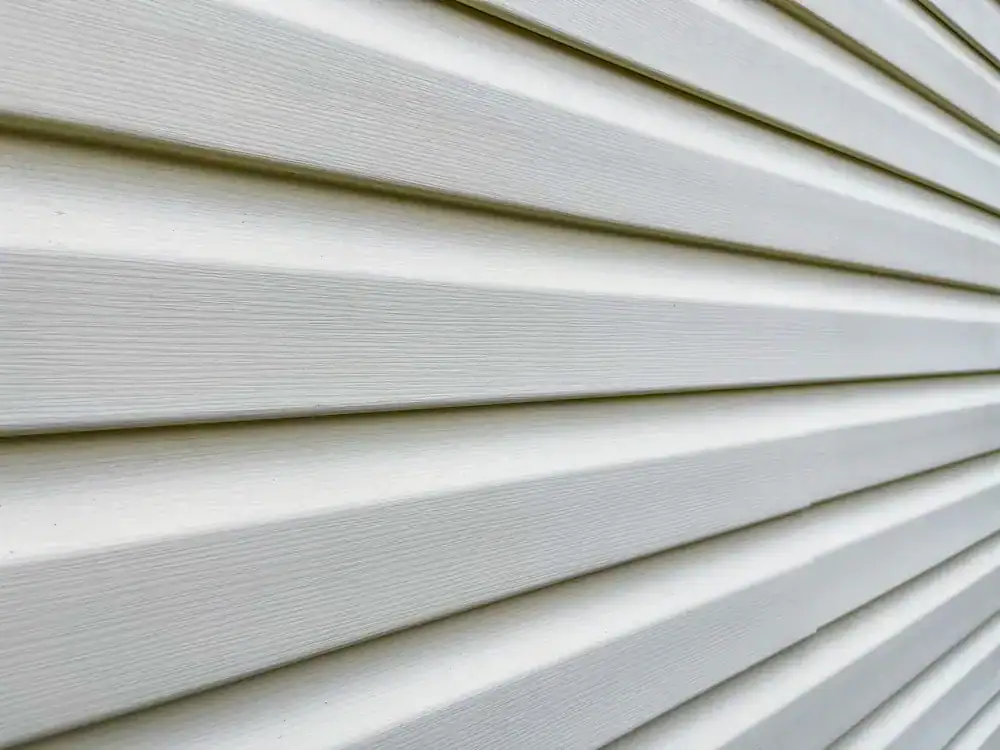
Vinyl Siding Contractors in Overlook
You crank the heat in winter and it still feels drafty. Your energy bills keep climbing. That’s what happens when siding fails.
Proper siding installation does more than make your house look better. It creates a thermal barrier that keeps conditioned air inside where it belongs. Homeowners who upgrade to insulated vinyl siding see heating and cooling costs drop by 10-15% annually. That’s real money back in your pocket every month.
New siding also stops moisture before it becomes a structural nightmare. Water that gets behind old, cracked panels leads to rot in your sheathing and framing. It creates mold. It compromises insulation. One small crack turns into thousands in repairs if you wait too long.
The right siding installation protects your home from New Jersey’s nor’easters, summer heat waves, and everything in between. It holds up against wind, rain, and hail without warping or splitting. And it does all this while boosting your home’s resale value by up to 78% of the installation cost.
Trusted Siding Company Overlook, NJ
We’ve spent 10 years handling exterior renovations across Overlook, NJ and surrounding areas. We’re licensed, insured, and certified by major manufacturers to install their products correctly.
We started with roofing and expanded into siding because homeowners kept asking. They wanted one contractor who understood how all the exterior components work together. Someone who wouldn’t cut corners or disappear after the deposit cleared.
Our approach is straightforward. We show up when we say we will. We give you a free estimate with transparent pricing. We walk you through the insurance claim process if storm damage is involved. Then we install your siding right the first time so you’re not calling us back for repairs six months later.

Our Siding Installation Process
It starts with a free inspection. We look at your current siding to identify damage, moisture intrusion, and energy loss. We measure everything and discuss material options that fit your budget and climate needs.
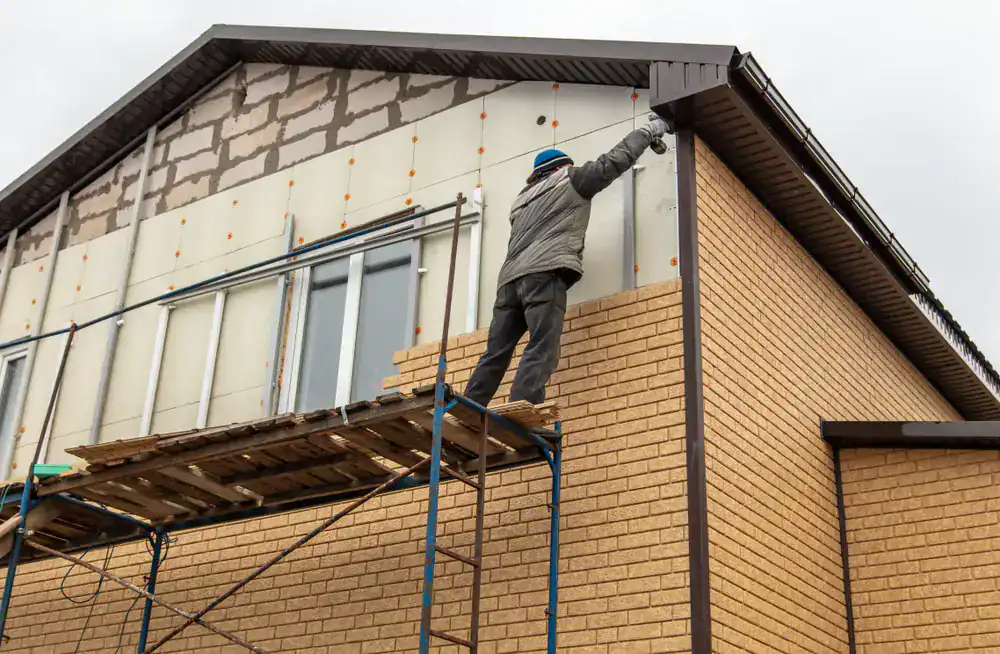
Once you approve the estimate, we order materials and schedule installation around your timeline. We protect your landscaping and property before removing old siding. Then we inspect the underlying structure for any rot or damage that needs addressing before new panels go up.
Installation involves securing a weather-resistant barrier, then fastening each panel according to manufacturer specs. Proper spacing matters. Nail placement matters. These details determine whether your siding expands and contracts correctly through temperature swings or buckles within a year.
We clean up completely when we’re done. No nails in your driveway. No debris in your yard. Just new siding that’s ready to handle whatever weather comes next. The whole process typically takes a few days depending on your home’s size, and we keep you updated at every step.

Ready to get started?
Siding Services in Overlook, NJ
Overlook sits in a climate zone that demands durable exterior materials. Winters drop below freezing. Summers hit 90 degrees with high humidity. Storms roll through with heavy rain and wind that test every seam and fastener on your house.
We install vinyl siding that withstands winds over 110 mph and lasts 20-40 years with minimal maintenance. It won’t rot, doesn’t need repainting, and resists fading even in direct sun. For homeowners who want maximum durability, we also offer fiber cement options like James Hardie, which is engineered specifically for climate extremes and resists fire, water, and pest damage.
Insulated siding adds an extra layer of thermal protection. It reduces drafts and cold spots while cutting your annual energy expenses. Some homeowners qualify for tax credits up to 30% of material costs under the Inflation Reduction Act when they upgrade to energy-efficient siding.
We handle everything from full replacements to storm damage repairs. If your insurance covers the work, we’ll help you navigate the claim process so you get the coverage you’re entitled to without the runaround.

How much does siding installation cost in Overlook, NJ?
Most homeowners in the Overlook area pay between $7 and $8 per square foot for vinyl siding installation. For a typical 1,500 square foot project, expect costs around $10,500 to $12,000 depending on material choice and project complexity.
Fiber cement siding costs more upfront but lasts longer and requires less maintenance. Insurance sometimes covers replacement if storm damage is documented. We provide free estimates that break down material and labor costs so you know exactly what you’re paying for before any work begins.
Price varies based on your home’s size, the condition of underlying structure, and whether we’re doing a full replacement or partial repair. Homes with extensive rot or water damage need additional prep work before new siding goes up, which affects the final cost.
How long does vinyl siding last in New Jersey?
Quality vinyl siding lasts 20 to 40 years in New Jersey’s climate when installed correctly. The key is proper installation. Panels need room to expand and contract with temperature changes. Nails driven too tight cause buckling. Panels cut incorrectly create gaps where water gets in.
New Jersey weather is tough on exterior materials. Freezing winters, hot humid summers, and occasional severe storms all take their toll. Vinyl holds up better than wood in these conditions because it doesn’t rot, doesn’t need repainting, and resists moisture damage.
You’ll get the most life out of your siding by choosing thicker panels with fade-resistant color. Cheaper thin vinyl warps and cracks faster. We only install products rated for high wind speeds and temperature extremes so your investment actually lasts the full lifespan.
What are signs my siding needs replacement?
Cracks and holes are the obvious ones. But you should also watch for warping, loose panels, and fading color. If you see water stains or mold on interior walls, that’s a sign moisture is getting behind your siding.
Higher energy bills often indicate failing siding. When panels no longer seal properly, conditioned air escapes and outdoor air gets in. Your HVAC system works harder to maintain temperature, and you pay more every month.
Storm damage isn’t always visible from the ground. Hail creates dents. High winds loosen fasteners. Flying debris chips and cracks panels. After major weather events, it’s worth getting a free inspection to catch damage before it leads to bigger structural problems. Small issues are cheaper to fix than rot in your wall framing.
Can new siding really lower my energy bills?
Yes. Insulated vinyl siding can reduce heating and cooling costs by 10-15% annually according to multiple industry studies. That translates to several hundred dollars in savings each year for most homeowners.
The energy savings come from better thermal performance. Insulated siding adds an extra layer between your home’s interior and outside temperatures. It reduces drafts, eliminates cold spots, and helps your HVAC system maintain consistent temperatures without working as hard.
Older homes in Overlook often have minimal wall insulation. Adding insulated siding improves your home’s overall energy efficiency without the cost and disruption of tearing into interior walls. You also qualify for federal tax credits up to 30% of material costs when you upgrade to energy-efficient siding, which helps offset the initial investment.
How long does siding installation take?
Most residential siding installations take three to seven days depending on your home’s size and project scope. A typical single-family home averages four to five days from start to finish.
Timeline depends on several factors. Larger homes take longer. Homes with extensive rot or structural damage need extra prep time before new siding goes up. Weather delays are possible since we can’t install in heavy rain or extreme temperatures.
We give you a clear timeline during the estimate process. We schedule around your availability and keep you updated if anything changes. The goal is to complete quality work efficiently without rushing through steps that matter for long-term performance. You’ll know what to expect before we start, and we stick to that schedule unless weather or unforeseen structural issues require adjustments.
Does siding installation require permits in Overlook?
Most siding replacement projects in Overlook, NJ require building permits. The permit ensures work meets local building codes and is inspected for proper installation.
We handle permit applications as part of our service. We know what local building officials require and make sure all paperwork is filed correctly before work begins. This protects you from code violations and issues when you sell your home.
Permit costs are typically a few hundred dollars and are included in our project estimate. Skipping permits might seem like a way to save money, but it creates problems down the road. Unpermitted work can affect your insurance coverage, home resale value, and leave you liable if something goes wrong. We do it right from the start so you don’t have headaches later.