
Gutter Replacement in Overlook, NJ
Overlook Homes Are Older — Your Gutters Probably Show It
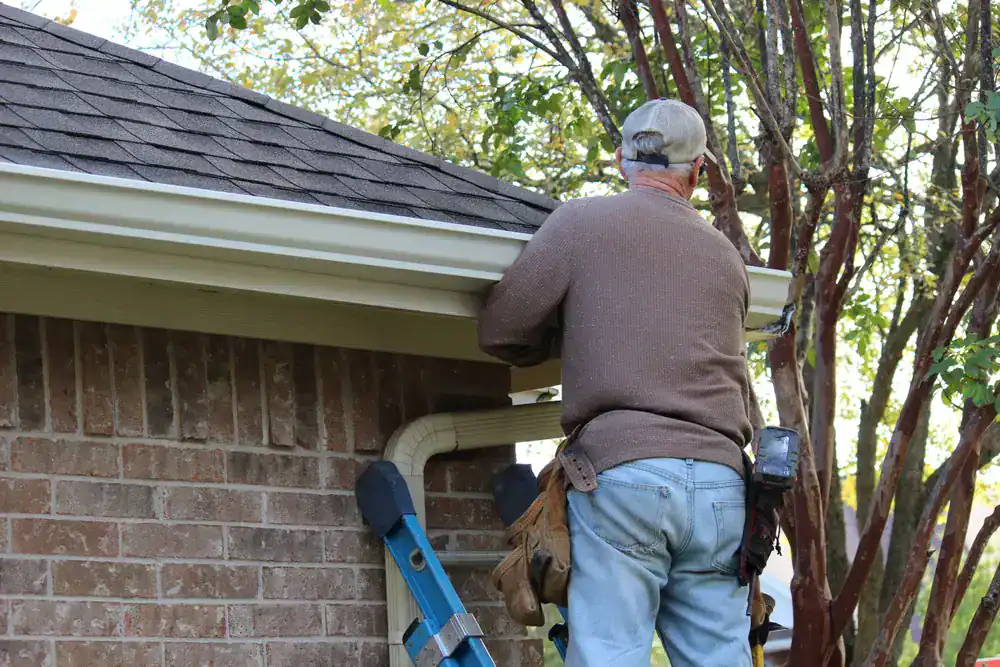
Hear from Our Customers
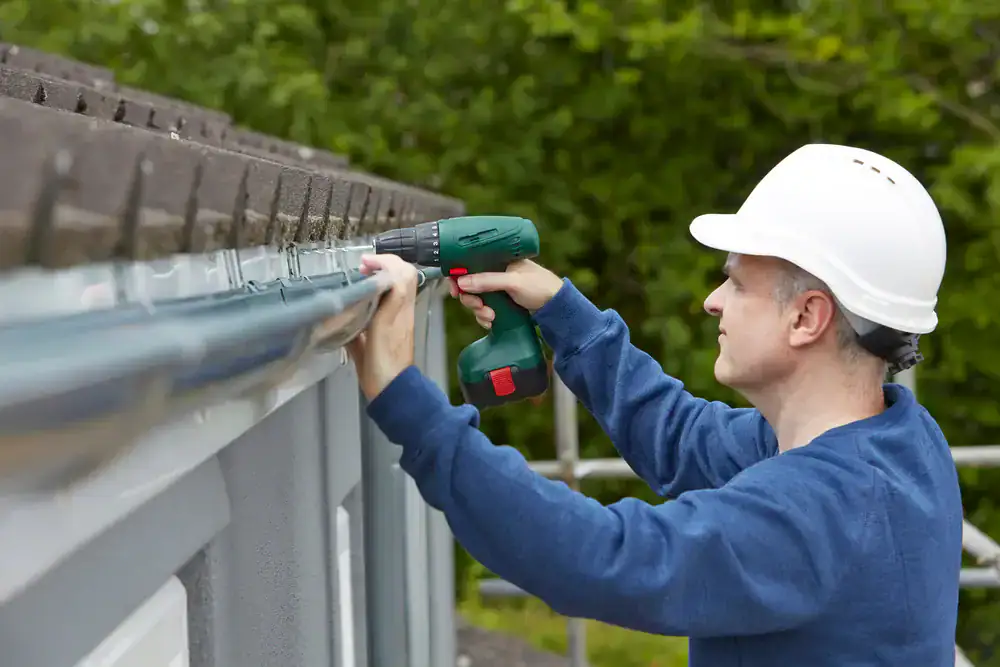
Rain Gutter Replacement Overlook, NJ
Water goes where it’s supposed to — away from your foundation, your fascia, and your basement. For a home worth over a million dollars in Overlook, that’s not a small thing. Gutters that overflow or pull away from the roofline don’t just look bad. They let water sit against wood, seep behind siding, and pool at the base of your foundation. Over time, that becomes a remediation bill that makes gutter replacement look like the deal of the century.
Overlook’s tree-lined streets and proximity to Briant Park mean your gutters are collecting leaves, seed pods, and debris from spring through fall. That organic buildup holds moisture against the metal, accelerates rust and seam failure, and turns a minor maintenance issue into a full replacement job faster than most homeowners expect. A properly installed seamless system with the right pitch and hanger spacing handles that load without fighting it.
Summit also deals with real winters — temperatures dropping into the 20s, freeze-thaw cycles that stress every fastener and seam in your gutter system. Ice dams form when heat escapes through the roofline and refreezes at the eave, and when your gutters are already compromised, that water has nowhere safe to go. Replacing an aging gutter system before winter isn’t just preventive maintenance. It’s protecting the investment you’ve already made in this home.
Gutter Replacement Company in Overlook, NJ
We’ve been working on homes across Union County for a decade, with deep experience in the Overlook and Briant Park neighborhoods. That’s ten years of older housing stock, varied rooflines, aging fascia boards, and the kind of hidden damage you only find when you actually pull the old gutter off and look. We’re licensed, certified by major manufacturers, and we’ve built our reputation almost entirely through customer reviews — not advertising. That means every job has to be worth recommending.
Our primary expertise is roofing, which makes a real difference in gutter replacement. Gutters and roofs are part of the same drainage system, and a contractor who understands both can catch problems at the roof-to-gutter interface that a gutter-only crew would walk right past. For Overlook homes — many of them original builds near Briant Park, with decades of deferred wear on exterior systems — that kind of assessment matters.
You get a free inspection, transparent pricing before any work starts, and clear communication throughout. No chasing anyone down for updates. No surprises on the final invoice.

House Gutter Replacement Contractors Overlook, NJ
It starts with a free inspection. Before anything is quoted or scheduled, a technician walks your roofline and assesses the full gutter system — pitch, fastener condition, seam integrity, and the fascia boards behind the gutters. In Overlook’s older homes, that fascia inspection is critical. Rotted wood behind a gutter won’t hold a new installation, and it’s far better to find that now than mid-job. If there’s fascia damage, it gets identified upfront and priced into the estimate — not discovered on day two.
Once the scope is clear, you get a straightforward quote. If you’re moving forward, gutters are custom-fabricated on-site using seamless aluminum runs cut to your home’s exact measurements. There are no pre-cut sections pieced together with seam joints — just a single continuous run from corner to downspout. Hidden hanger fasteners are installed every 24 to 36 inches, the system is pitched correctly toward each downspout, and every connection point is sealed. For homes near Briant Park with heavy seasonal leaf fall, gutter guard options are also available and worth discussing during the inspection.
Summit’s fall and late-winter windows are the two busiest periods for gutter replacement calls. If your Overlook home showed any overflow or ice buildup this past season, late summer is the smartest time to get ahead of it — before the schedule fills and before the next round of freeze-thaw cycles begins.

Ready to get started?
Roof Gutter Replacement Services Overlook, NJ
Gutter replacement in Overlook, NJ starts with removing the old system completely — gutters, hangers, and any deteriorated components. Before the new installation begins, fascia boards are inspected and any rotted sections are addressed. This step matters more in a neighborhood like Briant Park and Overlook than in newer construction areas, because homes built in the 1940s through 1960s have had decades of moisture exposure behind gutters that may have been pulling away for years.
New gutters are seamless aluminum, custom-fabricated on-site to match your home’s exact dimensions. Aluminum is the right material for this climate — it handles Union County’s freeze-thaw cycles without cracking, resists rust, and holds up under the kind of sustained rainfall Summit sees every year. Downspouts are positioned and sized to move water efficiently away from the foundation, and every connection is sealed at the joints and end caps.
Straightforward like-for-like gutter replacement in New Jersey typically doesn’t require a building permit, but any work involving fascia repair or downspout rerouting may involve additional steps. We’re fully registered under New Jersey’s Home Improvement Contractor program and handle the assessment of what’s required for your specific job. You won’t be left figuring that out on your own.

How do I know if my Overlook home actually needs gutter replacement?
The most obvious signs are gutters pulling away from the fascia, visible sagging between hangers, water spilling over the sides during rain, or rust stains running down your siding. But some of the more serious issues aren’t visible from the ground. Gutters that look intact can still be improperly pitched — meaning water pools inside instead of draining toward the downspout, which accelerates rust and seam failure from the inside out.
For homes in the Briant Park and Overlook area, where most of the housing stock dates to the 1940s through 1960s, the more pressing concern is often what’s behind the gutter rather than the gutter itself. Fascia boards on homes of this age can look fine on the surface but be soft with rot underneath — and a gutter that’s been holding moisture against that wood for years has likely done damage you can’t see until the old system is removed. That’s exactly why the free inspection matters. You find out what you’re actually dealing with before committing to anything.
What does gutter replacement typically cost for a home in Overlook, NJ?
For most single-family homes in Overlook and the surrounding Summit area, seamless aluminum gutter replacement runs between $1,000 and $2,400 depending on the linear footage, the number of downspouts, and whether any fascia repair is needed. Homes with more complex rooflines — multiple valleys, dormers, or longer runs — will sit toward the higher end of that range. Most homeowners land somewhere between $1,000 and $1,500 for a standard installation.
What’s worth keeping in mind at Overlook’s home values is that deferred gutter maintenance doesn’t stay cheap for long. Foundation waterproofing, basement water intrusion repair, and fascia replacement are all significantly more expensive than the gutter job that would have prevented them. A home in the Overlook neighborhood at median value is a substantial asset. The math on protecting it with a properly installed gutter system is straightforward. We provide itemized, transparent quotes so you know exactly what you’re paying for before any work begins.
How long do seamless aluminum gutters last in New Jersey's climate?
Seamless aluminum gutters installed correctly typically last 20 years or more. The key word there is correctly. Gutters that are improperly pitched, fastened with outdated spike-and-ferrule hardware, or installed without adequate hanger spacing will fail significantly earlier — especially in a climate like Union County’s, where freeze-thaw cycles put real stress on every connection point through the winter months.
Summit sees temperatures drop into the low 20s in winter, and that repeated freezing and thawing works on loose fasteners and stressed seams the way water works on cracked pavement — slowly, then all at once. A system installed with hidden hanger fasteners every 24 to 36 inches, properly pitched and fully sealed at end caps and joints, is built to handle that. Homes in the Overlook neighborhood also deal with heavy leaf fall from mature street trees and Briant Park’s canopy, which accelerates deterioration if gutters aren’t maintained. Gutter guards can extend the life of a new system considerably and are worth factoring into the conversation during your inspection.
Can gutters be replaced in the fall, or should I wait until spring?
Fall is actually one of the best times to replace gutters in Overlook — as long as you schedule before peak leaf season, not during it. Getting a new system installed in September or early October means it’s ready to handle the full weight of fall debris and the winter freeze-thaw cycles that follow. Waiting until spring means your home goes through another full season with a compromised system, and if there’s any existing fascia damage, that winter exposure makes it worse.
Late summer through early fall is when our schedule fills fastest in Summit. Homeowners who noticed overflow or ice buildup the previous winter tend to call once the weather turns, and the window between late August and mid-October is the practical sweet spot — warm enough for proper installation, early enough to beat the rush. If you’re on the fence about timing, the free inspection will give you a clear picture of how urgent the situation actually is, so you can make the call with real information rather than guessing.
Do I need a permit for gutter replacement in Overlook, NJ?
For straightforward like-for-like gutter replacement in Overlook — removing the old system and installing a new one in the same configuration — a building permit is typically not required. New Jersey’s residential construction regulations and local building department guidelines generally treat standard gutter replacement as routine exterior maintenance rather than a structural alteration.
Where it gets more nuanced is when the scope expands. If fascia boards need to be replaced, if downspouts are being rerouted to a new discharge location, or if any drainage modifications are involved, those elements may require additional review depending on the specific scope of work. We’re registered under New Jersey’s Home Improvement Contractor program, which is a state-level requirement for any contractor performing residential exterior work in NJ. During the inspection, we assess exactly what the job involves and advise you on what’s required for your specific situation — so you’re not left navigating the building department on your own.
Why hire a roofing company for gutter replacement instead of a gutter-only contractor?
Gutters don’t operate in isolation. They’re the last piece of a drainage system that starts at the roof surface — water moves from the shingles, across the drip edge, into the gutter, and down the downspout. When any part of that system has a problem, it affects everything downstream. A contractor who only works on gutters sees their portion of the system. A contractor who understands roofing sees the whole picture.
For homes in Overlook and the Briant Park area — where roof and gutter systems have often aged together over 50 or 60 years — that systems-level view catches things a gutter-only crew would miss. Improper drip edge installation, shingle overhang issues, or ice dam damage at the eave line can all contribute to gutter failure, and replacing the gutter without addressing those upstream problems means the new system starts its life already fighting an uphill battle. Our decade of roofing work in Union County is what makes our gutter assessments more thorough than average — and for a home at Overlook’s price point, that thoroughness is exactly what the job calls for.
Other Services we provide in Overlook