
Siding Installation in New Providence, NJ
Your 1950s Home Deserves More Than a Quick Fix
Hear from Our Customers
Siding Contractors in New Providence, NJ
New siding isn’t just about looks. When the old stuff is cracked, warped, or just done, your home is quietly losing energy, letting in moisture, and falling behind the rest of the neighborhood. In New Providence, where homes move fast and buyers notice everything, that matters more than most homeowners realize.
A lot of the housing stock here was built in the 1950s and 60s — Cape Cods, split-levels, ranch-style homes that went up during the Bell Labs boom in Murray Hill. Those homes were well-built, but their original siding — or even the vinyl that replaced it in the 80s or 90s — is at or past the end of its life. When siding fails on a home like that, it’s not a cosmetic issue. It’s a moisture problem waiting to become a framing problem.
The Watchung Mountain setting that makes New Providence so appealing also means your home faces real freeze-thaw cycling every winter. Temperatures swing above and below freezing repeatedly, and every time that happens, any moisture that’s worked its way behind aging panels expands and contracts. That process widens gaps, cracks panels, and wears down the moisture barrier underneath — faster than it would in a milder climate. New siding, installed correctly, stops that cycle before it reaches your walls.
Local Siding Company Serving New Providence, NJ
We’ve been working on exterior renovations across Union County for close to ten years. That’s not a long time in some industries, but in contracting, it’s a meaningful filter. Companies that cut corners, skip permits, or leave homeowners with unresolved issues don’t last a decade in a community like New Providence, where word travels and reviews are permanent.
The work we do is family-driven, which means the people responsible for your project are the same people who built this company’s reputation — and we’re not handing that off to a random crew. From Murray Hill to Tall Oaks, the homes in this borough carry real value, and they get treated that way.
Being licensed and fully insured isn’t something to gloss over in New Jersey. The state’s Home Improvement Contractor registration exists specifically to protect homeowners, and every project we take on is backed by that coverage — plus manufacturer certifications that unlock warranty protections you simply can’t get from an uncertified installer.

Residential Siding Contractors in New Providence, NJ
It starts with a free inspection. Before any numbers are discussed, our goal is to understand what you’re actually dealing with — how old the current siding is, whether there’s substrate damage underneath, and whether repair or full replacement makes more sense for your home. A lot of homeowners in New Providence aren’t sure which one they need, and that’s a fair place to be. The inspection gives you a real answer.
From there, you get a written estimate that breaks down materials, labor, removal of existing siding, and permit costs — all of it, upfront. New Providence requires a building permit for siding work, and the borough’s process includes a zoning review before the construction permit is issued. That’s not a hurdle to worry about — we handle it as part of the project. You don’t need to coordinate with the Building Department yourself.
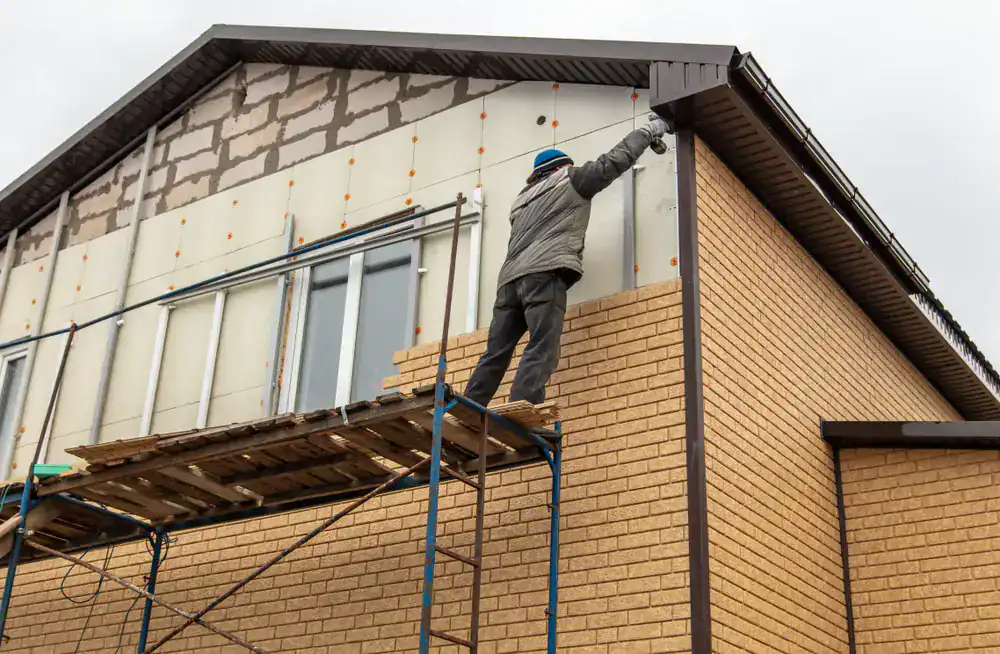
Once the project starts, installation follows the full process: old siding comes off, the substrate is inspected and addressed if needed, housewrap is installed or replaced, and new panels go up with proper fastening that accounts for thermal movement. That last part matters more than it sounds — vinyl siding nailed too tight will buckle in a New Jersey summer. When the job is done, the site is cleaned up and you do a final walkthrough before anything is signed off.

Ready to get started?
Vinyl Siding Contractors in New Providence, NJ
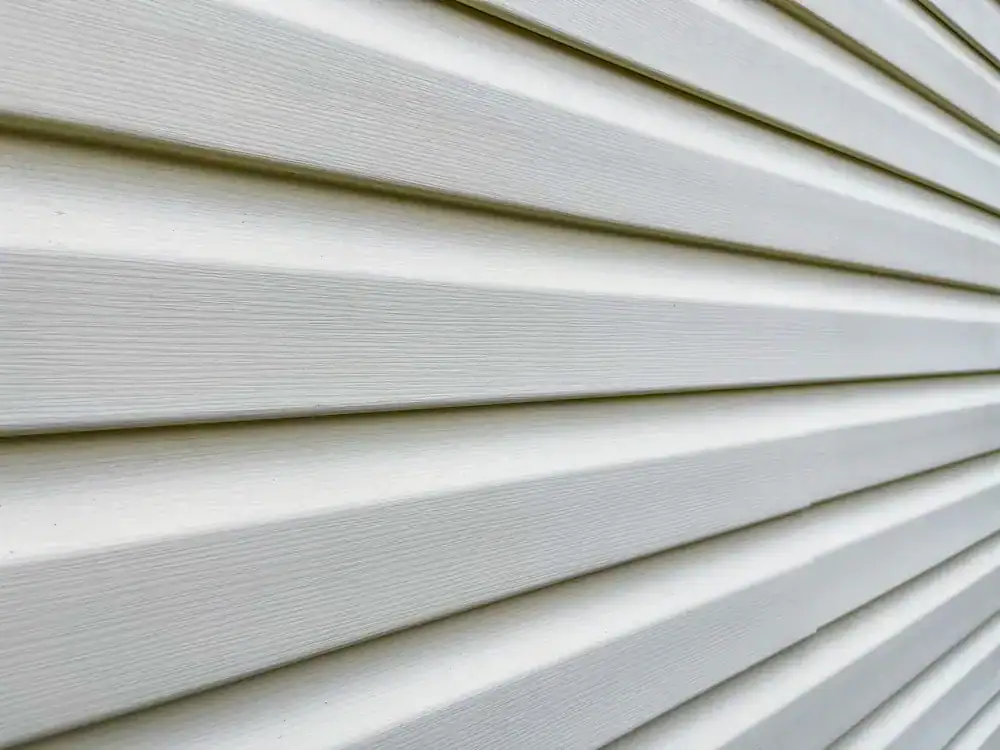
Vinyl siding is still the most common choice for good reason — it’s cost-effective, low-maintenance, and holds up well in New Jersey’s climate when it’s installed correctly. Insulated vinyl has become increasingly popular in New Providence, particularly for homeowners who want to improve energy efficiency without a full renovation. It adds a layer of rigid foam backing that reduces thermal bridging through the wall, which makes a real difference in a home that’s been losing heat through aging cladding for decades.
Fiber cement — James Hardie being the most recognized brand — is the other conversation worth having, especially for homes in the higher price tiers around Murray Hill Farm or anywhere curb appeal carries serious weight. It’s heavier, more labor-intensive to install, and costs more upfront, but it handles moisture, impact, and temperature swings better than vinyl over the long haul. For a home valued close to or above $1 million, the durability argument is a real one.
Whatever material fits your home and your goals, the installation process doesn’t change: proper housewrap, correct fastening, watertight flashing at every window, door, and corner, and a finish that looks right for the neighborhood. New Providence’s zoning regulations pay attention to exterior design consistency — meaning material and color choices should fit the character of the street. That’s something worth thinking through before you commit to a direction, and it’s part of the conversation from the start.

Does siding installation in New Providence, NJ require a building permit?
Yes — New Providence requires a building permit for siding installation. The borough charges a flat $50 permit fee, which is relatively modest compared to many NJ municipalities, but the permit itself is not optional. Beyond the permit fee, New Providence’s process also includes a zoning review before the construction permit is issued. The Borough’s Building Department is clear that even projects homeowners consider cosmetic need to go through this review before work begins.
What this means practically is that hiring a contractor who skips the permit step creates real risk for you — not them. Unpermitted work can surface during a home sale, complicate your homeowner’s insurance, and leave you with no legal protection if something goes wrong. We handle the permit coordination with New Providence’s Building Department and Zoning Officer as part of every project, so you’re not navigating that process on your own.
How do I know if my siding needs full replacement or just repairs?
The honest answer is that it depends on a few things: how old the siding is, how widespread the damage is, and what’s happening underneath. If you’re dealing with a handful of cracked or loose panels on relatively newer siding, repair is often the right call. But if the siding is original to a home built in the 1950s or 60s — which covers a significant portion of New Providence’s housing stock — or if it was replaced during the 80s renovation wave and never touched since, you’re likely looking at material that’s well past its serviceable life.
The bigger concern with older siding isn’t always what you can see on the surface. Freeze-thaw cycling in this area means moisture infiltration has had years to work its way behind panels and into the substrate. A free inspection can tell you whether the damage is cosmetic or whether there’s rot or compromised housewrap underneath that needs to be addressed before new siding goes on. That’s the only way to know for sure — and it costs you nothing to find out.
What siding material holds up best in New Providence's climate?
New Providence sits at the foot of the Watchung Mountains, which means the homes here face genuine freeze-thaw cycling through the winter, wind-driven rain from nor’easters, and hot, humid summers that stress exterior materials in the opposite direction. No single material is perfect for every home, but a few things are worth knowing.
Vinyl siding performs well in this climate when it’s installed with the thermal movement in mind — panels that are fastened too tightly will buckle in summer heat. Insulated vinyl adds a layer of foam backing that helps with energy efficiency and gives the panels more structural support. Fiber cement, particularly James Hardie, handles moisture and temperature swings extremely well and is the more durable long-term option, though it costs more upfront. For homes in the higher-value areas of New Providence — properties approaching or above $1 million — the durability argument for fiber cement is a serious one. The right choice depends on your home’s profile, your goals, and your timeline.
How long does siding installation typically take for a home in New Providence?
For most single-family homes in New Providence — the Cape Cods, split-levels, and ranch-style homes that make up the majority of the borough’s housing stock — a full siding replacement typically takes two to four days of active installation. The actual timeline depends on the size of the home, the complexity of the rooflines and elevations, the material being installed, and whether any substrate damage is found once the old siding comes off.
Split-level homes in particular can add time because of the multiple elevation changes and varied profiles that require more precise cutting and fitting. If damaged sheathing or compromised housewrap is discovered during removal, that needs to be addressed before new siding goes on — which can add a day depending on the extent. The permit review process in New Providence adds some lead time before installation begins, but that’s handled on the front end so it doesn’t affect the installation schedule once the project is underway.
What does siding installation cost for a home in New Providence, NJ?
Siding installation costs vary based on the size of the home, the material chosen, and the condition of what’s underneath the existing siding. For a typical single-family home in New Providence, a full vinyl siding replacement generally falls in the range of $10,000 to $18,000. Fiber cement installations, including James Hardie products, typically run higher — often $18,000 to $30,000 or more depending on the home’s size and complexity.
Those ranges can shift based on what’s found during installation. If the substrate has moisture damage or the housewrap needs to be replaced, that adds material and labor costs — and it’s something a thorough inspection beforehand can help anticipate. Given that New Providence home values regularly approach or exceed $1 million, most homeowners find that the investment in quality siding is proportional to what they’re protecting. A free, written estimate gives you an exact number for your specific home before any commitment is made.
How do I find a reliable siding contractor in New Providence, NJ I can actually trust?
Start with the basics: verify that any contractor you’re considering is registered under New Jersey’s Home Improvement Contractor program. NJ HIC registration is a legal requirement, not a formality — it’s enforced by the Division of Consumer Affairs and gives you real protection under the Consumer Fraud Act if something goes wrong. You can check registration status directly through the state’s online database. If a contractor can’t provide their registration number, that’s a clear signal to move on.
Beyond licensing, look at how they handle the estimate. A contractor who gives you a verbal ballpark and starts work without a written breakdown is the most common source of the “the price kept growing” complaints you’ll find in reviews across the industry. In New Providence specifically, also ask whether they’ll pull the required building permit — because a contractor who skips that step is leaving you with the liability, not them. Check their Google reviews, ask for references from Union County projects, and pay attention to how they communicate from the first call. The way a contractor handles the estimate process is usually a good preview of how they’ll handle the job.
Other Services we provide in New Providence