
Roof Repair in New Providence, NJ
When New Providence Winters Win, Your Roof Loses First
Hear from Our Customers
Roof Leak Repair in New Providence, NJ
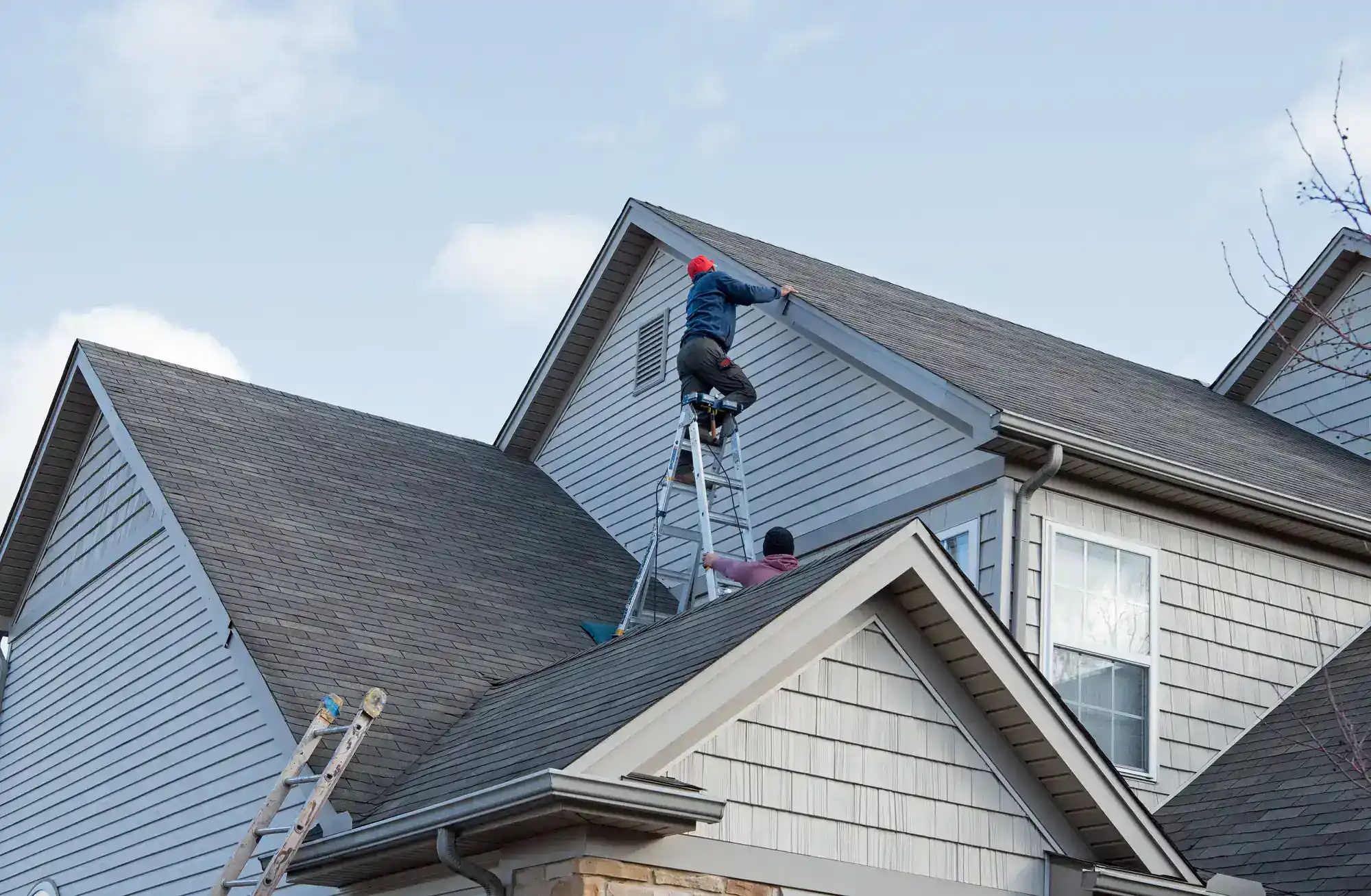
A roof leak doesn’t stay on the roof. It moves — through the deck, into the insulation, down the walls, and eventually into the living space you’ve spent years maintaining. By the time you see a water stain on the ceiling, the damage behind it is usually already done. Getting ahead of it with a proper repair isn’t optional when you’re protecting a home worth what yours is worth.
New Providence has a specific problem that a lot of homeowners here don’t fully connect to their roof: the older housing stock. A significant portion of homes in the borough were built in the 1950s, 60s, and 70s — before modern insulation and ventilation standards existed. That means inadequate attic airflow, which is exactly what allows ice dams to form along the eaves every winter. When snowmelt refreezes at the roofline and forces water back under the shingles, the damage happens quietly. You might not notice it until spring, and by then you’re dealing with more than a shingle problem.
The mature tree canopy that makes neighborhoods near Salt Brook look beautiful also deposits constant organic debris on your roof. Leaves, twigs, and moisture trapped under that debris accelerate moss and algae growth on north-facing surfaces and speed up shingle deterioration faster than weather alone would. A repair done right addresses not just the visible damage but the conditions underneath that caused it.
Local Roof Repair Contractor in New Providence, NJ
We’ve been doing exterior work across Union County for over a decade, with deep roots in New Providence specifically. That’s not a tagline — it means the crew that shows up at your home has worked through every weather pattern this region produces, repaired roofs on the same mid-century colonials and Cape Cods that line the streets of New Providence, and built a reputation in a community where neighbors talk and experience travels fast.
We’re family-operated, which matters more than it sounds. There’s no sales rep who closes the deal and disappears. The people who assess your roof are accountable for the repair. That accountability is personal, not corporate.
Being manufacturer-certified means the repairs we do on your home qualify for warranty coverage that non-certified contractors simply can’t offer. It also means we’ve been vetted — on insurance, installation quality, and professional standards — by the manufacturer behind the materials going on your roof. For a homeowner in New Providence protecting real equity, that’s not a small thing.
Roof Repair Estimate in New Providence, NJ
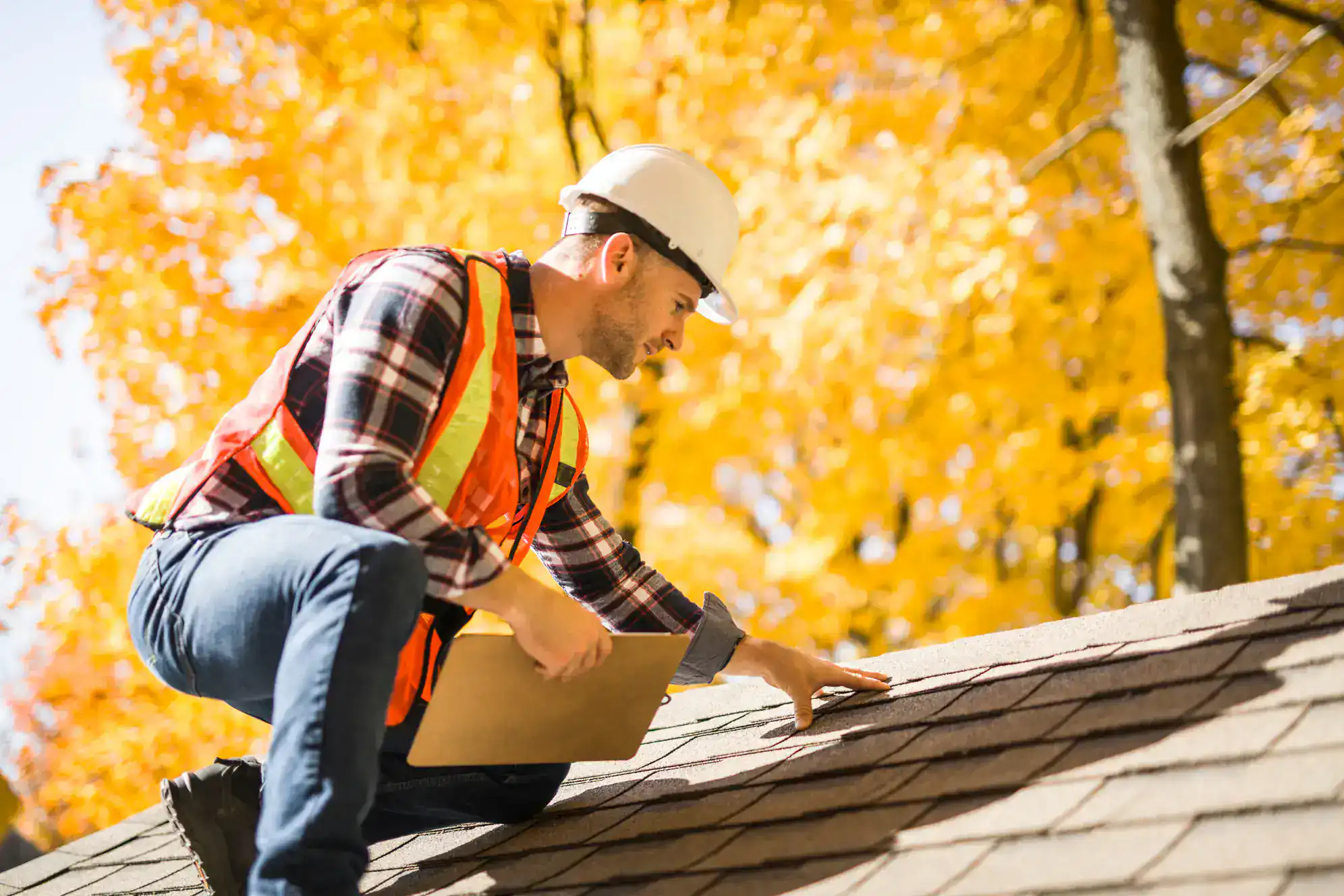
It starts with a free inspection. Not a sales visit — an actual assessment of what’s happening on your roof. Shingle condition, flashing around chimneys and skylights, ventilation, the eaves, any areas showing early ice dam damage or moisture intrusion. You get a clear picture of what’s there before anyone asks you to spend anything.
From there, you receive a written, itemized estimate. Every line item is explained. If the repair is straightforward — a few lifted shingles, a failed flashing seal — that’s what you’re quoted for. If there’s something more significant going on underneath, you’ll hear about it honestly, with a clear explanation of why it matters and what your options are. The estimate doesn’t change when the crew shows up.
In New Providence, roofing work that goes beyond minor repairs typically requires a building permit under the New Jersey Uniform Construction Code. We handle that process — pulling permits where required, scheduling inspections, and making sure the finished work meets current code. Once the job is done, our crew does a full cleanup: magnetic nail sweeps across the driveway, complete debris removal, and a walkthrough before we leave. The work isn’t finished until the property looks the way it did before we got there.
Ready to get started?
Shingle and Flat Roof Repair in New Providence, NJ
The majority of homes in New Providence are asphalt shingle roofs — colonials, split-levels, and Cape Cods built across several decades, each with its own quirks. Shingle repair means more than swapping out a few damaged pieces. It means matching the profile, color, and texture of what’s already there so the repair doesn’t announce itself from the street. It means checking the underlayment and decking beneath the damaged area, because shingles that failed once often failed for a reason. And it means addressing flashing — around chimneys, dormers, and pipe boots — which is where the majority of recurring leaks actually originate.
We offer emergency roof repair when the situation calls for it. A summer thunderstorm that strips shingles or a late-winter ice event that forces water through the ceiling doesn’t wait for a weekday appointment. Emergency response focuses first on stopping active water intrusion — temporary tarping and patching to protect the structure — followed by a scheduled permanent repair once conditions allow.
For homes with flat or low-slope sections — attached garages, rear additions, and some contemporary builds in the borough — we work with TPO, EPDM, and modified bitumen systems. Flat roof repair requires a different diagnostic approach than pitched work, and it gets treated that way. Storm damage repair also includes documentation support for homeowners navigating an insurance claim, which is more useful than most people expect when they’re dealing with an adjuster for the first time.
Does roof repair in New Providence, NJ require a building permit?
It depends on the scope of the work. Under the New Jersey Uniform Construction Code, minor repairs — replacing a handful of shingles, resealing flashing, patching a small leak — typically don’t require a permit. But once the repair crosses into replacing a significant portion of the roof surface, generally around 25% or more, it’s treated as a replacement and a permit is required. That triggers an inspection to confirm the work meets current code for underlayment, ventilation, and fastening.
In New Providence, permits for roofing work are handled through the Borough’s Construction Office. We manage the permit process when it applies — pulling the permit, coordinating the inspection, and making sure the finished work is documented correctly. You don’t have to figure out the threshold on your own or make calls to Borough Hall. That’s part of what a professional contractor handles, and it protects you legally if questions come up later about the work.
How do I know if I need roof repair or a full replacement?
This is the question most homeowners are really asking when they call, and the honest answer is that it depends on a few things: the age of the roof, how widespread the damage is, and what’s happening beneath the surface. A roof that’s 15 years old with isolated storm damage is usually a strong repair candidate. A roof that’s 30 or 35 years old with multiple problem areas, granule loss across large sections, and recurring leaks is telling you something different.
In New Providence, where a significant portion of the housing stock dates to the 1950s through 1970s, it’s not uncommon to find roofs that have been patched several times over the years. At some point, continued repair becomes more expensive than replacement — especially when the underlying deck has absorbed moisture damage or the ventilation system was never adequate to begin with. The free inspection is specifically designed to give you an honest read on which side of that line you’re on, without any pressure to go one direction or the other. You get the information, and you make the call.
What causes ice dam damage on roofs in New Providence, NJ?
Ice dams form when heat escaping from the living space warms the roof deck, melting snow that then runs down toward the cold eaves and refreezes. That ice buildup creates a dam that forces water back up under the shingles, past the underlayment, and into the structure. The damage often happens slowly and silently — by the time you see moisture on an interior wall or ceiling, water has usually been working its way in for a while.
New Providence is particularly prone to this because of the age and construction of its housing stock. Homes built in the 1950s and 60s were constructed before modern insulation and ventilation standards existed. Inadequate attic ventilation allows heat to escape unevenly, which is the root cause of ice dam formation. Repairing the visible shingle damage without addressing the ventilation underneath is a short-term fix that leads to the same problem next winter. A proper ice dam repair looks at both — the damage that’s already there and the conditions that allowed it to happen.
Will my homeowners insurance cover roof storm damage repair in New Providence?
Most standard homeowners insurance policies in New Jersey cover sudden, storm-related roof damage — wind, hail, falling limbs — as long as the roof was in reasonable condition before the event. What they typically don’t cover is damage from gradual deterioration or lack of maintenance. That distinction matters, and it’s one of the first things an insurance adjuster will evaluate when they inspect your roof.
The claims process can be frustrating if you’ve never done it before. Documentation is everything — the adjuster needs to see the damage clearly, understand the scope of necessary repairs, and have a written estimate from a licensed contractor. We’ve helped homeowners in Union County through this process before. That means helping you document the damage properly before anything gets repaired, being present or available during the adjuster visit, and providing the written assessment the claim requires. A poorly documented claim often results in a lower payout than the actual repair warrants. Having a contractor who knows the process on your side makes a real difference.
How much does roof repair typically cost in New Providence, NJ?
The range is wide because the work varies significantly. Minor shingle repairs — a few damaged pieces, a resealed flashing joint, a small leak patch — typically run somewhere between $300 and $800. Moderate repairs that involve a larger shingle section, valley work, or flashing replacement around a chimney or skylight usually fall in the $800 to $2,500 range. More involved repairs that touch the decking, address structural issues, or cover a significant portion of the roof surface can run $2,500 to $7,000 or more depending on what’s there.
In New Providence, where home values are well above the state median, most homeowners are less focused on finding the lowest number and more focused on making sure the repair is done correctly and won’t need to be redone in two years. That’s a reasonable priority. A written estimate with itemized line items tells you exactly what you’re paying for and why — and if the scope doesn’t change during the job, neither does the price. The free inspection gives you a real number before you commit to anything.
How do I find a trustworthy roof repair contractor in New Providence, NJ?
Start with the basics: verify that the contractor holds a current New Jersey Home Improvement Contractor registration, which is required by the NJ Division of Consumer Affairs for anyone doing home improvement work in the state. You can look this up directly on the Division’s website in about two minutes. Also confirm they carry general liability insurance and workers’ compensation — the latter matters because without it, a homeowner can be held liable if a worker is injured on their property. These aren’t optional credentials; they’re the floor.
Beyond the paperwork, look at how long they’ve been operating in this specific area. A contractor with a decade of work in Union County and real Google reviews from local homeowners is a fundamentally different thing than a company that appeared after the last major storm and has no local history. Manufacturer certifications are also worth asking about — they indicate the contractor has been vetted on quality and insurance standards by the manufacturer, and they unlock warranty coverage that uncertified contractors can’t offer. In a community like New Providence, where the investment in your home is significant, a contractor’s local reputation is usually the most reliable signal you have.
Other Services we provide in New Providence