
Siding Installation in Fanwood, NJ
Siding That Survives New Jersey's Weather Year-Round
Hear from Our Customers
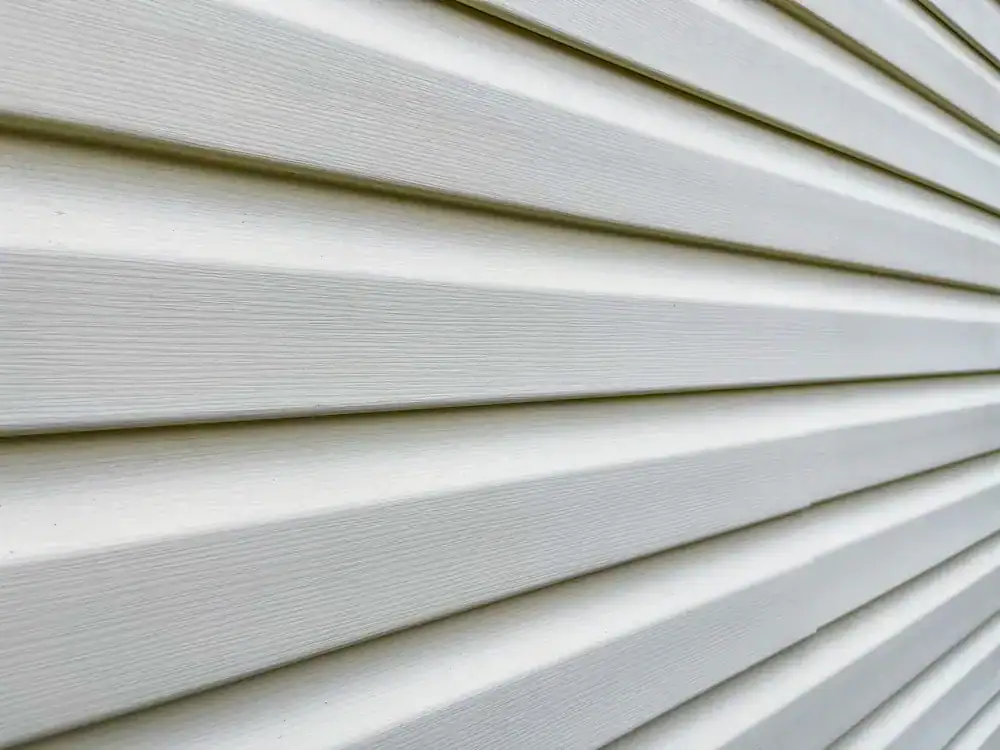
Vinyl Siding Installation Fanwood Homeowners Trust
Your energy bills drop. That’s the first thing most homeowners notice—especially during those brutal Jersey winters when heat used to leak right through the walls. Insulated vinyl siding creates a thermal barrier that keeps warm air inside where it belongs, cutting heating costs by up to 20%.
The second thing? You stop worrying about maintenance. No more scraping, painting, or patching every few years. Modern siding materials resist fading, cracking, and moisture damage, which means your weekends stay yours.
And then there’s the curb appeal. Fresh siding transforms how your home looks from the street—cleaner lines, richer color, better proportions. It’s the kind of upgrade that makes neighbors ask questions and adds real value when it’s time to sell. In New Jersey’s competitive real estate market, quality siding installation delivers 80-95% ROI, which is about as close to a sure thing as home improvements get.
Licensed Siding Contractors Serving Fanwood, NJ
We’ve been handling exterior renovations across Union County for a decade. We’re licensed, insured, and certified by major manufacturers—not because we had to be, but because doing this work right requires proper training and accountability.
Every crew member who shows up at your Fanwood home is trained and uniformed. No subcontractors, no randos with a truck. Just people who know how to install siding correctly the first time, which matters more than most homeowners realize until something goes wrong.
We’ve worked on enough homes in Fanwood to understand what this area demands. The freeze-thaw cycles, the coastal humidity, the wind—it all affects which materials hold up and how installation needs to be done. That local knowledge isn’t something you get from a manual.

Our Siding Installation Process in Fanwood
It starts with a free inspection at your property. We look at your current siding, check for moisture damage or structural issues, and measure everything. You get a transparent estimate with material options and pricing—no pressure, no games.
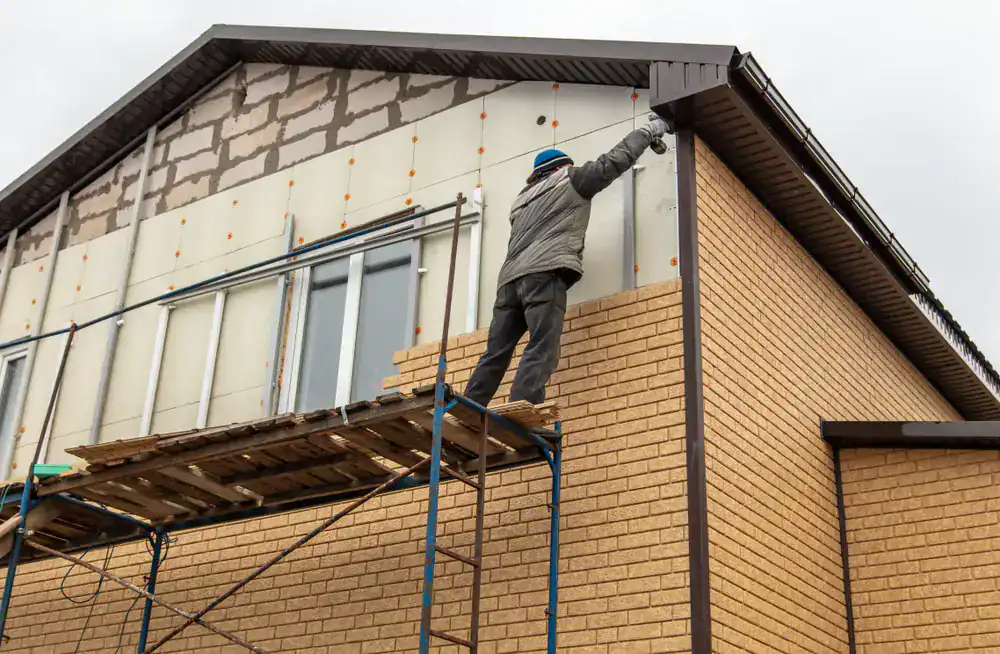
Once you’re ready to move forward, we handle the permits and schedule the work around your timeline. Installation day, we protect your landscaping, set up properly, and remove your old siding. Then we install moisture barriers, insulation (if you’re upgrading), and your new siding panels, making sure everything’s level, sealed, and secured to manufacturer specs.
Cleanup happens as we go, not at the end. When we’re done, your property looks better than when we arrived—no nails in the driveway, no debris in the bushes. You get a final walkthrough where we explain your warranty coverage and answer any questions about maintenance (which is minimal). The whole process typically takes 3-7 days depending on your home’s size and complexity.

Ready to get started?
Siding Services and Materials in Fanwood
We install vinyl siding, fiber cement, and insulated siding systems—whatever makes sense for your home and budget. Vinyl runs $4-12 per square foot installed in New Jersey and handles the weather well with almost no maintenance. Fiber cement costs more ($8-16+ per square foot) but gives you that authentic wood look with better fire resistance.
For Fanwood’s climate, insulated vinyl siding is worth considering. It adds an extra layer of foam backing that improves your home’s R-value, reduces noise from outside, and makes rooms more comfortable year-round. The upfront cost is higher, but the energy savings add up faster than most people expect.
Every installation includes moisture barriers, proper flashing around windows and doors, and ventilation that prevents trapped moisture. These aren’t extras—they’re requirements for siding that actually lasts. We also handle trim work, soffit and fascia if needed, and any repairs to underlying sheathing that we find during removal.
You get a lifetime warranty on materials and our installation work. That means if something fails because of how we installed it, we come back and fix it. No loopholes, no fine print about “normal wear and tear” that voids everything.

How long does vinyl siding actually last in New Jersey's climate?
Quality vinyl siding lasts 20-40 years in New Jersey when it’s installed correctly. The range depends on the grade of vinyl you choose and how well it’s maintained—though maintenance is pretty minimal.
New Jersey’s weather is tough on siding. You’ve got humid summers that can warp cheaper materials, freeze-thaw cycles in winter that crack brittle panels, and occasional coastal storms that test how well everything’s fastened. Higher-grade vinyl (0.044-0.046 inch thickness) handles these conditions better than builder-grade stuff.
The installation matters as much as the material. Panels need room to expand and contract with temperature changes, which means they can’t be nailed too tight. Moisture barriers have to be installed properly, and all the flashing around windows and doors needs to be sealed right. Cut corners on installation and even premium siding fails early.
What's the real cost of siding installation for a typical Fanwood home?
Most homes in Fanwood need 1,500-2,500 square feet of siding. At New Jersey’s average rate of $7.50 per square foot installed, you’re looking at $11,250-18,750 for mid-grade vinyl. That includes removal of old siding, moisture barriers, insulation, new panels, trim, and cleanup.
Fiber cement costs more—usually $12,000-40,000+ for the same house depending on the product and complexity. Insulated vinyl falls somewhere in between. These are ballpark numbers. Your actual cost depends on your home’s height, how many corners and windows you have, and whether we find any sheathing damage that needs repair.
The cheapest bid isn’t always the best value. A crew that undercuts everyone else is either using inferior materials, skipping important steps like proper moisture barriers, or planning to hit you with change orders later. Transparent pricing from a licensed contractor costs more upfront but saves you from expensive problems down the road.
Do I really need to replace my siding or can I just repair it?
If the damage is isolated to one section—maybe from a fallen branch or a single cracked panel—repair makes sense. But if you’re seeing problems in multiple areas, or if your siding is 20+ years old, replacement is usually the smarter move.
Here’s what to look for: warping or buckling panels, cracks that keep appearing, faded color that won’t come clean, or higher energy bills that can’t be explained. These are signs the siding has reached the end of its useful life. Moisture damage is the big one—if you’re seeing mold, rot, or soft spots on the sheathing underneath, that needs to be addressed during a full replacement.
Repairing old siding is like patching a worn-out tire. It might hold for a while, but you’re just delaying the inevitable. Plus, if your siding is outdated, finding matching panels can be difficult or impossible. New siding gives you a warranty, better energy efficiency, and eliminates the maintenance cycle you’ve been stuck in.
How much will new siding actually reduce my energy bills?
Insulated vinyl siding can cut your heating and cooling costs by 15-20% compared to old, uninsulated siding. For the average New Jersey home spending $2,000-3,000 annually on energy, that’s $300-600 back in your pocket every year.
The savings come from reducing thermal bridging—the spots where heat transfers through your walls. Standard vinyl siding has an R-value around 0.61. Add foam insulation backing and you jump to R-2 to R-5 depending on the product. That extra insulation keeps your HVAC system from working as hard to maintain comfortable temperatures.
You’ll notice the difference most during temperature extremes. Winter mornings feel less drafty. Summer afternoons don’t turn your upstairs into a sauna. Your furnace and AC run shorter cycles, which also extends their lifespan. The payback period on insulated siding is typically 5-8 years through energy savings alone—faster if energy prices keep climbing like they have been.
Will new siding help with my home insurance rates in Fanwood?
It can, especially if you’re upgrading to impact-resistant or fire-rated materials. Some insurance companies in New Jersey offer discounts for homes with fiber cement siding or newer vinyl that meets certain wind resistance ratings. The discount isn’t huge—usually 5-10%—but it adds up over time.
The bigger insurance benefit is avoiding claims. Old, damaged siding leads to water intrusion, which leads to mold and structural damage, which leads to expensive claims that spike your premiums. New siding with proper moisture barriers prevents those problems before they start.
If you’re in an area prone to wind damage or if your home is older, ask your insurance agent what improvements would qualify for discounts before you choose materials. Some carriers have specific requirements for wind ratings or impact resistance. We can help you select siding that meets those standards while staying within your budget.
What's the difference between vinyl siding and fiber cement for New Jersey homes?
Vinyl costs less, requires almost no maintenance, and handles moisture well. Fiber cement looks more like real wood, resists fire better, and holds paint longer—but it costs roughly double and needs repainting every 10-15 years.
For New Jersey’s climate, both work. Vinyl expands and contracts with temperature changes, so it needs to be installed with room for movement. Fiber cement is more stable but heavier, which means your home’s structure needs to support the extra weight. Both resist the humidity and freeze-thaw cycles we get here, though fiber cement has a slight edge in extreme cold.
The decision usually comes down to budget and aesthetics. If you want the lowest maintenance option and don’t mind the vinyl look, that’s your answer. If you prefer the appearance of wood siding and don’t mind occasional repainting, fiber cement delivers that authentic look without the rot issues real wood has. We install both, so there’s no pressure either way—just honest input on what makes sense for your specific situation.