
Siding Installation in Fanwood, NJ
Fanwood Homes Deserve More Than a Quick Fix
Hear from Our Customers
Residential Siding Contractors in Fanwood, NJ
Bad siding isn’t just an eyesore. It’s a slow leak waiting to happen. When panels crack, seams gap, or old wood siding starts holding moisture, the damage moves inward — into your sheathing, your insulation, and eventually your walls. Getting it replaced means stopping that process before it turns a siding job into a structural one.
Fanwood homes face specific challenges. A significant portion of homes here were built in the 1940s and 1950s, which means a lot of them are carrying siding that’s at or past the end of its useful life. Add in the dense, mature tree canopy along Fanwood’s residential streets — which traps moisture and drops debris against exterior surfaces year-round — and you’ve got conditions that accelerate wear faster than most homeowners realize.
New siding changes the picture completely. Your home holds heat better, looks sharper from the street, and handles whatever the next nor’easter brings without flinching. For a community that takes as much pride in its homes as Fanwood does, that’s not a minor upgrade. It’s a long-overdue one.
Local Siding Company Serving Fanwood, NJ
We’ve been working on New Jersey homes for close to ten years. Not as a franchise. Not as a national brand with a local phone number. As a family-run operation where the people doing the work are the same people accountable for it when the job is done.
That matters in a place like Fanwood. This is a small borough — under 8,000 residents, tight streets, neighbors who talk. A contractor who cuts corners here doesn’t stay busy for long. Our track record in Union County has been built entirely on customer reviews and repeat referrals, and that’s the kind of reputation that only comes from consistently doing what you said you’d do.
We’re fully licensed, carry the required NJ Home Improvement Contractor registration, and hold manufacturer certifications that allow us to back installations with extended product warranties. From the Fanwood Park neighborhood to the South Avenue corridor, we know this area and the homes in it.

Siding Installers in Fanwood, NJ
It starts with a free inspection. Before any number gets put on paper, someone actually looks at your home — at what’s there now, what’s underneath it, and what the right approach is based on your specific situation. For older Fanwood homes, that assessment matters more than it does on a newer build. A house from 1952 can have surprises behind the siding that a rushed estimate will completely miss.
Once we know what we’re working with, you get a written estimate that covers the full scope. No line items added later, no change orders that appear out of nowhere. If we find something unexpected during the job — and on older homes, sometimes we do — we tell you before we touch it. You decide how to proceed.
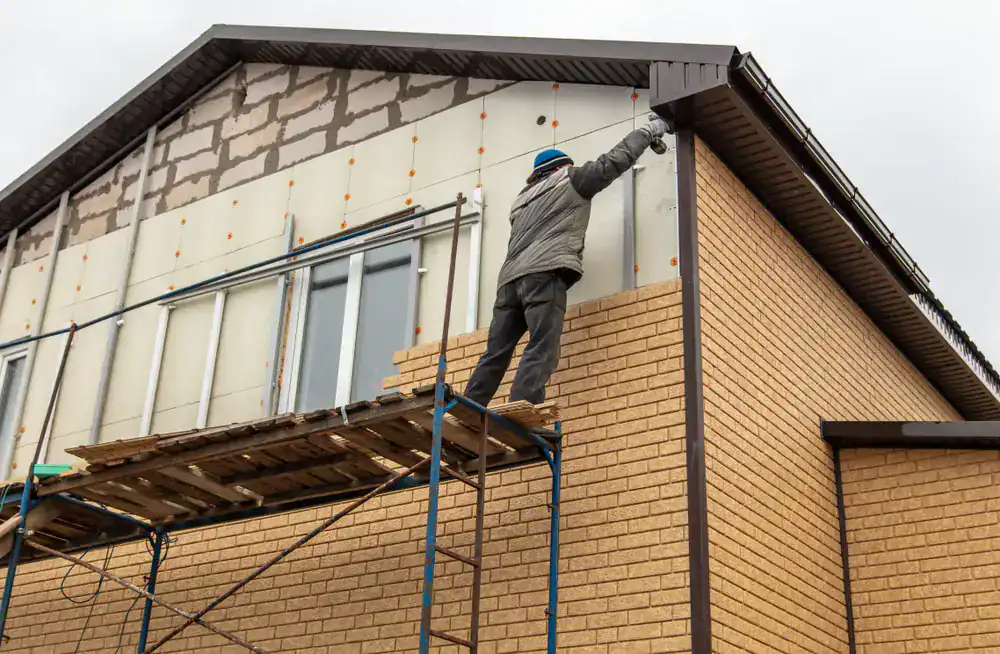
From there, the installation is handled by an experienced crew that knows how to work on smaller lots with close neighbors, which is exactly what most of Fanwood looks like. We also handle the permitting process through the Borough of Fanwood Construction Office, so you’re not chasing paperwork or guessing whether your project is code-compliant. When the job is done, the site gets cleaned up and you get a final walkthrough. That’s the standard, not the exception.

Ready to get started?
Vinyl Siding Contractors in Fanwood, NJ
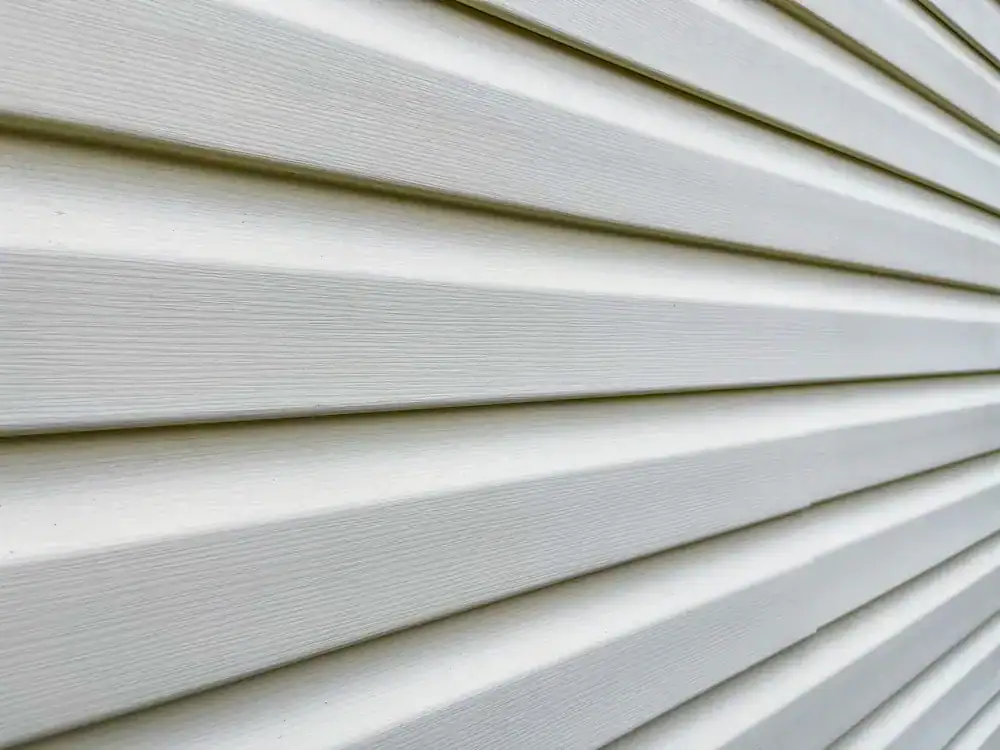
Vinyl siding is the most common choice for a reason — it’s durable, low-maintenance, and handles New Jersey’s freeze-thaw cycles well when it’s installed correctly. For most Fanwood homes, it’s a strong option, and we work with quality vinyl products that hold up over time without demanding much from you after installation.
That said, vinyl isn’t the right answer for every home. Fiber cement siding — like James Hardie — offers a different profile: heavier, more impact-resistant, and better suited for homes where the aesthetic needs to match older architectural character. In a neighborhood like Fanwood Park, where the streetscape has a distinct historical character and the borough’s Historic Preservation Commission is active, material choice isn’t just a performance decision. It’s an aesthetic one too. We’ll give you an honest read on what makes sense for your specific home, not just what’s fastest to install.
Every siding installation we do includes proper moisture barrier work behind the new panels — something that matters especially for homes near Robinson’s Branch or in areas where Fanwood’s tree canopy keeps surfaces damp longer than they should be. You also get the benefit of our manufacturer certifications, which means the product warranties we offer are real and enforceable, not just a number printed on a brochure.

Do I need a permit for siding installation in Fanwood, NJ?
Yes, siding replacement in Fanwood requires a building permit under the New Jersey Uniform Construction Code. This applies to full replacements and, in many cases, significant repairs that affect the building envelope. It’s not optional, and skipping it creates real problems — unpermitted work has to be disclosed when you sell, can void your warranty coverage, and may require you to undo the work entirely if it’s flagged during a future inspection.
The permit is handled through the Borough of Fanwood Construction Office at 75 N. Martine Avenue. We manage the permit application on your behalf as part of the project — you don’t have to navigate that process yourself. A lot of contractors either skip the permit or leave it to the homeowner. We handle it because it’s the right way to do the job, and it protects you down the road.
How do I know if my siding needs full replacement or just repairs?
The honest answer is that you need someone to actually look at it. Some signs are obvious — warped panels, visible cracks, siding that’s pulling away from the wall. Others aren’t visible from the street at all. Moisture damage behind the panels, failing housewrap, and rot in the sheathing only show up when someone gets close and knows what to look for.
For Fanwood homes built in the 1940s and 1950s, the calculus often tilts toward replacement rather than repair. Siding that’s 30 or 40 years old has typically reached the point where patching one section just moves the problem somewhere else. A free inspection gives you a clear picture of what you’re actually dealing with before you spend anything. That’s always the right starting point.
What siding material holds up best in New Jersey's climate?
Vinyl and fiber cement are both solid options for the Northeast, but they perform differently and suit different situations. Vinyl handles temperature swings well, doesn’t rot, and requires almost no maintenance once it’s installed. The key is proper installation — vinyl expands and contracts with temperature changes, and if it’s fastened too tightly, it buckles. In Fanwood’s climate, where winters are cold and summers are humid, that installation detail matters.
Fiber cement is denser and more impact-resistant, which makes it a good fit for homes with heavy tree cover — a real factor on many Fanwood streets where overhanging branches are a constant presence. It also holds paint longer and offers a more traditional look that suits older architectural styles. The tradeoff is cost and installation complexity. We’ll walk you through both options based on your home’s specific conditions, not just a general recommendation.
How long does siding installation take on a typical Fanwood home?
For most single-family homes in Fanwood, a full siding installation takes between two and five days depending on the size of the home, the material being installed, and what we find once the old siding comes off. Fiber cement takes longer than vinyl because of the added weight and cutting requirements. If there’s substrate damage or rot underneath — which is more common on older homes — that adds time as well.
Weather is a factor too. Vinyl installation in very cold temperatures requires extra care because the material becomes more brittle, so late fall and winter projects may need to be scheduled around conditions. Spring and early fall are the most reliable windows in this area, and those slots tend to book out four to eight weeks in advance. If you’re planning a project before the next nor’easter season, earlier contact gives you more flexibility.
Is USA Home Remodeling a licensed siding contractor in New Jersey?
Yes. We are registered with the New Jersey Division of Consumer Affairs under the Home Improvement Contractor registration program, which is legally required for any contractor doing home improvement work in the state. This isn’t a minor detail — in New Jersey, hiring an unregistered contractor puts you at real legal risk. If something goes wrong, you have limited recourse under the Consumer Fraud Act, and the contractor can’t even enforce the contract in court.
Beyond the HIC registration, we carry general liability insurance and workers’ compensation coverage. On a typical Fanwood job site — smaller lots, close neighbors, mature landscaping — that coverage protects you if anything goes sideways. We also hold manufacturer certifications that allow us to offer extended product warranties that non-certified installers simply can’t provide. If any contractor you’re considering can’t hand you their HIC registration number on request, that’s a reason to pause.
How much does siding installation cost in Fanwood, NJ?
Siding installation costs vary based on the size of your home, the material you choose, and what’s found underneath once the old siding is removed. For a typical Fanwood single-family home, vinyl siding installation generally runs in the range of $8,000 to $15,000. Fiber cement projects typically run higher — often $15,000 to $25,000 or more — because the material costs more and the installation is more labor-intensive.
Those numbers can shift depending on the condition of the substrate. Older Fanwood homes sometimes have layers of previous siding, moisture damage, or rotted sheathing that needs to be addressed before new panels go on. That’s not a way of saying the price will always go up — it’s a reason why a thorough inspection before the estimate matters. You deserve to know the real number before the job starts, not after. Every estimate from us is written, detailed, and specific so you can make a clear decision without guessing what the final invoice will look like.