
Siding Installation in Crane Square, NJ
Your Exterior Deserves Better Than Peeling Paint
Hear from Our Customers
Siding Services in Crane Square
Your heating bill drops because cold air stops sneaking through gaps. That’s what proper siding installation does in Crane Square homes.
You stop worrying every time a storm rolls through. No more wondering if moisture is getting behind your walls or if that crack is letting pests inside. Quality vinyl siding creates a barrier that handles New Jersey’s humid summers and freezing winters without constant maintenance.
Your home looks better, sure. But more importantly, it stays protected. Energy costs go down by up to 20% when insulated siding is installed correctly. The structure underneath stays dry. You’re not repainting every few years or dealing with rot repair. That’s the difference between siding that’s just covering your walls and siding that’s actually doing its job.
Crane Square Siding Contractors
We’ve worked on homes throughout Crane Square since 2007. We’re licensed, certified by major manufacturers, and we know exactly how New Jersey weather tests exterior materials.
You’re not getting a crew that learned siding installation from YouTube. Our installers understand how to handle the moisture issues common in this area, how to properly insulate around windows, and which materials actually hold up in this climate. We’ve seen what happens when corners get cut, and we don’t work that way.
Free estimates and inspections mean you know what you’re dealing with before spending a dollar. No pressure, no hidden costs. Just honest assessment from contractors who’ve been doing this long enough to give you straight answers.

Our Siding Installation Process
First, we come out to look at your current siding situation. We check for damage you can see and damage you can’t – moisture behind panels, insulation problems, structural issues that need addressing before new siding goes up. You get a detailed estimate that breaks down materials, labor, and timeline.
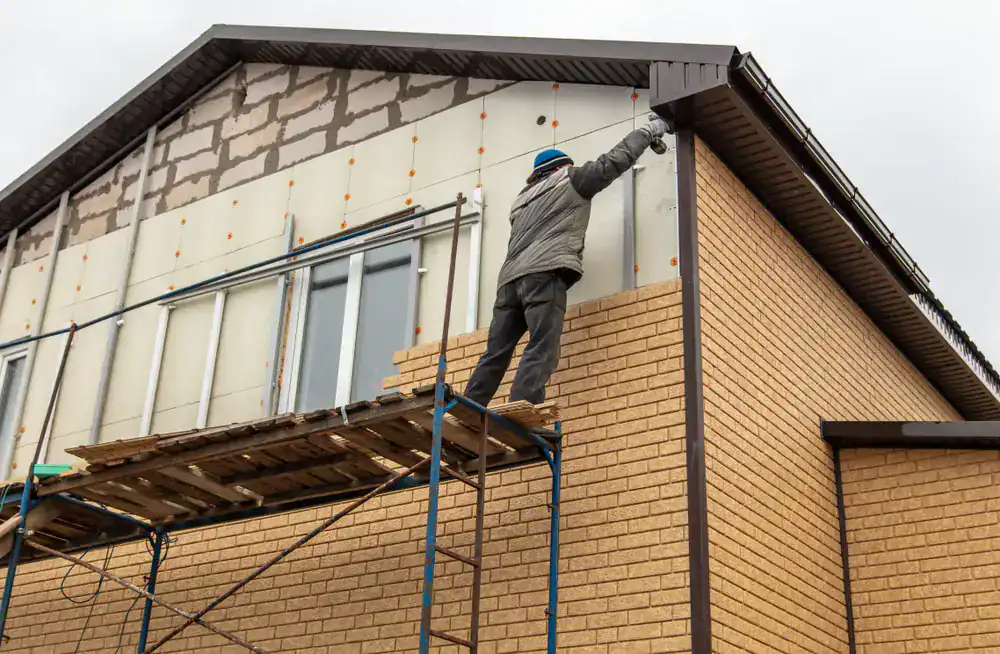
Once you’re ready to move forward, we handle the prep work. Old siding comes off carefully to avoid damaging what’s underneath. We inspect and repair the substrate, make sure everything is level and properly sealed, then install weather barriers that keep moisture out for good.
The new siding goes up section by section. We’re checking alignment constantly because even small gaps create big problems down the road. Corners, seams, and edges around windows get extra attention – that’s where most installations fail. Final inspection covers everything before we clean up and walk you through care instructions.
You’re looking at a timeline that depends on your home’s size, but most residential siding installations in Crane Square take one to two weeks from start to finish. Weather can affect the schedule, but we keep you updated if anything changes.

Ready to get started?
Vinyl Siding Installation Crane Square
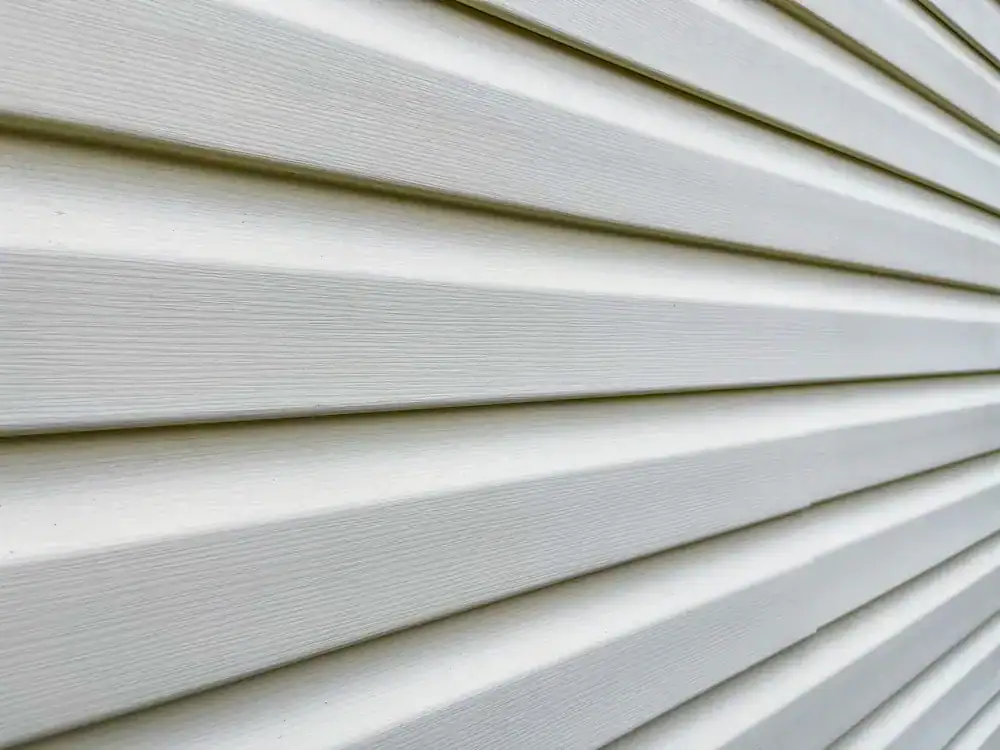
You’re getting materials designed for New Jersey’s climate. Vinyl siding that won’t crack in winter cold or warp in summer heat. Fiber cement options if you want something even more durable. Insulated backing that cuts energy loss and adds impact resistance.
Installation includes proper weather barriers, flashing around all openings, and correct ventilation to prevent moisture buildup. These aren’t extras – they’re requirements for siding that lasts. In Crane Square, where humidity and temperature swings are normal, skipping these steps means problems within a few years.
Color and style options match the architectural character you see throughout the area. Modern dark grays and blacks are popular right now, but classic options work too. The goal is finding what looks right on your home while delivering the protection you need. Cost typically runs $7 to $10 per square foot for quality vinyl siding installation, including materials and labor. That’s the realistic range in this market for work that’s done right.

How much does siding replacement cost for a typical Crane Square home?
For a standard 1,500 square foot home in Crane Square, you’re looking at $10,500 to $15,000 for complete vinyl siding replacement. That includes removing old siding, repairing any substrate damage, installing weather barriers, and putting up new materials with proper insulation.
The range depends on your home’s condition and what material you choose. Vinyl is most affordable and handles New Jersey weather well. Fiber cement costs more upfront but offers better fire and impact resistance. Insulated options add $2 to $3 per square foot but pay back through lower energy bills.
Homes with complex architecture, multiple stories, or significant repair needs will cost more. But you should know the full number before work starts. We don’t believe in surprise charges halfway through a project.
How long does vinyl siding last in New Jersey's climate?
Quality vinyl siding lasts 20 to 30 years in New Jersey when it’s installed correctly. The key phrase there is “installed correctly” – poor installation cuts that lifespan in half.
New Jersey’s freeze-thaw cycles, humidity, and storm exposure test siding harder than moderate climates. Vinyl handles it well because it doesn’t rot, doesn’t need painting, and expands and contracts without cracking when installers leave proper spacing. Cheaper materials or rushed installation create problems within 5 to 10 years.
You’ll know your siding is failing when you see cracks, warping, or pieces coming loose. Fading happens over time with any material, but structural failure means water is getting where it shouldn’t. At that point, you’re looking at replacement before interior damage starts.
Can you help with insurance claims for storm-damaged siding?
Yes, and we do it regularly. Storm damage to siding is common in this area, and dealing with insurance companies adds stress to an already frustrating situation.
We document the damage thoroughly with photos and detailed notes about what needs repair or replacement. That documentation goes to your insurance adjuster with our professional assessment. We’ve worked with most major insurers, so we know what they require for claims approval.
If your claim gets approved, we work directly with the insurance timeline and requirements. If it gets denied or the payout seems low, we provide additional documentation to support your appeal. The goal is getting your home protected without you paying out of pocket for damage that should be covered.
What's the difference between repair and full siding replacement?
Repair makes sense when damage is isolated to a small area – a few cracked panels from impact, a section damaged by a fallen branch, or localized issues that haven’t spread. You’re replacing the damaged pieces and leaving everything else alone.
Full replacement is the right call when damage is widespread, your siding is over 20 years old, or you’re seeing problems in multiple areas. At that point, repairing sections just delays the inevitable. Old siding fails gradually, so fixing one area doesn’t stop issues from appearing elsewhere within a year or two.
Energy efficiency is another factor. If your heating and cooling costs keep climbing, old siding without proper insulation is likely the cause. Repair doesn’t fix that. New insulated siding does, and the energy savings offset part of the installation cost over time. We’ll tell you honestly which approach makes sense for your situation and your budget.
Do you offer free estimates for siding installation?
Yes, estimates and inspections are free. No obligation, no pressure, no charges for us to come look at your home and give you real numbers.
We’ll examine your current siding, check for hidden damage, measure everything, and provide a detailed written estimate that breaks down materials, labor, and timeline. You’ll know exactly what the project costs before making any decisions.
If you need time to think about it, compare options, or save up, that’s fine. The estimate is yours to keep. If you want to move forward, we schedule the work at your convenience. If you decide to go another direction, there’s no hard feelings and no bill for the consultation.
What siding materials work best for homes in Crane Square?
Vinyl siding is the most popular choice in Crane Square because it handles New Jersey weather well, requires almost no maintenance, and costs less than other options. Modern vinyl doesn’t crack in cold weather, doesn’t fade quickly, and comes in styles that match the area’s architectural character.
Fiber cement is the upgrade option. It’s more expensive but offers better durability, fire resistance, and impact protection. It looks more like real wood without the maintenance wood requires. If your budget allows for it and you’re planning to stay in the home long-term, fiber cement delivers better long-term value.
Insulated vinyl splits the difference. You get vinyl’s affordability and low maintenance with added energy efficiency and impact resistance from foam backing. In Crane Square’s climate, where you’re running heat or AC most of the year, insulated siding pays for the upgrade through lower utility bills. We’ll show you samples and explain the real-world differences so you can choose what makes sense for your home and budget.
Other Services we provide in Crane Square