
Siding Installation in Crane Square, NJ
Old Siding in a Tough Climate Doesn't Wait
Hear from Our Customers
Residential Siding Contractors in Crane Square
Most of the homes in Crane Square were built between the 1940s and 1960s. That means the original siding — or whatever replaced it decades ago — has been absorbing freeze-thaw cycles, humidity, and the kind of airborne grit that comes with living near the Turnpike and Port Newark for a long time. When siding starts to fail on a home that old, it doesn’t just look bad. Water gets behind the panels, works into the sheathing, and the repair bill quietly grows.
New siding changes that. We stop the moisture intrusion, tighten up the thermal envelope, and protect the structure that everything else depends on. If you’re managing a rental property in the 07208 ZIP code, it also means fewer maintenance calls and a building that holds its value in a neighborhood that’s actively seeing reinvestment.
The difference isn’t cosmetic. It’s the wall behind the wall that nobody sees — staying dry, staying intact, and not costing you money three winters from now.
Local Siding Company Serving Crane Square, NJ
We’ve been working on New Jersey homes for about ten years, with significant experience in Crane Square and the surrounding Elizabeth neighborhoods. That’s not a tagline — it’s what keeps the phone ringing. When you’ve been in this market long enough, you learn what Crane Square’s building stock actually looks like once the old panels come off, and you stop being surprised by what decades of Northeast winters leave behind.
We’re family-run, which means the people making decisions about your job are the same people accountable for the outcome. You won’t get handed off to a subcontractor who’s never met the owner. Every project — from the first inspection near Elizabeth High School to the final walkthrough — gets the same level of attention.
Licensing, manufacturer certifications, and insurance aren’t optional here. They’re the baseline. And the free estimate isn’t a sales tactic — it’s how you find out what you’re actually dealing with before you commit to anything.

Siding Installation Process in Crane Square, NJ
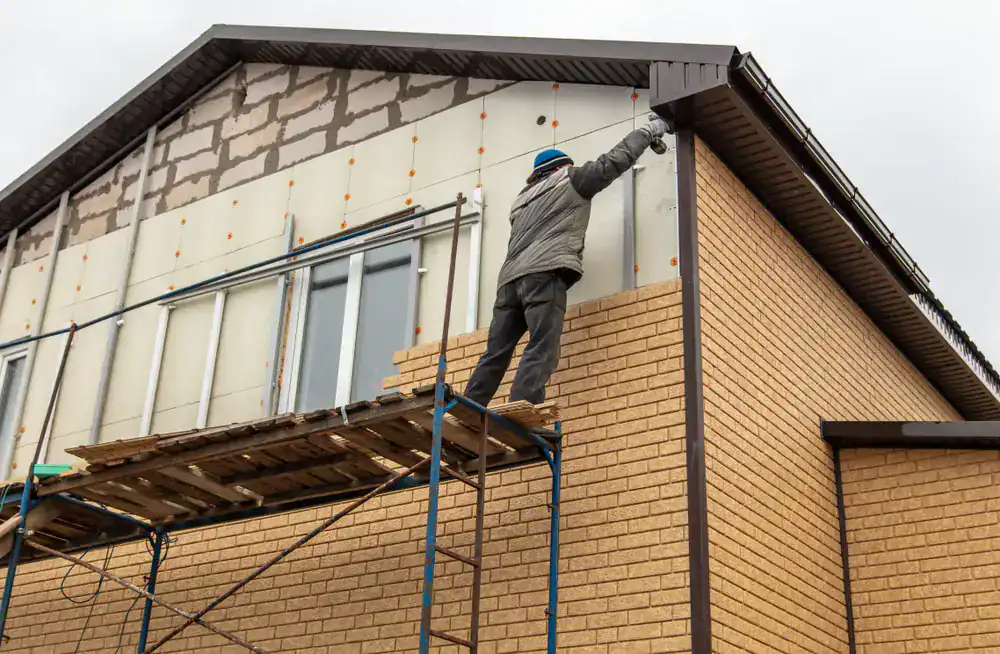
It starts with a free inspection. On homes built in the 1940s through 1960s — which covers a lot of Crane Square — what’s underneath the existing siding matters as much as what goes on top. Before anything is ordered or scheduled, we assess the substrate condition, check for moisture damage, and identify anything that needs to be addressed before new panels go up. If there’s a problem, you hear about it before the work starts, not after.
From there, you get a written estimate with a clear scope. In Elizabeth, siding replacement requires a building permit through the city’s Bureau of Construction. That process typically takes around 20 to 30 business days for standard projects, and we handle that side of it so you’re not navigating the paperwork alone.
Once permits are in place and materials are confirmed, installation moves efficiently. Our crew works cleanly, communicates about daily progress, and doesn’t leave you wondering what’s happening. Final walkthrough happens before anyone considers the job done — and if something doesn’t look right to you, it gets addressed on the spot.

Ready to get started?
Vinyl Siding Contractors in Crane Square, NJ
Crane Square isn’t a one-size-fits-all neighborhood when it comes to siding. The housing stock ranges from single-family homes to small multi-family buildings, and the right material depends on the structure, the budget, and how long you need it to last. We install vinyl, insulated vinyl, and fiber cement siding — and the recommendation you get is based on your specific building, not whatever happens to be easiest to install.
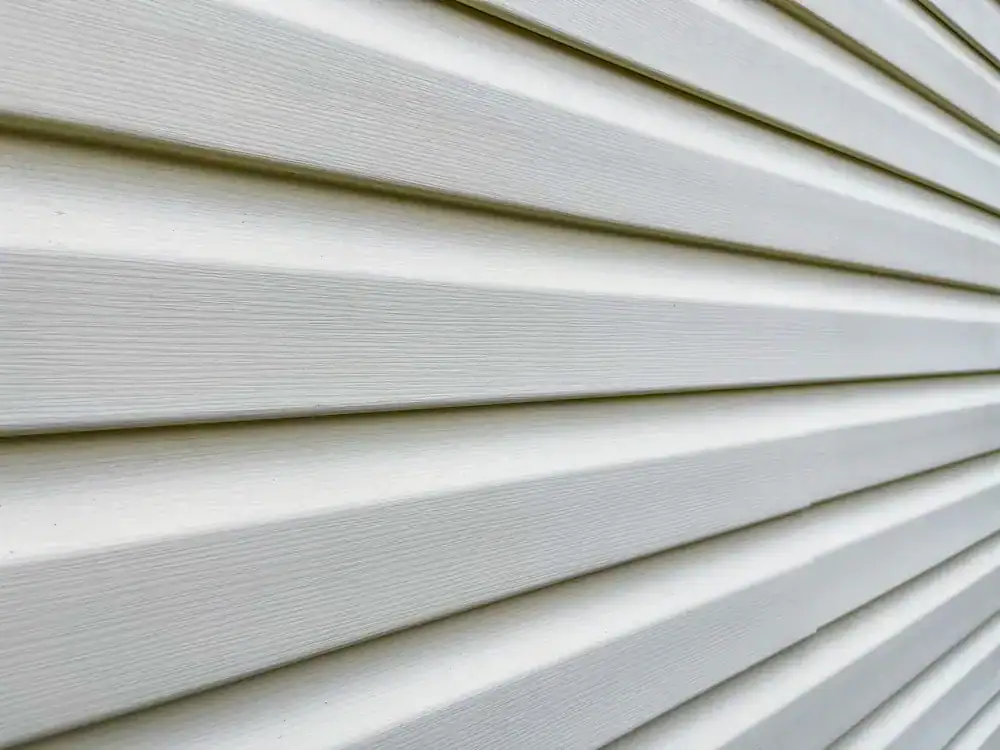
Vinyl is the most common choice for residential siding installation in Crane Square. It’s cost-effective, low maintenance, and handles the freeze-thaw cycle well when installed correctly. Insulated vinyl adds a layer of thermal performance that makes a real difference in older homes with minimal wall insulation — something that matters when you’re heating a pre-1960s structure through a Union County winter. Fiber cement is the longer-term play: a 50-plus year service life, strong resistance to moisture and impact, and a finish that holds up against the kind of environmental exposure that comes with Crane Square’s location near major industrial corridors.
Every installation includes proper moisture barrier work, correct fastening for thermal movement, and flashing details that actually seal the building. These aren’t extras — they’re what separates siding that lasts from siding that fails in five years.

Do I need a permit for siding installation in Crane Square, Elizabeth, NJ?
Yes, siding replacement in Elizabeth requires a building permit through the city’s Bureau of Construction and Zoning. This applies to full replacements — not typically minor repairs — and the permit must be obtained before work begins. Standard review in Elizabeth runs approximately 20 to 30 business days, so it’s worth factoring that into your project timeline, especially if you’re trying to get the work done before winter.
The permit process also requires that the contractor be registered as a New Jersey Home Improvement Contractor (HIC) through the NJ Division of Consumer Affairs. That registration is legally required for any home improvement work in the state, and it’s your protection if something goes wrong. We hold our NJ HIC registration and handle the permitting process on your behalf — so you’re not left navigating Elizabeth’s Bureau of Construction paperwork on your own.
How do I know if my siding needs to be repaired or fully replaced?
The honest answer is that you often can’t tell from the outside alone — especially on homes built in the 1940s through 1960s, which make up a large portion of Crane Square’s residential stock. Siding can look structurally intact while the moisture barrier underneath has been compromised for years. By the time you see bubbling paint, soft spots, or mold staining on the interior walls, the damage is already deeper than the panels.
A professional inspection is the only way to know what you’re actually dealing with. We offer free inspections specifically because this situation is so common in Crane Square neighborhoods. The inspection looks at panel condition, seam integrity, flashing, and substrate moisture — not just the surface. If targeted repairs are the right call, that’s what gets recommended. If the substrate is compromised, replacing panels without addressing it is just covering the problem, and it will cost more to fix later.
What siding material holds up best in New Jersey's climate?
For most Crane Square homeowners, the choice comes down to vinyl, insulated vinyl, or fiber cement — and each has a real case depending on the building and the budget. Standard vinyl is durable, widely available, and performs well through freeze-thaw cycles when installed with proper expansion gaps. It’s the most common choice for residential siding installation in Crane Square and holds up reasonably well given the coastal-adjacent climate.
Insulated vinyl adds a foam backing that improves thermal performance — a meaningful upgrade for pre-1960s homes with minimal wall insulation that are expensive to heat in winter. Fiber cement is the most durable option, with a documented service life of 50-plus years and strong resistance to moisture, impact, and the kind of airborne particulate exposure that comes with living near Port Newark and the NJ Turnpike corridor. It costs more upfront, but for a landlord managing a rental property long-term, the math often works out in its favor. The right answer depends on your specific building — which is exactly what the free inspection is designed to help you figure out.
How long does siding installation take on a typical Crane Square home?
For a standard single-family home, siding installation typically takes two to five days of active work once permits are in place and materials are on-site. Multi-family buildings or properties with more complex trim work, multiple stories, or substrate repairs needed will run longer — sometimes a week or more. The permitting process through Elizabeth’s Bureau of Construction is the longer lead time, running around 20 to 30 business days, so the total timeline from first inspection to finished job is usually four to six weeks when you account for everything.
Weather is also a real factor in the Northeast. Cold temperatures affect vinyl’s flexibility, which is why installation technique matters in late fall and winter. Our crew adjusts fastening and handling practices based on conditions — cutting corners on that is how you end up with cracked panels or failed seams after the first hard freeze. Scheduling earlier in the fall gives you more margin, and we’ll be straightforward with you about what the calendar looks like when you call.
Can new siding be installed over my existing siding on an older Crane Square home?
Technically, yes — but on homes the age of most Crane Square properties, it’s usually not the right call. Installing new panels over old siding skips the substrate inspection entirely, which means any moisture damage, rot, or compromised sheathing underneath stays hidden and keeps getting worse. In Crane Square, where a significant portion of the housing stock is 60 to 80 years old, that’s a real risk, not a theoretical one.
There are also code and weight considerations. Elizabeth’s building permit process requires the work to meet current NJ Uniform Construction Code standards, and inspectors will look at how the installation was done. Overlaying can also add enough weight to affect the wall assembly, particularly on older frame construction. The right approach is to remove the existing siding, assess what’s underneath, address any issues, install a proper moisture barrier, and then put the new panels up correctly. It takes more time and costs a bit more upfront — but it’s the only way to know the building is actually protected when the job is done.
Does new siding actually increase property value in Crane Square, Elizabeth, NJ?
It does, and in Crane Square specifically, the case is stronger than in a lot of other markets. Crane Square has a notable vacancy rate and ongoing property turnover, which means buyers and renters are actively comparing options. A building with deteriorating or visibly aging siding signals deferred maintenance — and in a competitive rental market, that affects both occupancy and the rent you can reasonably charge.
According to Remodeling Magazine’s Cost vs. Value data, vinyl siding replacement typically returns between 67 and 80 percent of the project cost at resale — one of the stronger returns in exterior renovation. For landlords in the 07208 ZIP code managing income-producing properties, new siding also reduces ongoing maintenance costs, which improves the long-term return on the asset. Beyond the numbers, Elizabeth has been attracting new investment and redevelopment activity, and properties that show well — starting with the exterior — are better positioned as the neighborhood continues to evolve. A free estimate from us gives you the actual cost to work with before you make any decisions.
Other Services we provide in Crane Square