
Roof Replacement in Cranford, NJ
Cranford's Older Homes Deserve More Than a Quick Fix
Hear from Our Customers
Residential Roof Replacement Cranford, NJ
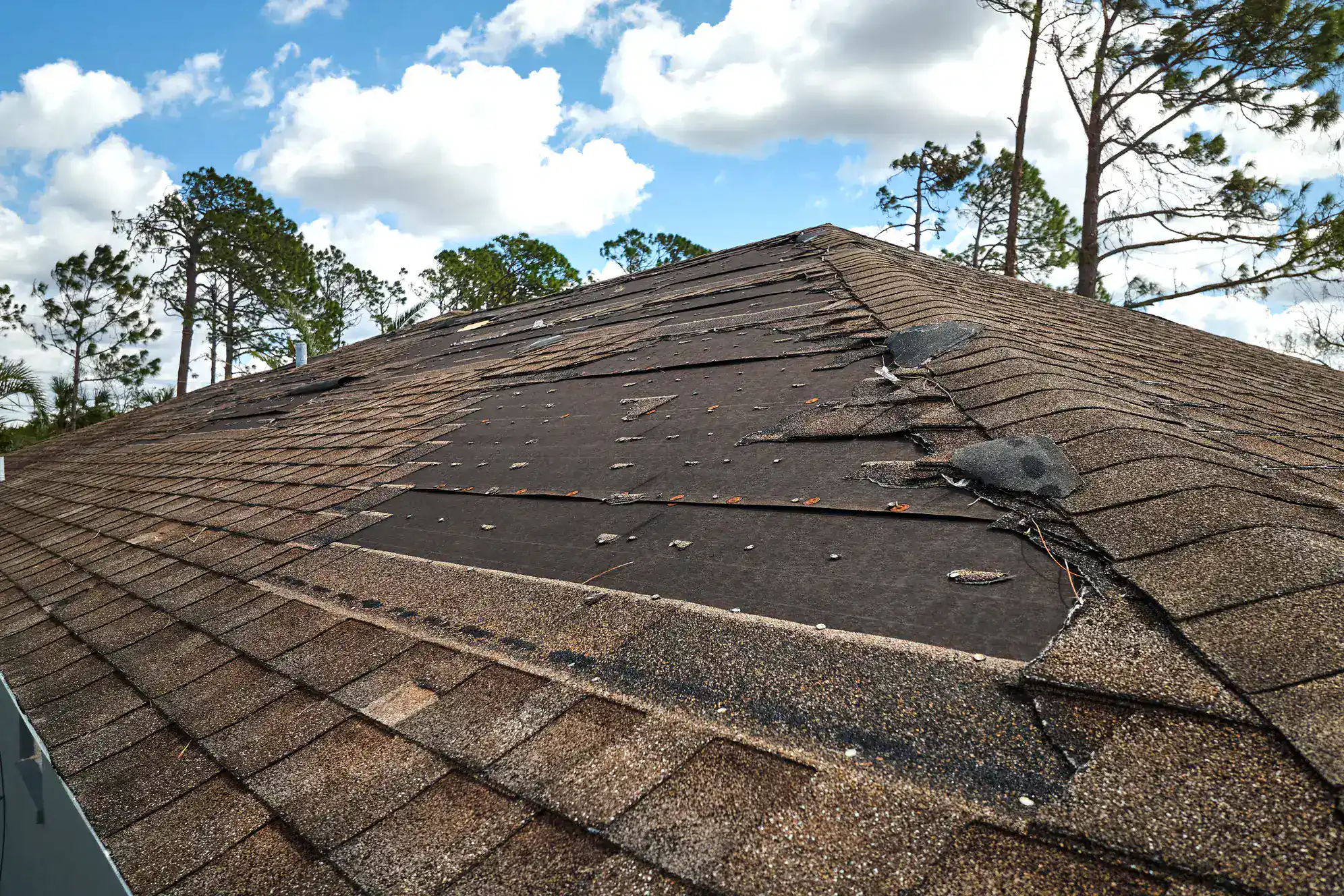
Cranford sits in the Rahway River watershed, and if you’ve lived here long enough, you already know what that means. Hurricane Irene alone affected roughly one in five homes when the river breached. The nor’easters, tropical storm remnants, and summer hail that roll through Union County don’t just create cosmetic damage — they expose every weakness in an aging roof, and Cranford has more aging roofs per square mile than most towns in the state.
The median home in Cranford was built in 1951. If your roof was last replaced in the late ’80s or early ’90s, you’re well past the point where granule loss, flashing failure, and lifted shingles are just possibilities. They’re expected findings. A proper roof replacement — done with the right materials, the right installation, and the right warranty — means you stop managing a slow leak and start protecting the home you’ve invested in.
For Cranford homeowners who commute into Newark or Manhattan via the Raritan Valley Line, the last thing you need is a roofing problem eating into your evenings and weekends. One call, one free inspection, and you’ll know exactly where you stand — no pressure, no guesswork.
GAF Certified Roofer Cranford, NJ
We’ve been doing exterior renovation work across Union County for 17 years, with deep roots in Cranford, Kenilworth, and Garwood. Our business hasn’t grown through paid lead generation or national franchise marketing — it’s grown because homeowners in Cranford told their neighbors. That’s a different kind of track record.
We hold GAF manufacturer certification, which matters more than most homeowners realize. GAF is North America’s largest roofing manufacturer, and only certified contractors can offer the enhanced System Plus and Golden Pledge Limited Warranties — the ones that cover both materials and workmanship in writing. Most competitors either don’t hold this certification or don’t explain what it actually means for your coverage.
Every project is handled by a licensed, insured crew that pulls permits through Cranford’s Building Department, documents everything, and treats your property the way we’d want ours treated. Free estimates and free inspections are standard — because the conversation should start with honest information, not a sales pitch.
Roof Installation Process Cranford, NJ
It starts with a free roof inspection. A member of our team comes out, gets on the roof, and gives you a straight assessment — what’s failing, what can be repaired, and whether a full replacement is actually necessary. If you’ve had a recent storm event, we’ll document the damage in a way that supports an insurance claim, which matters in a town with Cranford’s weather history.
If replacement is the right call, you’ll receive a written, itemized estimate before anything is scheduled. Every line item is explained — materials, labor, decking replacement if needed, ventilation assessment, ice-and-water shield at the eaves. Cranford’s older Colonials and Cape Cods frequently have inadequate attic ventilation by modern standards, and that gets addressed during installation, not after the fact.
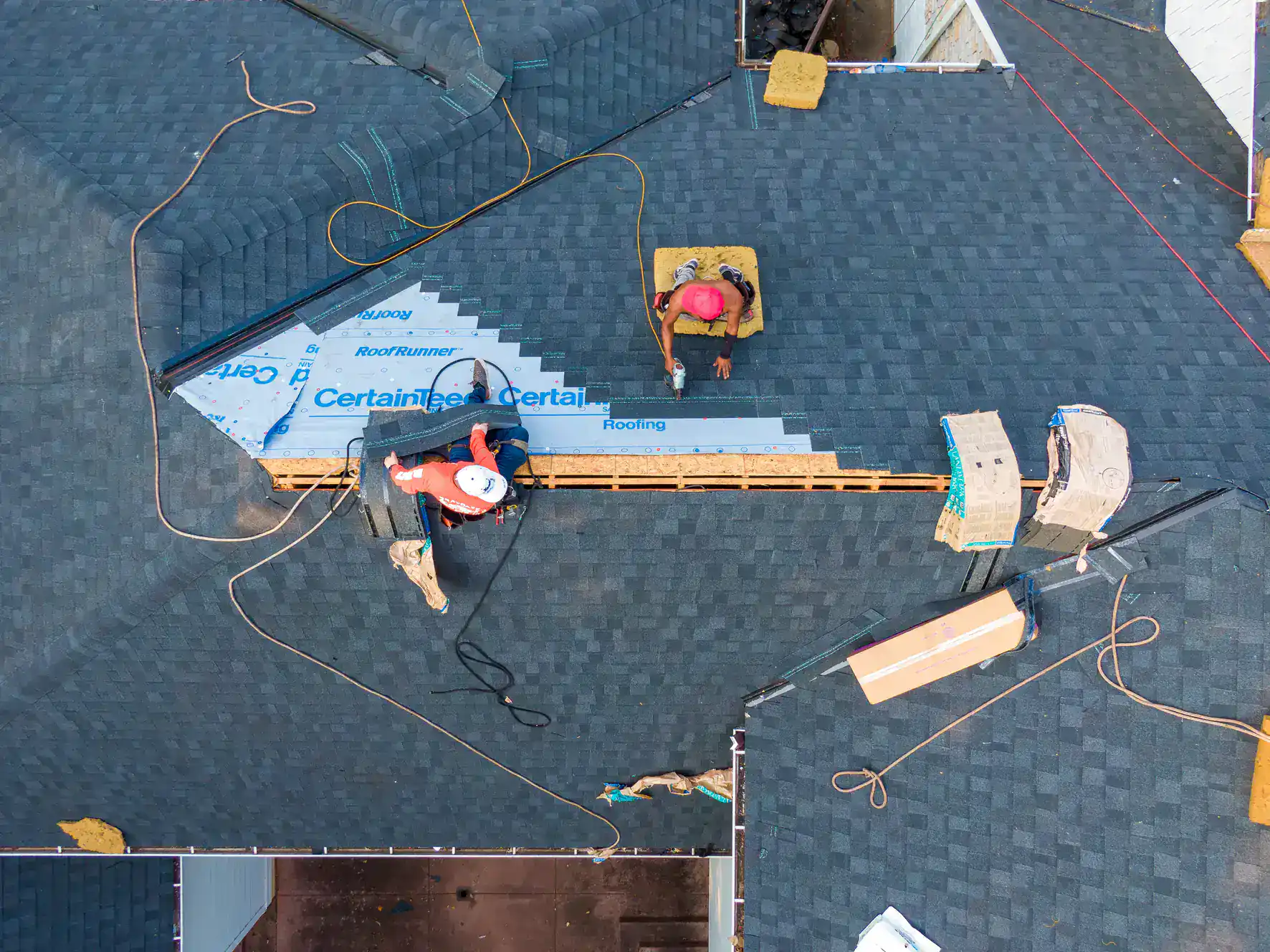
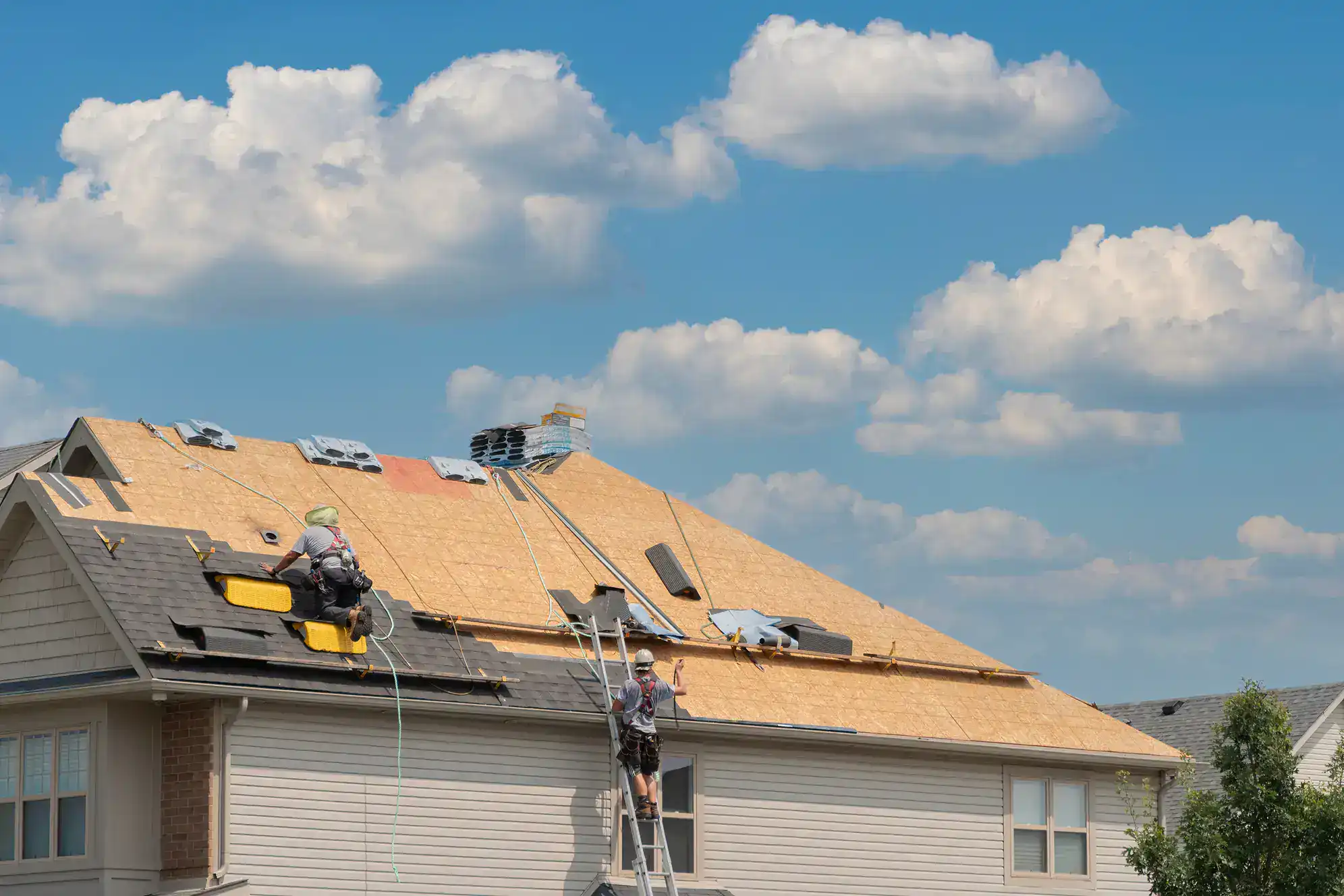
Once the project is approved, we handle the permit application with Cranford’s Building Department — including all required documentation under Township Code Chapter 186. Most residential roof replacements are completed in one to two days. Our crew protects your landscaping throughout, performs a full magnetic nail sweep when the work is done, and leaves the property clean. You’ll have a warranted roof and a passed permit inspection before the week is out.
Ready to get started?
Storm Damage Roof Replacement Cranford, NJ
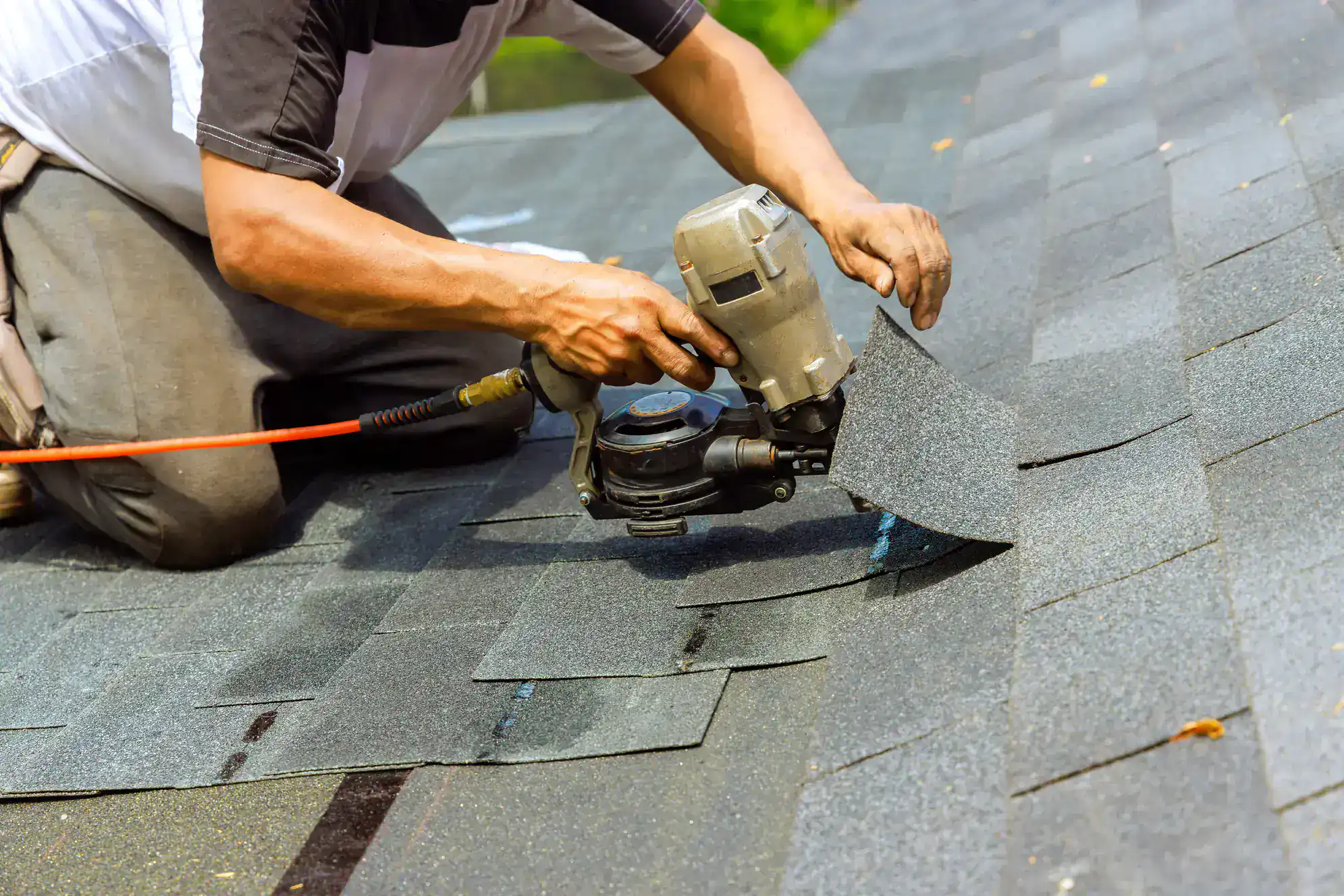
Residential roof replacement in Cranford, NJ covers full tear-off of existing shingles, inspection and replacement of any compromised decking, installation of ice-and-water shield at the eaves and in all roof valleys, proper underlayment, and GAF architectural shingles installed to manufacturer specifications. Ventilation is assessed on every project — this is non-negotiable for Cranford’s pre-war housing stock, where poor attic airflow is one of the leading causes of premature roof failure and ice dam formation during freeze-thaw cycles.
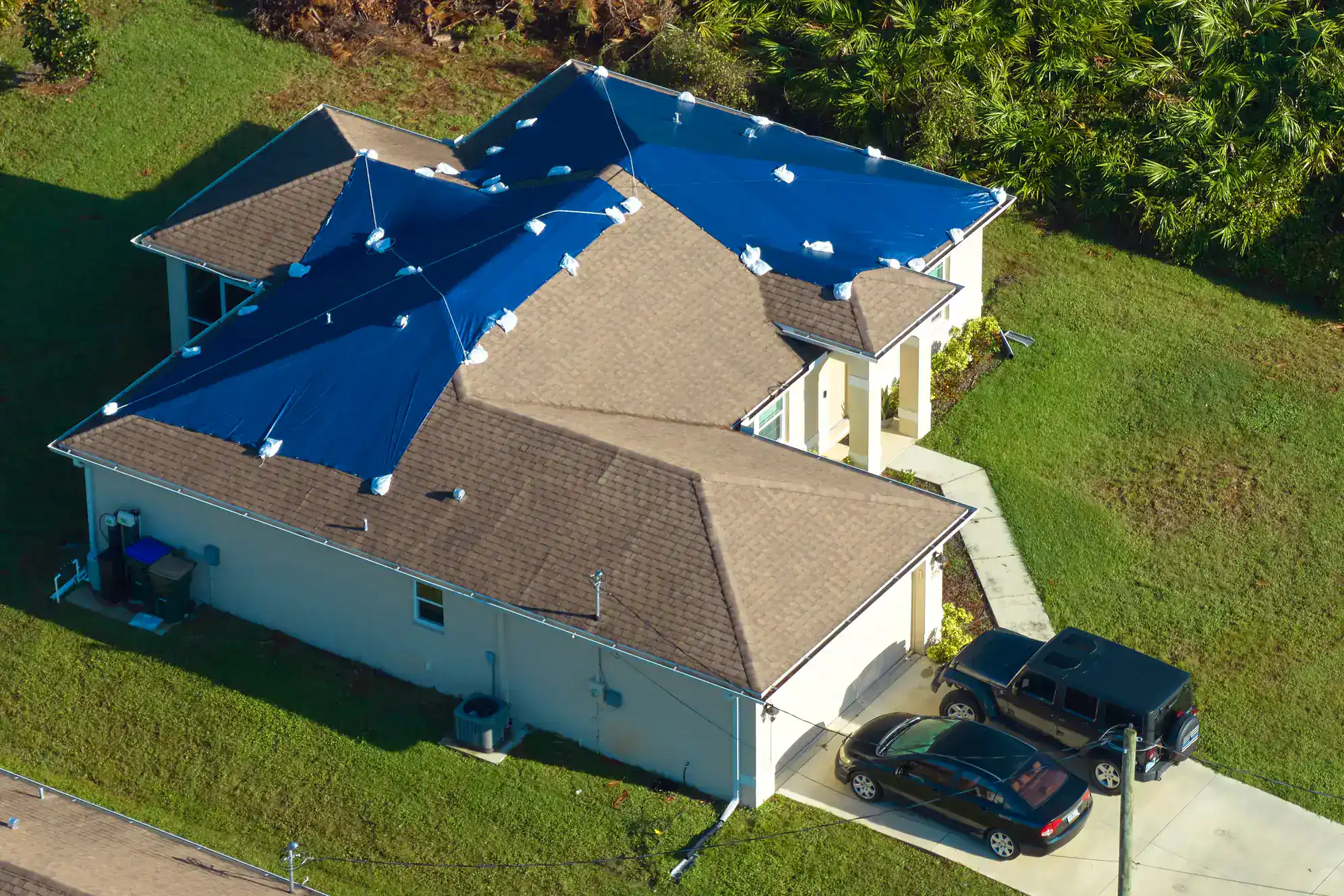
For homes that have sustained wind, hail, or water damage — common findings after the nor’easters and tropical storm remnants that hit Union County — we provide full storm damage documentation to support your insurance claim. That includes photos, written assessments, and direct coordination with your adjuster if needed. You shouldn’t have to figure out the claims process alone, and with a contractor who’s navigated it for Cranford homeowners before, you won’t have to.
We also handle commercial roof replacement in Cranford, NJ for property owners and managers in the downtown Special Improvement District and surrounding commercial areas. Flat and low-slope roofing systems — TPO, EPDM, modified bitumen — are handled with the same permit-compliant, fully documented process as residential work. Whether it’s a storefront on North Avenue or a multi-unit building near the Route 28 corridor, the process is the same: written scope, pulled permits, clean execution.
Do I need a permit for roof replacement in Cranford, NJ?
Yes — Cranford Township requires a building permit for roof replacement work. Under Chapter 186 of the Township Code, the permit fee is $200 for projects under $6,000 and $250 for projects at $6,000 or more. The application requires documentation of contractor licensure and insurance, and once payment is submitted through the township’s online portal, work can begin.
This matters more than it might seem. Unpermitted roofing work in Cranford can void your homeowner’s insurance coverage, create complications when you go to sell the home, and leave you exposed to liability if something goes wrong after the job. We handle the permit application as a standard part of every project — it’s not an add-on or an afterthought. Every roof replacement we complete in Cranford is documented, permitted, and inspected through the proper channels.
How much does roof replacement cost in Cranford, NJ?
For a standard single-family home in Cranford, a full roof replacement typically runs between $12,000 and $20,000. Where your project lands in that range depends on the size of the roof, the pitch, the material tier you choose, and the complexity of the job. Cranford’s older Colonials, Dutch Colonials, and Victorians — many of them built in the 1920s through 1940s — often have steep pitches, multiple valleys, dormers, and chimneys that add labor time and material requirements compared to a simpler ranch-style roof.
That said, price isn’t the number you should be anchoring to first. A roof replacement in this range is one of the highest-ROI home improvements you can make — Remodeling Magazine’s Cost vs. Value data consistently ranks it near the top for resale return. More importantly, for a home in Cranford where the housing stock is old and the weather history is serious, the cost of not replacing a failing roof tends to be significantly higher than the replacement itself. You’ll get a written, itemized estimate from us before any decision is made.
Will my homeowner's insurance cover roof replacement after storm damage?
It depends on your policy and the type of damage — but in many cases, yes, storm-related roof damage is covered. Wind damage, hail impact, and damage caused by falling debris are the most common covered events. What insurance typically does not cover is damage from gradual wear and aging, which is why the distinction between storm damage and normal deterioration matters when you’re filing a claim.
Cranford’s storm history makes this a very real question for a lot of homeowners here. After events like Hurricane Irene, Tropical Storm Ida, and the recurring nor’easters that hit Union County, many residents have been through the claims process at least once. The key is proper documentation — photos taken from the right angles, a written damage assessment from a licensed contractor, and a clear timeline connecting the damage to a specific weather event. We provide that documentation as part of the inspection process and can work directly with your adjuster to make sure nothing gets missed or undervalued.
What are the signs that my Cranford home actually needs a full replacement?
The most common signs are granule loss in your gutters or downspouts, shingles that are curling, cracking, or missing entirely, visible sagging anywhere on the roof plane, and daylight visible in the attic. If you’re seeing water stains on ceilings or interior walls after rain, that’s a sign the roof envelope has already been compromised — and depending on how long it’s been going on, there may be decking damage underneath that needs to be addressed during the replacement.
For Cranford specifically, there’s a useful rule of thumb: if your home was built before 1960 and you don’t have a clear record of when the last roof replacement happened, it’s worth getting an inspection. Asphalt shingles have a lifespan of 25 to 30 years under normal conditions — less if the attic ventilation is poor, which is common in pre-war construction. Cranford’s freeze-thaw cycles through the winter months accelerate that degradation, and ice dam formation on older homes with inadequate ventilation can push water under shingles in ways that aren’t visible until the damage is already done.
What does GAF certification actually mean for my roof warranty?
GAF is North America’s largest roofing manufacturer, and their certification program is not something a contractor earns by buying enough product. To become and stay certified, a contractor must maintain proper state licensing, carry adequate insurance, demonstrate installation proficiency, and pass background checks. It’s a third-party credential — independently issued and independently verifiable on GAF’s own website.
What it means for you practically is access to warranty tiers that non-certified installers simply cannot offer. The GAF System Plus and Golden Pledge Limited Warranties cover both materials and workmanship in writing — not just the shingles themselves, but the installation. If something fails within the warranty period, you have a documented path to recourse backed by the manufacturer, not just a contractor’s verbal promise. For a Cranford homeowner investing $12,000 to $20,000 in a roof replacement, that warranty is a meaningful part of what you’re paying for. Make sure the contractor you hire can actually deliver it — and verify their certification status before you sign anything.
How do I choose the right roofing contractor in Cranford, NJ?
Start with the basics: verify that the contractor holds a current New Jersey Home Improvement Contractor (HIC) registration through the NJ Division of Consumer Affairs. This is a legal requirement for any contractor doing home improvement work in the state, and it’s searchable online. Beyond that, confirm they carry liability insurance and workers’ compensation coverage — and ask for documentation, not just a verbal yes.
From there, look at how they handle the permit process. A contractor who suggests skipping the permit to save time is not doing you a favor — they’re transferring risk onto you. Cranford’s Building Department is active, and unpermitted work creates real problems at resale and with your insurance carrier. Finally, look at where their reviews come from. There’s a difference between a company with a high volume of recent, specific Google reviews from Union County homeowners and one with a polished website and vague testimonials. In Cranford, reputation is built over years through actual work on actual homes — and the contractors who’ve earned that reputation are easy to distinguish from those who haven’t.