
Roof Repair in Rahway, NJ
Rahway's Aging Roofs Deserve More Than a Quick Fix
Hear from Our Customers
Roof Leak Repair in Rahway, NJ
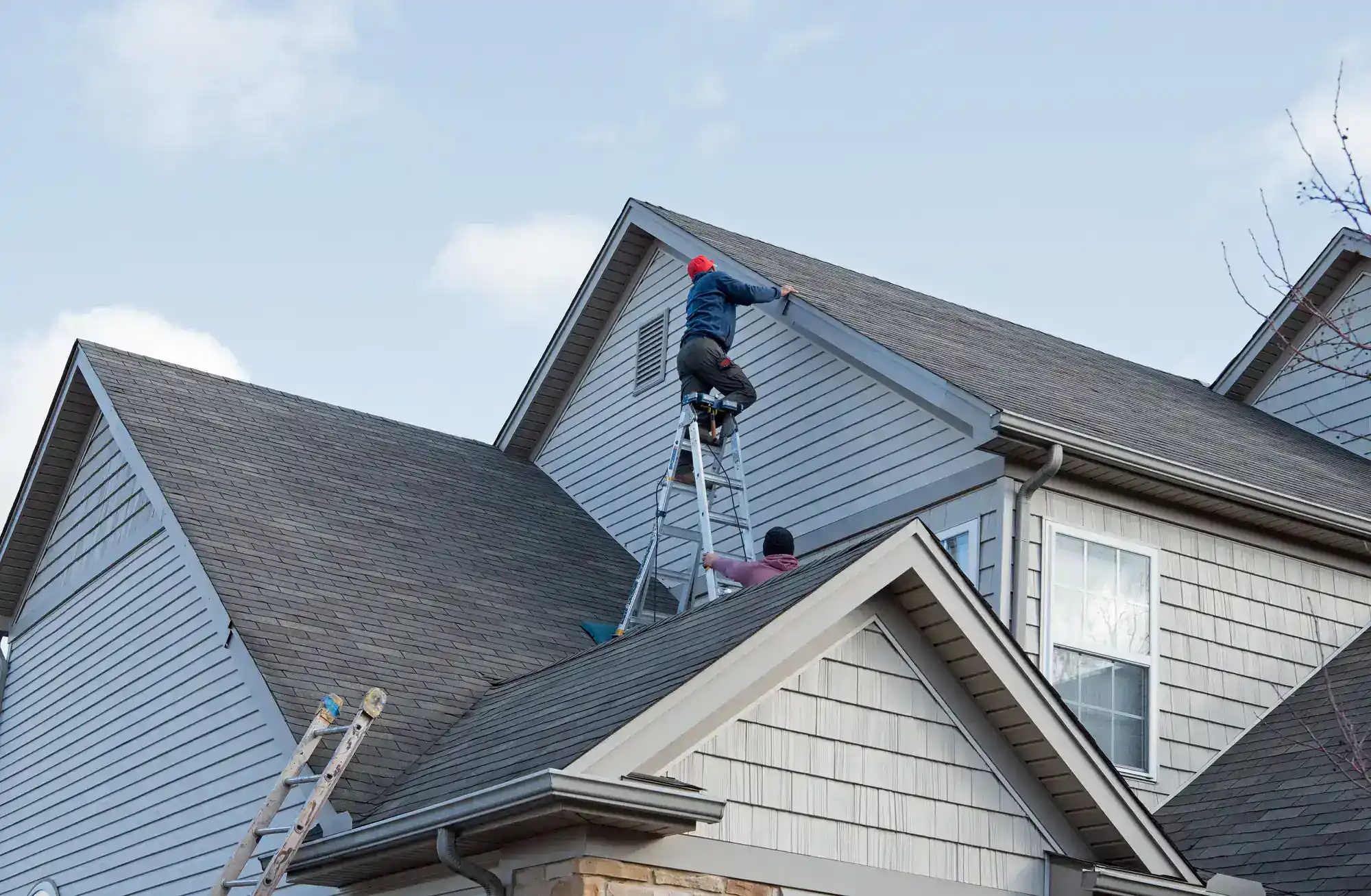
A small leak in a 1950s Cape Cod near Milton Lake or a pre-war colonial on Valley Road isn’t just an inconvenience — it’s a clock ticking toward a much bigger repair bill. Water that gets past a failed flashing joint or a few cracked shingles doesn’t stop at the decking. It moves into insulation, framing, and drywall, and by the time you see a stain on the ceiling, the damage above it is already worse than what’s visible.
Rahway’s housing stock is genuinely older. A significant share of homes in this city were built before 1939, and many others went up in the postwar decades when Cape Cods and bungalows were the standard. That means a lot of roofs in Rahway are either approaching or past the end of their expected service life — and the combination of nor’easters, freeze-thaw cycles, and the Rahway River’s flood-zone exposure doesn’t make things easier. Ice dams along eaves, flashing failures around chimneys, and soffit damage from water intrusion near the river are all patterns we see repeatedly in this area.
Getting a repair done right the first time means you’re not calling someone back six months later for the same problem. It means your home is protected going into winter. And it means the investment you’ve made in your property — especially in a city whose property values have been climbing steadily — is actually protected.
Certified Roof Repair Contractor in Rahway, NJ
We are a family-operated exterior renovation company with over ten years of hands-on experience serving homeowners throughout Rahway and the surrounding Union County region. Roofing is our primary focus — repair, replacement, and inspection — supported by gutter and siding work for when a storm hits more than just your shingles.
We hold contractor licenses required under New Jersey state law and carry certifications from major shingle manufacturers. That second part matters more than most homeowners realize: manufacturer-certified repairs qualify for warranty coverage that a non-certified contractor simply cannot offer you. It’s not a badge on a website — it’s a formal protection on the materials installed in your home.
Rahway is a city we know well. From the older colonials near Downtown and the Cape Cods around Milton Lake Park to the multi-family structures closer to Route 1/9, we’ve worked on the housing types that define this city. We understand the flood-zone considerations near the Rahway River, the permit requirements through Rahway’s Division of Building, and the specific wear patterns that Northeast weather creates on aging roofs in this area.
Roof Repair Estimate in Rahway, NJ
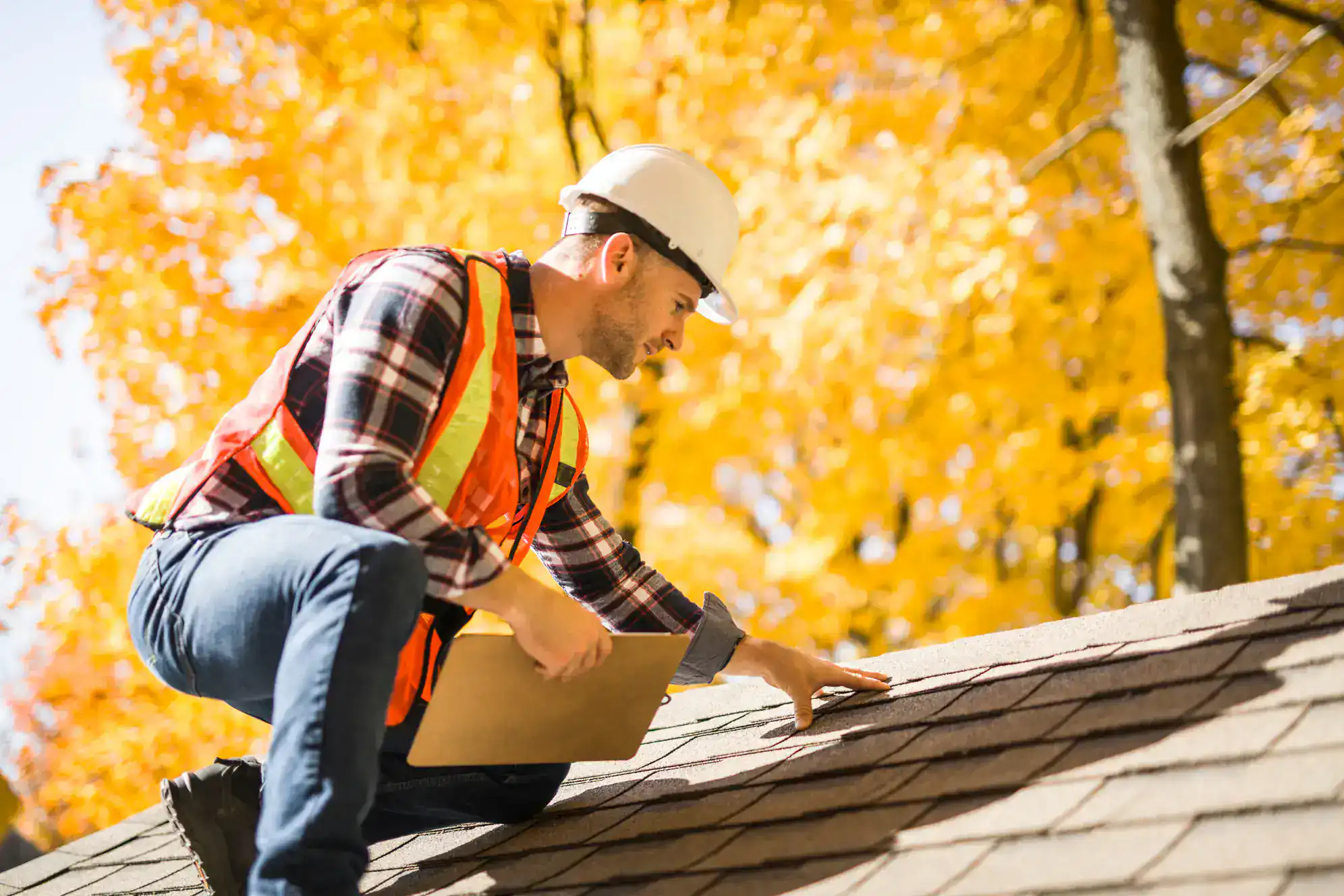
It starts with a free inspection — no obligation, no pressure, no sales pitch designed to steer you toward a replacement you might not need. One of our experienced team members comes out, gets on the roof, and looks at what’s actually happening up there. We check flashing around chimneys and penetrations, examine valleys, inspect the condition of shingles and any flat roof sections, and look at soffits and fascia for signs of water intrusion. You get a straight answer on what the problem is and what it will take to fix it.
From there, you receive a written, itemized estimate. Every line item is spelled out — materials, scope of work, and total cost — before anything is agreed to. If the scope doesn’t change, the price doesn’t change. That’s not a promise we make lightly; it’s how we’ve built the kind of repeat business and referral relationships that have kept us operating in Rahway for over a decade.
Once work begins, we pull any permits required under New Jersey’s Uniform Construction Code and Rahway’s local building requirements. Depending on the scope, a roof repair may qualify as ordinary maintenance and not require a permit — but when one is needed, we handle it. For homeowners dealing with storm damage, we also help document the damage in a way that supports the insurance claim process, which means you’re not navigating that alone. When the job is done, we clean up completely and walk you through what was done and why.
Ready to get started?
Shingle and Flat Roof Repair in Rahway, NJ
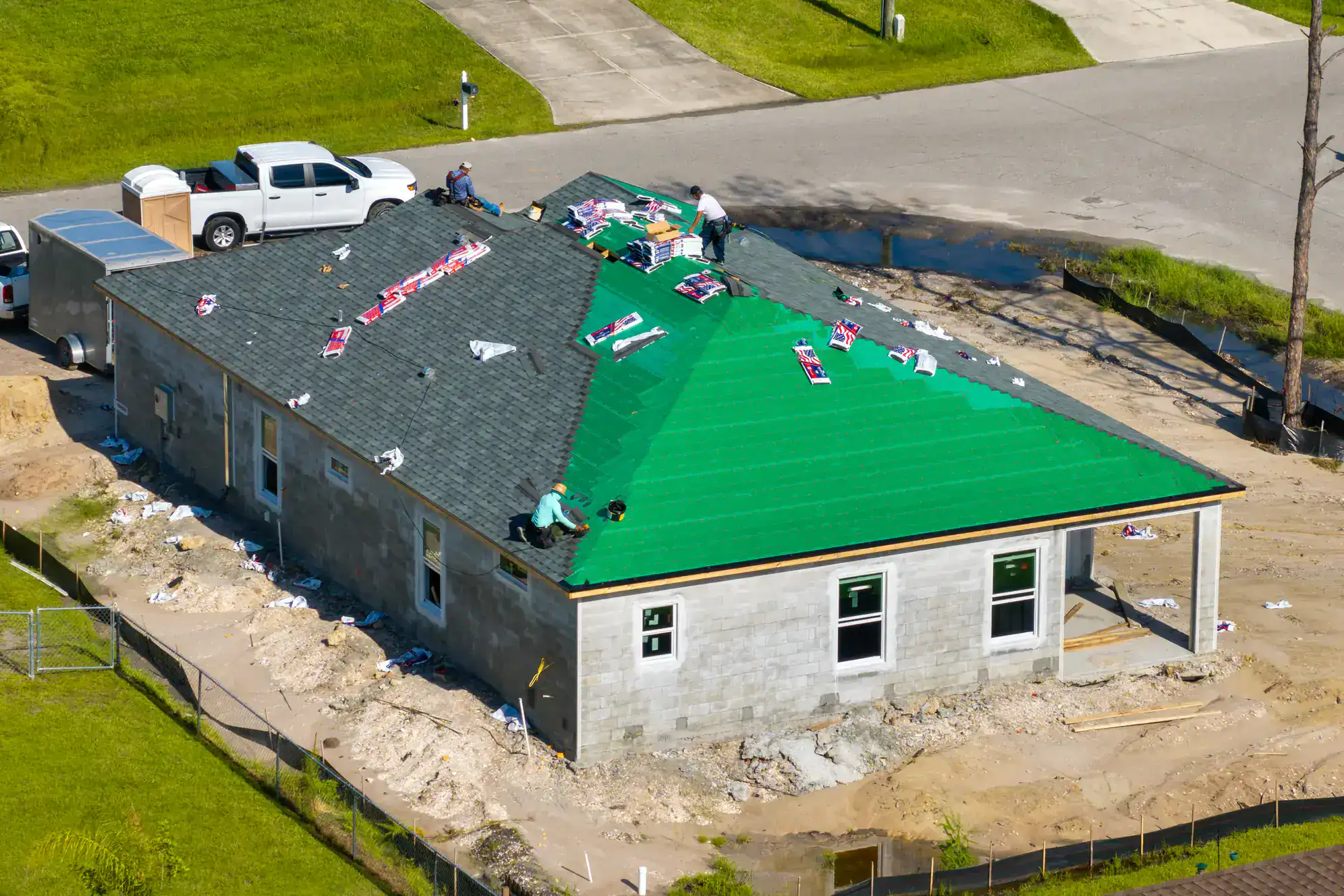
Rahway’s residential landscape isn’t uniform, and neither is the repair work it requires. Asphalt shingle repair — whether it’s a few cracked tabs, a lifted section after a high-wind event, or a valley that’s been leaking through two winters — is the most common call we get. We source replacement shingles with attention to color and profile matching so the repaired section doesn’t look like a patch job on a home you’ve spent years maintaining.
But Rahway also has a meaningful number of properties with flat or low-slope roof sections — rear additions, garages, row houses, and multi-family structures that are common throughout the city’s denser neighborhoods. Flat roof repair requires a different approach entirely, whether the system is TPO, EPDM, or modified bitumen. Using the wrong repair method on a flat roof is one of the fastest ways to end up with the same leak in a different spot six months later.
Emergency roof repair in Rahway is something we handle as well. When a nor’easter pulls shingles off or a summer storm opens a section of your roof, waiting isn’t an option. We respond quickly, apply temporary protection to stop active water intrusion, and get you on the schedule for a permanent fix. For homeowners near the Rahway River whose properties sit in documented flood hazard areas, that kind of fast response isn’t just convenient — it’s the difference between a contained repair and a structural problem.
How do I know if my Rahway home needs roof repair or a full replacement?
This is the question we hear most often, and it’s a fair one — especially in Rahway, where a lot of homes are carrying roofs that are 20, 30, or even 40-plus years old. The honest answer is that it depends on the condition of the decking, the extent of the damage, and how much of the roof’s useful life remains. A roof with isolated storm damage — a few missing shingles, a failed flashing joint around a chimney, a cracked valley — is almost always a repair candidate, not a replacement candidate.
Where replacement makes more sense is when the damage is widespread, when the shingles are at the end of their granule life and showing widespread cracking or curling, or when the decking beneath has been compromised by long-term water intrusion. Our free inspection is specifically designed to give you an honest answer to this question before any money changes hands. If a targeted repair will solve the problem, that’s what we’ll tell you — not because we’re trying to be nice, but because it’s the right answer and the right way to do business.
What does roof repair in Rahway typically cost for a standard residential home?
The range is wide because the variables are wide. A minor shingle repair — replacing a handful of damaged tabs and resealing the surrounding area — might run a few hundred dollars. Flashing repair around a chimney or skylight typically falls in the $300–$700 range depending on complexity. More involved repairs, like addressing a section of failed decking along with the shingles above it, or repairing a flat roof section on a rear addition, can run $1,000–$3,000 or more.
What affects the number most in Rahway’s market specifically is the age of the home, the accessibility of the roof, and whether the damage has been sitting long enough to affect the decking or framing below the surface. Older homes — and there are a lot of them in Rahway, particularly the pre-war colonials and postwar Cape Cods — sometimes reveal secondary damage once the surface layer is opened up. We account for that in our estimates by being specific about scope and transparent about what we know and what we may find. You won’t get a number that triples when the job is done.
Does homeowners insurance cover roof storm damage repair in Rahway, NJ?
In most cases, yes — if the damage was caused by a covered peril like wind, hail, or a falling tree. Rahway gets hit by nor’easters and summer thunderstorms with enough regularity that storm damage claims are a real and recurring part of life here. The key is documentation: insurance adjusters need to see clear evidence of the cause, the extent, and the affected areas before they approve a claim.
Where homeowners run into trouble is when they call the insurance company before they have a clear picture of the damage — or when the contractor they hire doesn’t know how to document a claim in a way the adjuster will accept. We help with that. We photograph the damage thoroughly, provide written assessments that clearly describe what happened and what it will take to fix it, and make sure the scope of the repair matches what the claim covers. You’re not left to figure out the paperwork while your roof is sitting open.
Do I need a permit for roof repair in Rahway, NJ?
It depends on the scope of the work. Under New Jersey’s Uniform Construction Code, minor repairs that qualify as ordinary maintenance — patching a few shingles, resealing a flashing joint — generally don’t require a permit. But more substantial work, including full section replacements or any repair that involves the decking, typically does require a permit through Rahway’s Division of Building.
This matters more than most homeowners think. Unpermitted work that gets discovered during a home sale or an insurance claim can create real complications — either delaying the transaction or affecting the claim outcome. We know Rahway’s permit requirements and handle the permit process as part of the job when one is required. You don’t need to figure out which category your repair falls into on your own — that’s part of what the inspection and estimate process clarifies upfront.
What causes roof leaks in older Rahway homes, and where do they usually start?
In Rahway’s housing stock — which skews heavily toward pre-war colonials, postwar bungalows, and 1950s–1960s Cape Cods — the most common leak sources are flashing failures, valley deterioration, and ice dam damage. Flashing is the metal that seals the joints where your roof meets a chimney, a dormer, a vent, or a wall, and it’s almost always the first thing to fail on an aging roof. When the sealant around flashing cracks from years of freeze-thaw cycles, water finds its way in long before the shingles themselves show visible damage.
Ice dams are a specific and recurring problem for Rahway’s older homes, many of which have inadequate attic insulation and ventilation by modern standards. When heat escapes through the roof deck and melts snow near the ridge, that water runs down and refreezes at the eaves — creating a dam that forces water backward under the shingles. Homes near the Rahway River also deal with periodic flooding that can affect lower roofline components, soffits, and fascia in ways that aren’t always obvious until the damage has progressed. Knowing what to look for in this specific housing environment is what separates a thorough inspection from a surface-level look.
How quickly can we respond to emergency roof repair in Rahway, NJ?
When you have an active leak or storm damage that’s left your roof exposed, the timeline matters. We prioritize emergency roof repair calls in Rahway and the surrounding Union County area because we understand that every hour of delay means more water moving into places it shouldn’t be — insulation, framing, drywall, and in some cases the structural components below.
When we respond to an emergency, the first priority is stopping the active intrusion. That typically means applying a temporary protective covering over the damaged area to prevent further water entry while we assess the full scope and prepare for permanent repair. We’re familiar with the kinds of damage Rahway’s weather produces — nor’easter shingle loss, hail impact on aging asphalt, ice dam-related intrusion along eaves — and we come prepared for what we’re likely to find. If your home is in one of the flood-zone areas near the Rahway River, we also understand the added urgency that comes with properties in those locations. Call us directly and we’ll tell you honestly how fast we can get there.
Other Services we provide in Rahway