
Roof Repair in Norwood, NJ
Norwood Roofs Built to Handle What Bergen County Winters Deliver
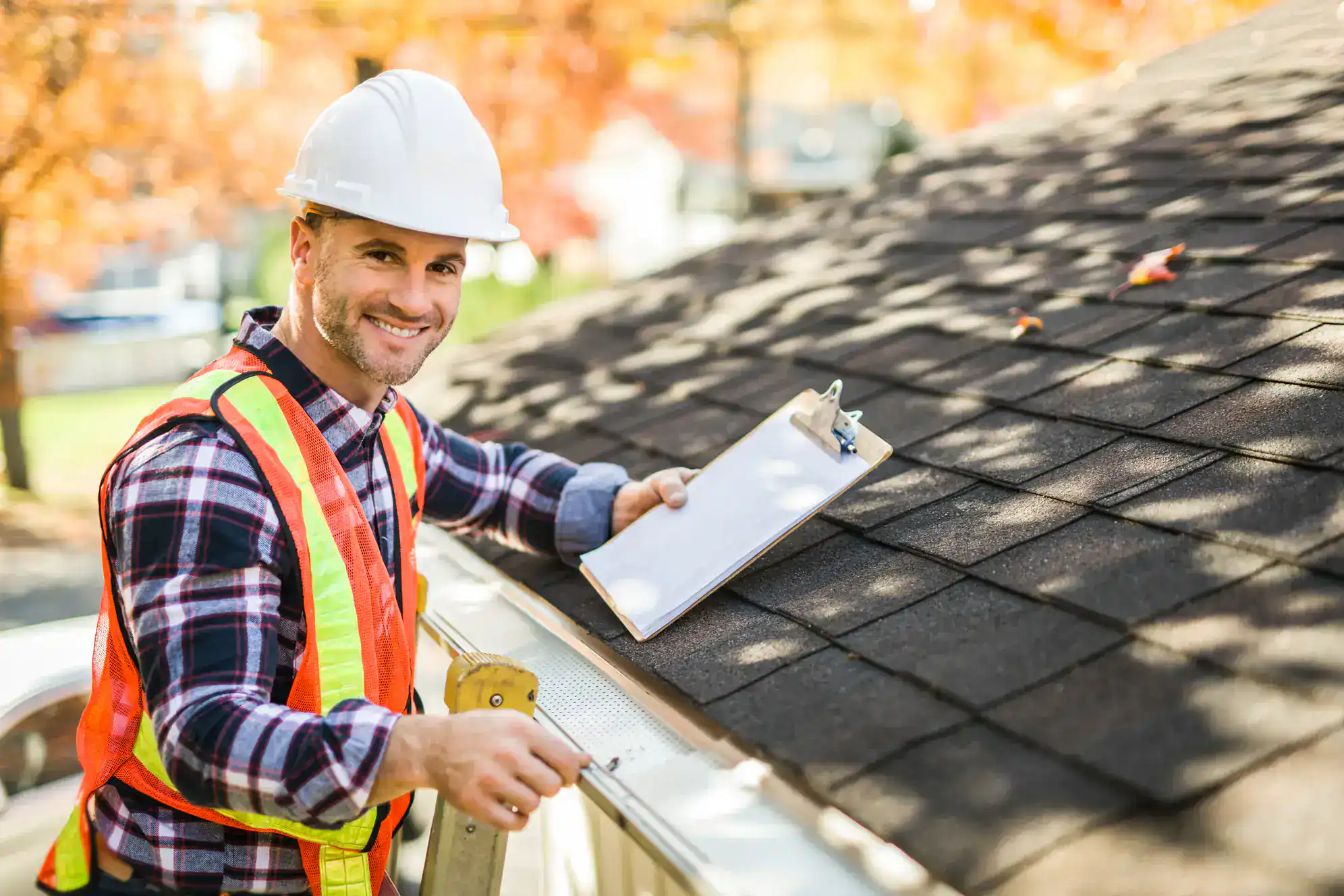
Hear from Our Customers
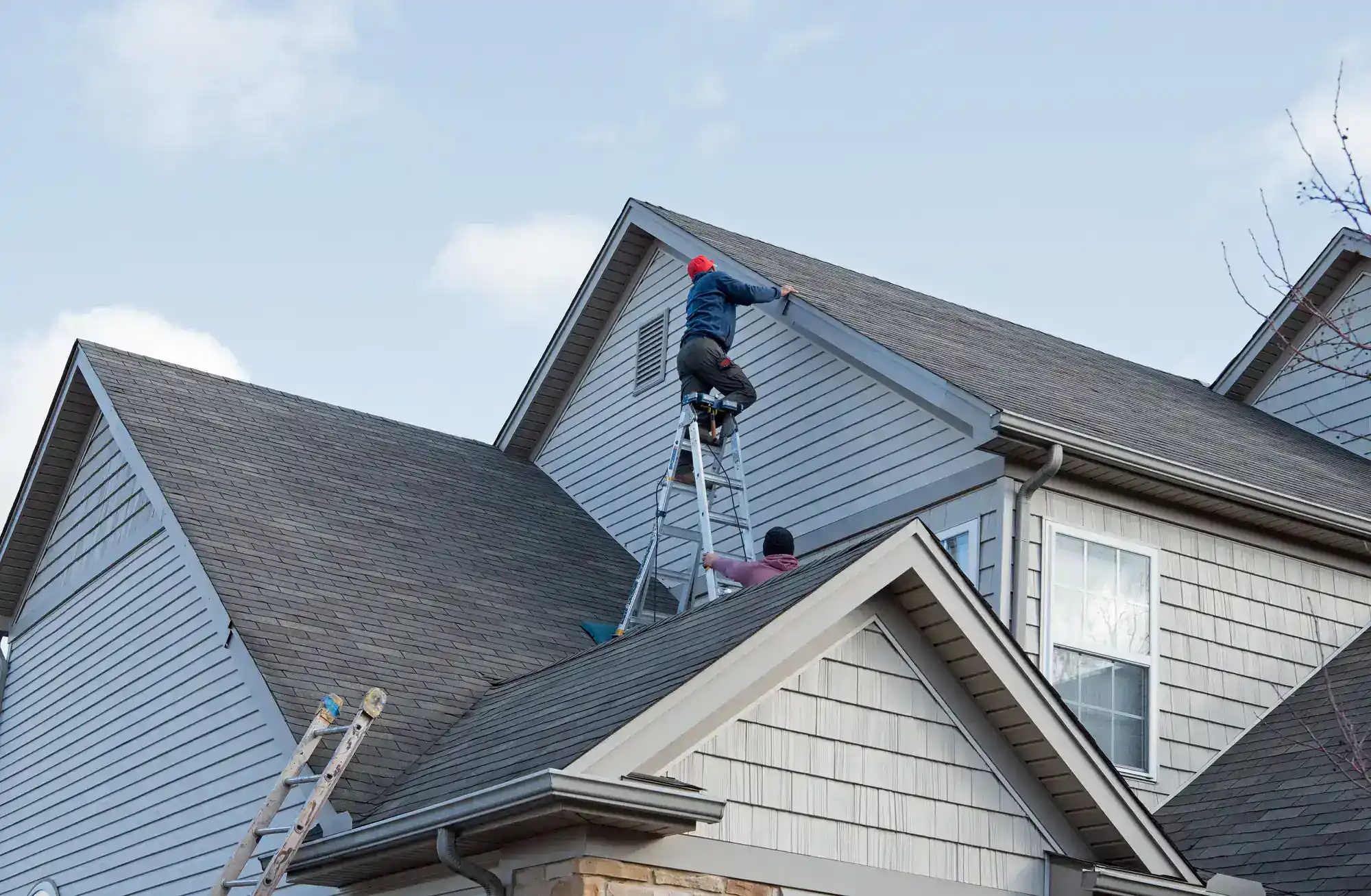
Roof Leak Repair in Norwood, NJ
A roof repair done right doesn’t just stop the leak you can see. It addresses what caused it — whether that’s a failed flashing seal, a cracked shingle, or ice dam damage that worked its way into the decking over a long Bergen County winter. When the work is done properly, you’re not patching the same spot again next spring.
Norwood’s older housing stock is a real factor here. A lot of homes in this borough were built between the 1950s and 1980s, and many of those roofs have been through decades of freeze-thaw cycles, wet snow loads, and the kind of sustained wind that nor’easters bring from October through April. That kind of exposure doesn’t just wear shingles — it stresses every component of the system, including the flashing around chimneys and vents where most leaks actually start.
Getting ahead of those issues means you’re protecting the investment you’ve made in your Norwood home. In a community where the Northern Valley school district drives property values, a roof that performs and looks right matters on both counts.
Roof Repair Contractor in Norwood, NJ
We’re a family-operated exterior renovation company with over ten years of hands-on experience serving homeowners across Norwood and the surrounding Northern Valley communities like Closter, Old Tappan, and Harrington Park. Roofing is the core of what we do, and it’s where our depth of experience shows most clearly.
We hold active contractor licenses and manufacturer certifications from major shingle brands. Those certifications aren’t just credentials on a wall — they unlock enhanced manufacturer-backed warranties that most contractors in this area simply can’t offer. When you’re investing in your Norwood home, that kind of coverage is worth knowing about.
Our model is straightforward: free inspections, written estimates that match the final invoice, and a team that communicates clearly from the first call to the last nail. No surprises, no pressure.
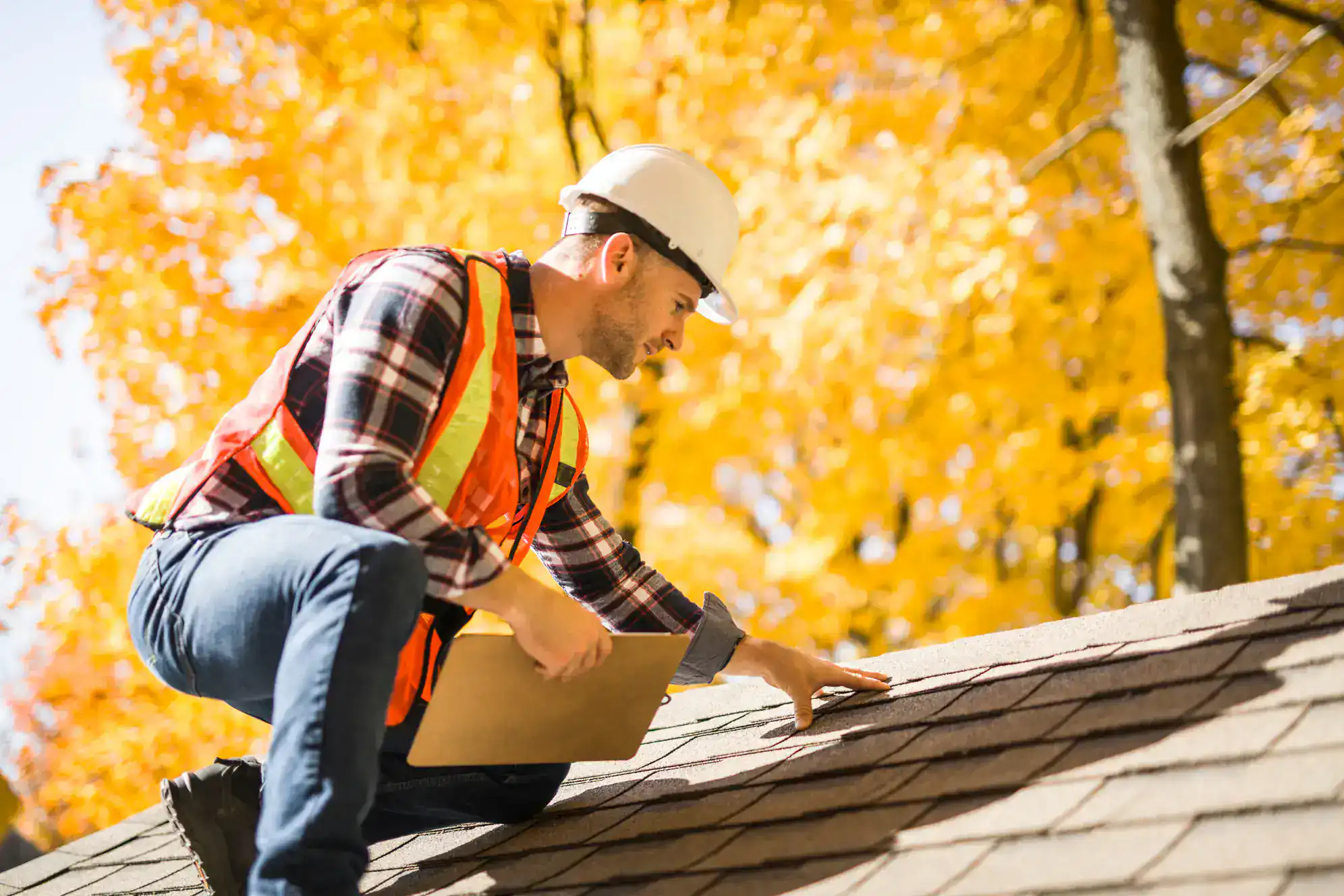
Roof Repair Estimate in Norwood, NJ
It starts with a free roof inspection. A member of our team comes out, gets on the roof, and gives you an honest read on what’s going on — not a worst-case scenario designed to push you toward a full replacement. If a targeted repair is the right answer, that’s what you’ll hear. The inspection covers shingles, flashing, ridge lines, valleys, and any areas where water has a clear path in.
From there, you get a written, itemized estimate. Every line item is explained, and the number you see is the number you pay. In Norwood, roof repairs covering more than 25% of the total roof area require a permit through the borough’s Construction Code Enforcement office — with a minimum fee of $50. We handle that process as part of the project, so you’re not navigating municipal paperwork on your own.
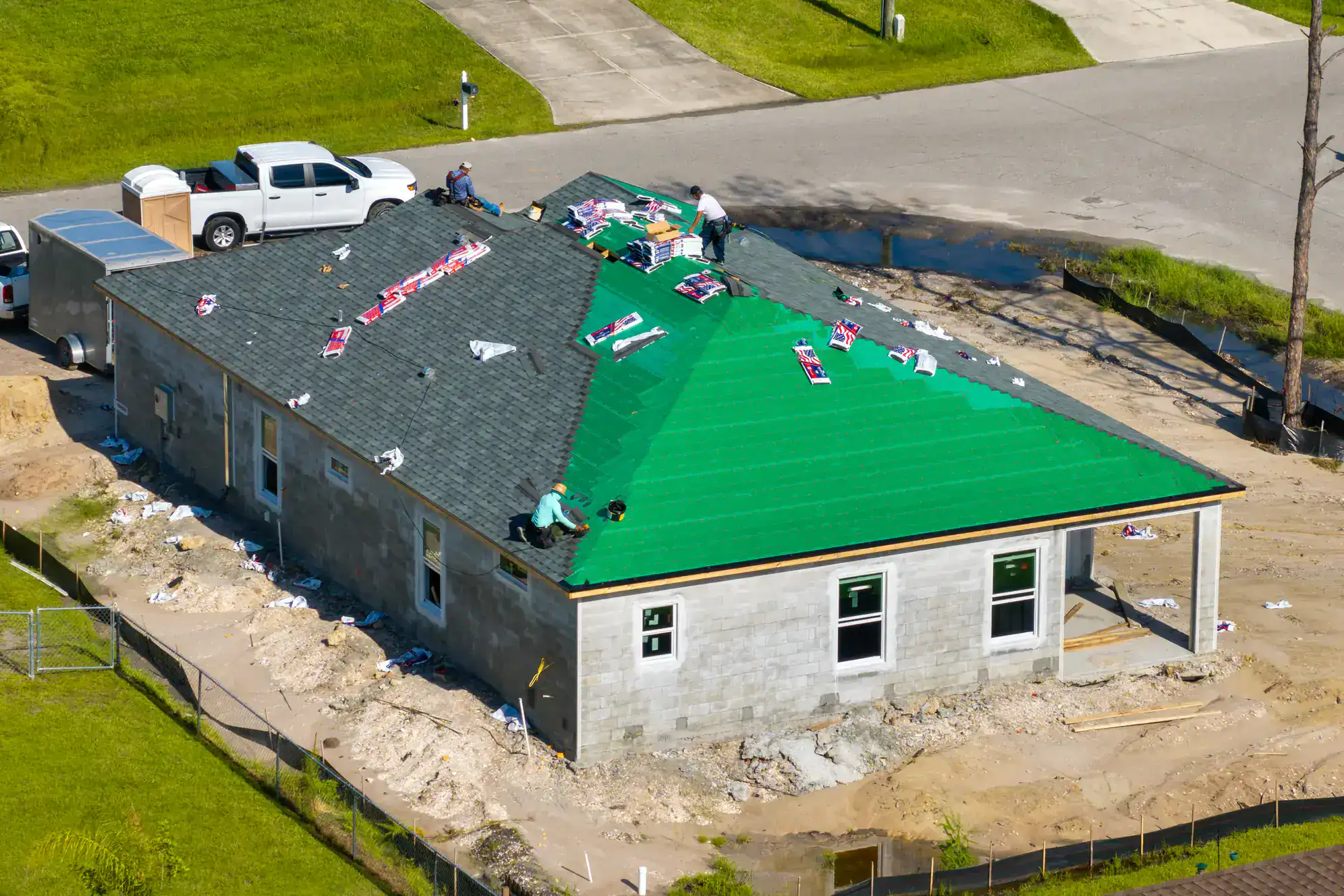
Once the scope is agreed on, our crew gets to work. Materials are sourced to match your existing roof as closely as possible — color, profile, and manufacturer spec — so the repair doesn’t announce itself every time someone looks at your house. Cleanup is thorough, and the job isn’t considered done until the site is clear.
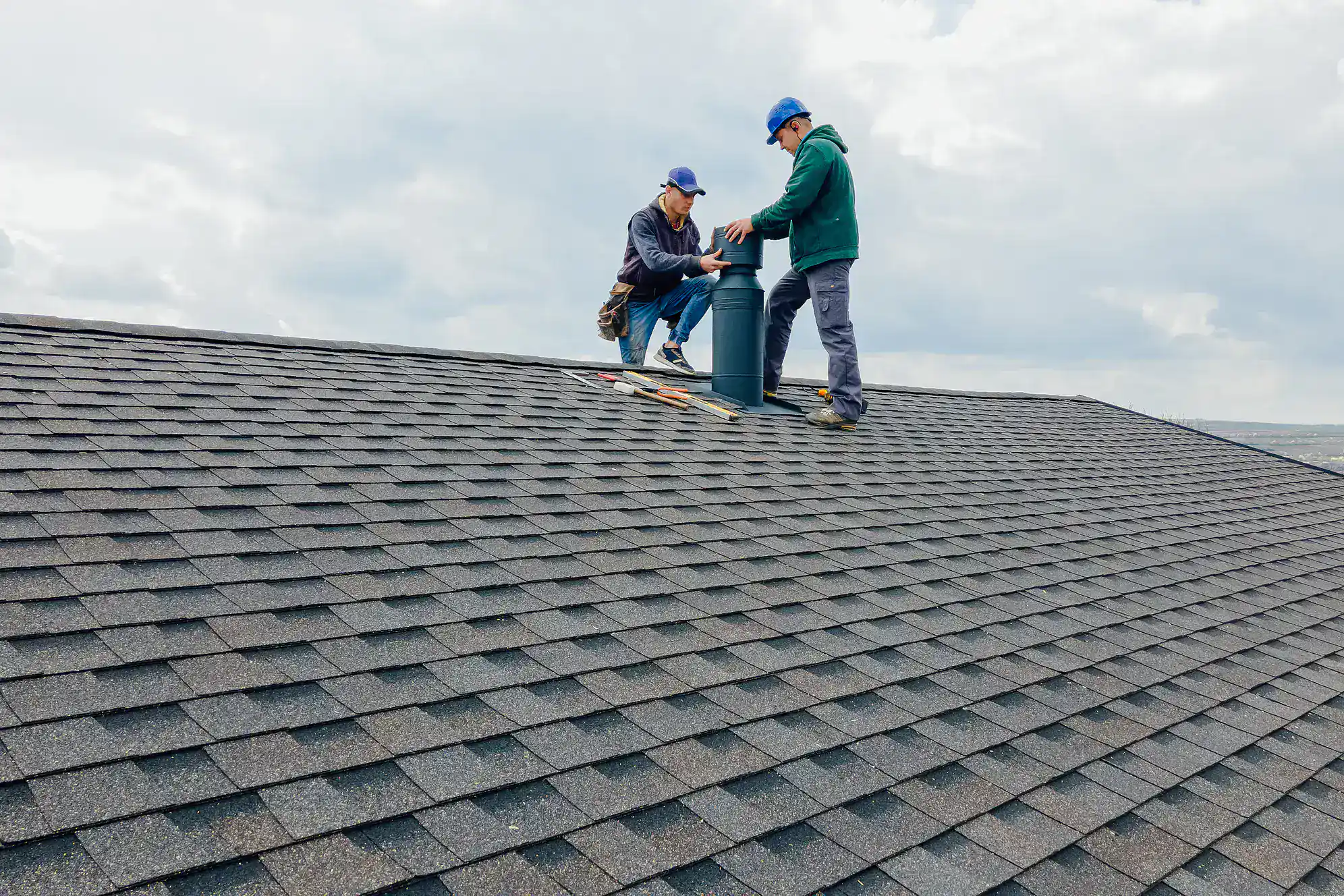
Ready to get started?
Shingle and Flat Roof Repair in Norwood, NJ
Most roofs in Norwood are asphalt shingle systems, and shingle roof repair is the most common call we get — missing shingles after a windstorm, granule loss on an aging roof, cracked or curling sections that are letting moisture in. These repairs are straightforward when caught early. When they’re deferred, they become decking issues and interior water damage that cost significantly more to address.
Emergency roof repair in Norwood is also part of our service offering. Bergen County nor’easters don’t wait for a convenient time, and an active leak or a section of lifted shingles needs a fast response and immediate protective measures to stop damage from compounding. We’re equipped to deploy quickly and stabilize the situation before a permanent repair is scheduled.
For homes with flat-roof sections — additions, attached garages, low-slope areas — flat roof repair requires a different material set and approach than pitched shingle work. TPO, EPDM, and modified bitumen systems each have specific failure points, and we have experience diagnosing and repairing all of them. Roof storm damage repair — whether from wind, hail, or ice — rounds out our scope, and we can provide the written documentation that insurance adjusters require if you’re filing a claim.
Do I need a permit for roof repair in Norwood, NJ?
It depends on how much of the roof is being addressed. Norwood’s Construction Code Enforcement has a specific rule: repairs covering 25% or less of the total roof area within a 12-month period are exempt from permit requirements. That covers most targeted repairs — patching a section of shingles, replacing flashing around a chimney, addressing a localized leak source.
If the repair exceeds that 25% threshold, a permit is required. The minimum fee starts at $50 and scales based on the estimated project cost. Full replacements always require a permit, regardless of scope. We handle permit procurement as a standard part of any qualifying project, so you’re not left figuring out Norwood’s process on your own. Skipping a required permit can create complications with your homeowners insurance and with future buyers if you sell — it’s not a step worth cutting.
How much does roof repair in Norwood, NJ typically cost?
The range is genuinely wide, and that’s not a dodge — it reflects how different roof repair scenarios actually are. A minor shingle repair or a flashing fix around a chimney or vent might run $300 to $600. A more involved repair addressing storm damage, ice dam deterioration, or a larger section of compromised decking can run $1,000 to $3,000 or more depending on the extent of the damage and the materials required.
What drives cost in Norwood specifically is the combination of older housing stock and Bergen County’s weather patterns. Homes that have been through multiple decades of freeze-thaw cycles and nor’easters sometimes have secondary damage — saturated decking, compromised underlayment — that isn’t visible until the shingles come up. A thorough inspection before any work starts is the best way to surface those issues early, when they’re still repair-level problems rather than replacement-level ones. The estimate you receive from us is written and itemized, so you understand exactly what you’re paying for before anything starts.
How do I know if I need a repair or a full roof replacement?
The honest answer is that it depends on the age of the roof, the extent of the damage, and where the damage is concentrated. A roof that’s 12 years old with a handful of wind-lifted shingles and intact flashing is a strong repair candidate. A roof that’s 25 to 30 years old with widespread granule loss, multiple leak points, and soft spots in the decking is likely past the point where repairs make financial sense.
For Norwood homeowners, this question comes up a lot because a significant portion of the borough’s housing stock dates to the 1950s through 1980s — meaning many roofs are either approaching or past the 20 to 30 year lifespan of a standard asphalt shingle system. The inspection we provide is specifically designed to give you an honest read on where your roof stands. If a repair is the right call, that’s the recommendation you’ll get. If the roof is telling a different story, you’ll hear that too — with a clear explanation of why, not just a pitch for a bigger job.
What should I do if my roof is leaking after a storm in Norwood?
First, document everything you can see — photos of the interior water intrusion, any visible exterior damage from the ground, and the date and time of the storm. That documentation matters if you’re filing a homeowners insurance claim, and Bergen County nor’easters are exactly the kind of weather event that policies are designed to cover.
Second, call for an emergency roof repair assessment as quickly as possible. Active leaks don’t pause while you wait for a convenient appointment window, and water that gets into your decking or attic insulation creates secondary damage — mold, structural deterioration — that compounds fast. We can deploy temporary protective measures to stop the bleeding while a permanent repair is scoped and scheduled. On the insurance side, we provide written damage assessments and photo documentation in the format that adjusters need, which helps ensure your claim reflects the actual scope of the damage rather than getting undercut on a technicality.
How long does a roof repair take to complete in Norwood, NJ?
Most targeted roof repairs in Norwood are completed in a single day. A shingle section replacement, a flashing repair, or an emergency patch following storm damage typically doesn’t require more than a few hours of active work once our crew is on site and the materials are in hand. More involved repairs — addressing larger areas of damaged decking, replacing valley flashing across a significant run, or working on a flat-roof section with a membrane system — may extend to a full day or occasionally two.
Timing relative to Bergen County’s seasons is worth thinking about. The window between late September and early November tends to be the busiest stretch for roofing contractors in this area, as homeowners want repairs buttoned up before the first nor’easter. If you’re aware of an issue heading into fall, getting the inspection and estimate done early gives you more scheduling flexibility. Emergency repairs are handled on a priority basis regardless of season — if there’s an active leak or storm damage that needs immediate attention, that’s not something that waits for a convenient calendar opening.
Does USA Home Remodeling offer free roof inspections in Norwood, NJ?
Yes — and the inspection comes with no obligation to book any work. The reason we offer free inspections is straightforward: a lot of Norwood homeowners aren’t sure whether what they’re seeing warrants a call. Maybe there’s a water stain on the ceiling that appeared after last winter’s ice and they don’t know if it’s an active problem or old damage. Maybe they noticed a few shingles that look off from the driveway but aren’t certain it’s serious. The inspection removes the guesswork without putting you on the hook for anything.
Bergen County homes — especially those built in the mid-20th century that make up a good portion of Norwood’s housing stock — often have issues that aren’t visible from the ground. Flashing failures, lifted shingle tabs, and early-stage granule loss are the kinds of things a professional eye catches on the roof surface that a homeowner simply can’t assess from a ladder. Getting that honest read costs you nothing, and it gives you the information you need to make a decision that actually fits your situation.