
Gutter Installation in Norwood, NJ
Norwood's Aging Homes Deserve Gutters That Actually Hold Up
Hear from Our Customers
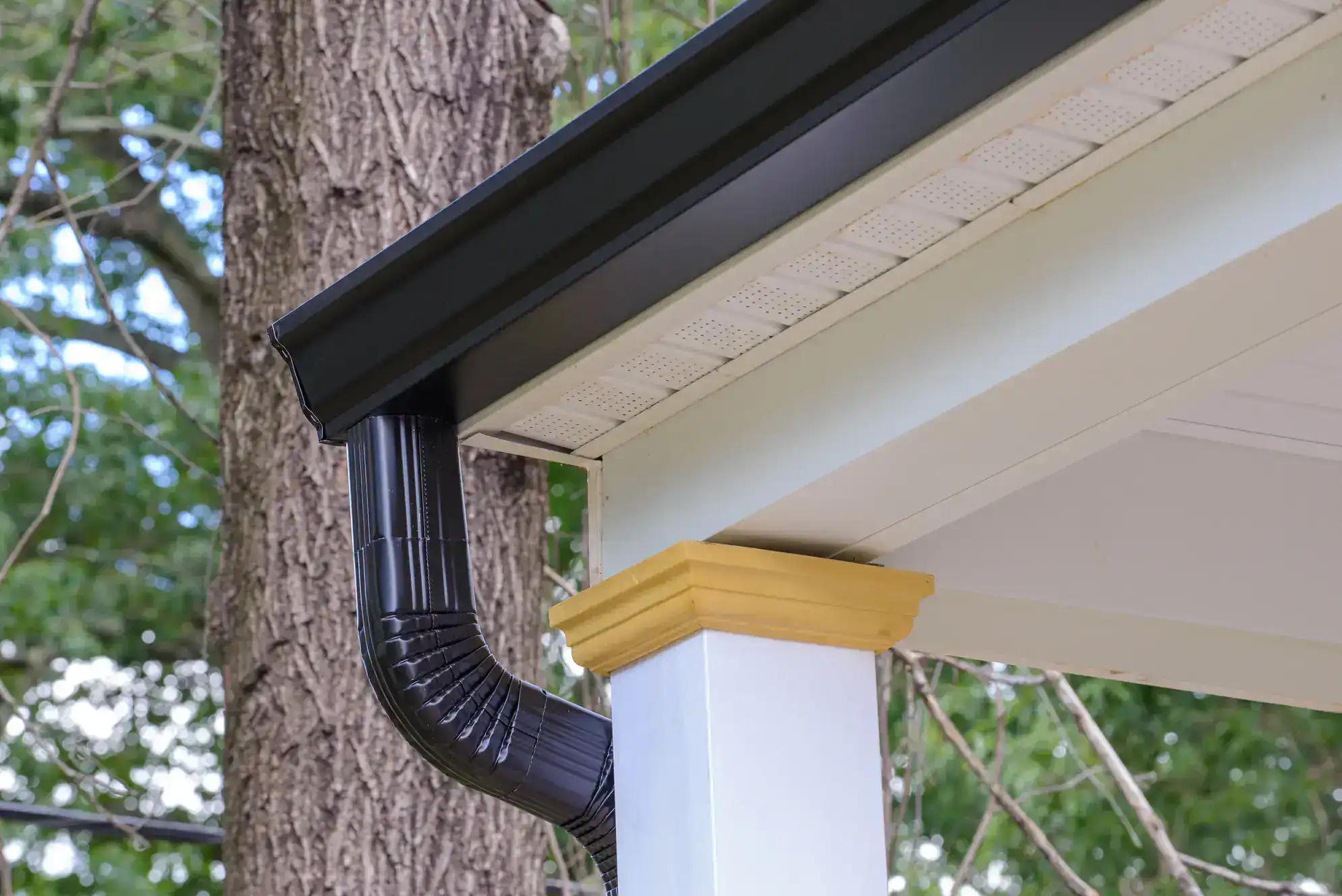
Rain Gutter Installation in Norwood, NJ
When gutters are doing their job, you stop thinking about them. No water pooling along the foundation after a storm. No streaking down the siding. No soggy landscaping eating into your curb appeal. That’s the baseline — and it matters more in Norwood than most people realize.
Homes in Norwood’s 07648 ZIP code were built primarily in the 1950s and 1980s. That puts a significant portion of the borough’s housing stock at or well past the typical 20-to-40-year lifespan of original sectional gutter systems. Add in the mature tree canopy throughout Norwood’s neighborhood streets — the same wooded character that gave the borough its name — and you’ve got gutters dealing with heavy leaf loads every fall on top of decades of wear.
Bergen County also averages close to 50 inches of precipitation a year. Nor’easters, summer downpours, and winter freeze-thaw cycles all put stress on gutter systems that weren’t designed for that kind of sustained volume. When your gutters are properly sized, correctly sloped, and securely mounted, that water moves where it’s supposed to — away from your home, not into it. On a property worth $700,000 or more, that’s not a small thing.
Gutter Contractors in Norwood, NJ
We’ve been doing exterior work across Bergen County for over ten years, with deep roots in Norwood and the surrounding Northern Valley communities. Roofing is the core of what we do, but gutters and siding go hand in hand with it — and that full-picture approach is what separates a solid installation from one that fails because nobody looked at the fascia underneath.
We’re a licensed NJ Home Improvement Contractor (License #13VH10605800), and every estimate we give is written, itemized, and free. No vague quotes. No charges that show up after the job. Homeowners in Norwood and throughout communities like Old Tappan, Closter, and Harrington Park have trusted us with some of the most valuable homes in the state, and we take that seriously.
Manufacturer certifications back the materials we use, which means the warranties we offer aren’t just our word — they’re backed by the brands themselves. That’s the kind of accountability that matters when you’re protecting a home you’ve invested in for years.
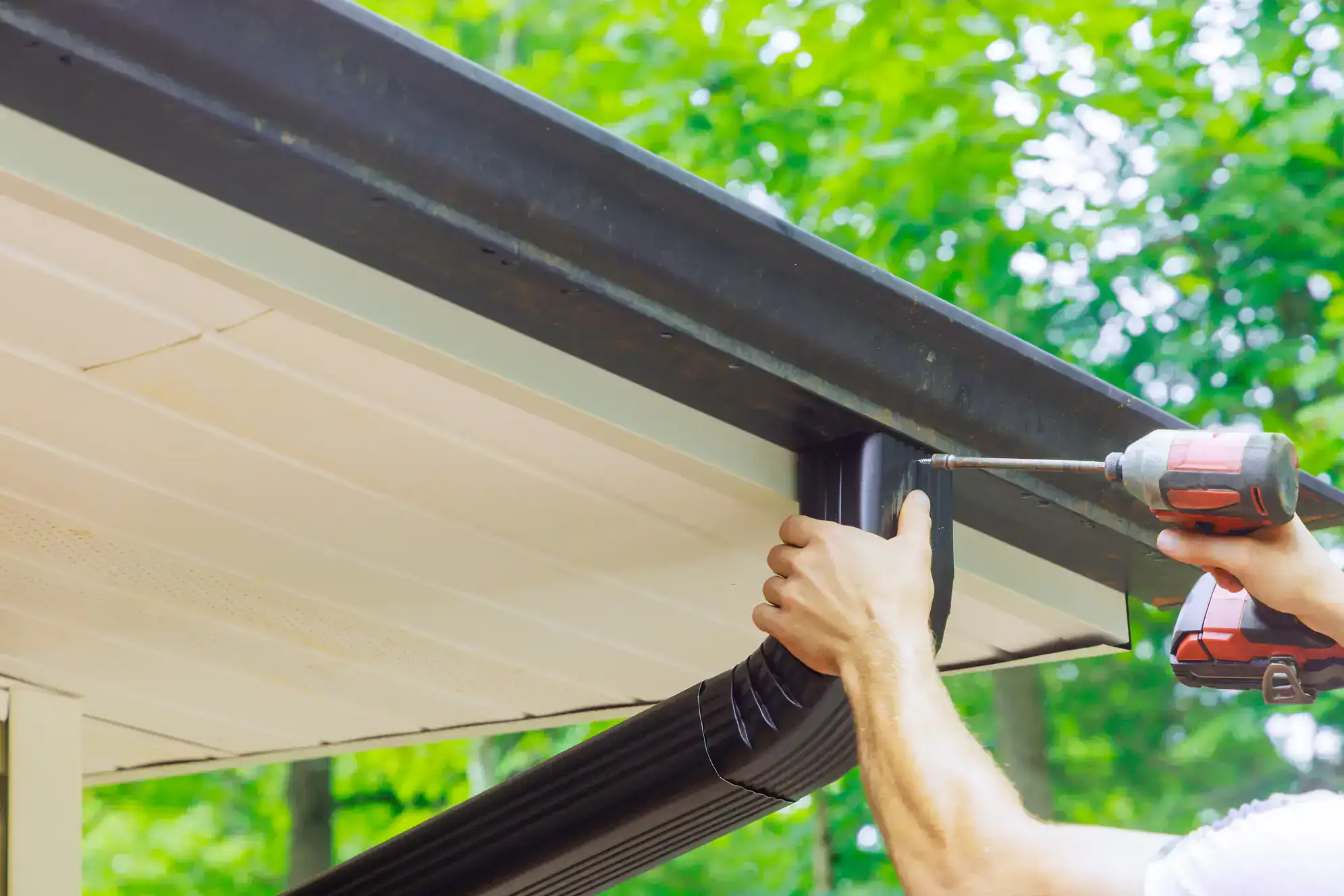
Home Gutter Installation in Norwood, NJ
It starts with a free on-site inspection. Before anything is measured or quoted, we look at the full picture — your existing gutters, the fascia boards behind them, the roof edge, and how water is currently moving (or not moving) off your home. In Norwood, where many homes date back to the 1950s, it’s common to find rotted fascia or original spike-and-ferrule brackets that have been pulling away from the house for years. If that’s what we find, we tell you upfront.
Once we know what you’re working with, we custom-fabricate seamless aluminum gutters on-site to the exact measurements of your roofline. No pre-cut sections. No joints every 10 feet that become leak points after the first hard winter. We calculate the correct slope — a quarter inch per 10 feet of run — and size your downspouts based on your roof’s actual square footage, not a one-size-fits-all guess. For a home with mature trees overhead, that sizing conversation matters a lot come October.
If your project requires a permit through the Norwood Building Department, we handle that process with you. Construction Official Gino Tessaro’s office at 201-767-7420 is the contact point for permit questions specific to the borough, and we’re familiar with what Bergen County municipalities require before work begins. After installation, we walk the job with you before we leave — so you know exactly what was done and why.
Ready to get started?
Roof Gutter Installation in Norwood, NJ
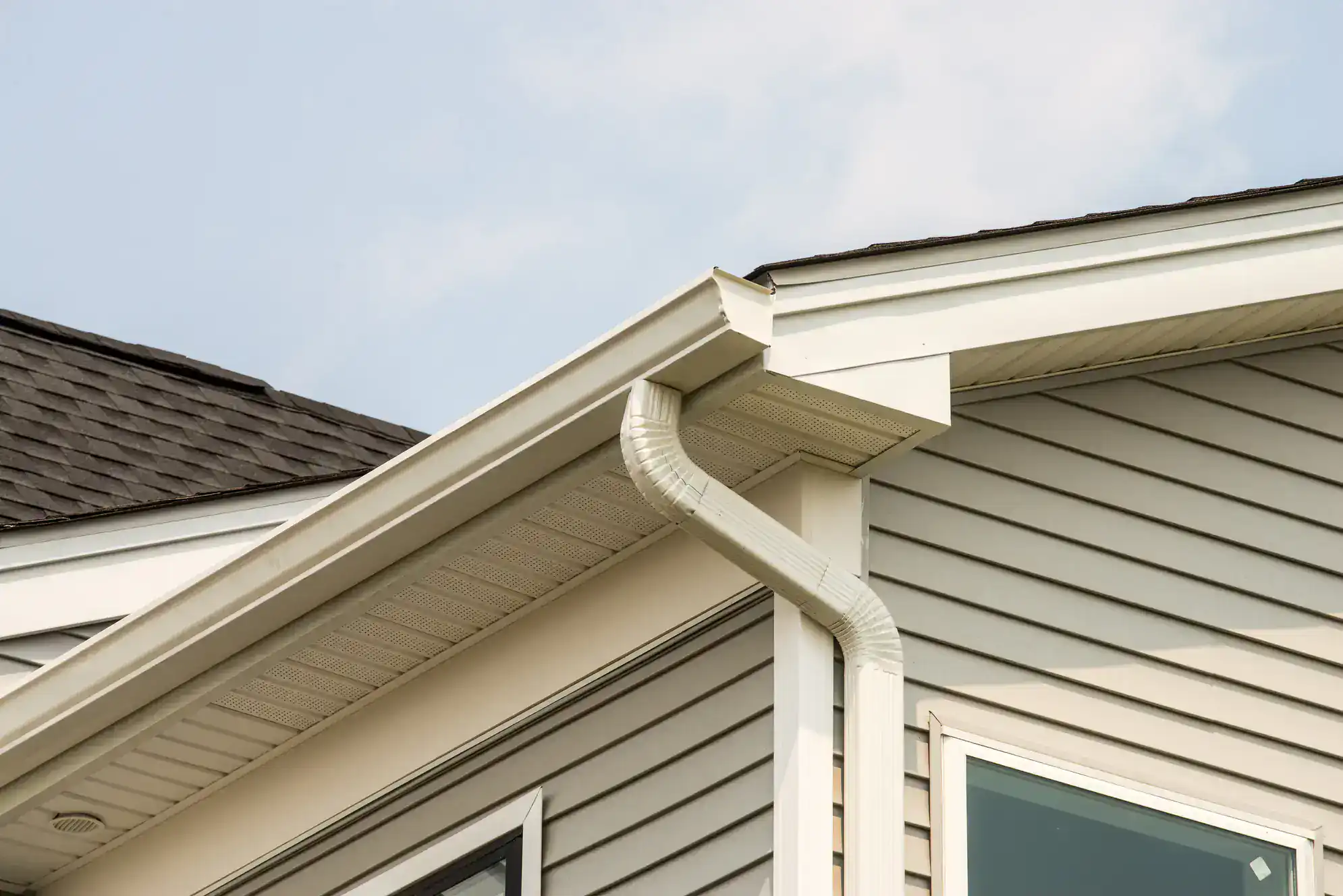
Every gutter installation we do in Norwood includes seamless aluminum fabricated on-site, hidden hanger systems that hold under ice load far better than the spike-and-ferrule brackets common on older Bergen County homes, and downspouts positioned for drainage performance — not just aesthetics. We also evaluate your fascia and roof edge as part of every job, because mounting new gutters over deteriorating wood is a short-term fix that becomes a longer-term problem.
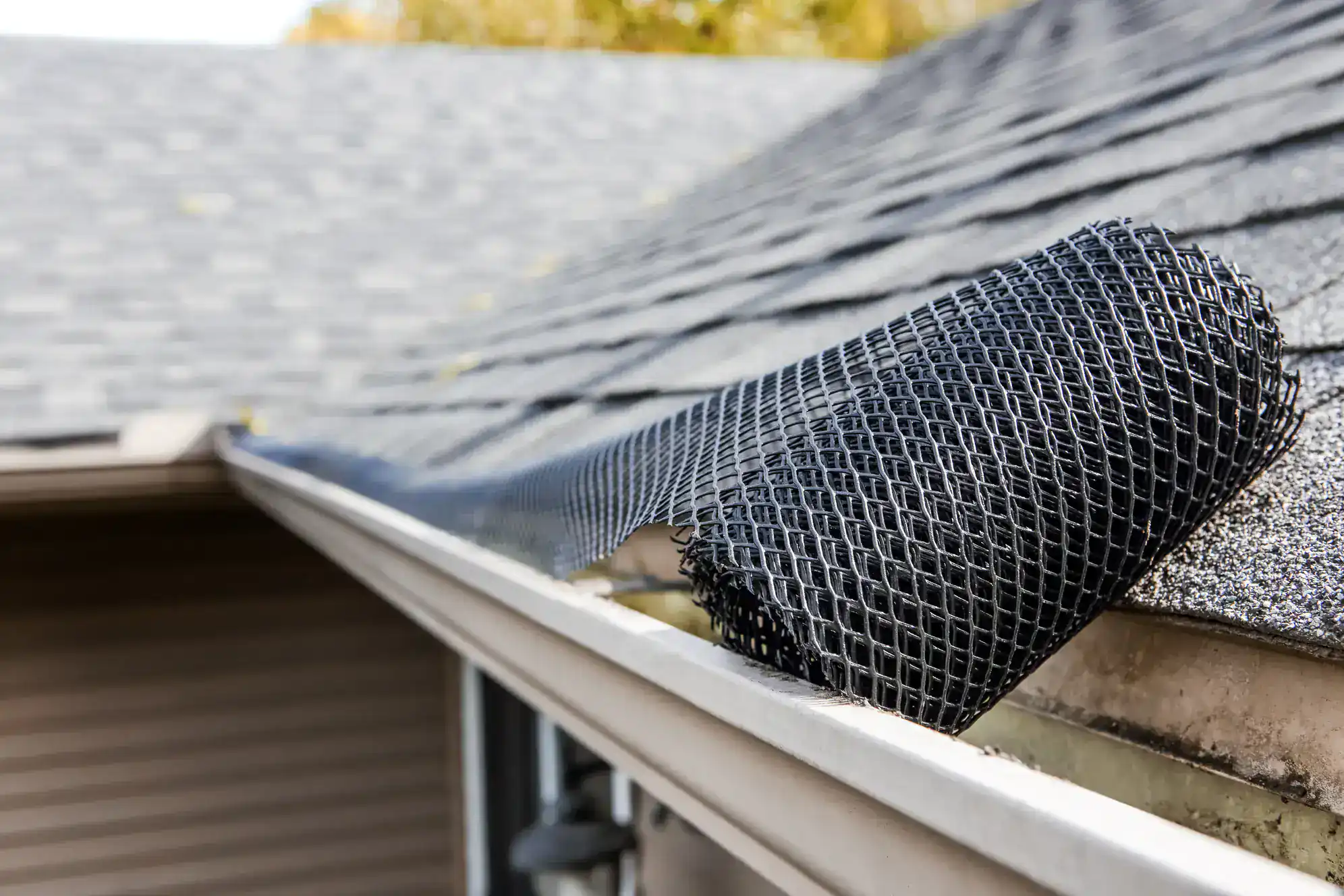
For homes with significant tree coverage — and most streets in Norwood qualify — we talk through gutter guard options during the estimate. Not as an upsell, but because a home with oak and maple canopy overhead is going to have a different maintenance reality than one on an open lot. You should know that going in.
If you’ve had storm damage from a nor’easter or a heavy summer system, we can help you document what happened and work through the insurance process. A lot of Norwood homeowners don’t realize gutter damage from storm events may be covered under their homeowner’s policy. We’ve helped clients navigate that process before, and we’re glad to do it here. The goal is always the same: a system installed correctly the first time, on a home that deserves to be protected properly.
How do I know if my Norwood home needs gutter replacement or just repairs?
The honest answer is that it depends on what’s actually failing — and that’s exactly what a free inspection is for. Gutters that are sagging, pulling away from the fascia, or leaking at the seams can sometimes be repaired, but when those problems are showing up on a home built in the 1950s or 1980s with original sectional gutters, you’re usually dealing with a system that’s been patched one too many times.
The bigger question is what’s underneath. If the fascia boards behind the gutters are soft or rotted — which is common on older Norwood homes that have had water sitting behind the gutter line for years — repairs to the gutter itself won’t hold. The mounting surface has to be solid first. When we come out, we look at the whole picture and give you a straight answer: repair where it makes sense, replace where it doesn’t. There’s no reason to sell you a full replacement if a targeted fix will do the job.
What type of gutters work best for homes in Bergen County, NJ?
Seamless aluminum is the right call for most Bergen County homes, and that’s not just a sales preference — it’s what the climate demands. Sectional gutters have joints every 10 to 20 feet, and those joints are where water finds its way in, especially after the freeze-thaw cycles that Bergen County winters deliver repeatedly. Ice expands, seams open up, and the next spring you’ve got leaks where you didn’t have them before.
Seamless gutters are custom-fabricated on-site to the exact length of your roofline, so there are no seams between the corners and downspouts. They’re also easier to maintain in a town like Norwood, where mature trees mean heavy leaf loads every fall. Aluminum is the standard material because it doesn’t rust, holds up well under NJ weather, and can be color-matched to your home’s exterior. For most Norwood homes, 5-inch K-style gutters are the right fit, though larger homes or steep-pitch rooflines may warrant 6-inch systems — something we assess during the estimate.
Does gutter installation in Norwood, NJ require a building permit?
For a straightforward gutter replacement — removing old gutters and installing new ones in the same position — a permit is generally not required in Norwood. But if the scope of work involves structural repairs to the fascia, changes to the drainage layout, or work that falls under the NJ Uniform Construction Code’s threshold for home improvement permits, that changes the answer.
The Norwood Building Department handles permit questions directly, and Construction Official Gino Tessaro’s office can be reached at 201-767-7420. As a licensed NJ Home Improvement Contractor (License #13VH10605800), we are registered with the NJ Division of Consumer Affairs and meet the state-level requirements for any permitted work in the borough. If your project needs a permit, we walk through that process with you — it’s not something you should have to figure out on your own.
How much does seamless gutter installation cost for a home in Norwood?
For a typical single-family home in Norwood — which might be a colonial or Cape Cod built in the 1980s, one or two stories, with moderate tree coverage — a full seamless aluminum gutter replacement generally runs somewhere between $3,500 and $7,000. The range depends on linear footage, the number of downspouts, story height, and whether any fascia repair is needed before the gutters go up.
What affects the cost most isn’t the gutters themselves — it’s the condition of what’s behind them. Homes on Norwood’s older streets sometimes have fascia boards that need to be replaced before new gutters can be mounted properly. That’s work that adds to the total, but skipping it just means the new gutters fail faster. We give you a written estimate that breaks down exactly what’s included and why, so you’re not guessing at what you’re paying for. The free inspection is where that conversation starts.
How often should gutters be cleaned or replaced on a Norwood property with mature trees?
If your home sits under or near mature oak, maple, or sweetgum trees — which describes a lot of Norwood’s residential streets — you’re looking at gutters that need cleaning at least twice a year: once in late spring after seed and pollen drop, and once in late fall after the leaves come down. That’s the minimum. In heavy canopy situations, three times a year is more realistic.
As for replacement, the average seamless aluminum gutter system lasts 20 to 30 years with reasonable maintenance. If your home was built in the 1980s and still has its original gutters, you’re at or past that window. Homes from the 1950s or 1960s with original sectional systems are well beyond it. Annual cleaning helps, but it doesn’t extend a system that’s structurally compromised. If you’re noticing sag, separation at the joints, or overflow during moderate rain — not just heavy storms — those are signs the system needs more than a cleaning.
Can storm damage to gutters be covered by homeowner's insurance in New Jersey?
Yes, in many cases it can — and it’s worth checking before you pay out of pocket. If your gutters were damaged by a nor’easter, a hailstorm, falling tree limbs, or another sudden weather event, that type of damage is typically covered under the dwelling protection portion of a standard NJ homeowner’s insurance policy. What’s usually not covered is damage from gradual wear, neglect, or a system that simply aged out.
The key is documentation. Insurance adjusters want to see clear evidence that the damage was caused by a specific event, not just general deterioration. We can help you document what happened, identify the damage accurately, and communicate with your adjuster in a way that gives your claim the best chance of being processed fairly. Norwood homeowners dealing with post-storm damage — especially after the kind of heavy nor’easters that move through northeastern Bergen County in late winter and early spring — have used this process successfully. If you’re not sure whether your situation qualifies, the free inspection is a good starting point.