
Roof Repair in Allendale, NJ
When a Million-Dollar Home Has a Roof Problem, the Contractor Has to Be Right
Hear from Our Customers
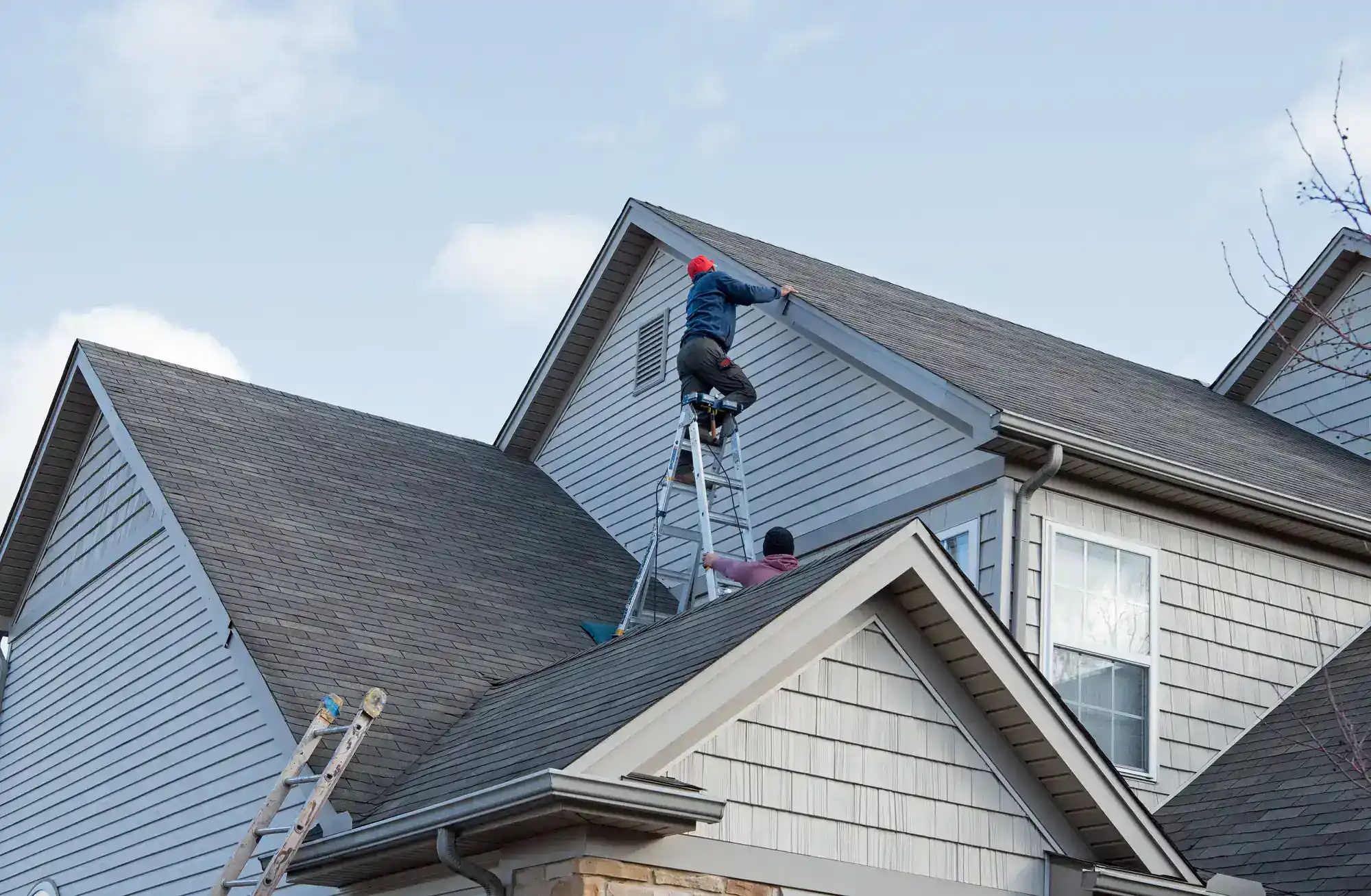
Bergen County Roof Repair Results
The ceiling stain stops spreading. The draft near the attic hatch disappears. You stop checking the weather forecast with a knot in your stomach every time a nor’easter rolls into northern Bergen County. That’s what a proper roof repair actually delivers — not just patched shingles, but the confidence that your home is sealed, protected, and not quietly getting worse behind the walls.
For Allendale homeowners specifically, that peace of mind carries extra weight. Most homes in this borough were built between the 1950s and 1970s. That means complex roof geometry — dormers, multiple valleys, chimney penetrations — and materials that have been through decades of freeze-thaw cycles, ice dams, and heavy leaf debris from the mature tree canopy that defines the neighborhood. These aren’t generic roofing conditions. They’re specific to how Allendale was built and where it sits.
A repair done right means the flashing at your dormer isn’t just re-caulked — it’s properly sealed and inspected. It means the valley that’s been collecting pine needles from the trees overhanging your Colonial is cleaned out and protected. It means your home holds its value, your warranty stays intact, and the next nor’easter isn’t something you dread.
Licensed Roof Repair Contractor Allendale, NJ
We’ve been working in Bergen County for over ten years — long enough to know the difference between a roof that looks fine from the driveway and one that’s quietly failing at the flashing. That kind of experience doesn’t come from a training manual. It comes from spending seasons repairing homes across northern Bergen County, including the wooded, mid-century neighborhoods that make up most of Allendale’s residential streets.
We’re family-operated, contractor-licensed, and certified by major shingle manufacturers — which means repairs and replacements qualify for manufacturer-backed warranty coverage that non-certified contractors simply can’t offer. Every estimate we provide is written, itemized, and final. The number you agree to is the number on the invoice.
Allendale is a community where word travels fast through the Northern Highlands school networks, through civic groups, through the families who’ve lived here for decades. That accountability keeps our standards exactly where they need to be.
Roof Repair Process in Allendale, NJ
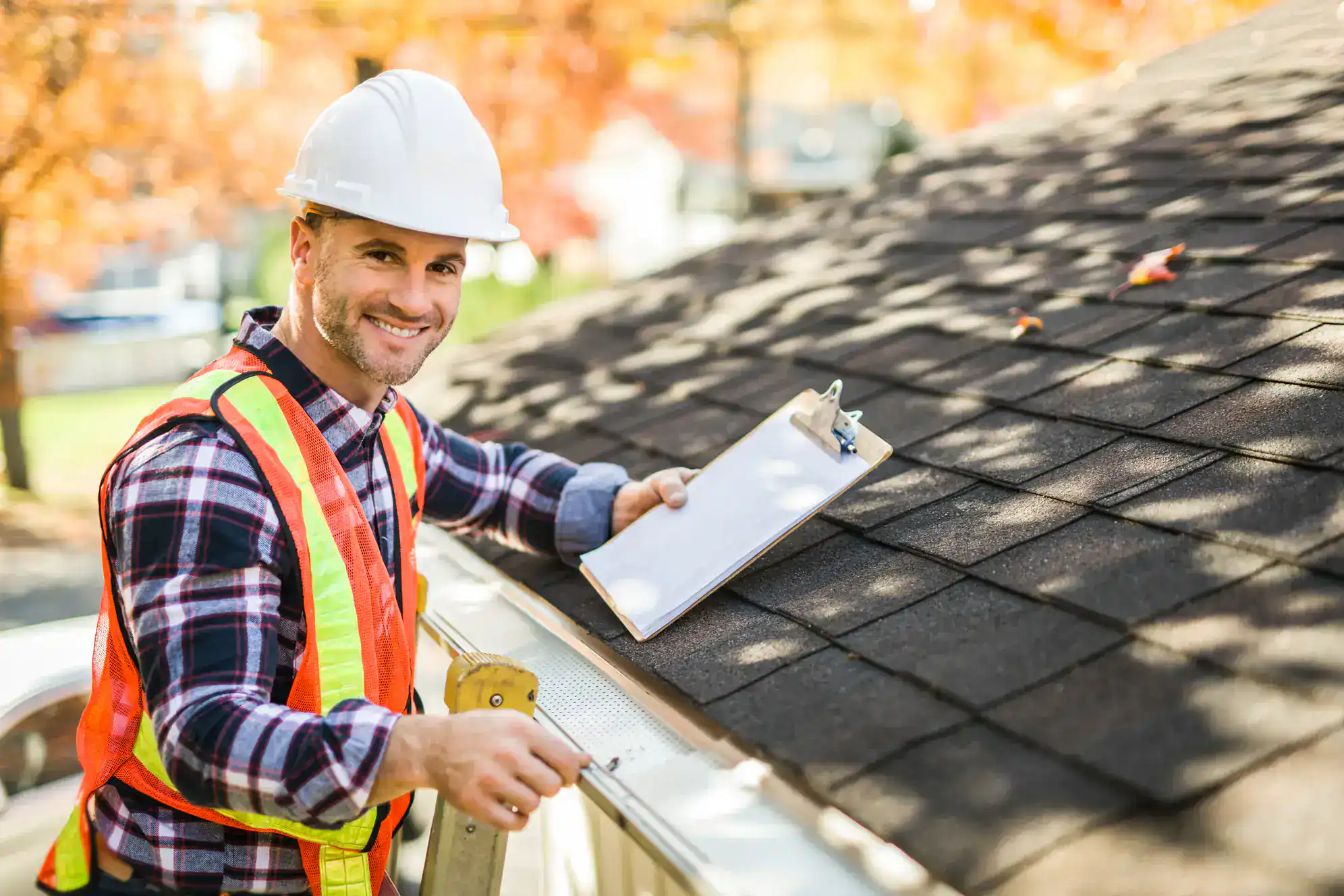
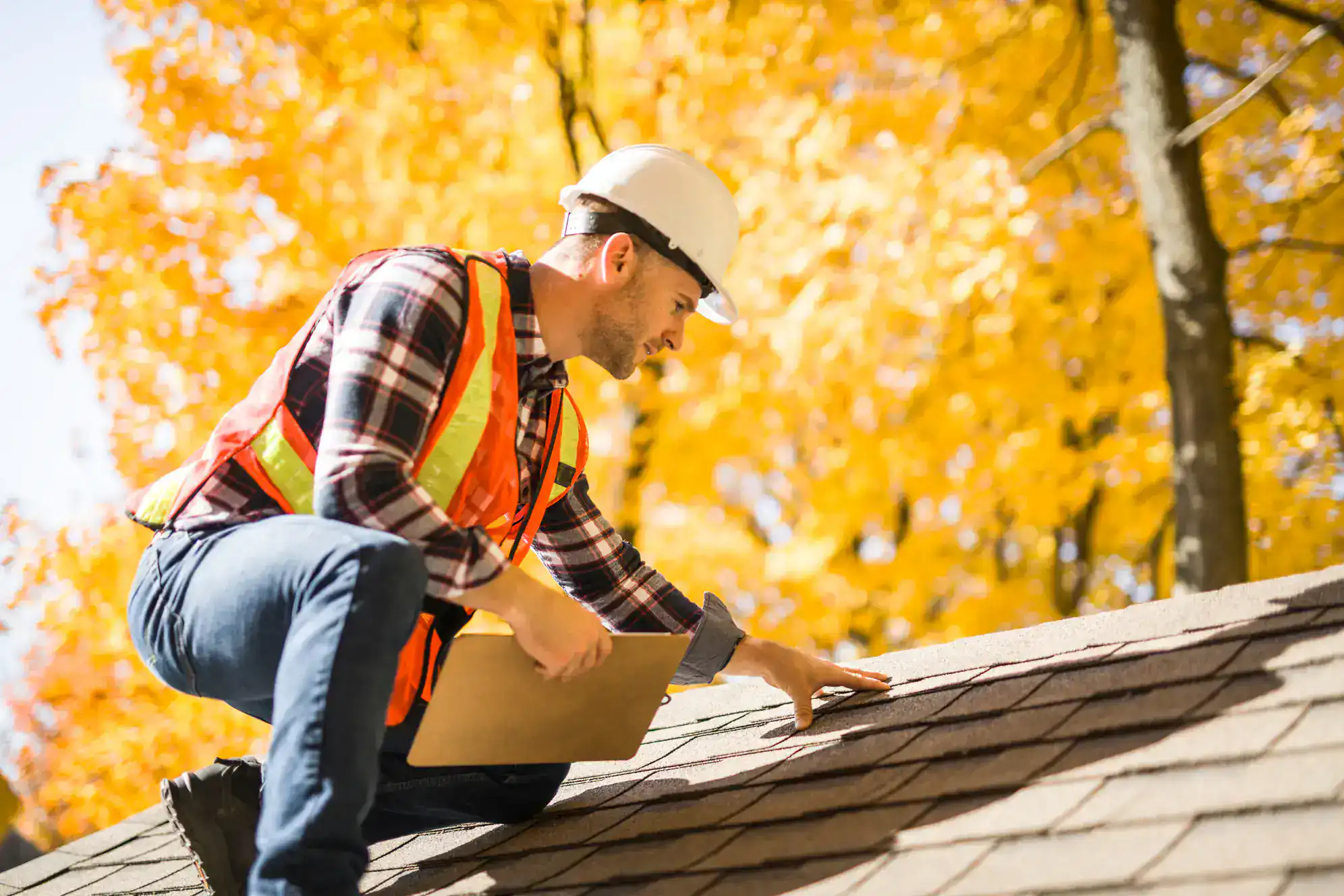
It starts with a free inspection. We get on the roof and look at the actual condition — not just the obvious damage, but the flashing, the valleys, the penetrations around chimneys and vents, and the areas where Allendale’s tree canopy tends to deposit debris and hold moisture against the shingles. You get a clear picture of what’s happening, not a sales pitch.
From there, you receive a written estimate that breaks down exactly what’s needed and what it costs. No vague line items, no “we’ll figure it out when we’re up there.” If the honest answer is a targeted repair, that’s what you’ll hear. If the damage is more extensive, that gets explained clearly — with the reasoning behind it.
Once you approve the scope, we schedule and complete the work with the same crew that assessed it. In Allendale, roofing work on residential properties falls under the borough’s minor work notification process, which requires filing with the municipality before work begins — or within 72 hours for emergency repairs. We handle that step as a routine part of every job, so you’re never left with a permit gap that could surface during a future home sale or insurance review.
When the job is done, we clean the site, remove the debris, and you do a final walkthrough before we leave.
Ready to get started?
Roof Repair Services in Allendale, NJ
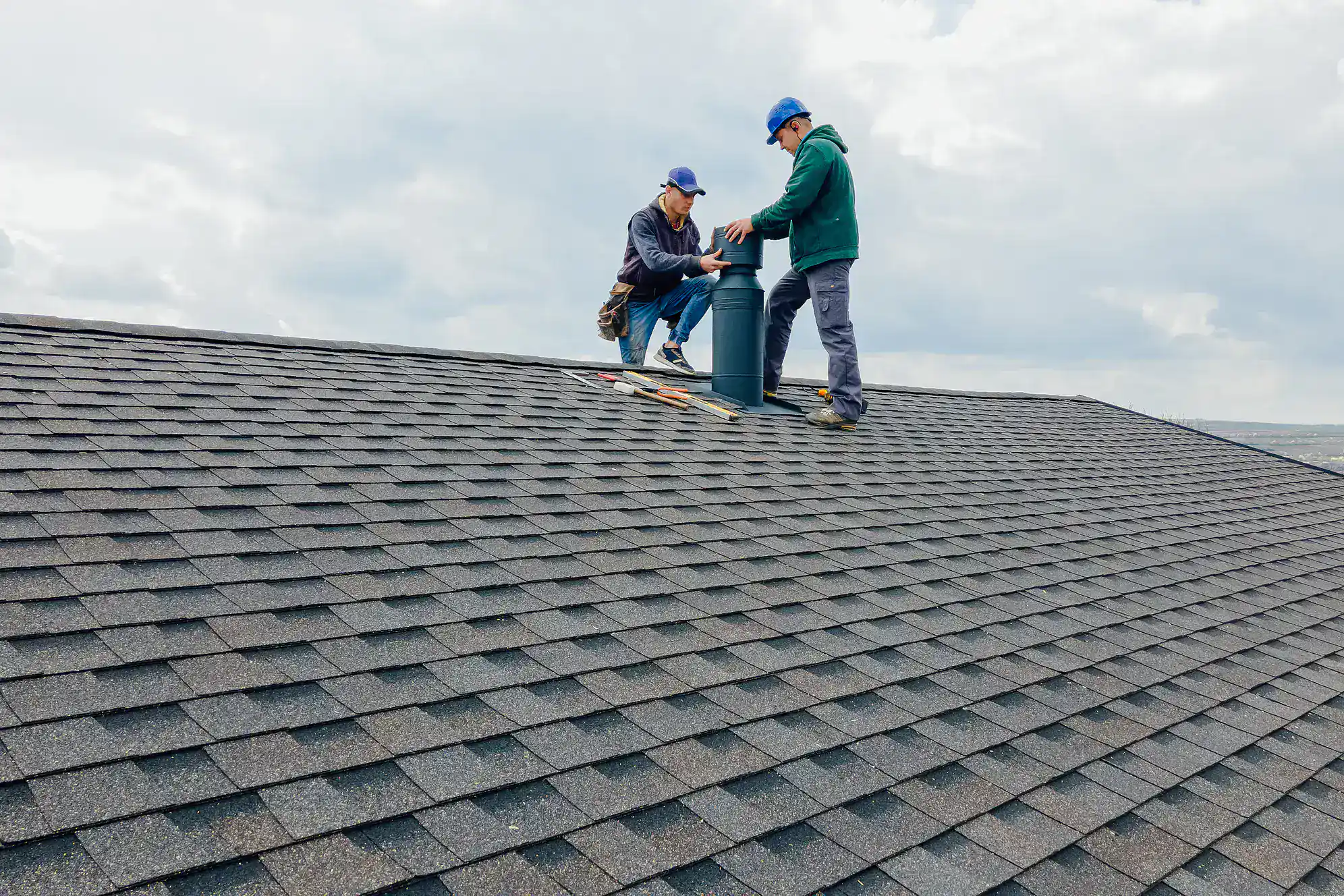
Roof repair in Allendale covers a wide range of issues — and the most common ones here tend to reflect the borough’s specific conditions. Emergency roof repair after a nor’easter typically means addressing missing shingles, lifted flashing, and branch impact damage from the mature trees that overhang many residential lots throughout Allendale’s wooded neighborhoods. Roof leak repair often traces back to failed flashing at dormers or chimneys, ice dam-driven water infiltration at the eaves, or debris-clogged valleys that are holding standing water against aging underlayment.
Shingle roof repair is the most frequent service in Allendale, given that the vast majority of homes here have asphalt shingle roofs — many of them original to mid-century construction or on their second cycle. Matching shingles on older homes requires experience, because discontinued profiles and color variations are common, and a visible patch on a $1 million Colonial is not an acceptable result. Flat roof repair comes into play on garage additions and low-slope sections common on split-level homes throughout the borough.
Storm damage roof repair often intersects with insurance claims, and that process — documenting damage, coordinating with adjusters, and making sure the repair scope is accurately captured — is something we’ve navigated many times across Bergen County. If you need a roof repair estimate in Allendale, NJ, the inspection is free, the estimate is written, and there’s no obligation to move forward until you’re ready.
Do I need a permit for roof repair work in Allendale, NJ?
In Allendale, residential roofing falls under what the borough classifies as “minor work” under New Jersey’s Uniform Construction Code. That means a permit notification is required before work begins — it’s not a full permit application with plan review, but it’s also not something you can skip. Allendale’s code does make an exception for genuine emergencies: if a storm causes active damage that needs immediate attention, work can start right away, but the borough must be notified within 72 hours of when work commenced.
This is one of those details that out-of-area contractors frequently miss. Skipping the notification step doesn’t just create a technical code violation — it can create real problems when you go to sell your home or file an insurance claim and there’s no permit record for recent roofing work. When we handle a roof repair in Allendale, NJ, the permit notification is treated as a standard part of the job, not an afterthought.
How do I know if my roof needs repair or full replacement?
This is the question most Allendale homeowners are actually worried about when they call — and it’s a fair concern, because some contractors default to replacement recommendations regardless of the actual condition. The honest answer depends on a few things: the age of the roof, the extent and location of the damage, and whether the underlying deck and structure are compromised.
Most of Allendale’s housing stock was built between the 1950s and 1970s. If a home has had one roof replacement, it may be on its second cycle — which means age alone doesn’t automatically mean replacement is necessary. Localized damage from a nor’easter, a failed flashing detail, or a single area of ice dam infiltration can often be repaired cleanly without replacing the entire roof. The free inspection is specifically designed to answer this question honestly. If repair is the right call, that’s what you’ll hear. If the damage is too widespread or the deck is compromised, that gets explained with the actual evidence — not just a recommendation.
What causes ice dam damage on roofs in northern Bergen County?
Ice dams form when heat escapes through the roof deck and melts the bottom layer of snow sitting on the roof. That meltwater runs down toward the eaves, hits the cold overhang where there’s no heat loss from below, and refreezes. Over time, the ice buildup forces water back up under the shingles and flashing — and that’s when it finds its way into the attic, the insulation, and eventually the ceiling below.
In Allendale and northern Bergen County, winters create near-perfect conditions for this: heavy snowfall averaging 30 to 50 inches annually, significant temperature swings between day and night, and a housing stock where attic insulation in mid-century homes often falls below current standards. The damage from ice dams isn’t always visible right away — sometimes it shows up as a ceiling stain weeks after the ice has melted. If you’re seeing water infiltration near the eaves or at the exterior walls during or after winter, that’s worth having inspected before the next freeze cycle makes it worse.
How much does roof repair typically cost in Allendale, NJ?
Roof repair costs in Allendale vary significantly depending on what’s actually wrong. A straightforward shingle repair on a limited section of roof — replacing a few missing or cracked shingles after wind damage — might run a few hundred dollars. Flashing repairs at a chimney or dormer, which are among the most common failure points on Allendale’s Colonial and split-level homes, typically range from a few hundred to over a thousand dollars depending on the extent of the work. More complex repairs involving the roof deck, underlayment, or widespread storm damage can run several thousand.
What matters most in a market like Allendale — where homes are valued at over a million dollars — is that the repair is scoped and priced honestly from the start. A written, itemized estimate means you know exactly what you’re paying for before any work begins. The inspection is free, so getting to that estimate costs you nothing. There’s no pressure to commit until you’ve seen the full scope in writing.
Can storm damage to my Allendale roof be covered by homeowners insurance?
In most cases, yes — sudden storm damage from wind, hail, or falling branches is typically covered under a standard homeowners insurance policy. What’s not covered is damage that results from deferred maintenance or gradual wear over time. The distinction matters, and insurance adjusters will look for evidence of which category applies.
After a nor’easter or hail event in Allendale, the first step is a documented inspection that clearly identifies the cause and extent of the damage. That written assessment is what your insurance company needs to process the claim accurately. We’ve worked through this process with Bergen County homeowners many times — providing the damage documentation adjusters require, making sure the repair scope is captured correctly, and helping homeowners understand what their policy actually covers versus what they’ll need to pay out of pocket. If you’re not sure whether the damage qualifies, a free inspection is the right starting point before you contact your insurer.
How does tree canopy around my Allendale home affect my roof over time?
Allendale’s wooded character is part of what makes the borough feel the way it does — but those mature trees directly above your roofline are one of the most consistent sources of long-term roofing problems in this area. Leaf debris and pine needles accumulate in roof valleys and gutters, holding moisture against shingle surfaces long after rain has dried elsewhere. That sustained moisture contact accelerates granule loss, promotes algae and moss growth, and can work its way under shingles in areas where debris has built up enough to redirect water flow.
Beyond debris, overhanging branches create two other risks: direct physical damage when a limb fails during a nor’easter or ice storm, and persistent shading that prevents roof sections from drying out naturally after rain. Shaded sections of a roof age measurably faster than exposed sections on the same home. If your home sits on one of Allendale’s wooded lots — particularly in neighborhoods near the Celery Farm or Crestwood Lake where tree canopy is dense — periodic roof inspections are worth scheduling proactively, not just after visible damage appears.