
Gutter Installation in Allendale, NJ
Wooded Lots and Wet Winters Demand More Than Average Gutters
Hear from Our Customers
Bergen County Gutter Contractors
The most expensive gutter problem is the one you don’t see coming. Water that overflows the wrong way doesn’t just make a mess — it finds your foundation, your basement walls, your fascia boards. By the time you notice it, you’re not talking about gutters anymore. You’re talking about a much bigger repair bill.
In Allendale, that risk is real and specific. The leaf load from mature deciduous trees clogs gutters faster than most homeowners expect. Add the natural drainage patterns around the Celery Farm wetlands and Crestwood Lake, and homes in lower-lying areas of the borough face genuine water management challenges that a generic gutter install won’t solve. Proper slope, correct downspout sizing, and smart placement aren’t optional details here — they’re the whole job.
When the system is installed right, you stop thinking about your gutters entirely. No overflow streaking down your siding. No pooling against your foundation after a summer storm. No ice buildup at the roofline when February freeze-thaw cycles hit. That’s the outcome: a home that handles whatever Bergen County throws at it without you having to worry about it.
Licensed Gutter Installation Company Allendale, NJ
We’ve spent over ten years working on homes across Bergen County — the colonials, split-levels, and ranches that make up most of Allendale’s housing stock. This isn’t a franchise with rotating crews. It’s a team that’s been in this market long enough to know what works and what fails when the nor’easters roll through Allendale and the surrounding area.
We hold NJ Division of Consumer Affairs Home Improvement Contractor License #13VH10605800 — a credential you can verify directly with the state. That matters in a market where unlicensed contractors regularly knock on doors after storms and disappear before the warranty means anything.
Every estimate starts with a free inspection of your full exterior — not just the gutters, but the fascia, the roof edge, and the drainage grade around your foundation. If something needs attention before new gutters go up, you’ll hear about it upfront. No surprises mid-project, no upsells you didn’t ask for.
Home Gutter Installation Process Allendale, NJ
It starts with a free inspection. We come out, walk your roofline, check the fascia condition, measure the gutter runs, and look at where your downspouts are currently directing water. For Allendale homes near wooded areas or low-lying terrain, that drainage assessment matters more than most homeowners realize — and it’s part of every estimate at no charge.
From there, you get a written quote. No verbal estimates that shift when the invoice arrives. If the scope is straightforward, most Allendale homeowners have a quote in hand the same day. If there’s fascia rot or other underlying issues, those get flagged separately so you can decide how to handle them — no one bundles hidden work into your gutter price without telling you first.
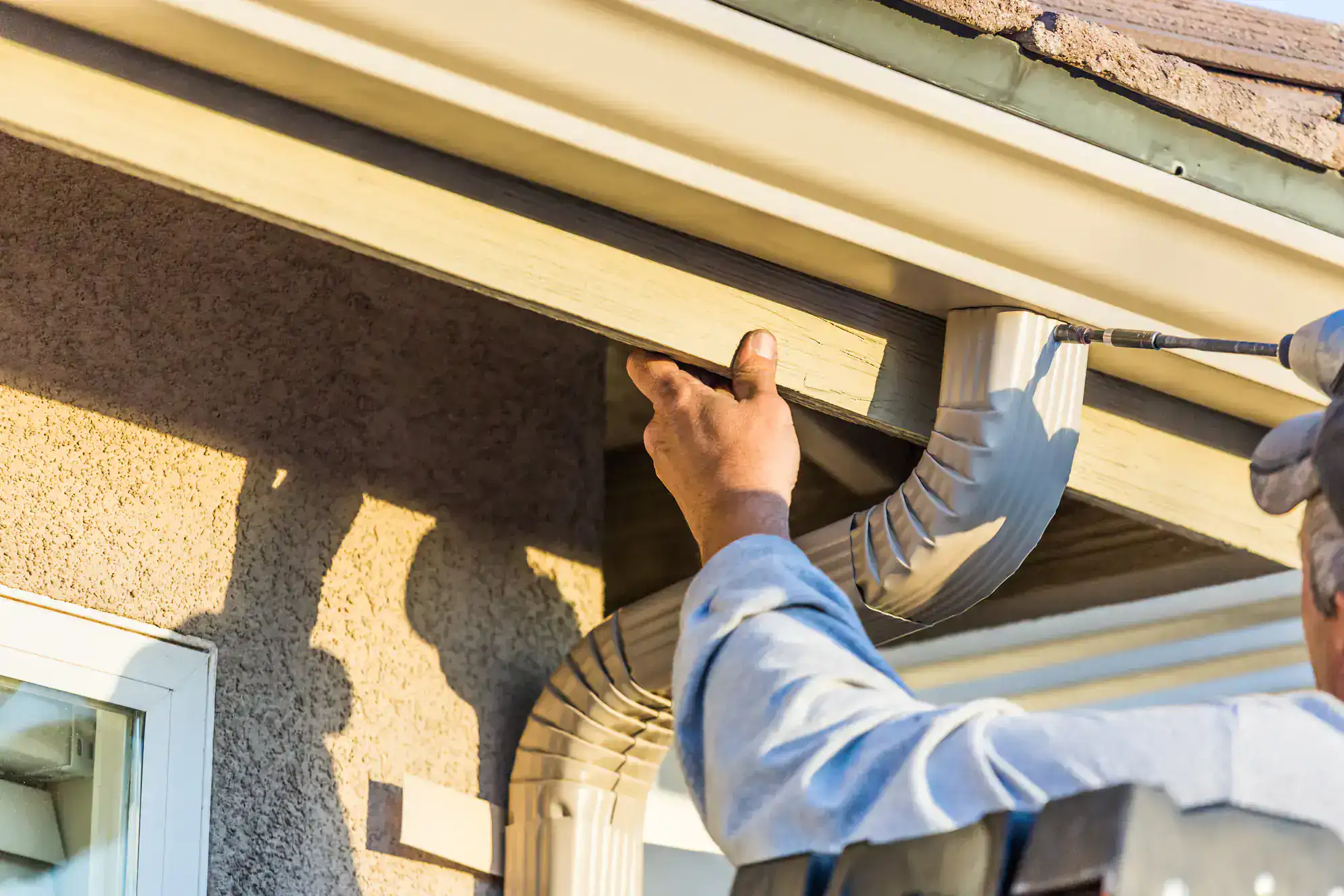
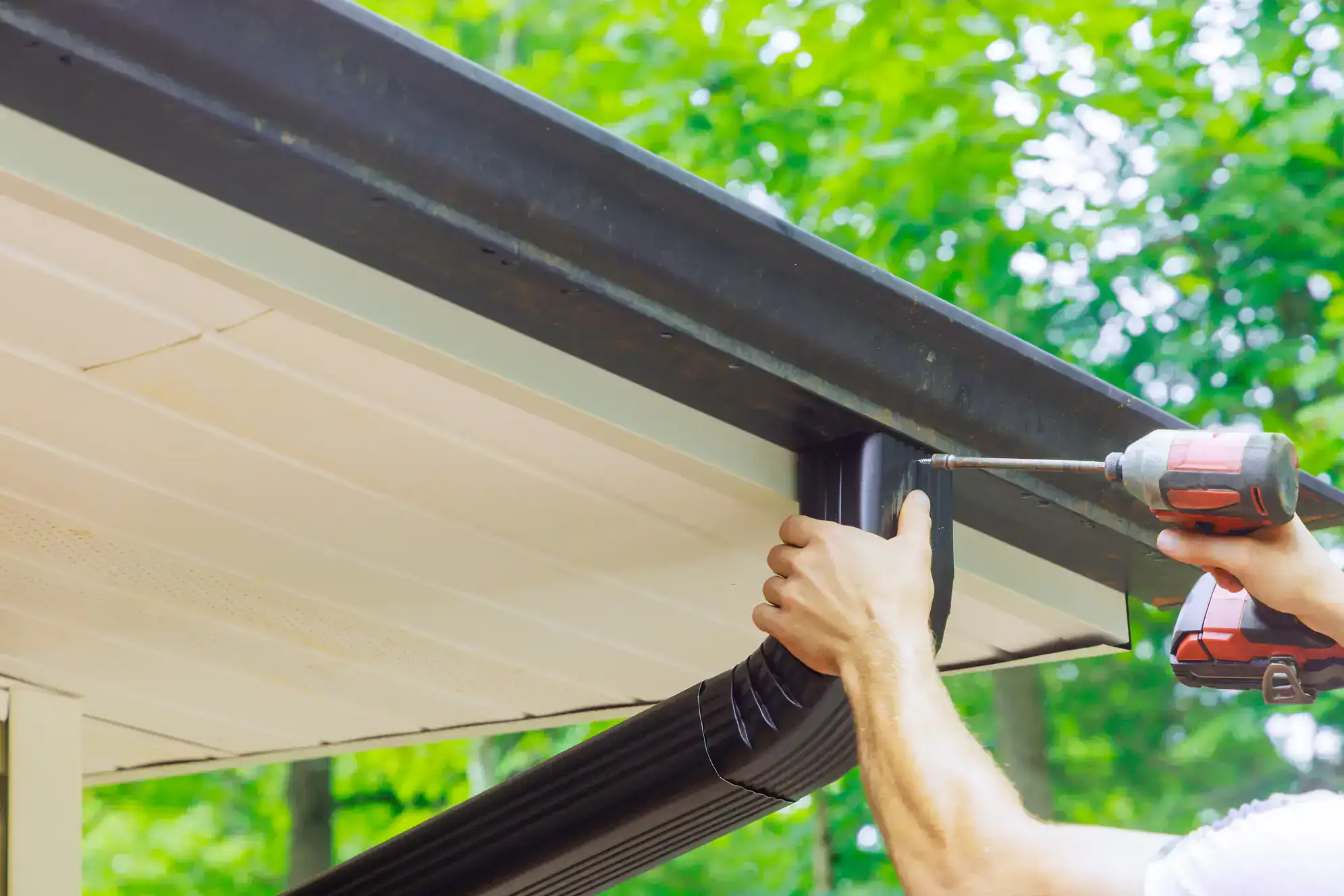
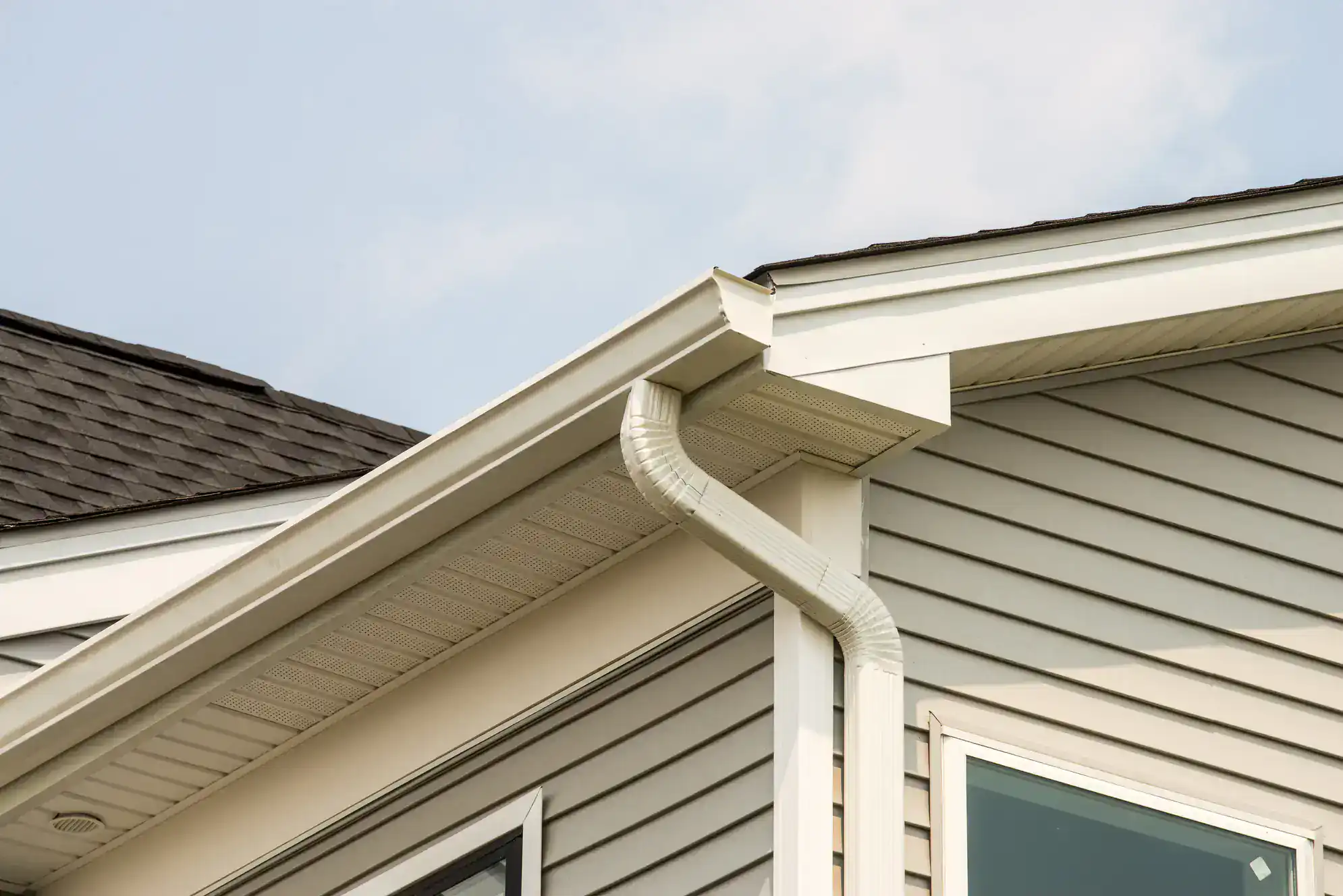
On installation day, gutters are custom-fabricated on-site to fit your home’s exact roofline measurements. Seamless aluminum runs are cut to length, pitched correctly for drainage, and mounted with hidden hanger brackets — not the spike-and-ferrule fasteners that pull away from fascia boards after a few winters. Downspouts are positioned based on your roof’s actual water volume and your property’s grade. When we leave, everything is cleaned up and the system is ready to work.
Ready to get started?
Roof Gutter Installation Services Allendale, NJ
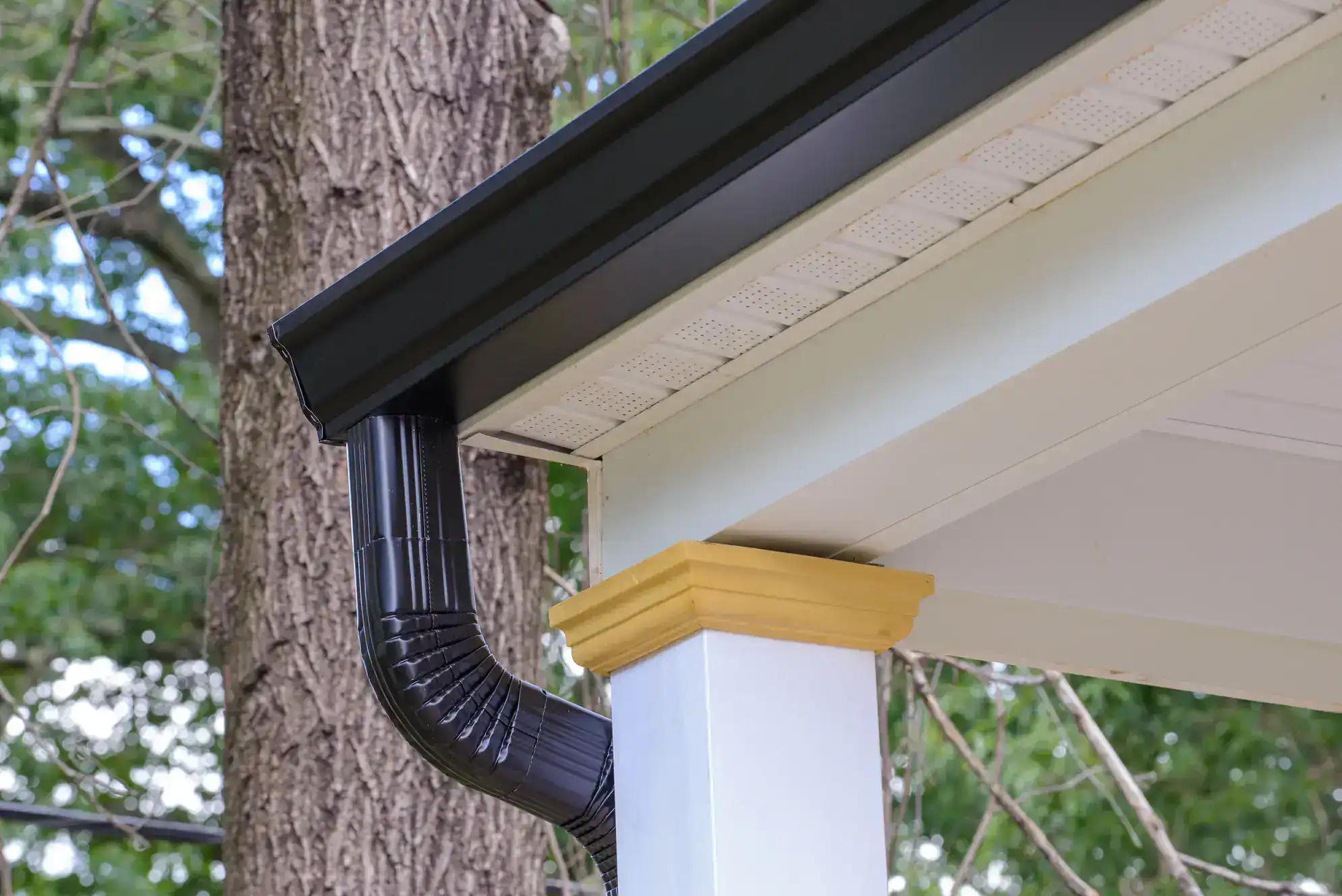
Seamless aluminum gutters are the standard for good reason — no seams means no weak points where water escapes, no joints that separate after a few freeze-thaw cycles. For Allendale’s post-war housing stock, where many homes are still running on original or early-replacement sectional systems, the upgrade to seamless is usually the most impactful exterior improvement a homeowner can make per dollar spent.
Every gutter installation includes proper slope calculation, concealed hanger brackets rated for heavy snow and ice load, and downspout sizing matched to your roof’s actual square footage and pitch — not a one-size-fits-all default. For homes adjacent to the Celery Farm preserve or in any of the borough’s naturally lower terrain, downspout extensions and splash blocks are positioned to direct water well clear of your foundation. Bergen County’s storm history — nor’easters, summer microbursts, and the occasional remnant of an Atlantic tropical system — means your gutters will be tested. They’re installed to hold up to that, not just look good on a dry day.
If your gutters were damaged in a recent storm, we work directly with insurance adjusters. Storm damage to gutters is frequently covered under homeowner’s insurance, and the documentation process is something we handle on your behalf so you’re not fighting that battle alone.
How do I know if my gutters need full replacement or just a repair?
The honest answer is that it depends on what’s actually failing. Isolated leaks at a seam or a single section pulling away from the fascia are often repairable. But if you’re dealing with gutters that sag in multiple spots, have visible rust or corrosion, or were installed with spike-and-ferrule fasteners that have worked loose over time — which is common on Allendale homes built in the 1950s through 1970s — replacement usually makes more financial sense than repeated patching.
The inspection will tell you which situation you’re in. We look at the full condition of the system before recommending anything. If repair is the right call, that’s what you’ll hear. The goal is to give you an honest assessment of your gutters’ actual condition, not to sell a replacement job on a system that has years of life left in it.
What size gutters does an Allendale colonial or split-level typically need?
Most residential homes in Allendale are well-served by 5-inch K-style gutters, which is the most common residential profile. However, homes with steeper roof pitches, longer gutter runs, or larger roof surface areas — which applies to a number of the larger colonials and traditional homes in the borough — may benefit from 6-inch gutters to handle the higher water volume during heavy rain events.
Bergen County gets hit with significant rainfall during summer storms and nor’easters, and undersized gutters overflow quickly when water is moving fast off a steep roof. The right sizing decision is based on your roof’s actual square footage and pitch, not a default. That calculation is part of every estimate, so you’re not guessing at what your home needs.
Does homeowner's insurance cover storm-damaged gutters in New Jersey?
It can, and more often than homeowners realize. In New Jersey, homeowner’s insurance policies typically cover sudden and accidental damage from storms — including wind damage, falling branches, and ice dam damage to gutters and fascia. Bergen County sees its share of all three: summer microbursts, nor’easters that load gutters with ice, and mature trees that drop limbs during high-wind events.
The key is documentation. Insurance adjusters need clear evidence that the damage was storm-related, not the result of deferred maintenance. We document storm damage thoroughly and work directly with adjusters on your behalf, which makes a real difference in how smoothly the claim moves. If you’ve had a recent storm and your gutters are showing damage, it’s worth having an inspection before assuming you’re paying out of pocket.
How does leaf buildup from wooded lots in Allendale affect gutter performance?
Significantly. Allendale’s residential character — half-acre lots with mature oaks, maples, and other deciduous trees — means gutters here deal with a heavier debris load than in more open suburban environments. Leaves, seed pods, and twigs accumulate quickly, and gutters that aren’t pitched correctly or aren’t cleaned regularly will start holding standing water. Standing water accelerates corrosion, adds weight that strains the hangers, and creates the exact conditions for mosquito breeding and ice dam formation in winter.
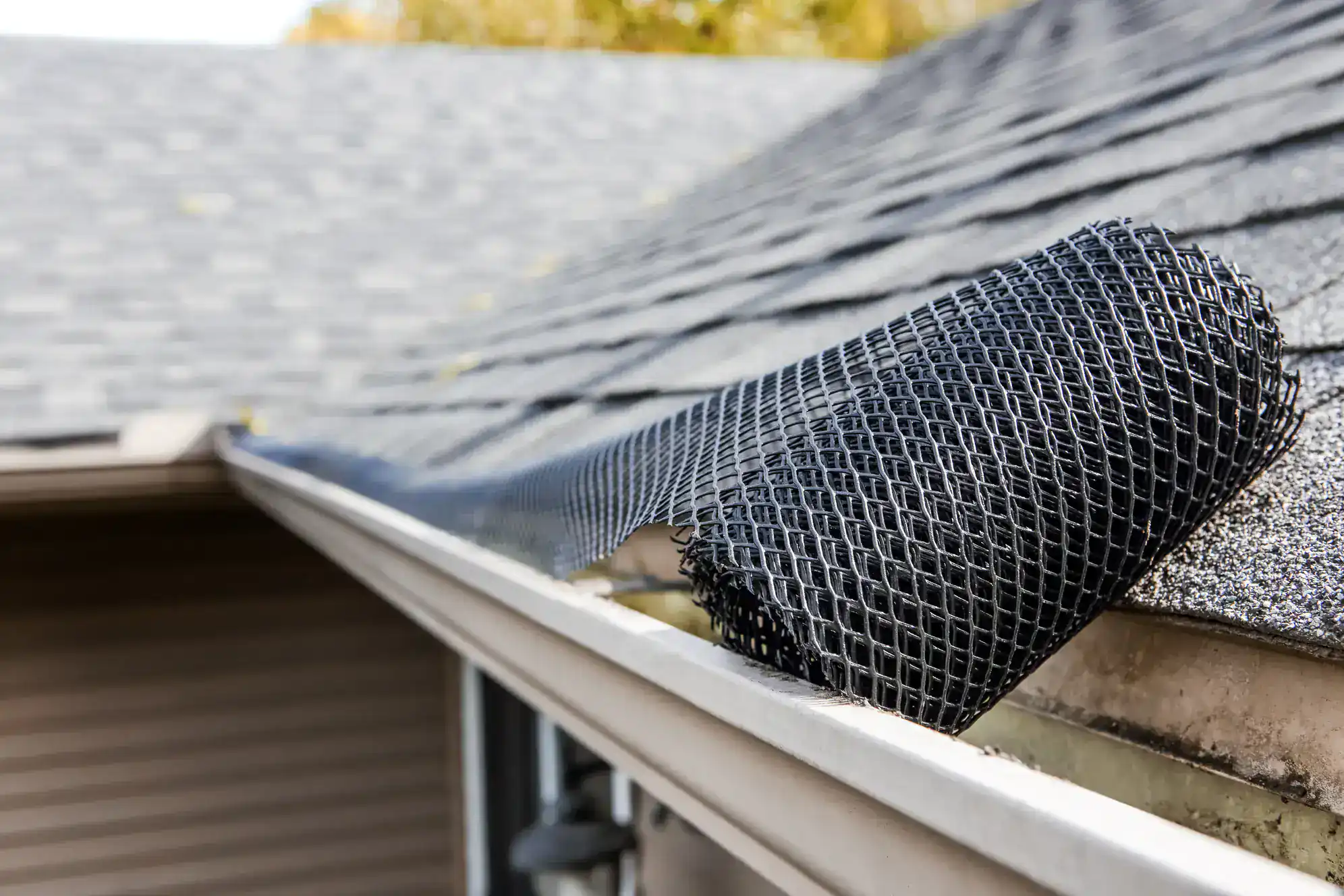
Proper installation slope — 1/4 inch of drop per 10 feet of run — keeps water moving toward the downspout even when some debris is present. It doesn’t eliminate the need for seasonal cleaning, but it dramatically reduces how quickly debris accumulation becomes a performance problem. If you’re tired of climbing a ladder twice a year, gutter guard options are worth discussing during your estimate.
Do I need a permit for gutter installation or replacement in Allendale, NJ?
For a straight gutter replacement on an existing residential structure in New Jersey, a building permit is generally not required — gutter work is typically classified as routine maintenance and repair under state guidelines. That said, if your gutter project is part of a broader roofing or siding job that does require a permit, the gutter scope would be included in that permit’s coverage.
Allendale Borough’s Building Department oversees local permit requirements, and specifics can vary depending on the scope of work. We hold NJ HIC License #13VH10605800 and handle all applicable licensing and compliance requirements as part of every project. If there’s any question about whether your specific job requires a permit, that gets addressed during the estimate — not after work has started.
Why do seamless gutters hold up better through New Jersey winters than sectional systems?
Sectional gutters have joints every 10 to 12 feet where individual pieces connect. Those joints are sealed with caulk or gaskets, and over time — especially through the repeated freeze-thaw cycles Bergen County winters deliver — those seals fail. Water gets into the joint, freezes, expands, and forces the seam apart further. Once a seam is compromised, you’re dealing with leaks at the fascia, water running behind the gutter, and accelerated rot on the wood behind it.
Seamless gutters eliminate that failure point entirely. The entire run from end cap to downspout is one continuous piece, custom-cut to your roofline on-site. There are no mid-run joints to fail, no caulk that dries out and cracks after a few seasons. For Allendale homeowners who’ve watched their older sectional gutters pull away from the fascia over the years, the difference in long-term performance is significant — and it’s one of the main reasons seamless has become the standard for residential gutter installation across northern New Jersey.