
Roof Installation in Union Village, NJ
Your Roof Protects Everything That Matters
Hear from Our Customers
Residential Roofing Services Union Village
You stop worrying every time a storm rolls through. That’s what a proper roof installation does for you.
New Jersey weather doesn’t mess around. Hailstorms in spring, hurricane remnants in late summer, ice dams in winter. Your roof takes the beating so your home doesn’t. But only if it’s installed correctly, with materials that can handle what’s coming.
A quality roof installation means you’re not calling for emergency repairs when the next nor’easter hits. You’re not dealing with water stains on your ceiling or watching your energy bills climb because heat’s escaping through gaps. You’re not wondering if your insurance company will actually cover the damage when something goes wrong.
You get peace of mind. Real protection. And a roof that does its job for 20-30 years without drama. That’s the difference between a roof that’s just installed and one that’s installed right.
Trusted Roofing Contractor Union Village
We’ve been doing residential roofing in Union Village and surrounding areas for a decade. That means we’ve seen what works and what fails when New Jersey weather tests your roof.
We’re licensed, certified by major shingle manufacturers, and we don’t play games with pricing. You get a free estimate, a clear explanation of what needs to happen, and straight answers about your options. No pressure, no hidden fees, no surprises when the bill comes.
Most of our work comes from referrals. That happens when you show up on time, do clean work, and treat people’s homes with respect. We’re a family-run company, and we operate like we’re working on our own house. Because in this area, reputation is everything.
New Roof Installation Process Union Village
First, we come out and look at what you’ve got. Free inspection, no obligation. We check for storm damage, look at the decking underneath, measure everything, and figure out what materials make sense for your home and budget.
Then we give you options. Not a sales pitch—actual choices with real prices. Different shingle types, different warranty levels, different approaches if there’s damage we found. We explain what each option gets you and let you decide what fits.
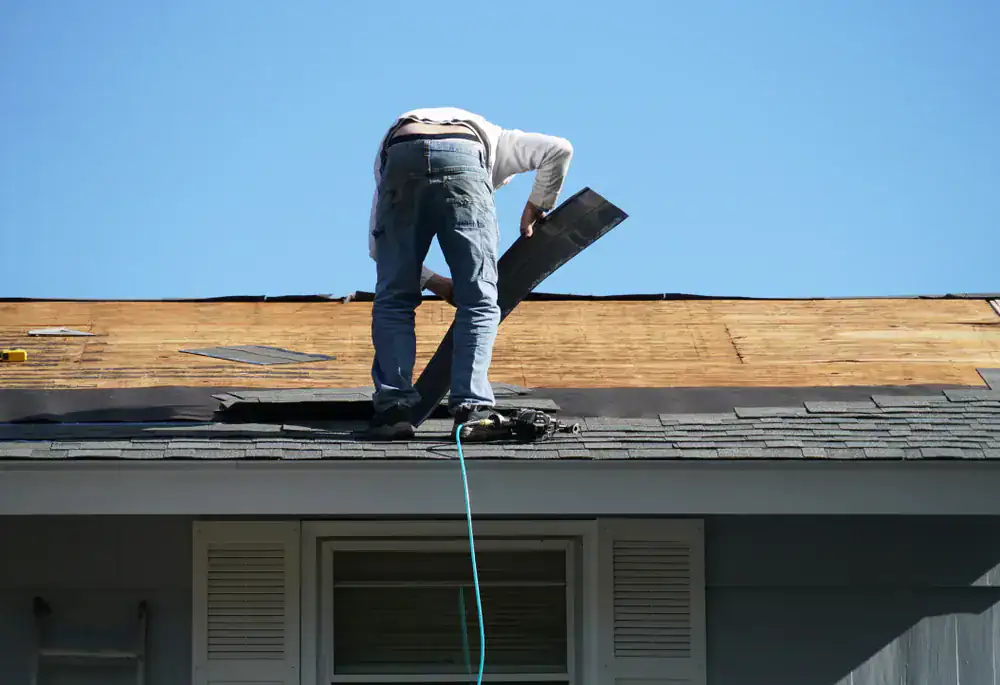
Once you’re ready to move forward, we handle the permits and schedule the work. Most residential roofing installations take two to four days depending on size and complexity. We protect your property, tear off the old roof, inspect and repair the decking if needed, install new underlayment and flashing, then put down your new shingles.
We clean up completely when we’re done. Magnetic rollers pick up nails, tarps catch debris, and we haul everything away. You shouldn’t have to deal with the mess. Then we do a final walkthrough with you so you can see exactly what was done and ask any questions before we consider the job complete.

Ready to get started?
Roofing Installation Services Union Village
You get a complete roof system, not just shingles slapped on top of old problems. That means proper ventilation so your attic doesn’t turn into an oven in summer. It means quality underlayment that adds a second layer of water protection. It means flashing around chimneys, vents, and valleys that’s installed correctly so water goes where it’s supposed to.
Union Village sits in an area that gets hit from multiple directions weather-wise. You’re close enough to the coast to catch hurricane remnants, but inland enough to get serious winter storms. Your roof needs to handle wind-driven rain, ice damming, and the occasional hail event. We install with that reality in mind.
We also help with insurance claims if you’re replacing due to storm damage. That process confuses most homeowners, and insurance companies don’t always make it easy. We document everything, provide the paperwork they need, and communicate directly with adjusters when necessary. You shouldn’t have to become an insurance expert just to get your roof fixed.
Materials matter too. We work with quality shingles from manufacturers we trust, and we’re certified to install them according to their specifications. That certification isn’t just paperwork—it means your warranty is actually valid if something goes wrong. A lot of roofing companies skip that step, and homeowners don’t find out until they try to make a claim.

How long does a typical roof installation take in Union Village?
Most residential roofing installations take two to four days from start to finish. Single-story homes on the smaller side might be done in two days. Larger homes, steeper pitches, or roofs with multiple levels and complex angles take closer to four.
Weather affects the timeline. We don’t install in rain or when high winds are forecast because it’s not safe and the materials won’t seal properly. If we have to pause for weather, we make sure your home is protected with tarps until we can resume.
The actual work moves pretty fast once we start. Tear-off usually happens in a day. Then we inspect the decking, make any repairs, install underlayment and flashing, and put down the new shingles. Cleanup and final inspection add a bit more time. We’ll give you a specific timeline when we estimate your job based on your roof’s details.
What's the best time of year for roof installation in New Jersey?
Late spring through early fall gives you the most consistent weather windows. Shingles seal best when it’s warm, and you avoid the complications that come with cold weather installation.
That said, roofs don’t always fail on a convenient schedule. If you’ve got storm damage or a leak that’s causing problems, waiting six months isn’t an option. We install year-round when necessary, we just have to work around weather and take extra steps in colder months to ensure proper adhesion.
Fall is actually ideal if you can plan ahead. Temperatures are moderate, rain is less frequent than spring, and you’re getting your roof buttoned up before winter hits. Summer works fine too, though extreme heat can be tough on the crew. Winter installations are possible but more complicated—shingles are brittle in cold temperatures and the sealing process takes longer.
How much does roof installation cost in Union Village?
Most residential roof installations in this area run between $8,000 and $18,000 depending on size, pitch, and materials. A small ranch with a simple roofline and standard shingles sits on the lower end. A larger two-story with steep pitches, multiple valleys, and premium materials lands higher.
Square footage is the biggest factor, but it’s not the only one. Steep roofs cost more because they’re harder and more dangerous to work on. Multiple levels, chimneys, skylights, and complex angles add labor time. The shingle type you choose affects price too—basic three-tab shingles cost less than architectural shingles, which cost less than premium impact-resistant options.
We give you a detailed written estimate after we inspect your roof. No ballpark guesses over the phone, because those numbers are usually wrong and that wastes everyone’s time. We measure, we assess what’s actually needed, and we price it honestly. If there’s damage underneath that we can’t see until tear-off, we let you know immediately before proceeding with repairs.
Will my homeowners insurance cover roof replacement?
It depends on why you need a new roof and what your policy covers. Storm damage—hail, wind, falling trees—is typically covered. Wear and tear from age isn’t.
Insurance companies will send an adjuster to assess the damage. They’re looking for evidence that a specific weather event caused the problem, not just that your roof is old. This is where documentation helps. Photos of damage, dates of storms, records of previous repairs—all of that supports your claim.
We help homeowners through this process regularly. We can meet with your adjuster, provide detailed damage reports, and explain what repairs are actually necessary versus what the insurance company might try to minimize. Some adjusters are reasonable, some lowball the estimate. Having a licensed roofing contractor backing up your claim with technical details makes a difference. We’ve seen claims initially denied get approved once proper documentation was submitted.
How do I know if I need a full roof replacement or just repairs?
Age is the first indicator. Asphalt shingles last 20-30 years depending on quality and conditions. If your roof is in that range and you’re having issues, replacement usually makes more sense than patching problems that will keep multiplying.
Widespread damage is another sign. If storm damage or wear affects multiple areas, you’re better off replacing everything than playing whack-a-mole with repairs. A few missing shingles after a windstorm? That’s a repair. Hail damage across 40% of your roof? That’s replacement territory.
Visible wear tells the story too. Shingles that are curling, cracked, or missing granules aren’t protecting your home anymore. If you’re seeing daylight through your attic boards or finding water stains on your ceiling, the problem is beyond surface level. We’ll give you an honest assessment when we inspect. If repairs will actually solve your problem, we’ll tell you that. But if you’re throwing money at a roof that’s fundamentally done, we’ll tell you that too.
What roofing materials work best for homes in Union Village?
Architectural asphalt shingles are the most common choice around here, and for good reason. They handle New Jersey weather well, they’re cost-effective, and they look good. You get 25-30 years out of quality architectural shingles with proper installation.
Impact-resistant shingles make sense if hail is a concern or if you want to lower your insurance premiums. Some insurance companies offer discounts for impact-rated roofing. These shingles cost more upfront but can save you money over time and hold up better when storms hit.
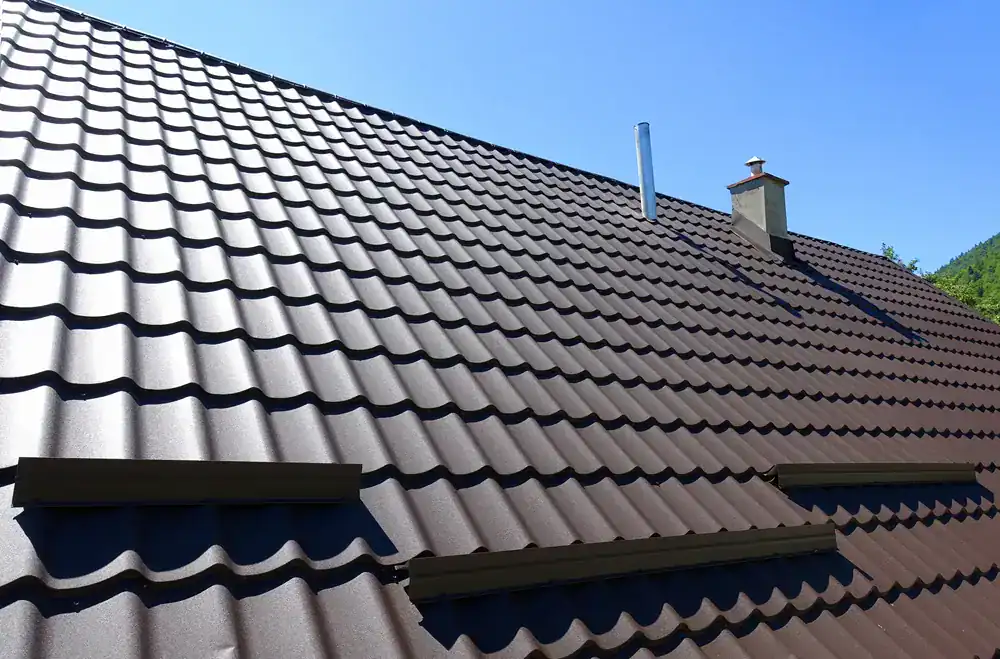
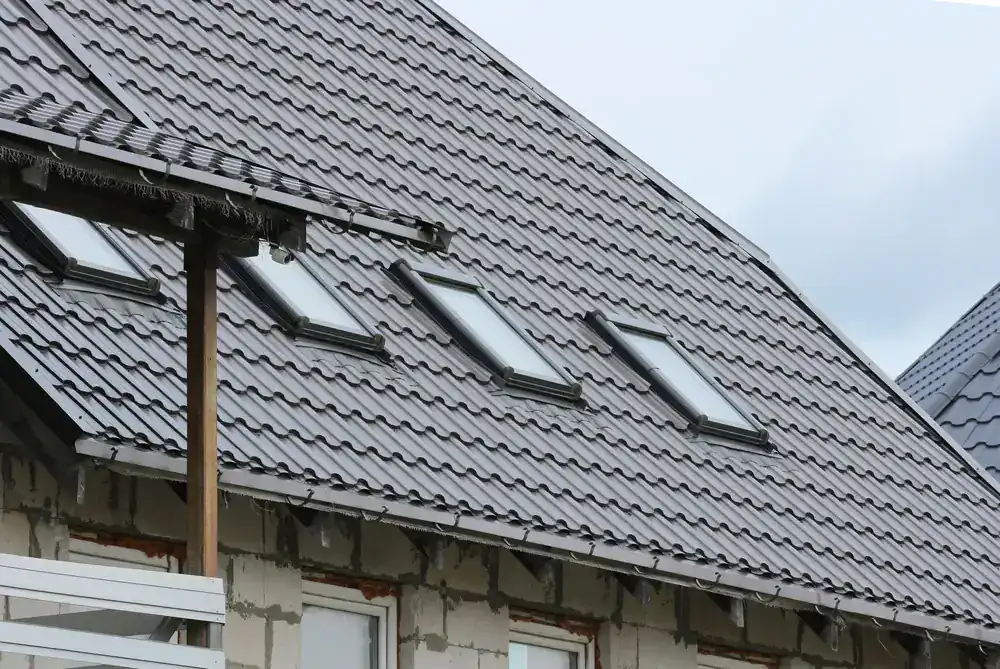
Metal roofing is gaining popularity, especially for homeowners who want maximum durability and don’t mind the higher initial cost. Metal roofs last 40-50 years, shed snow and ice better than shingles, and handle high winds without issues. They’re not for everyone aesthetically, but they’re hard to beat for performance.
We don’t push one material over another. We explain what each option offers, what it costs, and how it performs in this climate. Your budget, your home’s style, and how long you plan to stay all factor into the right choice. Some people want the most affordable option that does the job. Others want premium materials and maximum longevity. Both approaches are valid.
Other Services we provide in Union Village