
Roof Inspection in Union, NJ
Catch Problems Before They Cost You Thousands
Hear from Our Customers
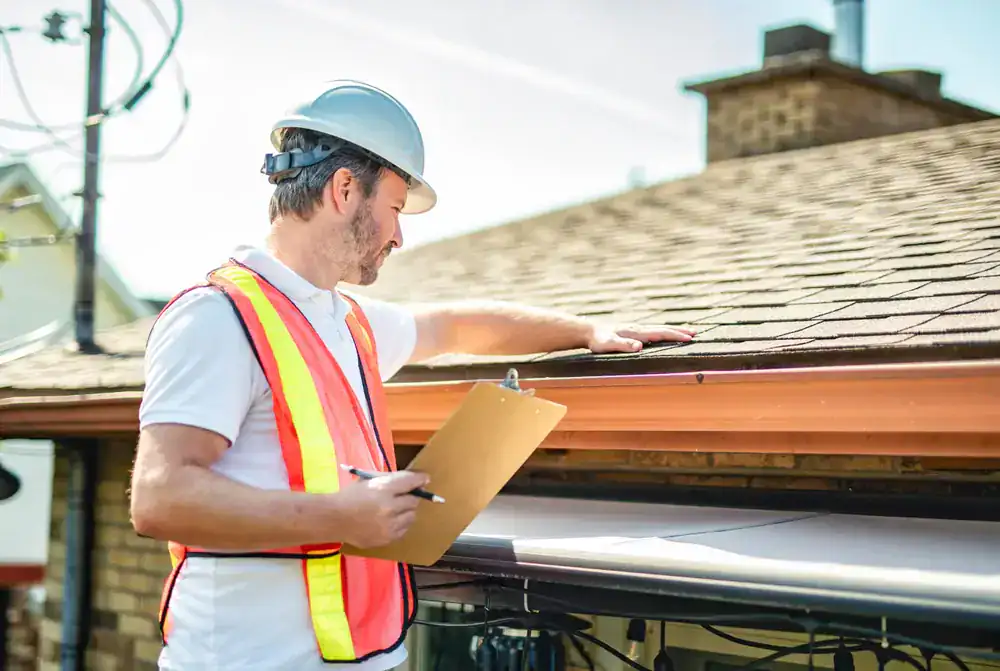
Professional Roof Inspection Services Union County
You’re not looking for a sales pitch. You need to know if that recent storm did damage, if those dark spots in the attic mean trouble, or if your roof can make it another few years.
Most roof problems don’t announce themselves until they’re expensive. A missing shingle here, worn flashing there—these aren’t emergencies today, but they become one fast in Union County’s weather. Heavy snow loads in winter, summer storms that drop six inches of rain in hours, humidity that never quite leaves—your roof takes a beating year-round.
A professional roof inspection catches what you can’t see from the ground. We’re talking about early signs of moisture damage, deteriorating materials in hidden areas, structural issues that only show up in the attic. The kind of stuff that turns a $300 repair into a $15,000 replacement if you wait too long.
You get a thorough assessment, documentation you can actually use, and straight answers about what needs attention now versus what can wait. No manufactured urgency, no pressure to sign anything today.
Certified Roof Inspectors Serving Union, NJ
We’ve spent nearly two decades working on homes throughout Union County—from the older housing stock in Elizabeth and Plainfield to the well-maintained properties in Westfield and Summit. We know what 50-year-old roofs look like here because we’ve repaired and replaced hundreds of them.
Our inspectors are GAF Master Elite and Owens Corning certified, which means we’re trained to manufacturer standards and back our work with real warranties. We’ve handled thousands of insurance claims after major storms, so we know exactly what documentation adjusters need and how to walk you through the process without the runaround.
We’re not storm chasers who show up after bad weather and disappear by next season. We’re a local company that grew through customer reviews and repeat business, not high-pressure sales tactics. You’ll work with people who live in this area and understand what Union County weather does to roofing materials over time.

Our Roof Inspection Process in Union
First, we schedule a time that works for you—no waiting around for four-hour windows. Our inspector shows up on time, introduces themselves, and explains what they’ll be checking before they start.
The actual inspection takes anywhere from 45 minutes to a couple hours depending on your roof size and what we find. We examine every accessible area: shingles, flashing, gutters, ventilation, the condition of fasteners and caulk. We check your attic for moisture problems, proper insulation, and any signs of leaks that haven’t made it to your ceiling yet. For steep or complex roofs, we use drone technology to safely assess areas that are hard to reach.
After the inspection, we sit down with you and go through everything we found. You’ll get photos of problem areas, a written assessment, and clear explanations of what each issue means for your roof’s lifespan. We’ll tell you what needs immediate attention, what you should plan for in the next year or two, and what’s fine for now.
If you need repairs, we provide a detailed estimate with no obligation to move forward. If your roof is in good shape, we’ll tell you that too. The goal is to give you accurate information so you can make the right decision for your home and budget.
Ready to get started?
What's Included in Union County Roof Inspections
Your roof inspection covers all the critical components that protect your home from Union County’s weather extremes. We examine the condition of your shingles—looking for curling, cracking, granule loss, and any signs of impact damage from hail or falling branches. We inspect all flashing around chimneys, vents, and valleys where most leaks start.
Gutters and downspouts get checked for proper drainage, because water backing up under shingles is one of the fastest ways to destroy a roof deck. We assess your attic ventilation to make sure heat and moisture aren’t trapped inside, which can lead to premature shingle failure and ice dam problems in winter.
Inside your attic, we look for water stains, mold growth, proper insulation, and structural issues with rafters or decking. Many homeowners in Union have older homes built between 1900 and 1970, and these properties often have hidden problems that only show up during a thorough interior inspection.
You’ll also get guidance specific to your situation. If you’re dealing with storm damage, we’ll document everything needed for your insurance claim. If you’re planning to sell, we’ll let you know what buyers and inspectors will flag. If you just want to extend your roof’s life, we’ll prioritize the repairs that give you the most value for your money.

How do I know if I need a roof inspection after a storm in Union?
If Union County just went through severe weather—high winds, hail, heavy rain, or that flash flooding we saw recently—you should get your roof checked even if you don’t see obvious damage from the ground. Storm damage isn’t always visible until it’s already caused problems inside your home.
Look for warning signs like missing or lifted shingles, dents in metal flashing or gutters, granules collecting in downspouts, or new water stains in your attic. But here’s the thing: most storm damage hides in places you can’t see without getting on the roof. Wind can break the seal on shingles without tearing them off. Hail can crack shingles in ways that don’t show up until months later when water starts seeping through.
Insurance companies typically give you a limited window to file claims after major storms, so waiting too long can cost you coverage. A professional inspection documents the damage while it’s fresh, gives you the evidence you need for your claim, and catches problems before they turn into interior water damage that insurance might not cover.
What's the difference between a free roof inspection and a scam?
Legitimate free roof inspections exist because roofing companies need to assess the work before providing accurate estimates. Scams happen when contractors use “free inspections” to fabricate damage, pressure you into unnecessary work, or collect insurance money for repairs they never complete properly.
Here’s how to tell the difference: real inspectors will show you the problems they find, explain what each issue means, and give you time to think about your options. They’ll provide written documentation and won’t push you to sign anything immediately. Scammers use high-pressure tactics, claim your roof is an emergency when it’s not, or offer deals that expire if you don’t decide today.
Be especially careful with door-knockers who show up right after storms claiming they “noticed damage” while working in your neighborhood. Legitimate local companies don’t need to cold-call because they’re busy with existing customers and referrals. Check for manufacturer certifications like GAF Master Elite or Owens Corning, verify their local business license, and read recent reviews from other Union County homeowners. A company that’s been serving your area for years has a reputation to protect—fly-by-night operators don’t.
How often should I get my roof inspected in Union, NJ?
The National Roofing Contractors Association recommends professional roof inspections twice a year—typically in spring and fall. That schedule makes sense for Union County because it lets you catch winter damage before summer storms arrive, then identify any storm or heat damage before winter weather hits.
Your roof’s age and condition affect how often you really need inspections. If your roof is over 15 years old, you should stick to that twice-yearly schedule because problems develop faster as materials age. Newer roofs in good condition can often go with annual inspections unless you’ve had severe weather. After any major storm with high winds or hail, get an inspection regardless of your regular schedule.
Most Union County homes were built between 1900 and 1970, which means the housing stock here is aging and roofs are often near or past their expected lifespan. Regular inspections on older homes aren’t just about catching problems—they’re about extending the life of your roof by addressing small issues before they accelerate wear on the entire system. A $300 repair today beats a $15,000 replacement next year.
Will a roof inspection help with my insurance claim in Union County?
A professional roof inspection is often essential for insurance claims because it provides the documentation adjusters need to approve coverage. Insurance companies want proof that damage was caused by a covered event like a storm, not by normal wear and neglect. A detailed inspection report with photos and written assessment gives you that proof.
We document everything relevant to your claim: the type and extent of damage, when it likely occurred based on weather records, and what repairs are necessary to restore your roof. We’ve handled thousands of insurance claims in Union County, so we know exactly what local adjusters look for and how to present information that supports your case.
Having a professional inspection also protects you from claim denials based on “pre-existing conditions.” If your roof had issues before the storm, insurance might try to deny the entire claim. A thorough inspection separates storm damage from existing wear, which can mean the difference between getting your claim approved or paying out of pocket. We’ll walk you through the entire claims process, communicate with your adjuster if needed, and make sure you’re not leaving money on the table because of missing documentation or unclear damage assessment.
What roof problems are most common in Union, NJ homes?
Union County’s weather creates specific patterns of roof damage that we see repeatedly. Ice dams are huge in winter because temperature swings cause snow to melt and refreeze at roof edges, backing water up under shingles. Poor attic ventilation makes this worse, which is common in older homes that weren’t built with modern ventilation standards.
Storm damage from high winds and heavy rain happens frequently—we’re talking about lifted shingles, damaged flashing, and clogged gutters that overflow and rot fascia boards. The recent flash flooding that dropped over six inches of rain in a few hours showed how quickly water problems can develop when drainage systems fail. Trees are another issue here. Overhanging branches drop debris that holds moisture against shingles and eventually wears through protective granules.
The age of Union’s housing stock means many roofs are simply at the end of their lifespan. Asphalt shingles typically last 20-30 years depending on quality and maintenance, but most homes here are 50-120 years old. Even if the roof was replaced at some point, it’s probably due again. We also see a lot of hidden moisture damage in attics where small leaks went unnoticed for years, causing mold growth and wood rot that compromises the entire roof structure.
What happens if your inspection finds problems with my roof?
If we find issues during your inspection, we’ll explain exactly what’s wrong, why it matters, and what your options are for fixing it. You’ll get a written report with photos showing each problem area, a description of what’s happening, and our recommendation for how to address it.
Not everything needs immediate attention. We’ll prioritize issues based on urgency: what’s actively leaking or about to fail, what should be handled in the next year, and what you can monitor for now. You’ll get separate estimates for each repair so you can decide what fits your budget and timeline. There’s no pressure to do everything at once or to hire us for the work—the inspection stands on its own as useful information regardless of what you do next.
If you need major repairs or replacement, we’ll discuss your options for materials, warranties, and financing. If the damage is covered by insurance, we’ll help you file the claim and work directly with your adjuster to make sure repairs are done to code and manufacturer specifications. For minor issues, we’ll explain whether you can handle them yourself or if professional repair makes more sense. The goal is to give you enough information to make a confident decision about your roof, your home, and your budget.