
Siding Installation in Union, NJ
New Siding Built for Union's Aging Homes
Hear from Our Customers
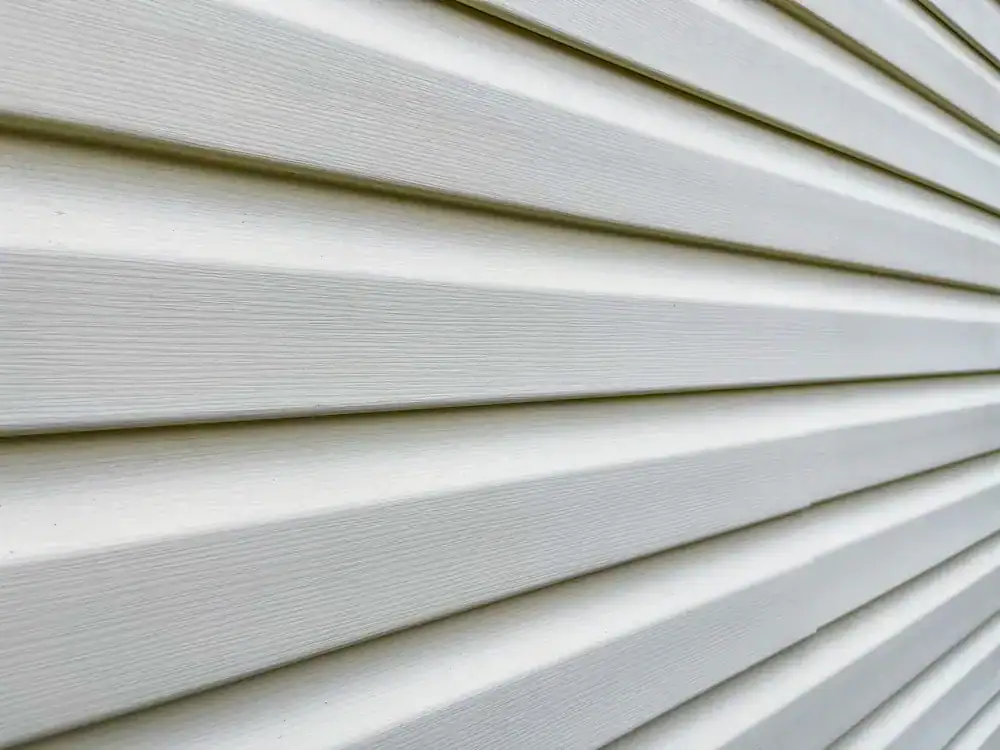
Residential Siding Contractors in Union, NJ
When siding fails on a 1960s colonial in Connecticut Farms or a split-level off the Vauxhall section, it rarely looks like a disaster at first. It looks like a faded panel. A small crack. A drafty room that never quite warms up. But behind that panel, moisture has likely been working its way into the wall cavity for years — and by the time it’s obvious, the damage is bigger than the siding itself.
Good siding installation stops that process. It seals your exterior properly, gives your home a thermal barrier it probably hasn’t had in decades, and removes the slow drain on your energy bills that comes with under-insulated mid-century walls. For Union homeowners, that’s not a minor upgrade — it’s a meaningful one, especially heading into a nor’easter season or a summer that pushes humidity into the 80s.
Beyond the functional side, new siding changes how your home looks and what it’s worth. Union home values have been climbing, and the exterior is the first thing a buyer — or a neighbor — sees. Whether you’re staying for another 20 years or thinking about selling, a clean, properly installed exterior is an investment that shows.
Local Siding Company Serving Union, NJ
We’ve been working on exterior renovations across Union County for nearly ten years. That means we’ve pulled old siding off 1950s Cape Cods in the Connecticut Farms neighborhood, replaced weathered panels on split-levels near Galloping Hill, and dealt with the kind of substrate surprises that come with homes built before modern moisture barriers were standard. We know what’s underneath before we open it up — and we know how to handle it when something unexpected shows up.
We’re a family-run operation, which means the person you talk to at the estimate is connected to the crew doing the work. There’s no hand-off to a call center, no project manager you’ve never met showing up on day one. You get real communication, a written estimate that doesn’t change mid-job, and a finished product that’s permitted, inspected, and built to last. That’s not a pitch — it’s just how we operate.

Siding Installation Process in Union, NJ
It starts with a free inspection. We come out, look at what you’re working with, and give you an honest read on whether you need a repair or a full replacement. A lot of Union homeowners have been watching their siding age for a season or two and aren’t sure which category they’re in — that’s exactly what the inspection is for. No obligation, no pressure, just a clear answer.
If replacement is the right call, we walk you through material options that actually make sense for your home and budget. For older Union homes with thin wall insulation, insulated vinyl is often worth the conversation. For higher-value properties in areas like Putnam Manor, fiber cement is worth looking at for its durability and finish. We explain the real trade-offs — not just what’s available, but what’s right for your specific situation.
Once you’re ready to move forward, we handle the building permit with Union Township’s Building Department. Full siding replacement requires a permit under the NJ Uniform Construction Code, and we take care of that process so you don’t have to. Installation is scheduled around your timeline, the crew respects your property throughout, and the job isn’t done until it passes inspection and you’re satisfied with what you see.

Ready to get started?
Vinyl Siding Contractors in Union, NJ
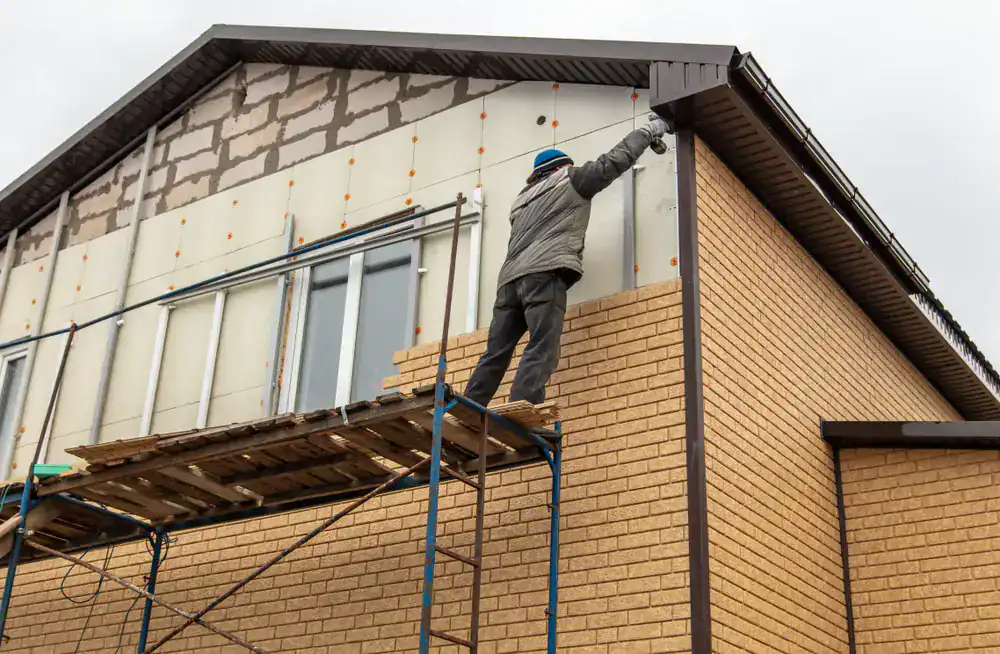
Siding installation isn’t just panels on a wall. Before anything goes up, we assess the existing substrate — the sheathing, the moisture barrier, the framing condition. On Union’s older housing stock, this step matters more than it does on a newer build. Homes from the 1940s through the 1960s were built differently, and skipping a proper substrate evaluation is how you end up with new siding over a rotting wall. We don’t skip it.
We install vinyl siding, insulated vinyl, and fiber cement depending on what fits your home and what you’re trying to accomplish. Every installation includes proper moisture barrier work, correct fastening for thermal expansion, and flashing at every window, door, and penetration point. These aren’t extras — they’re what separates a siding job that lasts 30 years from one that starts failing in five. In Union’s climate, with the freeze-thaw cycles and wind-driven rain that come with a full NJ winter, those details are the difference.
If you’re in a section of Union near the Connecticut Farms historic area, we’ll also flag any exterior appearance considerations worth checking before you finalize your material and color selection. The goal is a finished product that looks right for your home, performs in this specific climate, and holds up long enough that you’re not doing this again in ten years.

Do I need a permit for siding installation in Union Township, NJ?
Yes — full siding replacement in Union Township requires a building permit issued under the New Jersey Uniform Construction Code. This is handled through Union Township’s Building Department, and it applies whether you’re replacing vinyl, fiber cement, or any other cladding material on the full exterior of the home.
The one exception worth knowing: if you’re repairing or replacing like-for-like material on no more than 25% of your home’s exterior wall, that typically falls under ordinary maintenance and doesn’t require a permit. But the moment you’re doing a whole-home replacement — which is the case for most Union homeowners dealing with 50-year-old siding — you need the permit. We handle that process as part of every full installation, so it doesn’t fall on you to navigate it.
What type of siding holds up best through New Jersey winters?
For most Union homeowners, the real test isn’t just cold — it’s the freeze-thaw cycle. Moisture gets into small cracks, freezes, expands, and makes those cracks bigger. Repeat that enough times over a NJ winter and you’ve got panels that are cracked, warped, or pulling away from the wall. The material you choose needs to handle that cycle without failing.
Vinyl siding, when properly installed with the right fastening and expansion allowance, holds up well and stays low maintenance through Union’s winters. Insulated vinyl adds a foam backer that reduces thermal bridging — which is a real benefit on older Union homes where wall insulation is often minimal. Fiber cement is the most durable option and resists impact well, but it requires more maintenance to keep sealed and is a higher upfront cost. The right answer depends on your home’s age, your budget, and how long you’re planning to stay — and that’s exactly what we walk through before anything gets ordered.
How do I know if I need siding repair or a full replacement?
The honest answer is that it depends on how much of the siding is compromised and what’s happening underneath. If you’ve got a handful of cracked or warped panels and the rest of the exterior is solid, repair is often the right call. But on a Union home built in the 1950s or 1960s — where the original or first-replacement siding has been in place for decades — it’s common to find that the damage is more widespread than it looks from the driveway.
The inspection is where this gets sorted out. We look at the full exterior, check for moisture infiltration behind the panels, assess the condition of the substrate, and give you a straight answer on what’s actually going on. If repair is enough, we’ll tell you. If replacement is the smarter move given the condition and the cost of ongoing repairs, we’ll explain why. There’s no incentive to push you toward a bigger job if it isn’t warranted — and that’s why we offer the inspection for free.
How long does siding installation take on a typical Union, NJ home?
For a standard single-family home in Union — a Cape Cod, split-level, or colonial — full siding installation typically takes two to four days once the crew is on-site. The timeline depends on the size of the home, the material being installed, and what’s discovered during substrate prep. If there’s moisture damage or sheathing repair needed underneath the old siding, that adds time, and we’ll communicate that upfront rather than surprising you mid-project.
Scheduling is the other piece worth planning around. Quality siding contractors in Union tend to book four to six weeks out during peak season — spring and early fall are the busiest windows. If you’re thinking about getting siding done before winter, reaching out in August or September gives you the best chance of landing a timeline that works. We’ll give you a realistic schedule at the estimate stage so you know exactly what to expect.
What should I look for when hiring a siding contractor in Union, NJ?
The first thing to verify is NJ Home Improvement Contractor registration. New Jersey requires all contractors performing home improvement work — including siding — to be registered with the NJ Division of Consumer Affairs. It’s not just a formality. Hiring an unregistered contractor limits your legal options under NJ’s Consumer Fraud Act if something goes wrong, and it can create complications when you go to sell the home or file an insurance claim. Any reputable contractor will give you their HIC registration number without hesitation.
Beyond licensing, look for a written estimate — not a verbal quote — and ask directly how change orders are handled. A lot of the frustration Union homeowners have had with contractors comes down to a lowball estimate that grows significantly once the crew starts. Ask for references from homes in the area, check Google reviews for recency and specificity, and make sure the contractor carries general liability and workers’ compensation insurance. These aren’t unreasonable asks — they’re the baseline for anyone working on your home.
Can I install new siding over my existing siding to save money?
Technically, yes — it’s possible to install new siding over old in some situations. But on most Union homes from the mid-20th century, it’s not the approach we’d recommend, and here’s why: when you install over existing siding, you lose the opportunity to inspect and repair what’s underneath. On a home that’s 60 or 70 years old, there’s a real chance there’s moisture damage, failing sheathing, or compromised insulation behind those panels. Covering it up doesn’t fix it — it just delays the discovery and usually makes the repair more expensive when it finally surfaces.
There’s also a practical issue with depth. Installing over existing siding adds thickness around windows, doors, and trim, which requires additional framing and finishing work to look right. On Union’s older homes — where window and door profiles are already detailed and established — that extra work often costs more than the savings from skipping tear-off. In most cases, a clean removal and proper substrate evaluation before new siding goes on is the better investment, both for the finished result and for the long-term performance of the installation.
Other Services we provide in Union