
Roof Inspection in Ridgewood, NJ
Ridgewood's Older Homes Don't Leave Much Room for Guessing
Hear from Our Customers
Roof Damage Inspection in Ridgewood
Bergen County winters are not gentle. Nor’easters, ice storms, and hard freeze-thaw cycles put consistent stress on roofing systems — and in Ridgewood, where most homes were built long before modern insulation and ventilation standards existed, that stress compounds fast. Ice dams are a real risk in pre-war construction. When heat escapes through an under-insulated attic and refreezes at the eave, water backs up under the shingles and into the structure. By the time you notice a stain on the ceiling, the damage has already spread well beyond the roof surface.
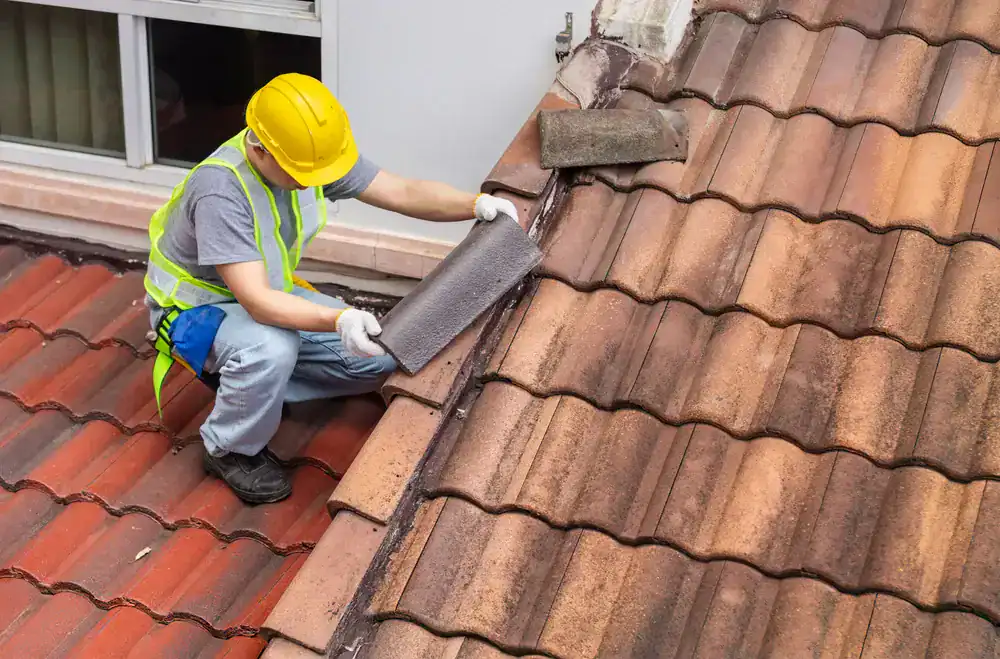
A thorough roof damage inspection in Ridgewood catches that vulnerability before it becomes a repair bill that runs into the tens of thousands. It also tells you whether your flashing is holding at the chimney, whether the valleys are clear, and whether the granule loss on your shingles is cosmetic or a sign that the material is approaching the end of its useful life.
For homeowners in Ridgewood — where the typical home is worth close to or above a million dollars — this isn’t just about fixing a leak. It’s about protecting what you’ve built. A home in the Hawes or Floral Park area that’s been in a family for decades deserves an inspection from someone who actually knows what they’re looking at, not a quick visual pass from someone who showed up after a storm.
Licensed Roof Inspector in Ridgewood
We’ve been serving Ridgewood and northern New Jersey homeowners for over ten years. We’re fully licensed under New Jersey’s Home Improvement Contractor registration, carry full insurance, and hold certifications from major shingle manufacturers — the kind that a small percentage of contractors nationwide actually earn, and that allow us to offer enhanced warranty coverage that uncertified contractors simply can’t provide.
We’re a family-run operation, which means the people doing the work are the same people whose reputation is on the line when the job is done. That accountability isn’t something you can manufacture. It’s just how we operate. We’ve worked on homes throughout Ridgewood and Bergen County — from the pre-war colonials off Franklin Turnpike to the Tudor-style properties near the Village center — and we know the specific conditions that affect roofs in this area.
When we do a roof inspection in Ridgewood, we tell you what we find. If your roof is in good shape, we’ll tell you that too.

Roof Inspection Company in Ridgewood
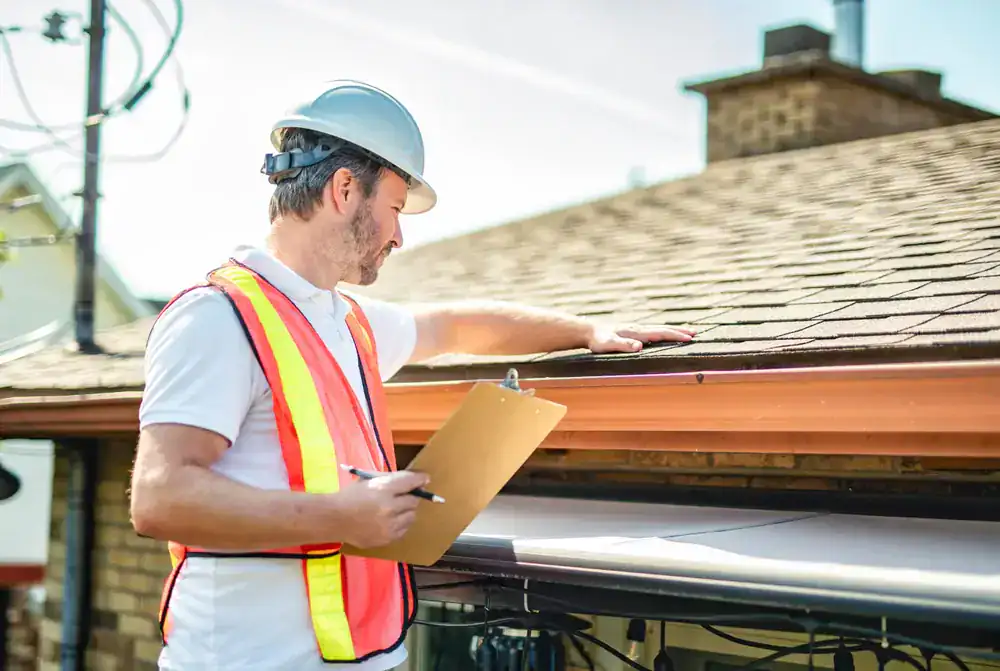
It starts with a free inspection — no charge, no obligation. We schedule at a time that works for you, show up when we say we will, and get on the roof ourselves. We’re not sending someone with a clipboard to do a drive-by assessment. We check the shingles, the flashing at every penetration point, the ridge, the valleys, the gutters, and the fascia. On a Ridgewood home with dormers, a chimney, and a multi-valley roofline, those details matter more than they would on a simpler structure.
After the inspection, we walk you through what we found — in plain language, not roofing jargon. If there’s damage, we show you where it is and explain what it means. If repairs are needed, we give you a clear, itemized estimate. If your roof is holding up fine, we tell you that and let you know what to watch for going forward.
If you’re planning to sell, that documentation has real value. Ridgewood homes move fast — the market here averages around 12 days on listing — and a clean, documented roof inspection removes one of the biggest buyer objections before it ever comes up. If you’re staying put and just want to know your home is protected heading into another Bergen County winter, this is how you get that answer.
Ready to get started?
Certified Roof Inspector in Ridgewood, NJ
A certified roof inspector in Ridgewood isn’t just looking at whether shingles are missing. On a home that’s 70, 80, or 100 years old — which describes a significant portion of Ridgewood’s housing stock — the inspection has to go deeper than the surface. We assess shingle condition and granule loss, flashing integrity at chimneys, dormers, skylights, and wall junctions, the condition of the ridge cap, gutter attachment and drainage, soffit and fascia condition, and visible signs of moisture intrusion or decking damage.
We also look at attic ventilation as part of the process. In Ridgewood’s pre-war homes, inadequate ventilation is one of the most common contributors to premature roof failure and ice dam formation. That’s not something you’d catch on a visual-only exterior check, but it’s the kind of finding that can save you from a much larger problem down the road.
Because we also handle gutters and siding, we’re looking at the full exterior picture during every visit. Roofing, drainage, and wall protection work together — and in a Bergen County winter, a weakness in any one of those systems can compromise the others. The Village of Ridgewood’s property maintenance code requires that roofs remain structurally sound and watertight, so staying current on inspections isn’t just smart — it keeps your property in compliance. For work that goes beyond routine repair, we handle the permit process and make sure everything meets New Jersey’s Uniform Construction Code.

How often should I schedule a roof inspection on my Ridgewood home?
We recommend twice a year — once in the fall before winter sets in, and once in the spring after the snow and ice have cleared. For Ridgewood specifically, that schedule makes a lot of sense. Bergen County winters bring nor’easters, ice storms, and prolonged freeze-thaw cycles that put real stress on roofing systems. A spring inspection after that kind of season catches damage early, before water has a chance to work its way deeper into the structure.
Fall inspections are about making sure your roof is ready before the next round of winter weather arrives. If there’s a compromised shingle, a flashing gap, or a ventilation issue that’s setting up an ice dam, you want to know about it in October — not January. On Ridgewood’s older homes especially, where the original construction predates modern roofing standards by several decades, that twice-yearly rhythm isn’t excessive. It’s just good stewardship of a significant asset.
What does a free roof inspection from us actually include?
The inspection covers everything that affects how well your roof is protecting your home. That means shingle condition, granule wear, flashing at every penetration point — chimneys, dormers, vents, skylights — ridge cap integrity, valley condition, gutter attachment and drainage, and the soffit and fascia along the roofline. On homes with the kind of architectural complexity common in Ridgewood — steep pitches, multiple valleys, brick chimneys — there are more places for problems to develop, and we check all of them.
We also take a look at attic ventilation where accessible, because in older Ridgewood homes it’s one of the most overlooked contributors to roof problems. After the inspection, you get a clear verbal and written summary of what we found. If there’s nothing to address, we tell you that. If there are issues, we explain what they are, what they mean for your roof’s lifespan, and what your options are — without pressure.
How do I know if a roofing contractor is actually licensed in New Jersey?
New Jersey requires all home improvement contractors to register with the Division of Consumer Affairs under the Home Improvement Contractor program. That registration requires proof of liability insurance and compliance with the New Jersey Consumer Fraud Act, which gives homeowners real legal recourse if something goes wrong. You can verify any contractor’s HIC registration number directly on the New Jersey Division of Consumer Affairs website — it takes about two minutes and tells you whether the registration is current and in good standing.
This matters more than it might seem. Hiring an unregistered contractor in New Jersey eliminates most of your legal options if the work is done incorrectly or the contractor disappears mid-job. In a market like Ridgewood, where homes are worth close to or above a million dollars, the few minutes it takes to verify a license number is time well spent. We’re fully registered and insured — and we’ll give you our registration number upfront if you ask.
Does a roof replacement in Ridgewood, NJ require a building permit?
In most cases, yes. The Village of Ridgewood generally requires a building permit for full roof replacements, while routine repairs — patching, flashing replacement, limited shingle work — typically fall under the exemption for maintenance work that doesn’t alter the structure. The distinction matters because permitted work is inspected to confirm it meets New Jersey’s Uniform Construction Code, which protects you as the homeowner and protects the value of the property.
If you’re in a section of Ridgewood with architecturally significant or historically notable homes, material and color choices for a replacement may also be subject to review depending on your specific property designation. The safest approach is to confirm current permit requirements with the Village’s Building Department before any major work begins — requirements can shift, and what applied to a neighbor’s job a few years ago may not be exactly what applies today. We handle the permit process for our customers and make sure the work is done in full compliance.
What are the signs that my roof has ice dam damage after a Ridgewood winter?
Ice dams form when heat escaping through the roof melts snow near the ridge, and that water refreezes when it reaches the cold overhang at the eave. The ice backs up under the shingles and forces water into the structure. The most visible exterior sign is a thick ridge of ice along the lower edge of the roof during or after a cold spell. Inside, you might notice water stains on ceilings near exterior walls, peeling paint, or damp insulation in the attic.
The underlying cause is usually inadequate attic insulation or ventilation — both of which are common in Ridgewood’s pre-war housing stock, where original construction predates modern building science by 60 to 100 years. A licensed roof inspector in Ridgewood can identify not just the surface damage but the ventilation conditions that made the ice dam possible in the first place. Fixing the shingles without addressing the ventilation means the same thing happens next winter. We look at both.
Is a roof leak inspection in Ridgewood worth scheduling even if I don't see a visible leak?
Yes — and this is actually when it’s most useful. By the time a leak shows up as a stain on your ceiling or a wet spot in the attic, water has already been moving through the structure for a while. The visible damage is rarely where the problem started. On a Ridgewood home with a complex roofline — dormers, a chimney, steep valleys — there are multiple points where water can find its way in without producing an obvious interior sign for months.
A roof leak inspection in Ridgewood done proactively looks for the conditions that lead to leaks: compromised flashing, cracked sealant around penetrations, granule loss that’s exposing the mat underneath, or shingles that have lifted at the edge. These are fixable problems when they’re caught early. When they’re caught after a winter of water infiltration, the repair scope grows considerably — and may involve not just the roofing material but the decking, insulation, and potentially interior finishes. Scheduling an inspection before you see a problem is genuinely the lower-cost path in the long run.