
Roof Inspection in Linden, NJ
Catch Problems Before Your Insurance Company Does
Hear from Our Customers
Professional Roof Inspection Services
Your insurance company is looking at your roof differently now. If it’s 15 to 20 years old, they want proof it’s still protecting your home. Some carriers are dropping policies altogether, even when homeowners have clean records and well-maintained properties.
A professional roof inspection gives you documentation before they ask for it. You’ll know if minor wear needs attention now or if you’re facing a bigger conversation with your insurer. The assessment includes photos that show exactly what’s going on with your shingles, flashing, and underlayment.
Linden homes face real weather. With 100% of properties at major risk for severe wind events and a third facing flood risk over the next 30 years, your roof takes a beating. Small issues become expensive problems fast when water gets in. An inspection catches those early signs you can’t see from the ground—lifted shingles after a storm, granule loss that shortens your roof’s life, or flashing that’s starting to fail around chimneys and vents.
Licensed Roofing Contractor Linden NJ
We’ve spent 10 years working on roofs across Linden, NJ. We’re licensed, insured, and certified by major shingle manufacturers. That means we know how materials perform in New Jersey’s climate and what holds up when storms roll through.
We offer free inspections because we’d rather you know what you’re dealing with than guess. No pressure, no hidden costs. Just a clear assessment of your roof’s condition and honest advice about what comes next.
Most of Linden’s homes were built between the 1940s and 1960s. If your roof is original or even 20 years old, you’re not alone. We’ve seen what happens to these roofs over time, and we know what insurance companies are asking for now. That local experience matters when you need straight answers.

Our Roof Inspection Process
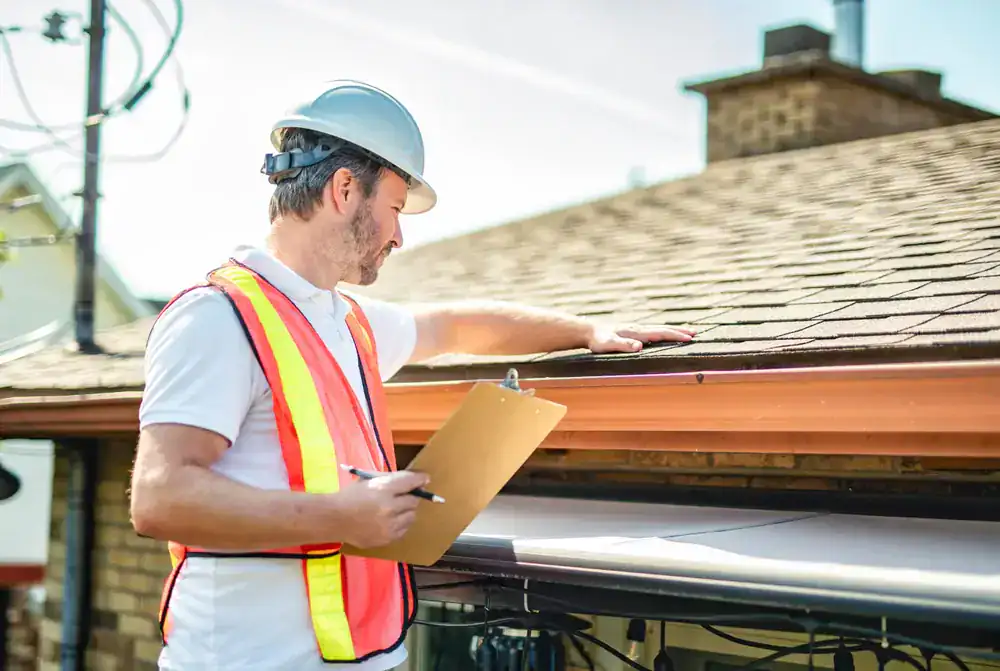
We start with a visual assessment from the ground, looking at your roof’s overall condition, any obvious damage, and areas that need closer attention. Then we get up there. Our inspectors check shingles for cracks, curling, or missing granules. We examine flashing around chimneys, vents, and skylights where leaks typically start. We look at your gutters and downspouts because they tell us how well water is moving off your roof.
Inside your attic, we check for water stains, proper ventilation, and insulation issues that affect your roof’s lifespan. Poor ventilation can cut years off even a new roof. We document everything with photos—the kind of detail that satisfies insurance companies when they ask questions.
After the inspection, you get a clear report. We’ll walk you through what we found, what needs attention now, and what you can monitor. If storm damage is involved, we help with the insurance claim process. If repairs make sense, we’ll explain your options. If your roof is fine, we’ll tell you that too.
The whole process takes about an hour. You’ll know more about your roof than you did before, and you’ll have documentation if you need it later.
Ready to get started?
Roof Inspection and Repair Services
Your inspection covers the full roof system. We check all shingle conditions, looking for wind damage, hail impact, or age-related wear. Flashing gets examined at every penetration point—chimneys, plumbing vents, exhaust fans. We inspect valleys where two roof planes meet because they handle heavy water flow. Soffit and fascia condition matters too, since they protect your roof edges from weather and pests.
We document everything with photos from multiple angles. If you’re dealing with an insurance claim after a storm, this documentation becomes critical. New Jersey building codes are strict, updated every three years, and insurance companies know it. They want proof your roof meets current standards or evidence of storm damage that justifies a claim.
Linden’s housing stock means many roofs are approaching or past the 20-year mark where insurers get nervous. Some carriers now require replacement at that age just to keep your policy active. Others want annual inspections. We’ve helped dozens of homeowners navigate these requirements, and we know what documentation satisfies underwriters.
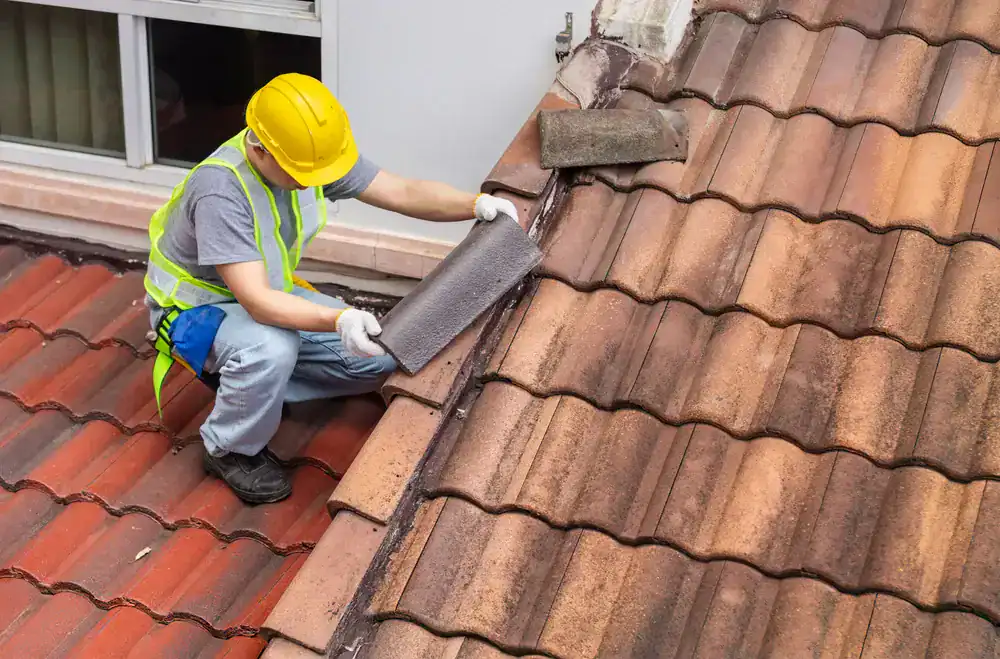
If we find roof leaks or damage, we can handle repairs or full replacement. We use impact-resistant shingles rated for New Jersey’s hail storms and high winds. Our crews are trained on proper installation techniques that extend your roof’s life and keep warranties valid. But the inspection itself comes with no obligation. You get information, and you decide what makes sense for your situation and budget.

How often should I get my roof inspected in Linden?
Twice a year is the standard recommendation—once in spring and once in fall. Spring inspections catch winter damage from ice, snow load, and freeze-thaw cycles. Fall inspections make sure your roof is ready for another New Jersey winter.
You should also get an inspection after any major storm. High winds, hail, or heavy rain can cause damage that’s not obvious from the ground. Waiting to check means small problems get worse, and insurance claims get harder to prove if too much time passes.
If your roof is over 15 years old, annual inspections become more important. That’s when insurance companies start asking questions, and it’s when age-related wear accelerates. Catching issues early means repairs instead of replacement, which saves you thousands.
Will a roof inspection satisfy my insurance company's requirements?
Yes, if it’s done right. Insurance companies want photo documentation showing your roof’s current condition. They’re looking for evidence it can still protect your home or proof of storm damage if you’re filing a claim.
We provide detailed reports with photos that meet insurance standards. If your carrier is requiring an inspection before renewal, our documentation gives them what they need. If they’re questioning a claim, our assessment shows exactly what damage exists and when it likely occurred.
Some insurance companies have specific forms or requirements. Let us know what your carrier is asking for, and we’ll make sure the inspection covers it. We’ve worked with most major insurers operating in New Jersey, and we know what they accept.
What are the signs I need a roof inspection right away?
Missing or damaged shingles after a storm mean you need an inspection immediately. Water can get under your roof’s protective layers fast, and the damage multiplies every day you wait.
Inside your home, water stains on ceilings or walls signal active leaks. Even small stains mean water is getting through your roof and into your structure. Mold, musty smells, or peeling paint near your roofline all point to moisture problems that start at the roof.
Outside, look for shingle granules in your gutters—that’s a sign your shingles are breaking down. Curling or buckling shingles mean they’re past their prime. Sagging sections of your roofline indicate structural issues that need immediate attention. If you see any of these, don’t wait for your scheduled inspection. The sooner we look, the less damage occurs and the more options you have for repairs.
How much does a roof inspection cost in Linden?
We don’t charge for inspections. Most roofing companies in the area charge between $75 and $600, with the average around $220. We include it free because we’d rather you have the information you need to make a good decision.
If you hire us for repairs or replacement after the inspection, great. If not, you still got a professional assessment of your roof’s condition and documentation you can use with your insurance company or when you’re ready to move forward.
The inspection itself takes about an hour and covers everything—shingles, flashing, ventilation, gutters, and interior signs of damage. You get a full report with photos. No hidden costs, no pressure to buy anything. Just clear information about what’s happening with your roof.
Can you help with insurance claims for storm damage?
Yes. We walk you through the entire claim process. After a storm, we document all damage with detailed photos and notes that insurance adjusters need. We can be there when the adjuster inspects your property to make sure nothing gets missed.
Insurance companies sometimes deny claims or offer settlements that don’t cover proper repairs. We know what storm damage looks like versus normal wear, and we can explain the difference to adjusters. Our documentation shows impact points from hail, wind damage patterns, and compromised areas that need replacement.
We’ve helped Linden homeowners get coverage approved when initial claims were denied. Sometimes it’s about providing better documentation. Other times it’s explaining why certain repairs are necessary under New Jersey building codes. Either way, we handle the technical side so you can focus on getting your home protected again.
What happens if you find problems during the inspection?
We explain exactly what we found and what it means for your roof’s remaining lifespan. Minor issues like a few damaged shingles or small flashing gaps can usually be repaired quickly and affordably. Bigger problems like widespread shingle failure or structural concerns require more extensive work.
You’ll get options. If repairs make sense, we’ll tell you what needs to happen and what it costs. If your roof is near the end of its life and repairs are just delaying the inevitable, we’ll be straight about that too. Sometimes monitoring a situation for six months or a year is the right call, and we’ll let you know when that’s the case.
We never push you toward the most expensive option. Our job is to give you accurate information so you can make the right choice for your home and budget. If you want a second opinion or time to think, that’s fine. The inspection report is yours, and there’s no pressure to decide on the spot.