
Roof Inspection in Fanwood, NJ
Catch Small Problems Before They Cost Thousands
Hear from Our Customers
Professional Roof Inspection Services Fanwood
Most homeowners don’t climb their roof twice a year. You shouldn’t have to.
That’s where a professional roof inspection comes in. A trained eye catches what you can’t see from the ground—loose shingles after winter storms, early signs of water damage, flashing that’s starting to pull away. These aren’t dramatic problems yet, but left alone, they turn into leaks, mold, and four-figure repair bills.
An inspection also keeps your insurance company happy. Some carriers in New Jersey now require regular roof maintenance to keep your premiums low or even maintain your policy. Miss that inspection, and you might find yourself paying more—or worse, facing a denied claim when you actually need coverage.
You also get documentation. If you’re selling your home, a recent inspection report shows buyers that the roof has been maintained. If a storm rolls through, you have a baseline to prove what damage is new. That makes filing claims faster and a lot less stressful.
Trusted Fanwood Roofing Contractor
We’ve spent a decade working on homes across Fanwood and Union County. We’re licensed, insured, and certified by major shingle manufacturers—not because we need the wall decorations, but because it matters when something goes wrong.
Fanwood has a lot of older homes. Many were built in the early 1900s, and their roofs have seen everything from Nor’easters to summer humidity. We know what holds up here and what doesn’t.
We don’t charge for inspections or estimates. If your roof needs a look, we’ll come out, walk it, and tell you exactly what we found. No pressure, no upsell. Just a clear answer about what’s happening up there and what it’ll take to fix it.

Our Roof Inspection Process
We start with a call. You tell us what you’re seeing—or what you’re worried about—and we schedule a time that works.
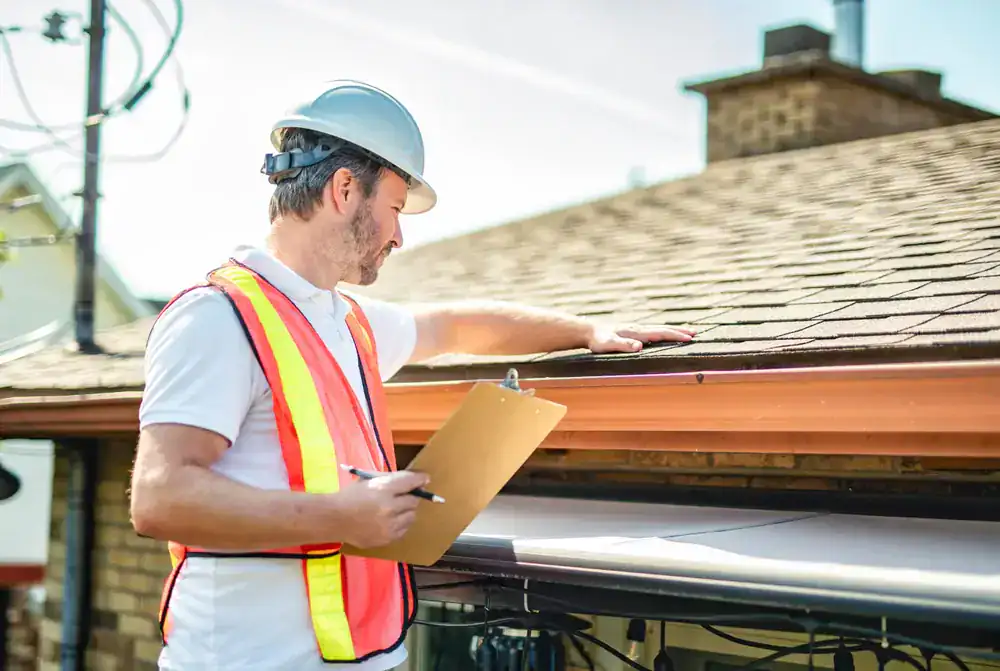
When we arrive, we inspect your roof from the ground first, then get up there to check the details. We’re looking at shingles, flashing, valleys, vents, and anywhere water could sneak in. We check for soft spots, granule loss, and any signs that your roof is aging faster than it should.
Inside, if you’re noticing stains or smells, we trace them back. Sometimes the problem isn’t where the water shows up.
After the inspection, we walk you through what we found. If something needs attention, we explain why, what happens if you wait, and what it costs to fix. If your roof looks good, we tell you that too. You’ll get a written report either way, so you have documentation for your records or your insurance company.
Most inspections take under an hour. You’ll know where you stand before lunch.
Ready to get started?
What's Included in a Roof Inspection
Every roof inspection covers the full system. That means shingles, underlayment, flashing, gutters, vents, and chimneys. We’re not just looking for missing shingles—we’re checking for wear patterns, improper installation, and early signs of failure.
In Fanwood, weather does most of the damage. Winters are cold and wet, summers are humid, and storms roll through with enough wind to lift edges and crack sealant. We see a lot of ice dam damage on older homes, especially where insulation isn’t quite right. We also see a lot of moss and algae growth, which doesn’t always mean your roof is failing, but it’s worth keeping an eye on.
We also document everything. You get photos, notes, and a condition report. If you’re working with an insurance company after a storm, that report is what gets your claim moving. If you’re just doing routine maintenance, it’s proof you’re taking care of the property.
New Jersey changed its rules a few years ago—roof replacements no longer require a construction permit for single or two-family homes. That makes repairs faster when you need them, but it also means some contractors cut corners. A proper inspection catches that before it becomes your problem.

How much does a roof inspection cost in Fanwood, NJ?
Most roof inspections in New Jersey run between seventy-five and six hundred dollars, with the average around two hundred twenty. The price depends on roof size, pitch, and how accessible everything is.
We don’t charge for inspections. If you’re a homeowner in Fanwood and you need your roof looked at, we’ll come out for free. That includes a full walkthrough, a condition report, and a repair estimate if anything needs attention.
The goal isn’t to sell you a new roof. It’s to give you an honest assessment so you can make a smart decision. If your roof is fine, we’ll tell you. If it needs work, we’ll explain what and why, and you decide what happens next.
How often should I get my roof inspected?
Twice a year is the standard—once in spring, once in fall. That timing catches damage from winter storms and summer heat before it gets worse.
You should also schedule an inspection after any major storm. High winds can lift shingles, hail can crack them, and heavy rain can expose weak spots in your flashing. The damage might not be obvious from the ground, but it’s there, and it’ll get worse.
If your roof is older—say, fifteen years or more—you might want to inspect it more often. Materials break down over time, and catching small issues early can add years to your roof’s lifespan. Most roofs last anywhere from fifteen to fifty years depending on the material, but only if they’re maintained.
Some insurance companies also require annual inspections to keep your premiums low or maintain your coverage. Check your policy. If that’s the case, skipping an inspection could cost you more than the inspection itself.
What are the signs I need a roof inspection?
Water stains on your ceiling or walls are the big one. If you’re seeing discoloration, peeling paint, or damp spots, water is getting in somewhere. That usually means a leak, and leaks don’t fix themselves.
Missing or curling shingles are another sign. If you can see it from the ground, it’s worth a closer look. Same goes for granules in your gutters—those protect your shingles from UV damage, and when they start coming off in large amounts, your roof is aging.
Sagging areas, soft spots, or visible daylight in your attic are all red flags. So is mold or mildew, especially in the attic or along the roofline. Mold means moisture, and moisture means your roof isn’t doing its job.
If your roof is over twenty years old, get it inspected even if nothing looks wrong. Age alone is enough reason to check in. Better to catch a problem before it becomes an emergency.
Can I inspect my own roof?
You can, but it’s risky and you’ll probably miss things. Roof inspections require you to climb up, walk around, and know what to look for. If you’re not experienced, you could step on a soft spot, slip on wet shingles, or miss damage that’s hiding under the surface.
Most hidden roof problems can only be diagnosed by someone who’s done this a few hundred times. Flashing issues, underlayment damage, improper ventilation—these aren’t obvious unless you know where to look and what normal wear versus real damage looks like.
There’s also the safety factor. Falls from roofs are one of the most common causes of serious injury for homeowners. If your roof is steep, wet, or old, the risk goes up.
A professional inspection doesn’t just protect your roof—it protects you. We carry insurance, we have the right equipment, and we know how to move around up there without causing more damage. If something’s wrong, we’ll find it. If it’s fine, you’ll have peace of mind without putting yourself at risk.
Will my insurance cover roof inspection or repairs?
It depends on what caused the damage. If a storm, falling tree, or sudden event damaged your roof, your homeowners insurance will usually cover repairs. If the damage is from age, wear, or lack of maintenance, they probably won’t.
That’s why regular inspections matter. If you can show that you’ve been maintaining your roof and a storm caused new damage, your claim is much more likely to get approved. Without that documentation, the insurance company might argue the damage was pre-existing.
Some insurers in New Jersey now require annual roof inspections to keep your premiums low or even maintain your policy. If that’s in your policy and you skip the inspection, you could end up paying more each month—or facing a denied claim when you actually need coverage.
After a storm, get your roof inspected as soon as possible. We’ll document the damage, write up a detailed report with photos and cost estimates, and that makes filing your claim a lot easier. The faster you move, the faster you get the repairs done and the problem solved.
What happens if the inspection finds damage?
We walk you through it. You’ll see photos of what we found, an explanation of what’s wrong, and a clear breakdown of what it takes to fix it. No jargon, no runaround.
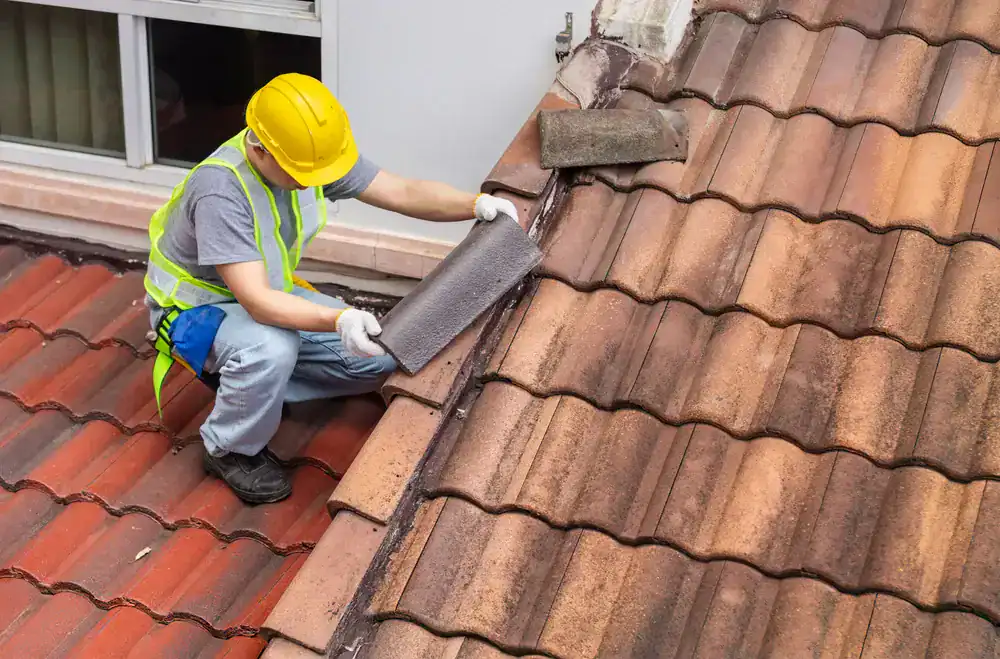
If it’s a small repair—a few shingles, some flashing, a vent that needs resealing—we’ll give you a price and a timeline. Most minor repairs can be done in a day or two, and they’re a lot cheaper than waiting until the problem spreads.
If the damage is more serious, we’ll talk through your options. Sometimes a section of the roof needs to be rebuilt. Sometimes the whole thing needs replacing. We’ll tell you what makes sense based on the age of your roof, the extent of the damage, and what you’re planning to do with the house.
You’re never obligated to move forward. The inspection is free, the estimate is free, and the decision is yours. Our job is to give you the information you need to make the right call. If you want to move forward, we’ll schedule the work. If you want a second opinion, that’s fine too. No pressure, no games.