
Gutter Replacement in Ridgefield Park, NJ
Century-Old Homes Here Don't Get a Second Chance at Drainage
Hear from Our Customers
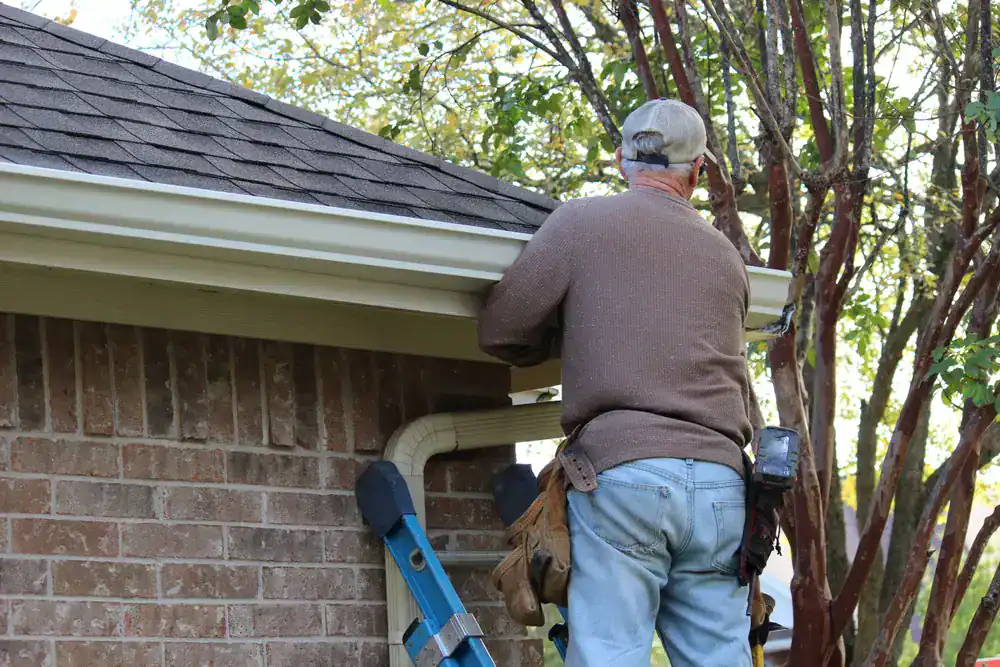
Rain Gutter Replacement, Bergen County NJ
Ridgefield Park sits on a peninsula wrapped by the Hackensack River and Overpeck Creek. Bergen County gets 48 inches of rain per year — 26% more than the national average. That water has to go somewhere, and if your gutters are failing, it’s going straight down your fascia boards and into your foundation. In a village where the municipality is actively separating its combined sewer system because stormwater overflow is a documented problem, your gutters aren’t just a home maintenance item — they’re part of a bigger water management picture.
More than 41% of homes in Ridgefield Park were built before 1939, and the median construction year sits around 1917. That means a lot of these homes have gutter systems that are decades past their useful life — some with original spike-and-ferrule fasteners that have been slowly pulling away from aging fascia boards for years. When gutters are replaced correctly, with proper pitch, secure fasteners, and downspouts positioned to move water well away from the foundation, you stop a cascade of downstream damage before it starts. Rotted fascia, basement seepage, and landscape erosion are all preventable — but only if the gutter system is actually working.
The other thing worth knowing: Bergen County averages 24 inches of snow per year. Ice dam formation at the gutter line is a real seasonal risk here, and gutters that are already compromised going into winter rarely come out of it intact. Getting ahead of that before fall is the smarter move.
Gutter Replacement Contractors in Ridgefield Park
We’ve been doing exterior renovation work across northern New Jersey for over ten years, with a primary focus on roofing. That means when we look at your gutters in Ridgefield Park, we’re not just looking at the trough. We’re evaluating the full drainage path: how your roof sheds water, whether your downspout placement makes sense, and whether your fascia can actually support a new system without needing repair first. That’s a different conversation than what most gutter-only companies bring to the table.
Ridgefield Park’s housing stock is some of the oldest in the state. The American Foursquares and early-century colonials along streets like Euclid Avenue weren’t built with modern drainage standards in mind, and replacing gutters on a 100-year-old home requires a different level of attention than a 1990s suburban build. We hold contractor licenses, manufacturer certifications, and carry full insurance — because working on older homes in a dense village like Ridgefield Park isn’t the place to cut corners. We offer free inspections so you know exactly what you’re dealing with before any commitment is made.

House Gutter Replacement Process, Ridgefield Park NJ
It starts with a free inspection. We get up close — not a glance from the driveway — and look at the gutters themselves, the fascia boards behind them, the pitch of the existing system, and where water is actually going when it rains. On homes built in the 1910s and 1920s, it’s common to find fascia damage that wasn’t visible from the ground, or a drainage slope that’s been settling out of alignment for decades. You get a clear picture of what’s there before we talk about what to do about it.
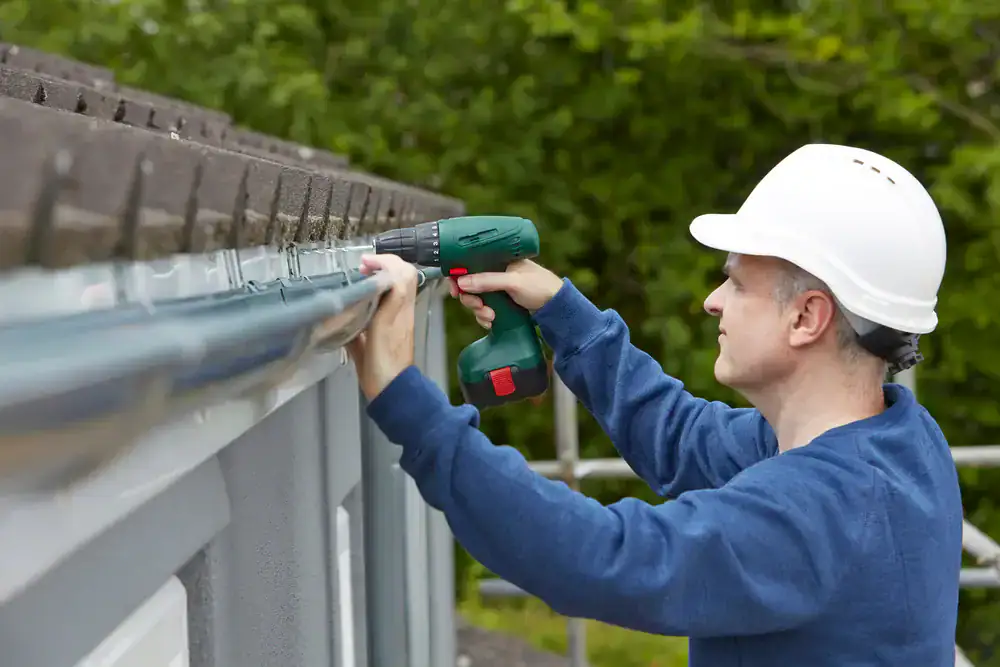
From there, we fabricate seamless aluminum gutters on-site, cut to the exact measurements of your home. No pre-cut sections, no seam points every few feet where leaks start. The installation is done with hidden hanger systems — not the spike-and-ferrule fasteners that older Ridgefield Park homes often still have — so the gutters stay anchored through Bergen County winters without pulling away from the fascia over time. Downspouts are positioned to direct water at least four to six feet from your foundation, which matters more in Ridgefield Park than in most places given the peninsula’s water table and the village’s ongoing stormwater management challenges.
Because many Ridgefield Park residents commute and aren’t home during the day, we communicate clearly about scheduling and progress. The job gets done, the site gets cleaned up, and you do a final walkthrough so nothing is left to guesswork.

Ready to get started?
Roof Gutter Replacement Company, Ridgefield Park NJ
Every gutter replacement starts with a free professional inspection — not a sales pitch, but a real assessment of what’s there and what it needs. If your fascia boards are compromised (which is common in Ridgefield Park’s pre-war housing stock), we identify that upfront so it’s addressed before the new system goes in. Installing gutters over rotted fascia is one of the most common mistakes homeowners discover after hiring a cheaper contractor, and it’s entirely avoidable with an honest first look.
The installation itself uses seamless aluminum gutters fabricated on-site to fit your home’s exact dimensions. Aluminum is the right material for Bergen County’s climate — it handles the freeze-thaw cycling, doesn’t rust, and carries a lifespan of 20 or more years when properly installed. Gutter guards are available if your home sits under the mature tree canopy that lines most of Ridgefield Park’s older residential streets, where fall leaf accumulation is a real and recurring maintenance issue.
Pricing is transparent and itemized. You’ll see exactly what you’re paying for — linear footage, material, downspout count, any fascia work identified during inspection — before the job starts. No vague estimates, no surprises at the end. New Jersey’s Home Improvement Contractor registration requirements apply to every project we take on, so you’re covered from a compliance standpoint as well.

How do I know if my gutters need full replacement or just repairs?
The honest answer is that it depends on what’s actually happening — and you can’t always tell from the ground. Gutters that are pulling away from the fascia, visibly sagging, or showing rust and cracks along the seams are usually past the point where repairs make financial sense. If you’re patching the same section every year, the cost of repeated repairs often exceeds what a full replacement would have run.
In Ridgefield Park specifically, the age of the housing stock changes this calculation. On a home built in the 1920s or 1930s, the gutters may have been installed or last replaced decades ago — and the fastening system holding them to the fascia may be failing at multiple points simultaneously, not just in one visible spot. A professional inspection is the only way to know for certain. We offer free inspections precisely because this question deserves a real answer, not a guess from the driveway.
What does gutter replacement typically cost for a home in Ridgefield Park, NJ?
For most single-family homes in Ridgefield Park, gutter replacement runs somewhere between $1,000 and $2,400 depending on the linear footage, the number of downspouts, the material, and whether any fascia repair is needed before installation. The American Foursquares and older colonials that make up most of Ridgefield Park’s residential stock tend to have more roofline complexity than newer suburban builds, which can affect the total linear footage and the time required to do the job correctly.
The number that matters most isn’t the upfront cost — it’s what deferred replacement ends up costing. Foundation repair runs thousands. Basement waterproofing runs more. Fascia replacement adds to the bill if gutters are left to fail long enough. Getting an accurate, itemized estimate before you decide gives you a real basis for comparison, and we provide those estimates at no charge.
How long does a gutter replacement take on an older Bergen County home?
Most standard gutter replacement jobs on a single-family home are completed in one day. The timeline can shift slightly on older homes with more roofline complexity or if fascia repair is needed before installation — both of which are more common in Ridgefield Park’s pre-war housing stock than in newer construction. If fascia work is required, that’s identified during the initial inspection so you know the full scope going in, not mid-project.
Weather is also a real factor in Bergen County. We schedule around conditions because installing gutters in active rain or on frozen fascia boards doesn’t produce a quality result. Fall is the busiest season for gutter work in this area — homeowners preparing for winter and dealing with leaf accumulation from Ridgefield Park’s mature, heavily tree-lined streets — so booking earlier in the season typically means more scheduling flexibility.
Does gutter replacement in Ridgefield Park, NJ require a permit?
Gutter replacement itself generally does not require a separate building permit in most New Jersey municipalities, including Ridgefield Park. However, if fascia board replacement is part of the scope — which it often is on older homes in the village — that work may require a permit depending on the extent of the repair. The Ridgefield Park Building Department is located at 234 Main Street, and it’s worth confirming the specific requirements for your project scope before work begins.
What does apply to every home improvement project in New Jersey is the state’s Home Improvement Contractor registration requirement. Any contractor performing exterior renovation work in Ridgefield Park must be registered with the NJ Division of Consumer Affairs. We meet this requirement, which protects you legally and financially as a homeowner. It’s one of the first things you should verify when comparing quotes from any contractor.
What type of gutters work best for homes with heavy tree coverage in Ridgefield Park?
Ridgefield Park’s older residential streets are heavily tree-lined — mature oaks, maples, and other deciduous trees that shed heavily every fall. That leaf load is one of the most common reasons gutters fail prematurely in this village: gutters that fill with debris hold standing water, which accelerates corrosion, adds weight that pulls fasteners loose, and creates the conditions for ice dam formation once temperatures drop.
Seamless aluminum gutters are the right base choice for this environment — no seam points to catch debris, and aluminum handles Bergen County’s freeze-thaw cycling without cracking or rusting. Adding gutter guards on top of that is worth serious consideration for homes with significant tree coverage. The right guard system keeps the channel clear without requiring seasonal cleaning every few weeks. It’s not a universal recommendation for every home, but for a property sitting under a mature canopy in Ridgefield Park, it’s often a smart long-term investment.
Why does it matter who replaces my gutters if it's just a trough on the roof?
The “just a trough” framing is exactly how homeowners end up with gutters that fail in two years instead of twenty. Proper gutter replacement involves correct pitch so water actually flows toward the downspout instead of pooling. It involves downspout placement that moves water far enough from the foundation to prevent infiltration — especially important in Ridgefield Park, where the village sits on a peninsula with the Hackensack River and Overpeck Creek on either side and where the local water table is already influenced by surrounding waterways. It involves fasteners that will hold through Bergen County winters, not just look good in October.
On a home built in 1920, it also involves understanding what’s behind the gutters before the new system goes on. Fascia boards that have been absorbing water for years don’t always announce themselves visibly. A contractor who skips the inspection and goes straight to installation is setting you up for the same problem in a shorter timeframe. The quality of who does the work determines whether you’re making a 20-year investment or a 3-year one.