
Gutter Repair in Madison Hill, NJ
Stop Water Damage Before It Costs You Thousands
Hear from Our Customers
Professional Gutter Repair Services
You’re not just fixing gutters. You’re preventing foundation cracks, basement flooding, and mold growth that costs ten times more to repair than getting your gutters right now.
Madison Hill gets over 30 inches of rain annually, with July alone bringing more than 17 rainy days. When your gutters fail during that kind of weather, water pools around your foundation, seeps into basements, and saturates the soil until cracks start forming. That’s when a $400 gutter repair becomes a $4,000 foundation problem.
Properly functioning gutters move water away from your home exactly where it needs to go. Your landscaping stays intact. Your siding doesn’t rot. Your fascia boards stay solid, and you’re not dealing with ice dams when winter hits and temperatures drop below freezing for nearly half the year.
Licensed Gutter Contractor Madison Hill
We’ve spent a decade working on homes throughout Madison Hill and Morris County. We’re licensed, insured, and certified by major manufacturers because we know how to do this work correctly.
We’re a family-owned business, which means when you call, you’re talking to people who actually care about getting your gutters fixed right. No high-pressure sales tactics. No hidden fees that show up after we start the job.
We’ve handled everything from emergency storm damage repairs to full gutter replacements on colonial homes with heavy tree coverage. Madison Hill’s weather doesn’t mess around, and neither do we when it comes to protecting your home from water damage.

Our Gutter Repair Process
First, we come out and inspect your entire gutter system at no cost. We’re looking at seams, pitch, downspouts, fascia boards, and how water actually flows when it rains. You get a clear explanation of what’s wrong and what it’ll cost to fix it before any work starts.
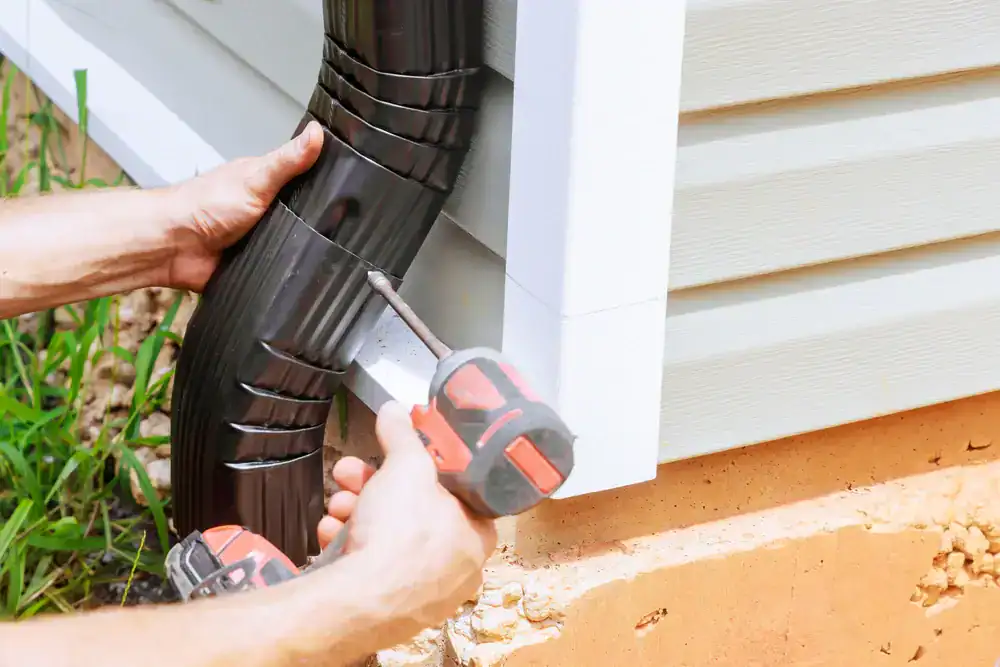
Once you approve the estimate, we schedule the repair at a time that works for you. Most gutter repairs take a few hours to a full day depending on what needs fixing. We’re talking about resealing leaking seams, adjusting pitch so water flows correctly, replacing damaged sections, fixing loose hangers, or repositioning downspouts.
After the work’s done, we test the system to make sure water moves through your gutters and away from your foundation properly. You’re not guessing whether it’ll work when the next storm hits. We clean up completely, and you get a home that’s protected from water damage the way it should be.

Ready to get started?
What's Included in Gutter Repair
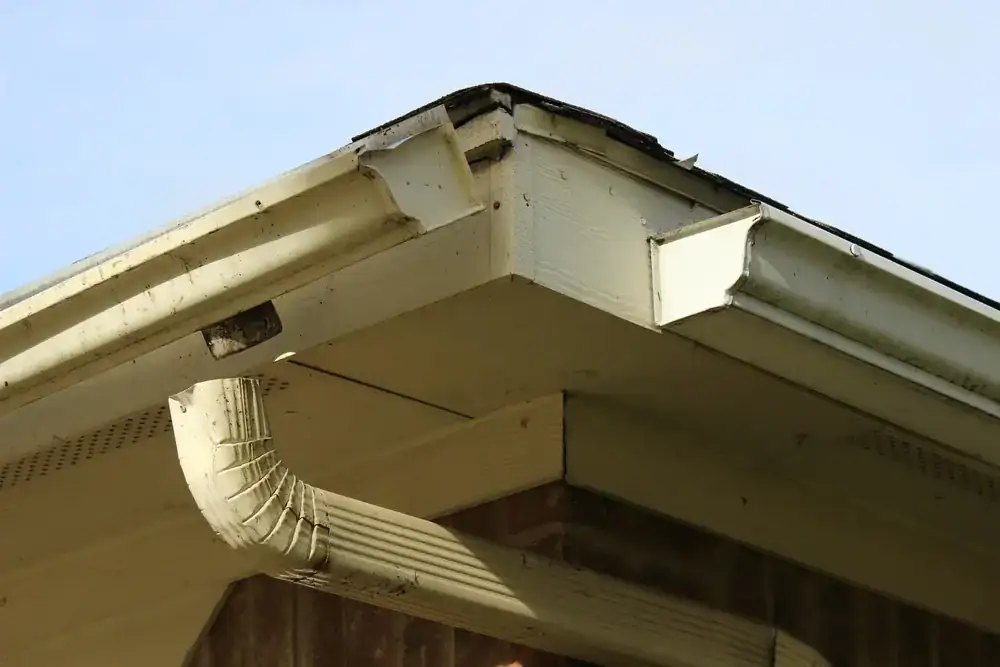
Most gutter problems in Madison Hill come from a handful of issues: incorrect pitch that causes standing water, leaking seams where sections connect, sagging from clogged debris, rotted fascia from years of overflow, or downspouts that dump water right next to your foundation.
We handle all of it. Seam repairs get properly sealed so they don’t leak during heavy rain. Pitch corrections ensure water flows toward downspouts instead of pooling in sections. Fascia board replacement happens when wood rot has set in from long-term water exposure.
If your gutters are clogged with leaves and debris from Madison Hill’s heavy tree coverage, we clear that out before making repairs so we can see what’s actually damaged. Downspouts get repositioned or extended to move water at least six feet away from your foundation.
You also get honest advice about whether a repair makes sense or if replacement is the smarter move. We’re not trying to upsell you on a full replacement if a $300 repair solves your problem. But if your gutters are shot and you’re throwing money at temporary fixes, we’ll tell you that too.

How do I know if my gutters need repair or full replacement?
If you’re seeing one or two problem areas—a leaking seam, a sagging section, or a loose downspout—repair usually makes sense. These are isolated issues that don’t require tearing out your entire system.
Replacement becomes the better option when you’ve got multiple failing points, visible rust or corrosion throughout, cracks in several sections, or gutters that are pulling away from the fascia in more than a couple spots. At that point, you’re patching problems that’ll keep popping up elsewhere.
Age matters too. If your gutters are 20+ years old and showing wear, replacement gives you another two decades of protection instead of nursing an old system along with repairs every year. We’ll walk you through what makes sense for your specific situation during the free inspection.
What causes gutters to start leaking at the seams?
Seams leak when the sealant breaks down over time from temperature changes, UV exposure, and constant water flow. New Jersey’s freeze-thaw cycles are particularly hard on gutter seams because water expands when it freezes, pushing sections apart.
Clogged gutters make this worse. When debris blocks water flow, it sits in your gutters longer and puts constant pressure on seams. That standing water finds every weak point and starts leaking through.
Poor installation causes seam leaks too. If sections weren’t properly aligned or sealed from the start, you’ll see leaks within a few years instead of a decade or more. We reseal leaking seams with high-grade sealant and make sure the sections are properly aligned so the repair actually lasts.
Can you fix gutters during winter or do I have to wait until spring?
We can handle most gutter repairs year-round as long as temperatures are above freezing and conditions are safe to work. Sealants need certain temperatures to cure properly, so extremely cold days might require waiting for a warmer window.
Winter repairs often become necessary when ice dams form and cause immediate damage. If you’re seeing water backing up under shingles or icicles forming in strange places, that’s a problem that shouldn’t wait until spring.
Emergency repairs after winter storms happen all the time. Heavy snow and ice can pull gutters loose from fascia boards or cause sections to sag. We prioritize those calls because the damage gets worse every time it rains or snow melts if you leave it unaddressed.
How long does a typical gutter repair take?
Most gutter repairs take anywhere from two to six hours depending on what needs fixing. Resealing a few leaking seams might only take a couple hours. Replacing damaged sections, adjusting pitch, and fixing fascia boards can take most of a day.
We give you a time estimate during the initial inspection so you know what to expect. We’re not the type to show up, start work, and leave you guessing when we’ll be done.
Weather can affect timing. If it’s actively raining, we can’t properly seal seams or apply certain materials. We’ll reschedule rather than do subpar work that fails in a few months. You’re better off waiting a day for the repair to be done correctly than having us rush through it and create more problems.
Do you handle insurance claims for storm damage to gutters?
Yes, we work with homeowners on insurance claims regularly. Storm damage is one of the most common reasons gutters need emergency repair, especially after heavy winds, falling branches, or severe ice buildup.
We document the damage with photos and detailed notes that help support your claim. Insurance companies want to see exactly what’s damaged and why it needs repair or replacement. We provide that documentation along with a clear estimate.
The process usually involves your insurance adjuster coming out to assess damage. We can be there during that inspection to point out issues they might miss and answer technical questions. Once your claim is approved, we handle the repairs and work directly with your insurance company on the paperwork side so you’re not stuck in the middle.
What happens if you find rotted fascia boards during the gutter repair?
Rotted fascia is common when gutters have been overflowing or leaking for a while. Water runs down the back of the gutter and soaks into the wood until it starts rotting. You can’t just reattach gutters to rotted fascia—it won’t hold.
We replace the damaged fascia sections before reinstalling or repairing your gutters. This adds to the project cost, but it’s necessary. Skipping fascia repair means your gutters will pull loose again within months because there’s nothing solid holding them up.
We let you know about fascia damage during the initial inspection whenever possible, but sometimes rot is hidden behind the gutter and we don’t see it until we start the repair. When that happens, we stop, show you the problem, explain what it’ll cost to fix, and get your approval before moving forward. No surprise bills after the work is done.
Other Services we provide in Madison Hill