
Siding Installation in Stony Hill, NJ
Ridge-Level Homes in Stony Hill Demand More Than Standard Siding
Hear from Our Customers
Siding Contractors in Stony Hill, NJ
Old or failing siding isn’t just an eyesore — it’s a slow drain on a home you’ve put serious money into. Water finds its way behind warped panels, insulation loses its grip, and what starts as a cosmetic issue turns into a structural one. In a neighborhood like Stony Hill, where homes carry real value, that’s not a risk worth sitting on.
Homes along the Watchung Ridge face stronger wind exposure than the valley communities below — and that matters when it comes to how siding is fastened, sealed, and flashed. Panels that aren’t installed with that elevation in mind tend to fail faster. You end up with gaps, moisture intrusion, and energy bills that creep up every winter. When we get the installation right, those problems don’t follow you.
The other thing most homeowners in Stony Hill notice right away is curb appeal. In a market where Watchung homes regularly list above $600,000, your exterior is doing real work for your property’s value. Fresh siding that’s properly installed and correctly matched to your home’s profile makes a visible difference — not just aesthetically, but financially.
Local Siding Company in Watchung, NJ
We’ve been doing exterior renovation work in New Jersey for close to ten years, with deep roots in Somerset County and the Stony Hill area. That’s not a number thrown out to sound impressive — it means there’s a track record here. Real homeowners, real projects, real reviews you can read before you ever pick up the phone.
We’re family-run, which means the people responsible for your project are accountable for the outcome. You’re not dealing with a rotating crew or a call center. You’re working with a team that takes the work seriously because our name is attached to it — in Stony Hill and every community we serve.
Licensing, insurance, and manufacturer certifications aren’t afterthoughts for us. They’re part of how we operate. For homeowners in Stony Hill and throughout the Watchung area, that means your project is covered legally, your warranty is backed properly, and the contractor showing up to your home has been vetted — not just by the state, but by the manufacturers whose materials we install.

Residential Siding Contractors in Stony Hill, NJ
It starts with a free inspection. A lot of Stony Hill homeowners aren’t sure whether they need a repair or a full replacement — and that’s exactly what this step is for. Someone comes out, looks at what’s actually going on with your siding, and gives you a straight answer. No pressure, no upsell. Just an honest assessment of where things stand and what makes sense for your home.
If replacement is the right call, you’ll get a written estimate that spells out exactly what’s included — materials, labor, removal, disposal, and all associated work. In New Jersey, full siding replacement typically requires a building permit, and we handle that process as part of the project. You’re not left to figure out Watchung Borough’s Construction Office on your own.
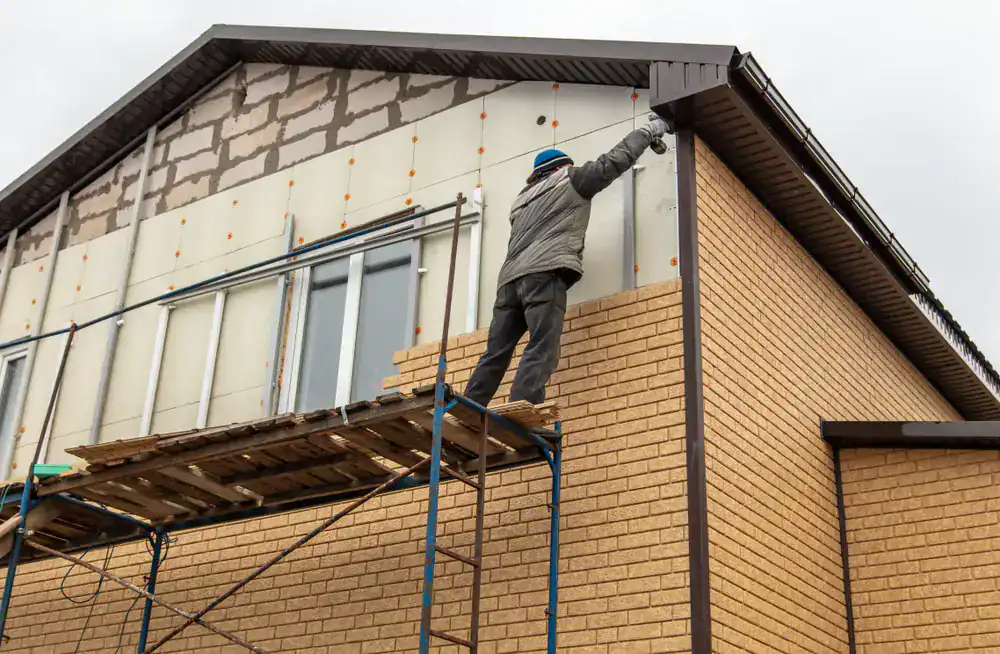
Once the work begins, our crew works through a defined process: removing existing panels, inspecting the substrate underneath for any moisture damage or rot, installing the appropriate housewrap and moisture barrier, then fitting and fastening the new siding with the precision that ridge-elevation homes require. When the job is done, the site gets cleaned up and you do a walkthrough. The number on your final invoice matches the number on your estimate.

Ready to get started?
Vinyl Siding Contractors in Stony Hill, NJ
Not every siding material performs the same way in every environment — and Stony Hill is a specific environment. Homes on the Watchung Ridge deal with temperature swings that push vinyl’s thermal expansion limits, wind-driven rain that tests every seam and fastener, and humid summers that create the exact conditions where moisture problems start behind the wrong cladding.
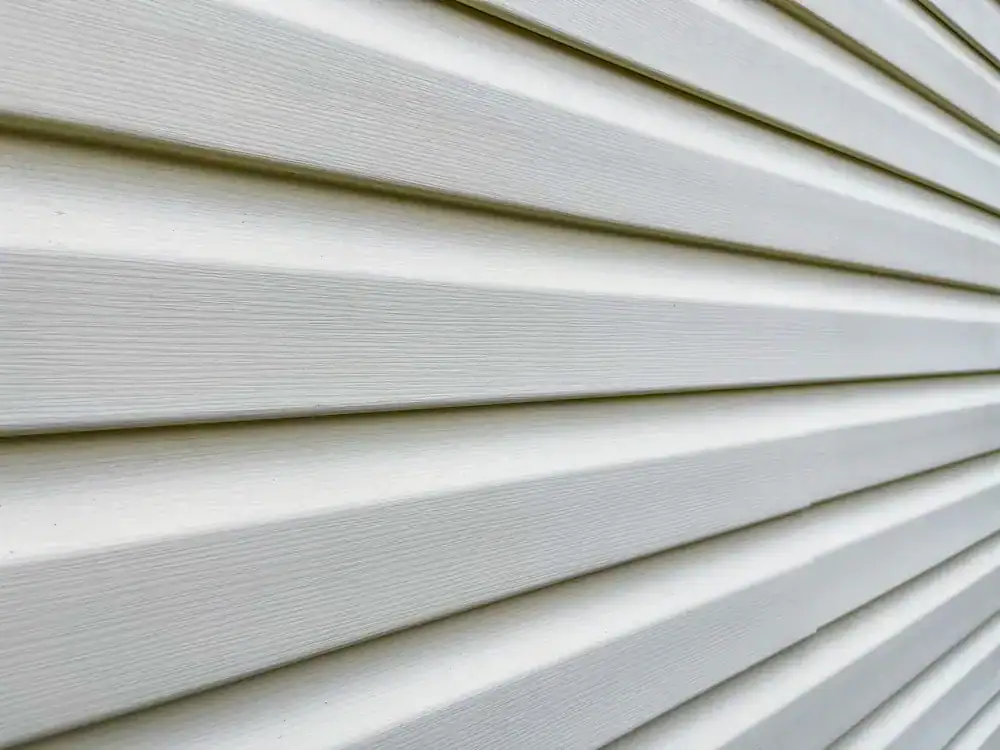
Vinyl siding is the most common choice for good reason — it’s durable, low-maintenance, and holds up well through New Jersey winters when it’s installed correctly. Insulated vinyl adds a layer of thermal performance that makes a real difference in homes where heating costs are already a concern. Fiber cement is worth the conversation for homeowners who want the look of wood without the maintenance demands, and its moisture resistance is a genuine advantage in a climate like this one. The recommendation we give will be based on your home, your exposure conditions, and your budget — not on what carries the highest margin.
Every installation we complete includes proper moisture barrier application, correct flashing at windows, doors, and rooflines, and fastening that accounts for the wind loads this area sees. These aren’t optional steps — they’re what separates an installation that lasts from one that causes problems in year three.

Does siding installation in Stony Hill, NJ require a building permit?
In most cases, yes. Full siding replacement in Watchung Borough is generally considered a significant alteration to the building envelope under New Jersey’s Uniform Construction Code, which means a building permit is typically required. The permit is applied for through Watchung Borough’s Construction Office, and skipping that step can create real problems — particularly when it’s time to sell the home and a Certificate of Approval is needed.
The reason this matters beyond just compliance is that unpermitted work can also complicate homeowner’s insurance claims tied to the exterior. We handle the permit application as part of our project process, so you’re not left navigating the borough’s requirements on your own. It’s one less thing to manage, and it protects you legally from the start of the project through the eventual sale of your home.
How do I know if my siding needs to be repaired or fully replaced?
The honest answer is that it depends on what’s actually happening — and that’s not something you can always determine from a visual check alone. Cracked or warped panels, visible gaps around windows or door frames, fading that’s gone past cosmetic, and moisture staining on interior walls are all signs worth taking seriously. If your energy bills have been creeping up, failing siding could be part of the reason.
For homes in Stony Hill with older housing stock — many of which were built in the mid-to-late 20th century — the siding may simply be at or past the end of its useful life. Vinyl siding typically lasts 20 to 40 years depending on installation quality and exposure conditions. Given the wind and freeze-thaw stress that ridge-elevation homes in Watchung deal with, that range can skew shorter. A free inspection gives you a professional read on what’s actually going on before you commit to anything.
What siding material holds up best against New Jersey winters?
For homes in the Watchung area specifically, the material conversation has to account for ridge-level conditions — stronger wind exposure, heavier snow accumulation, and more pronounced freeze-thaw cycling than surrounding valley communities. Vinyl is the most widely installed option and performs well when it’s properly fastened and sealed. The key word is properly — vinyl installed without accounting for thermal expansion in NJ’s temperature swings can buckle or gap over time.
Insulated vinyl adds a layer of thermal performance that’s genuinely useful in a climate like this, and it holds its shape better under temperature stress than standard vinyl. Fiber cement is a strong option for homeowners who want superior moisture resistance and a more substantial look — it doesn’t expand and contract the way vinyl does, and it handles wind-driven rain without the same vulnerabilities. The right choice depends on your home’s specific exposure and what you’re trying to accomplish long-term.
How long does siding installation take on a typical home in Stony Hill?
For most single-family homes in Stony Hill and the Watchung area — which tend to run three to five bedrooms on established lots — a full siding replacement typically takes two to five days from start to finish, depending on the size of the home, the material being installed, and whether any substrate repairs are needed once the old siding comes off.
Substrate repairs are worth mentioning specifically because they’re common in this area’s older housing stock. When existing siding is removed, it’s not unusual to find moisture damage or rot in the sheathing underneath — especially on homes that have had aging siding for a decade or more. If that’s discovered during your project, it gets discussed with you and approved before any additional work proceeds. It can add time to the timeline, but it’s work that needs to happen — and catching it during a siding replacement is far less expensive than catching it later.
Why does hiring a licensed siding contractor in Stony Hill, NJ actually matter?
New Jersey requires all home improvement contractors to be registered under the NJ Home Improvement Contractor program, administered by the Division of Consumer Affairs. Hiring an unregistered contractor removes your legal recourse under the Consumer Fraud Act if the work is deficient, the contractor walks off the job, or property damage occurs and goes unaddressed. In a market like Stony Hill, where homes carry significant value, that’s not a risk worth taking to save a few hundred dollars upfront.
Licensing also matters for warranty coverage. Manufacturer certifications — the kind that require demonstrated installation knowledge and ongoing quality compliance — are what unlock enhanced product warranties. An uncertified installer can put up the same brand of siding, but they can’t offer the same warranty coverage. For a home in Stony Hill worth $600,000 or more, the difference between a standard warranty and an enhanced one is a meaningful protection on a significant asset.
When is the best time of year to schedule siding installation in Watchung, NJ?
Spring and fall are the most popular windows — and for good reason. Temperatures are moderate, conditions are generally dry, and it’s easier to schedule work before the contractor calendar fills up. That said, spring booking lead times with quality contractors in Somerset County can run four to six weeks, so if you’re planning a spring project, reaching out in late winter puts you in a better position.
Summer is also a solid installation season — warm and dry conditions are ideal for most siding materials. The one seasonal note worth keeping in mind for Stony Hill specifically is winter installation. Vinyl becomes more brittle in freezing temperatures, which means cold-weather installs require extra care in how panels are handled and fastened. It’s not impossible to do quality work in winter, but it requires a crew that knows what they’re doing in those conditions. If you’re unsure about timing, a free inspection is a good starting point — it gives you a clear picture of your siding’s condition and helps you decide whether this is a now problem or a plan-ahead project.
Other Services we provide in Stony Hill