
Siding Installation in Park Village, NJ
Park Village Homes Need Siding Built for Coastal Conditions
Hear from Our Customers
Residential Siding Contractors in Park Village, NJ
New siding isn’t just about how your home looks — it’s about what stops happening. No more water finding its way behind aging panels. No more energy escaping through gaps that have been there since the Clinton administration. No more dreading the next nor’easter because you already know your exterior can take it.
Park Village homes face something most inland NJ communities don’t. Sayreville sits on a peninsula with open water on three sides, which means salt air, elevated humidity, and wind-driven moisture are part of daily life here. Siding that might last 30 years in a sheltered inland town can deteriorate noticeably faster when it’s pulling in coastal air year-round. The right material choice and the right installation method aren’t optional extras — they’re what determines whether your investment holds up or starts failing in five years.
A lot of the housing in Park Village was built in the decades after World War II, when clay companies sold off their land and Sayreville grew fast. That means a significant portion of homes in this neighborhood are working with siding that’s already past its useful life. When we install new siding correctly — with a proper moisture barrier, sealed trim, and fasteners set for thermal movement — we’re not just improving curb appeal. We’re closing the door on the kind of slow, compounding damage that turns a $500 repair into a $5,000 problem.
Local Siding Company Serving Park Village, NJ
We’ve been working on exteriors across New Jersey for about ten years, with deep roots in Middlesex County and throughout the communities where our customers live. That’s not a long time in some industries, but in contracting — where fly-by-night operators are common and reviews don’t lie — a decade of consistent work and a clean reputation means something real.
We’re family-driven, which in practice means the people responsible for your project are the same people whose name is attached to it. No rotating subcontractor crews. No disappearing after the deposit clears. Homeowners in Park Village and throughout Middlesex County have come to expect a straightforward experience: a real estimate, a real timeline, and a crew that treats your property with basic respect.
Roofing is the core of what we do, and that matters more than it might seem. A contractor who understands roofing understands how the entire exterior envelope works together — how flashing, siding, gutters, and housewrap interact. When we install siding on your Park Village home, we’re not just replacing panels. We’re looking at the whole picture.

Siding Installation Process in Park Village, NJ
It starts with a free inspection. We come out, look at your current siding, check for moisture intrusion or substrate damage behind the panels, and give you an honest read on what you’re dealing with. If your siding is repairable, we’ll tell you that. If it’s past the point of repair, we’ll explain why — and show you rather than just say it.
From there, you get a written estimate that breaks down everything: removal of the existing siding, substrate inspection and any necessary repairs, moisture barrier installation, the new siding material, trim work, and labor. That number doesn’t change unless something genuinely unexpected turns up behind the walls — and if it does, it gets discussed with you before any additional work happens. No surprises on the final invoice.
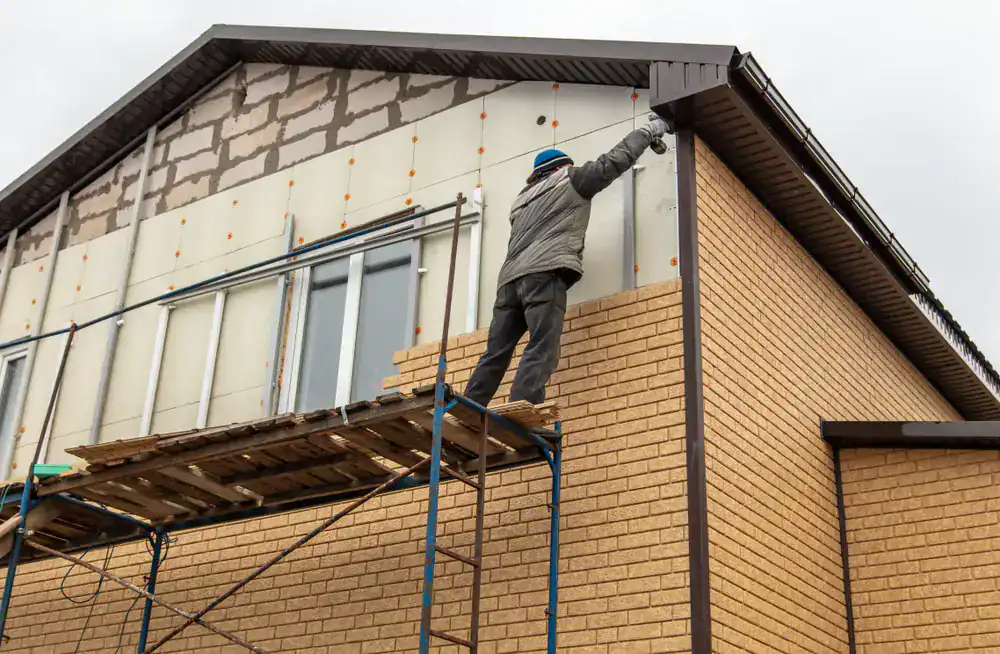
Once the project is underway, our crew works efficiently and keeps your property clean throughout. In Park Village, most full siding replacements require a building permit through the borough’s building department, and we handle that process as part of the job. When the work is finished, there’s a final walkthrough to make sure everything meets your expectations before anything is considered closed. For busy commuters heading out on the Parkway or Route 9 every morning, that kind of clear, managed process isn’t a luxury — it’s just how the job should be done.

Ready to get started?
Vinyl Siding Contractors in Park Village, NJ
Every siding installation starts with a full inspection of what’s already there. Before anything new goes up, we check the substrate — the sheathing and framing beneath your current siding — for rot, moisture damage, or compromised areas that would undermine a new installation if left unaddressed. In a coastal-adjacent environment like Park Village, where humidity and salt air accelerate the kind of slow moisture damage that hides behind the surface, this step isn’t optional. It’s the difference between a 30-year installation and one that starts showing problems in year seven.
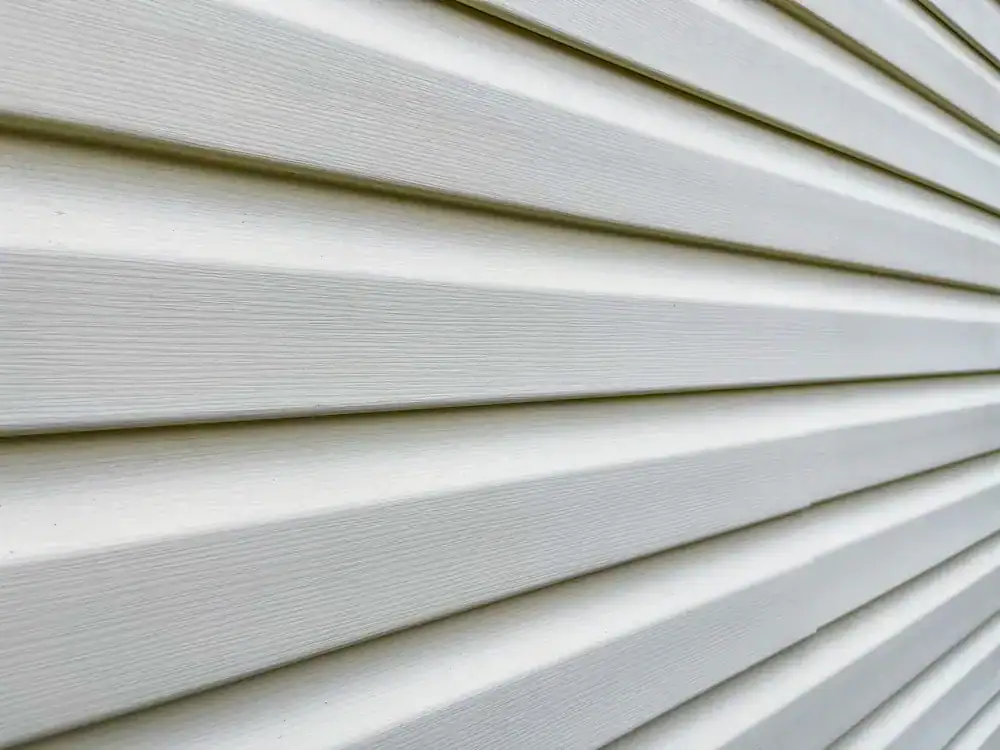
Material selection is part of the conversation, not a decision made for you. Vinyl siding is the most common choice for Park Village homes — it handles moisture well, requires minimal maintenance, and holds up through the freeze-thaw cycles that hit Middlesex County every winter. Fiber cement is worth discussing for homeowners who want a more substantial look or added fire resistance. Whatever direction you go, our installation includes a proper housewrap or moisture barrier, correctly set fasteners that account for thermal expansion, and fully sealed trim and transitions at windows, doors, and rooflines.
We also handle the permit process with the Borough of Sayreville’s building department, so you’re not left navigating that on your own. The completed work is documented, inspected, and properly on record — which matters when it comes time to sell your home.

Do I need a permit for siding replacement in Park Village, NJ?
In most cases, yes. The Borough of Sayreville requires permits for residential improvement projects, and a full siding replacement typically falls under that requirement. The permit process runs through the Sayreville Building Department, and inspections are scheduled through the borough’s inspection line. It’s not a complicated process, but it does need to be done — and skipping it can create real problems when you go to sell your home, since unpermitted work shows up during title searches and buyer inspections.
We handle the permit application as part of the project. You don’t have to figure out the paperwork, coordinate with the building department, or schedule the inspection yourself. It’s included in the process, and the completed work gets properly documented so your records are clean.
How long does siding installation typically take for a mid-size home?
For a typical Park Village home in the 1,500 to 1,700 square foot range, a full siding replacement usually takes two to four days depending on the condition of the substrate, the material being installed, and the complexity of the trim work around windows and doors. Homes with significant moisture damage or rot behind the existing siding may take longer because that substrate work has to be done before anything new goes up.
Weather is also a factor. Vinyl siding installation in extreme cold requires extra care because the material becomes brittle and more prone to cracking. Spring and fall are the most reliable windows for exterior work in Middlesex County, and those seasons book up quickly. If you’re thinking about a project for this year, getting an estimate early gives you more flexibility on scheduling.
What siding material works best for homes near the Raritan Bay area?
Vinyl is the most practical choice for most Park Village homeowners. It doesn’t absorb moisture, it doesn’t rust, and it holds up well against the salt air and humidity that come with living in a borough bordered by open water on three sides. It also requires very little maintenance beyond occasional cleaning — no repainting, no sealing, no annual treatments. For a commuter household that doesn’t have time to manage a high-maintenance exterior, that matters.
Fiber cement is worth a conversation if you want a more substantial look or you’re concerned about impact resistance. It handles moisture well when properly installed and sealed, but it does require periodic repainting — and in a coastal-adjacent environment, cut edges need to be carefully sealed to prevent moisture absorption. The right choice depends on your home, your budget, and how much ongoing maintenance you’re willing to take on. That’s exactly the kind of conversation the free inspection is designed to have.
How do I know if my siding needs repair or full replacement?
A few signs point clearly toward replacement rather than repair: widespread cracking or warping across multiple panels, siding that’s pulling away from the wall, visible mold or mildew that keeps coming back, or interior walls that show moisture staining without an obvious plumbing source. If your siding was installed in the 1980s or earlier, it’s likely past its useful life regardless of how it looks from the street — surface appearance doesn’t tell the whole story.
The honest answer is that you often can’t tell from a visual inspection alone. Moisture damage works from the inside out, and siding that looks passable on the surface can be hiding rot or compromised sheathing behind it. That’s why the free inspection matters — a trained eye can identify early warning signs that aren’t obvious to the homeowner but will become expensive if they’re left alone for another season or two.
What should I look for when hiring siding contractors in Park Village, NJ?
The first thing to verify is NJ Home Improvement Contractor registration. New Jersey law requires it, and the Borough of Sayreville enforces it — any contractor working on your home needs to hold a valid HIC license from the NJ Division of Consumer Affairs. You can look it up yourself on the state’s public contractor database. If a contractor can’t give you their registration number, that’s a clear signal to move on.
Beyond licensing, ask for proof of general liability and workers’ compensation insurance before anyone sets foot on your property. Siding crews work at height, and if someone is injured on your property and the contractor isn’t properly insured, you can be held liable. Get a written, itemized estimate — not a ballpark number — and make sure it spells out what’s included: removal, moisture barrier, material, trim, and labor. A contractor who’s vague about what’s in the price is usually vague about what’s in the work too.
How much does siding installation cost for a home in Park Village, NJ?
For a mid-size Park Village home in the 1,500 to 1,700 square foot range, a full siding replacement typically runs somewhere between $10,000 and $18,000 depending on the material you choose, the condition of the substrate, and the scope of the trim work involved. Vinyl installations generally come in toward the lower end of that range. Fiber cement tends to cost more because of the material itself and the additional labor required for proper installation and sealing.
What can push a project toward the higher end is substrate damage found during removal — rot, moisture-compromised sheathing, or framing issues that have to be addressed before new siding goes up. In Park Village, where a lot of homes were built in the postwar decades and have been exposed to coastal humidity for 50 or 60 years, that’s not an unusual finding. The free estimate and inspection will give you a clear number upfront, and if anything unexpected turns up during the project, it gets discussed with you before any additional work proceeds.
Other Services we provide in Park Village