
Siding Installation in Liberty Square, NJ
Your Liberty Square Townhome's Exterior Deserves More Than a Generic Fix
Hear from Our Customers
Siding Contractors in Liberty Square, NJ
When siding fails in Liberty Square, it rarely announces itself loudly. It starts quietly — a small gap near a panel seam, a subtle color fade on the south-facing wall, a draft you can’t quite locate. By the time most homeowners notice something is wrong, moisture has already been working its way behind the panels through a Bergen County winter.
That matters here specifically. Nor’easters push wind-driven rain and sleet into every imperfection along your exterior envelope. Then the freeze-thaw cycle takes over — water gets in, freezes, expands, and widens whatever opening it found. On a Pulte-built townhome in Liberty Square that’s now eight or nine years past its original construction, those small issues compound faster than most people expect. The builder’s workmanship warranty has likely expired, and now it’s on you.
Good siding installation stops that cycle before it becomes a substrate problem or a mold remediation bill. It also means your home holds its value — and in Liberty Square, where median property values are approaching $785,000, that’s not a minor consideration. Whether you’re planning to stay long-term or sell within the next few years, the condition of your exterior directly affects what your home is worth and what buyers see first.
Residential Siding Contractors in Liberty Square, NJ
We’ve been doing exterior work across Bergen County for close to ten years, including throughout Liberty Square and the surrounding Wood-Ridge area. That’s not a marketing number — it’s the kind of track record that only exists because the work holds up and customers come back. We’re family-operated, which means the people making decisions about your project are the same people accountable for the outcome.
We’re fully licensed under New Jersey’s Home Improvement Contractor registration requirements — a legal requirement that protects you, not just a credential on a website. We also carry manufacturer certifications, which matters when you’re dealing with newer construction like the townhomes throughout Liberty Square. Getting the installation right means knowing the materials, not just showing up with a crew.
Liberty Square homeowners have options. What sets us apart is straightforward: licensed, certified, family-run, and built on reviews from real customers — not ad spend.

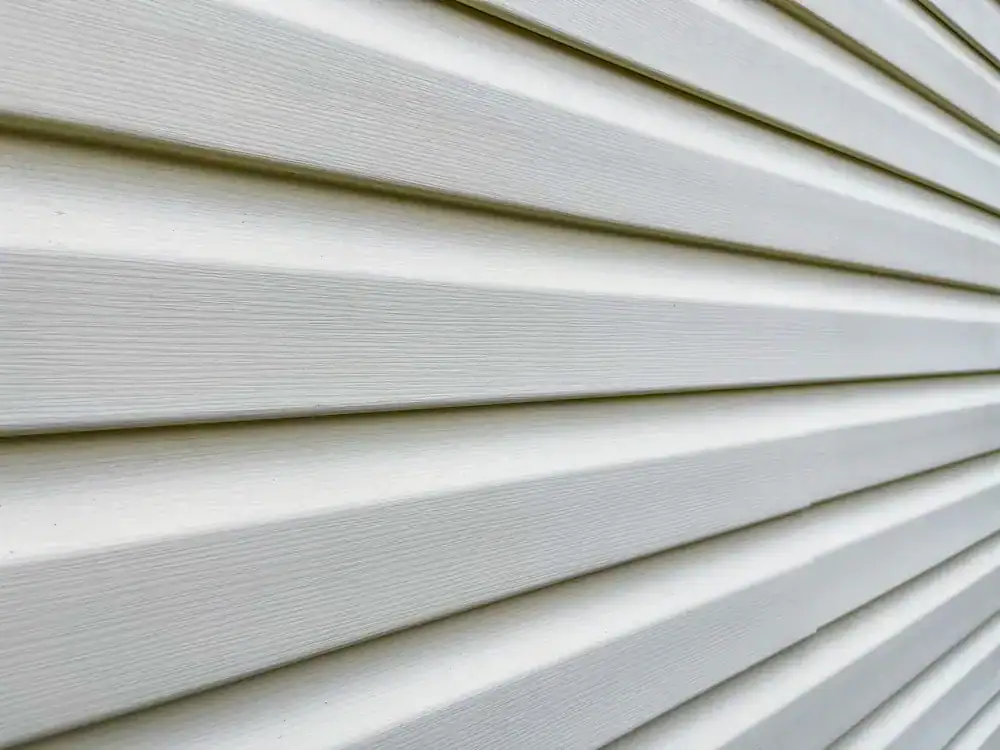
Vinyl Siding Contractors in Liberty Square, NJ
It starts with a free inspection. Before any estimate is written, we come out to look at what you’re actually dealing with — panel condition, flashing integrity, moisture barrier, trim, and any areas where water may have already found a way in. For Liberty Square townhomes, that inspection also takes into account what Pulte originally installed and what a repair or replacement needs to match.
From there, you get a written estimate. Not a ballpark, not a verbal range — a written number that explains what’s included and doesn’t change once the work starts. If the inspection uncovers something unexpected underneath the surface, that conversation happens before any additional work proceeds. You’re never handed a bill that doesn’t match what you agreed to.
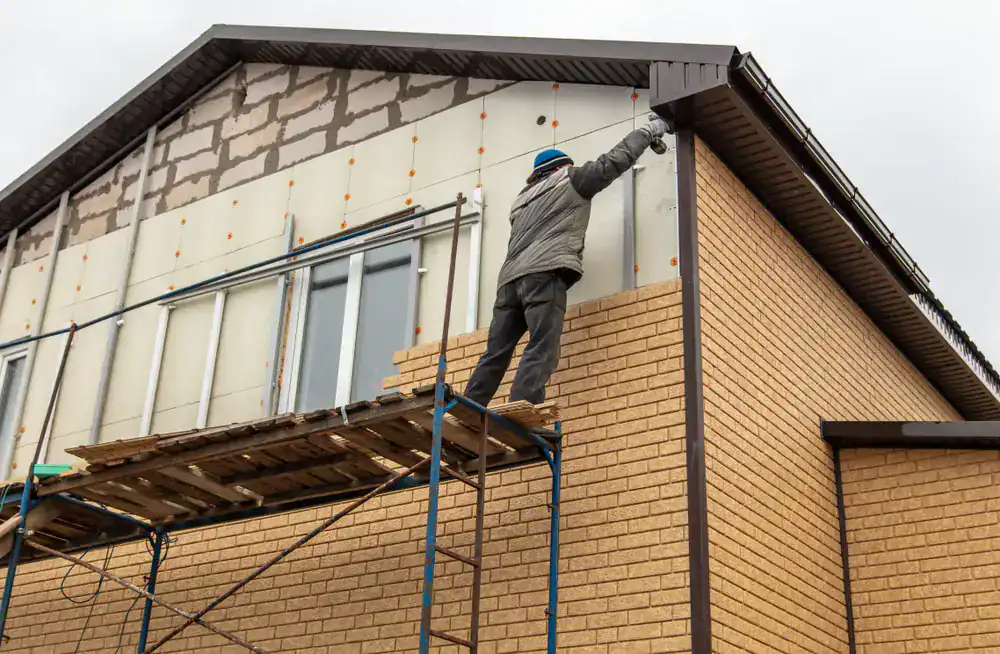
One thing worth knowing if you’re in Liberty Square: siding work typically requires a building permit through the Wood-Ridge Construction Department, and the Wesmont Station redevelopment plan adds its own layer of review. We handle that process. You shouldn’t have to manage permit paperwork on top of coordinating a project — and if your HOA requires approval for exterior modifications before work begins, we can provide the material specs and documentation that review boards typically ask for. Spring books fast in Bergen County. If you’re targeting this season, earlier is better.

Ready to get started?
Local Siding Installers Serving Liberty Square, NJ
Most homeowners in Liberty Square aren’t thinking about siding until something forces the conversation. When that moment comes, the material decision matters more than most people realize going in. We work with vinyl siding, insulated vinyl, fiber cement, and engineered wood — and the recommendation you get is based on your home’s actual situation, not on what carries the highest margin.
For townhomes in Liberty Square, matching existing Pulte-installed materials and finishes is often the first priority on a repair or partial replacement. On a full replacement, insulated vinyl is worth a real conversation — the foam backing reduces thermal bridging through wall studs, which translates to lower heating and cooling costs in a home that runs through Bergen County winters and humid summers. Fiber cement is another strong option for homeowners who want long-term durability and a finish that holds color well over time.
Every installation is backed by manufacturer warranties — but only when the work is done by a certified contractor to the manufacturer’s specifications. That’s not a small distinction. Improper installation voids those warranties entirely, leaving you with no coverage when you actually need it. Our certifications exist precisely so your warranty is real, not just a piece of paper.

Do I need a permit for siding installation in Liberty Square?
Yes, in most cases you do. The Borough of Wood-Ridge Construction Department requires building permits for exterior work, and siding installation or significant replacement generally falls under that requirement. You can confirm the specifics by contacting the Construction Department directly at (201) 939-5188 — permits are processed between 9:00 a.m. and 3:00 p.m.
If your home is located within the Wesmont Station redevelopment area — which includes Liberty Square — there’s an additional layer to be aware of. The Wesmont Station Redevelopment Plan governs exterior modifications in that zone alongside standard Wood-Ridge zoning regulations. A contractor unfamiliar with that distinction may not flag it, which can create problems down the line. We handle the permit process as part of the project, so you’re not left managing that on your own.
Does my Liberty Square HOA need to approve siding work before it starts?
Almost certainly, yes. Liberty Square operates under a homeowners association, and planned communities like this one typically require HOA approval before any exterior modification — including siding repair or replacement. That’s especially true if the work involves a color change, a material change, or anything that alters the visible exterior of your unit.
The approval process usually requires documentation: material specifications, color samples, and a description of the scope of work. Getting that together before scheduling anything is the right move, both to stay compliant and to avoid delays once the crew is ready to start. We can provide the documentation that HOA review boards typically ask for, which takes that step off your plate. If you’re unsure whether your specific project requires approval, the safest approach is to check with your HOA directly before any work begins.
How do I know if my Liberty Square townhome siding needs repair or full replacement?
The honest answer is that you often can’t tell just by looking at the surface. Fading, cracking, and warping are visible signs that something is wrong — but the more serious issues tend to hide behind the panels. Moisture infiltration, deteriorated moisture barriers, and substrate damage from freeze-thaw cycles don’t show up on the outside until they’ve already done real damage on the inside.
For Liberty Square townhomes specifically, this is worth taking seriously. The homes were built in 2016 and 2017, which puts them right around the point where builder workmanship warranties have expired or are expiring. That means the responsibility for catching and addressing exterior issues has shifted to you as the homeowner. A free inspection from a licensed contractor gives you an honest read on what’s actually happening — not a sales pitch, just a clear picture of what needs attention and what can wait. That’s the right starting point before any decision about repair versus replacement.
What siding materials hold up best in Bergen County's climate?
Bergen County’s climate puts real stress on exterior cladding. You’re dealing with nor’easters from October through April, freeze-thaw cycles that run through most of winter, and hot humid summers that create moisture pressure from the outside in. The material you choose needs to handle all of it — not just look good on day one.
Insulated vinyl siding performs well in this climate for a few reasons. The foam backing reduces thermal movement, which means less expansion and contraction through temperature swings, and it adds a layer of insulation that cuts heating and cooling costs. Fiber cement is another strong choice — it’s dimensionally stable, holds paint well over time, and doesn’t absorb moisture the way wood-based products can. Engineered wood offers a natural aesthetic with better moisture resistance than traditional wood, but it requires proper installation to perform as advertised. The right answer depends on your specific home, your budget, and how long you’re planning to stay. A good contractor walks you through the trade-offs honestly rather than defaulting to whatever’s easiest to install.
How long does siding installation typically take on a Liberty Square townhome?
For a standard townhome like those in Liberty Square, a full siding replacement typically runs two to five days depending on the size of the home, the material being installed, and what we find once the old siding comes off. Partial repairs or targeted panel replacements are usually faster — often completed in a day or two.
A few things can extend the timeline. If there’s moisture damage or substrate deterioration behind the existing panels, that needs to be addressed before new siding goes on — skipping that step creates the same problem again in a shorter timeframe. Weather is also a factor in Bergen County, particularly in spring and fall when nor’easters can push through on short notice. A good contractor builds reasonable weather flexibility into the schedule rather than promising a hard completion date that depends on a clear forecast. The permit process in Wood-Ridge also adds some lead time before installation can begin, which is another reason to start the conversation early if you’re targeting a specific season.
How much does siding installation cost in Liberty Square, NJ?
Siding installation costs vary based on the size of your home, the material you choose, and what’s found during the inspection. For a townhome in Liberty Square, a full vinyl siding replacement typically falls somewhere in the range of $8,000 to $15,000. Fiber cement tends to run higher — often $12,000 to $20,000 or more depending on scope — because the material costs more and the installation is more labor-intensive. Partial repairs and targeted replacements are priced separately based on the specific work involved.
In a community where home values are approaching $785,000, the cost of quality siding installation is a reasonable investment relative to what it protects. More importantly, the number you’re quoted should be the number you pay. We provide written estimates that don’t shift once the work starts — if something unexpected turns up during the job, that conversation happens before anything additional is done. There are no surprise line items at the end. That’s not a policy designed to impress you — it’s just how a professional contractor should operate, and it’s worth asking any contractor you’re evaluating whether they work the same way.
Other Services we provide in Liberty Square