
Siding Installation in Cranford, NJ
Cranford Homes Are Old. Your Siding Shouldn't Show It.
Hear from Our Customers
Residential Siding Contractors in Cranford
New siding isn’t just about how your home looks — it’s about what stops happening. No more moisture creeping in behind panels that have been warping since the ’90s. No more heat escaping through gaps that have widened through twenty-plus years of New Jersey freeze-thaw cycles. When the exterior is sealed properly, your home holds temperature better, your energy bills reflect it, and the structure underneath stays dry.
For Cranford specifically, that last point matters more than it does in most towns. The Rahway River doesn’t just flood streets — it raises the moisture baseline for the entire area. Homes near the river corridor have dealt with repeated water exposure, and what looks like surface-level siding wear is sometimes hiding sheathing damage underneath. A proper installation with a correctly placed moisture barrier isn’t optional here. It’s the difference between a project that protects your home and one that just covers the problem.
Beyond protection, there’s the value side. Homes in Cranford are sitting at median values close to $650,000. Buyers notice the exterior first. Siding replacement consistently ranks among the highest-return exterior projects you can do — and in a market like this one, that return is real money.
Local Siding Company Serving Cranford, NJ
We’ve been doing exterior work across Union County for about ten years. Not ten years of expanding into every service imaginable — ten years focused on the outside of homes, starting with roofing and extending naturally into siding because the two systems are connected. How your siding meets your roofline, how water moves at that transition, how flashing fails when installation is rushed — that’s the kind of thing you only understand after years of actually doing this work in this climate.
Cranford homeowners from the Nomahegan Park neighborhoods to the streets along the Rahway River corridor have trusted us because the process is straightforward: licensed under New Jersey’s Home Improvement Contractor requirements, fully insured, and honest about what your home needs before a single panel goes up. No inflated scopes. No disappearing after the deposit clears. The estimate you get is the number you pay.

Siding Installation Process in Cranford, NJ
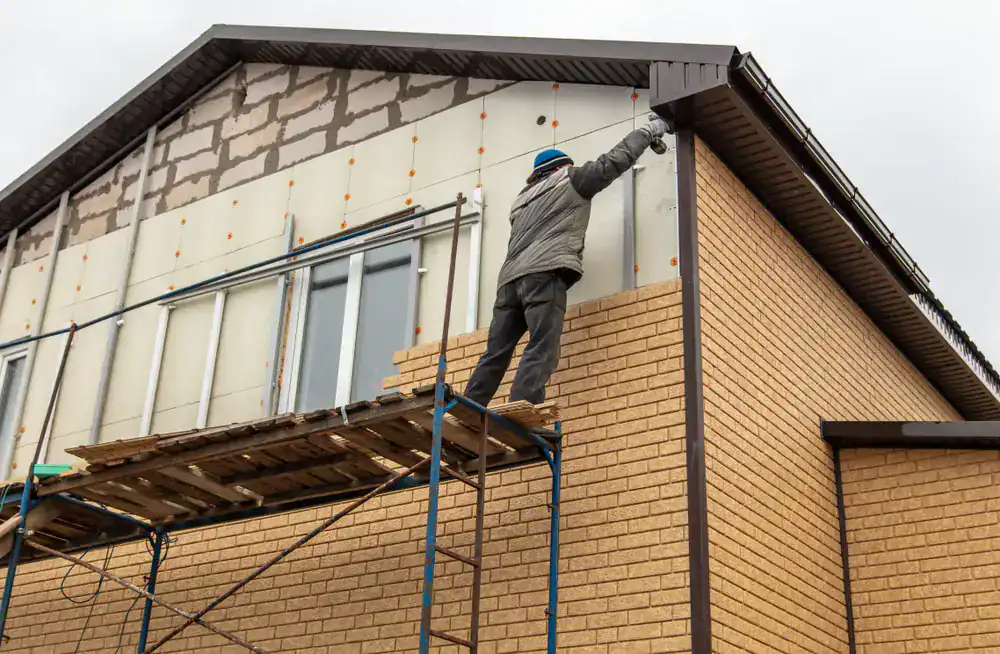
It starts with a free inspection. Not a sales visit — an actual look at your current siding, what’s behind it, and what your home genuinely needs. For older Cranford homes, this step matters. A house built in the 1950s may have original sheathing, degraded housewrap, or moisture damage from past flooding that needs to be addressed before new siding goes on. Skipping that assessment is how a siding job becomes a bigger problem six years later.
Once the inspection is done, you get a written estimate that breaks down the scope clearly. If full replacement is warranted, the permit process through Cranford’s Building Department is handled as part of the job — New Jersey’s Uniform Construction Code requires permits for full siding replacement, and that paperwork shouldn’t fall on you. Material selection happens before scheduling: vinyl, fiber cement, engineered wood — each option gets explained in plain terms based on your home’s architecture, your budget, and what actually holds up in a Northeast climate with hot humid summers and hard winters.
Installation is clean, sequenced, and done by the same crew that assessed the job. When it’s finished, you get a walkthrough. If something doesn’t look right, it gets fixed before anyone leaves.

Ready to get started?
Vinyl Siding Contractors in Cranford, NJ
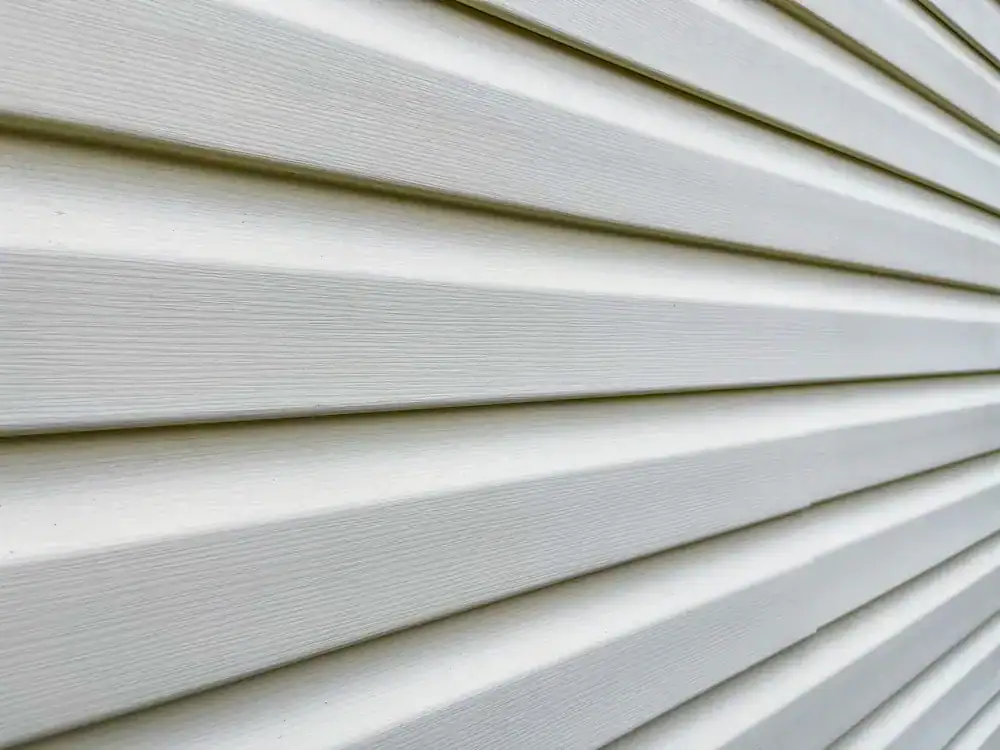
Vinyl siding is still the most widely installed option in the country, and for good reason — it’s cost-effective, low maintenance, and when it’s installed correctly with proper expansion gaps, it handles New Jersey’s temperature swings well. Insulated vinyl, in particular, adds a layer of thermal performance that older Cranford homes often lack. If your home is a 1950s colonial or cape cod and you’re not looking to dramatically change the exterior profile, vinyl is a strong, practical choice.
Fiber cement — James Hardie being the most recognized brand — is the step up for homeowners who want longer lifespan, fire resistance, and a more premium finish. It can be painted any color, it doesn’t warp or crack the way older materials do, and it holds up through decades of Union County winters without the maintenance cycle that wood demands. For homes closer to the Rahway River where moisture exposure is higher than average, fiber cement’s resistance to water damage makes it a genuinely smarter long-term investment.
Engineered wood products like LP SmartSide sit between the two — realistic wood aesthetics with better durability than natural wood and a price point that works for homeowners who want the look without the upkeep. Every recommendation we make is based on your specific home, not on what’s easiest to install or what carries the highest margin.

Do I need a permit for siding installation in Cranford, NJ?
Yes, in most cases. New Jersey’s Uniform Construction Code allows minor repairs — replacing less than 25% of your exterior wall with like material — without a permit. But full siding replacement, which is what most Cranford homeowners need given the age of the housing stock here, exceeds that threshold and requires a building permit from Cranford’s Building Department.
This isn’t something you should have to manage yourself. A licensed contractor handling your project should be familiar with the local process and pull the permit on your behalf. It also protects you in the long run — unpermitted work can surface as a problem during a home sale, and in a market where Cranford homes are selling at or near $650,000, that’s not a risk worth taking. We handle the permit process as part of the job.
How do I know if my Cranford home needs siding repair or full replacement?
The honest answer is that you often can’t tell from the street — and that’s exactly why a professional inspection matters before you commit to anything. Surface-level cracking or fading might be a repair. But in Cranford, where a significant portion of homes were built before 1955 and have experienced decades of freeze-thaw cycling and, for some, repeated Rahway River flooding, what looks cosmetic on the outside can be covering moisture damage, sheathing rot, or failed housewrap underneath.
The indicators that typically point toward full replacement include widespread cracking or warping across multiple panels, visible gaps at seams or corners, interior walls that feel cold or show moisture staining, and siding that’s simply 25 to 30 years old or more. If your home still has its original 1980s or early 1990s vinyl, it’s likely past its useful life regardless of how it looks. A free inspection will give you a clear, honest answer — not a push toward the more expensive option.
What siding material holds up best in New Jersey's climate?
New Jersey’s climate puts real stress on exterior cladding. Hot, humid summers promote mold and mildew growth on north-facing surfaces. Hard winters with repeated freeze-thaw cycles stress fasteners, create gaps at seams, and accelerate cracking in lower-grade materials. Nor’easters bring wind-driven rain that finds every weak point in the exterior envelope.
For most Cranford homeowners, insulated vinyl siding or fiber cement are the two strongest choices. Insulated vinyl handles the temperature swings better than standard vinyl because the foam backing reduces expansion and contraction stress. Fiber cement — particularly James Hardie products — is the most durable option available, with a lifespan of 50 or more years and strong resistance to moisture, fire, and impact. For homes near the Rahway River where ground-level moisture exposure is higher, fiber cement’s performance advantage is especially meaningful. Engineered wood is a solid middle-ground option for homeowners who want a wood-look exterior without the maintenance demands of natural wood in a wet climate.
How much does siding installation typically cost in Cranford, NJ?
Project costs vary based on material choice, home size, and what’s found during the inspection — but to give you a useful frame of reference: vinyl siding installation typically runs between $3 and $12 per square foot installed, while fiber cement runs between $6 and $16 per square foot. For a whole-home project on a typical Cranford colonial or cape cod, total costs commonly land between $10,000 and $25,000.
That range is wide because the variables are real. A home with solid sheathing and intact housewrap costs less to side than one where moisture damage has compromised the substrate and needs to be addressed first. The material you choose also moves the number significantly — vinyl and fiber cement are not the same investment. What you should expect from us is a written estimate that reflects the actual scope before work begins, not a number that shifts once the crew is on-site. That’s how we work: the estimate you receive is the price you pay.
Can flooding damage the siding on my home even if water didn't reach the walls?
Yes — and this is a question more Cranford homeowners should be asking. Direct flooding is the obvious concern, but the more common problem is what happens to moisture levels in the ground and air around a home after a flood event. When the Rahway River rises and recedes, it leaves elevated soil moisture that persists for weeks. That moisture wicks upward along foundation walls and into the lower sections of exterior cladding, especially in homes where the original moisture barrier has degraded or was never properly installed.
Over time, this repeated low-level moisture exposure causes the sheathing behind your siding to absorb water, swell, and eventually rot — without the siding panels themselves showing obvious damage from the outside. By the time it’s visible, the repair scope is significantly larger than a straightforward siding replacement. If your home is anywhere near the river corridor or in a low-lying part of Cranford, a professional inspection that looks at what’s behind the siding — not just the surface — is worth scheduling sooner rather than later.
Why should I hire a local siding company instead of a large regional contractor?
The practical difference comes down to accountability. A regional contractor with a Cranford landing page and a call center routing your questions to a regional manager is a different experience than working with a local siding company where the people responsible for your project are the same people you speak with when something needs to be addressed. In a township as tight-knit as Cranford, a contractor’s track record in this specific market means something.
There’s also the knowledge factor. Local siding installers who have been working in Union County for years understand the permit process at Cranford’s Building Department, know what the housing stock here actually looks like from the inside out, and have seen firsthand what this climate does to exterior cladding over time. That familiarity isn’t just a comfort — it affects the quality of the assessment, the accuracy of the estimate, and the decisions made during installation when something unexpected comes up. We’ve been building that track record in this area for about a decade, and the reviews reflect it.