
Roof Inspection in Plainfield, NJ
Plainfield's Historic Homes Deserve More Than a Generic Inspection
Hear from Our Customers
Certified Roof Inspector in Plainfield, NJ
Most homeowners in Plainfield don’t find out their roof has a problem until water is already inside. By then, what could have been a minor repair has turned into a full section replacement — or worse, structural damage to a home that’s been standing since the 1880s. A proper inspection catches the warning signs before that happens: cracked flashing around dormers, lifted shingles after a windstorm, granule loss building up in your gutters, or soft spots in the decking that aren’t visible from the ground.
For homes in Plainfield’s historic districts — the Van Wyck Brooks area, Sleepy Hollow, the Crescent neighborhood — this matters even more. These rooflines are steeper, more complex, and more demanding than anything built in the last 40 years. A checklist designed for a 1970s ranch isn’t going to catch what’s actually happening on a 130-year-old roof with original slate patches, multiple flashing repairs, and a chimney that’s been touched by five different contractors over the decades.
After the July 2025 storm emergency — which downed more than 80 trees across Plainfield and caused structural damage to homes throughout the city — a lot of roofs took hits that aren’t obvious from the street. Wind-driven debris, falling branches, and impact damage don’t always show up as a visible hole. Sometimes they show up six months later as a leak you can’t explain. An inspection now is the cleanest, most direct way to know what you’re actually dealing with.
Roof Inspection Company in Plainfield, NJ
We’ve been doing exterior work across New Jersey for over ten years — roofing, gutters, siding — and Plainfield is a market we know well. We’re licensed under New Jersey’s Home Improvement Contractor program, fully insured, and certified by major shingle manufacturers. That last part matters more than most people realize: manufacturer certifications are held by a small fraction of roofing contractors nationally, and they’re what allow us to offer extended warranty coverage that uncertified contractors simply can’t provide.
We’re a family business, which means the person responsible for the quality of your inspection is the same person whose name is attached to every job we do in Union County. We don’t subcontract our reputation out. If you’re in Netherwood Heights, near the Plainfield Station, or anywhere across the city — you get the same standard of inspection every time.

Licensed Roof Inspector in Plainfield, NJ
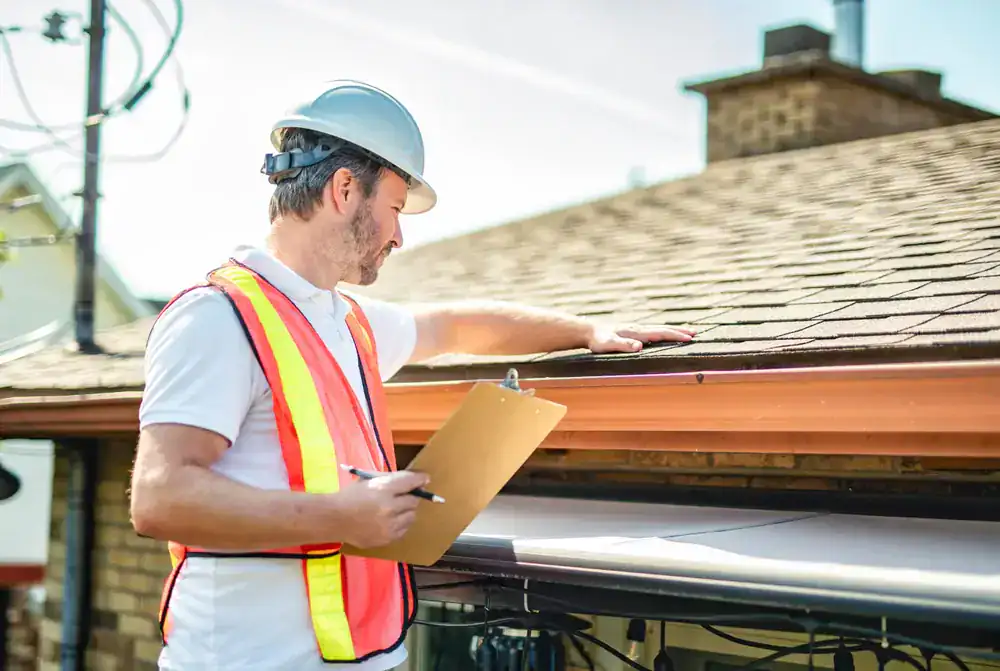
When we come out for a roof inspection in Plainfield, NJ, we’re not doing a quick visual scan from your driveway. We get on the roof. We check the shingles, the flashing at every transition point — chimneys, dormers, skylights, wall junctions — the gutters, the fascia, and the condition of the decking where it’s accessible. On Plainfield’s older homes, those transition points are where problems almost always start. A dormer flashing that’s been patched with the wrong material, a chimney cap that’s cracked through two freeze-thaw seasons — these are the things that cause leaks, and they’re the things a real inspection is designed to find.
After the inspection, you get a clear, honest assessment of what we found. If your roof is in solid shape, we’ll tell you that. If there are issues that need attention, we’ll walk you through what they are, what caused them, and what your options look like — including what’s required if your home falls within one of Plainfield’s designated historic districts, where roofing material choices are governed by the city’s Historic Preservation Commission guidelines.
For homeowners dealing with damage from the July 2025 storm, our inspection report is also structured to support insurance documentation. A written assessment from a licensed, certified roofing contractor carries weight with adjusters in a way that a verbal walkthrough simply doesn’t.
Ready to get started?
Roof Damage Inspection in Plainfield, NJ
A roof inspection in Plainfield, NJ covers the full exterior system — not just the shingles. We assess the roofing surface itself, looking at shingle condition, granule loss, cracking, curling, and any areas where material has lifted or separated. We check every flashing point, because on Plainfield’s older Victorian and Tudor-style homes, flashing is almost always where moisture finds its way in first. We also evaluate the gutters and downspouts, the soffit and fascia, and any visible signs of moisture intrusion or structural compromise in the areas we can access.
For homes in Plainfield’s historic districts — Van Wyck Brooks, Putnam-Watchung, Sleepy Hollow, and others — we factor in the city’s preservation requirements from the start. If your home has original slate or a roofline that falls under Historic Preservation Commission oversight, we’ll tell you exactly what material options are available and approved, including alternatives like Slateline asphalt shingles that the city has specifically recognized as compliant replacements. Replacing a genuine slate roof can run well over $100,000 — knowing your options before you commit to anything is exactly what this inspection is for.
The inspection is free. There’s no obligation attached to it. You get a real assessment from a licensed, certified roof inspection company in Plainfield, NJ — and then you decide what to do with the information.

Does my Plainfield home need a roof inspection after the July 2025 storm?
If your home is in Plainfield and experienced any wind, falling debris, or nearby tree strikes during the July 2025 storm — yes, an inspection is worth doing even if you don’t see obvious damage. The storm prompted a mayoral declaration of state of emergency, downed more than 80 trees across the city, and caused structural damage to homes throughout Plainfield. The problem with storm damage is that it isn’t always visible from the street or even from inside the house right away.
Wind-driven debris and impact from falling branches can crack shingles, displace flashing, or compress the roof deck in ways that don’t show up as an immediate leak. They show up weeks or months later, usually after the next hard rain. A professional roof damage inspection in Plainfield, NJ documents what’s actually there — which also matters if you’re filing an insurance claim, since a written assessment from a licensed contractor carries significantly more weight with adjusters than a verbal account.
How often should I schedule a roof inspection in Plainfield, NJ?
The general industry recommendation is twice a year — once in the spring after winter has done its work, and once in the fall before the next cold season begins. For Plainfield homeowners, that schedule makes real practical sense. Union County winters bring hard freeze-thaw cycles that expand and contract flashing, work shingles loose, and create ice dam conditions on steep-pitch roofs. By the time spring arrives, there’s often damage that accumulated gradually and quietly over several months.
Fall inspections matter just as much. Plainfield’s older housing stock — particularly homes in the Van Wyck Brooks and Sleepy Hollow areas — tends to have rooflines with multiple transition points and older materials that are more vulnerable going into winter. Catching a failing flashing joint or a compromised section of decking in October is a very different situation than discovering it in January during a nor’easter. Twice a year is the standard. After a major storm event, add an additional inspection to that calendar.
What are the roofing material rules for homes in Plainfield's historic districts?
Plainfield has six designated historic districts — the Crescent Area, Hillside, North Avenue, Van Wyck Brooks, Putnam-Watchung, and Sleepy Hollow — and homes within these districts fall under the oversight of the city’s Historic Preservation Commission. If you’re replacing roofing material on a home in any of these areas, the material choice isn’t entirely up to you. The Commission’s guidelines govern what’s acceptable, particularly when the original material is slate or another historically significant roofing type.
The good news is that the city has specifically recognized approved alternatives. Slateline asphalt shingles — designed to replicate the appearance of slate — are an accepted replacement option in Plainfield’s historic districts, and they come at a fraction of the cost of genuine slate, which can exceed $100,000 for a full replacement. A certified roof inspector in Plainfield, NJ who understands these requirements can tell you upfront what your options are, what’s compliant, and what the permit process through Plainfield’s Building and Construction Division at 508 Watchung Avenue will look like before any work begins.
What does a professional roof inspection actually include?
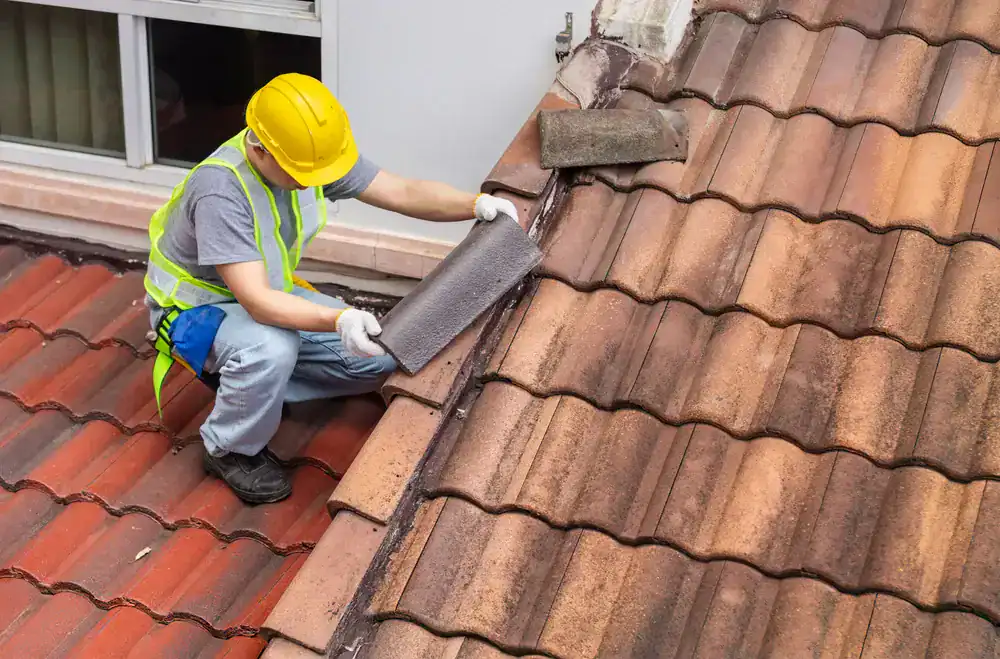
A real roof inspection goes well beyond a visual check from the ground. A licensed roof inspector in Plainfield, NJ should physically access the roof and assess the condition of the shingles across the entire surface — looking for cracking, curling, granule loss, and areas where material has lifted or separated. We check every flashing point: around the chimney, at any dormers or skylights, along wall junctions, and at the eave edges. Flashing failures are the most common source of roof leaks, especially on older homes with complex rooflines.
Beyond the roof surface itself, a thorough inspection should also cover the gutters and downspouts, the soffit and fascia, and any visible signs of moisture damage or structural compromise. On Plainfield’s older homes — many of which have had multiple roofing layers, repairs, and material changes over the decades — the inspection needs to account for that history. At the end, you should receive a clear written summary of what was found, what the condition of each component is, and what, if anything, needs attention.
How do I know if a roofing contractor in Plainfield is actually licensed?
In New Jersey, all home improvement contractors are required to be registered under the state’s Home Improvement Contractor program, administered by the NJ Division of Consumer Affairs. You can verify any contractor’s registration status directly through the Division’s online database — it’s a public record. What that registration means for you practically is that you’re protected under the New Jersey Consumer Fraud Act if something goes wrong. Homeowners who hire unregistered contractors lose that legal recourse entirely.
This matters especially in Plainfield right now. After a storm event like the one in July 2025, unlicensed operators tend to move through affected communities quickly — knocking on doors, offering fast assessments, and sometimes collecting deposits before disappearing. A licensed, insured roof inspection company in Plainfield, NJ with verifiable credentials and a documented local track record is a very different situation. Before any contractor gets on your roof, ask for their HIC registration number and verify it. It takes two minutes and it’s the most important check you can do.
Is a free roof inspection in Plainfield, NJ actually worth anything, or is it just a sales pitch?
That’s a fair question, and it depends entirely on who’s doing it. A free inspection from a contractor who inflates damage findings to justify a larger job isn’t worth much — it’s just a sales visit with a ladder. A free inspection from a licensed, manufacturer-certified contractor who will tell you honestly that your roof has several good years left if that’s the truth — that’s genuinely useful information.
We offer free roof inspections in Plainfield, NJ because we’ve built this business on reviews and referrals, not on one-time upsells. If your roof is fine, you’ll hear that. If there are issues, you’ll hear exactly what they are and why they matter. For Plainfield homeowners who are navigating storm recovery, insurance documentation, or the specific requirements of a historic district property — having a written, credentialed assessment at no cost is a real advantage. The inspection gives you information. What you do with it is completely your call.
Other Services we provide in Plainfield