
Gutter Installation in Kenilworth, NJ
Kenilworth's Aging Homes Deserve Gutters That Actually Work
Hear from Our Customers
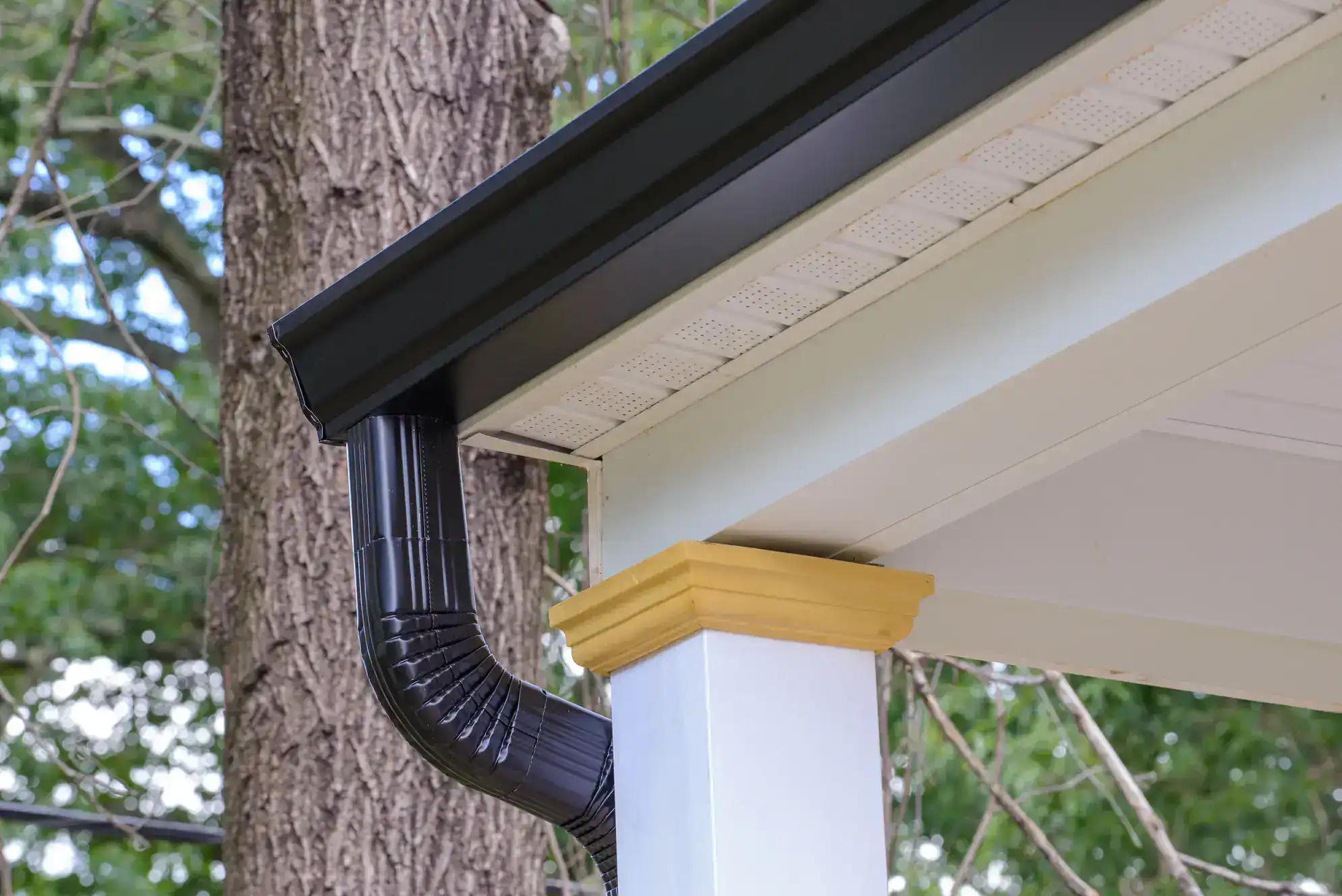
Rain Gutter Installation in Kenilworth, NJ
When gutters fail on a mid-century Cape Cod or split-level in Kenilworth, water doesn’t just run off the roof — it runs straight down your fascia boards, pools against your foundation, and eventually finds its way into your basement. In a borough where the stormwater management program exists specifically because local flooding is a documented concern, your gutters are doing more work than most homeowners realize.
Kenilworth’s mature tree canopy — the same one that makes the streets look great in October — loads aging gutter systems with debris every single fall. When those systems are already 30 or 40 years old, it doesn’t take much to push them past the point of repair. A clogged, sagging gutter during a summer microburst isn’t just an inconvenience. It’s the beginning of a much more expensive problem.
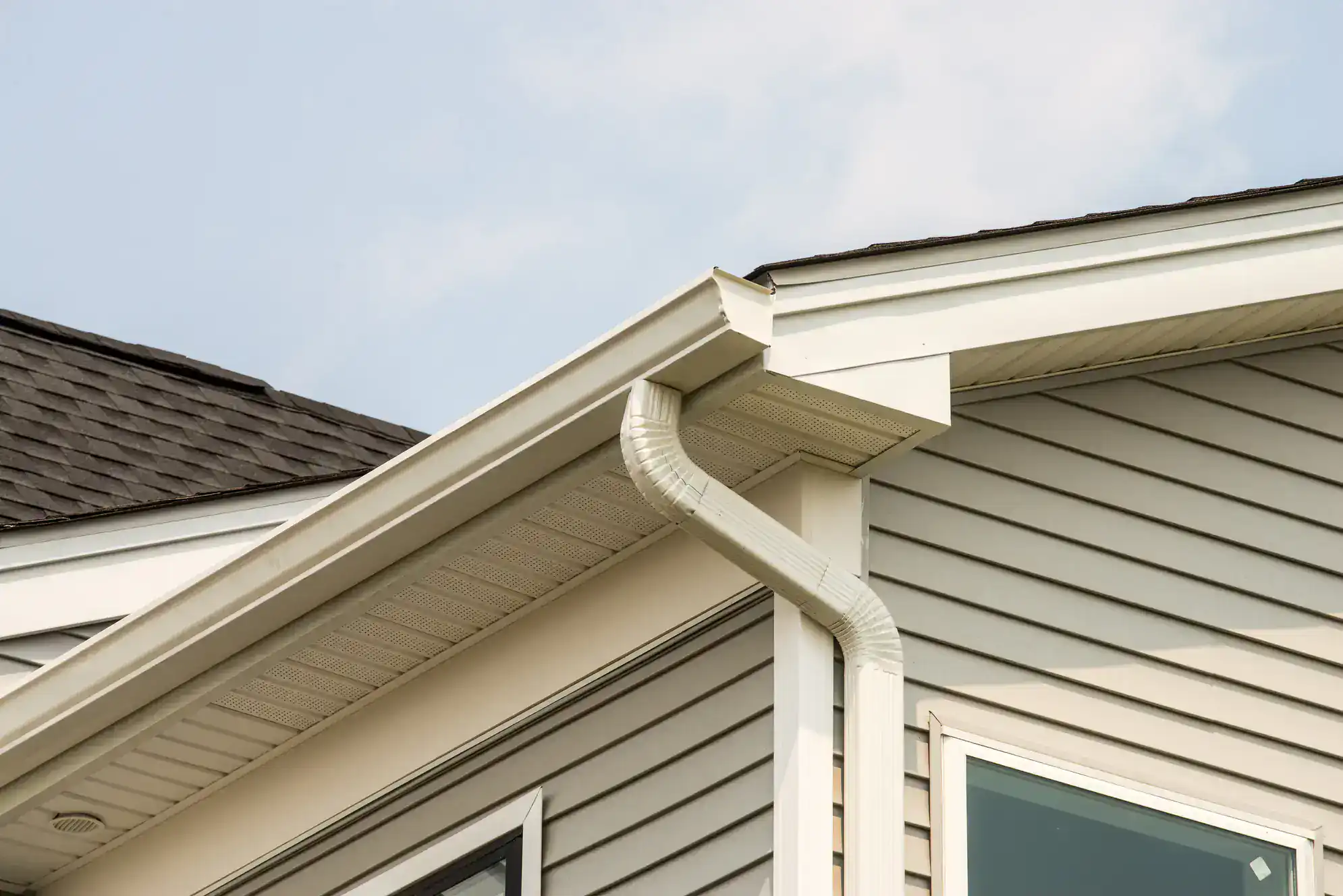
New seamless gutters, properly sized and correctly pitched for your specific roofline, change that equation entirely. Water goes where it’s supposed to go — away from your home, away from your foundation, and out of your basement. For a home worth what Kenilworth homes are worth today, that’s not a small thing.
Gutter Contractors in Kenilworth, NJ
We’re based in Elizabeth, NJ — less than ten miles from Kenilworth via the Garden State Parkway at Interchange 138. Over the past decade, we’ve spent our time doing exterior renovation work across Union County, including communities that border Kenilworth directly: Roselle Park, Hillside, Linden, and Cranford. We know the housing stock here. We’ve worked on the Cape Cods, the split-levels, the Colonial Revivals — and we understand exactly what decades of New Jersey weather does to the systems holding them together.
We’re a family-driven company that grew through referrals, not ad spend. We hold NJ Home Improvement Contractor License #13VH10605800, carry manufacturer certifications from major exterior material brands, and offer free inspections and written estimates with no obligation. You’ll know what we found, what we recommend, and what it costs before anything gets touched.
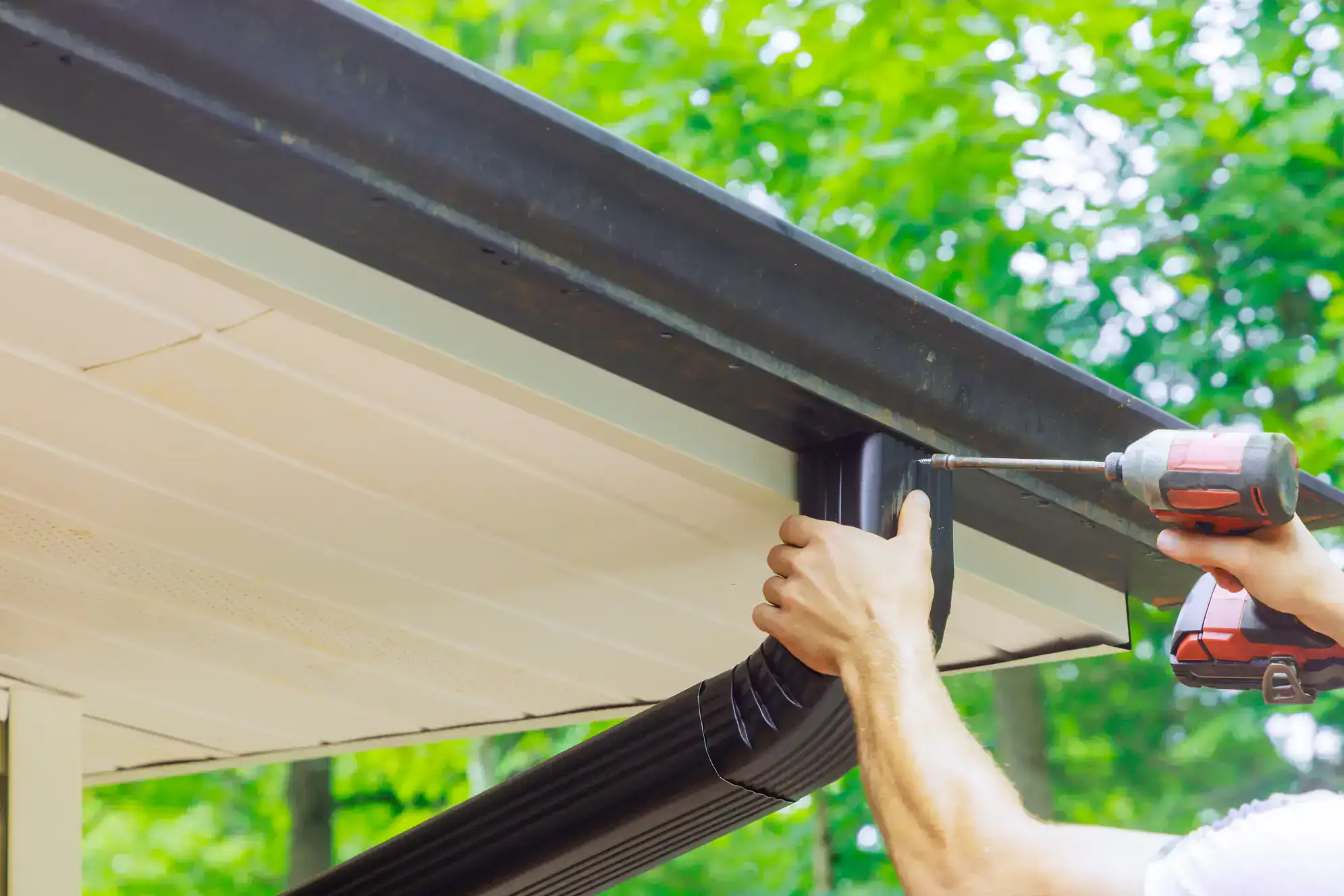
Home Gutter Installation in Kenilworth, NJ
It starts with a free inspection. When we come out to your Kenilworth home, we’re not just looking at the gutters — we’re evaluating the full picture. That means the roof’s water output, the condition of your fascia boards, how your downspouts are routed, and whether the drainage pattern is actually moving water away from your foundation. If your fascia boards are rotted — which is common on homes of this age — new gutters mounted to compromised wood will fail within a year. We catch that before installation, not after.
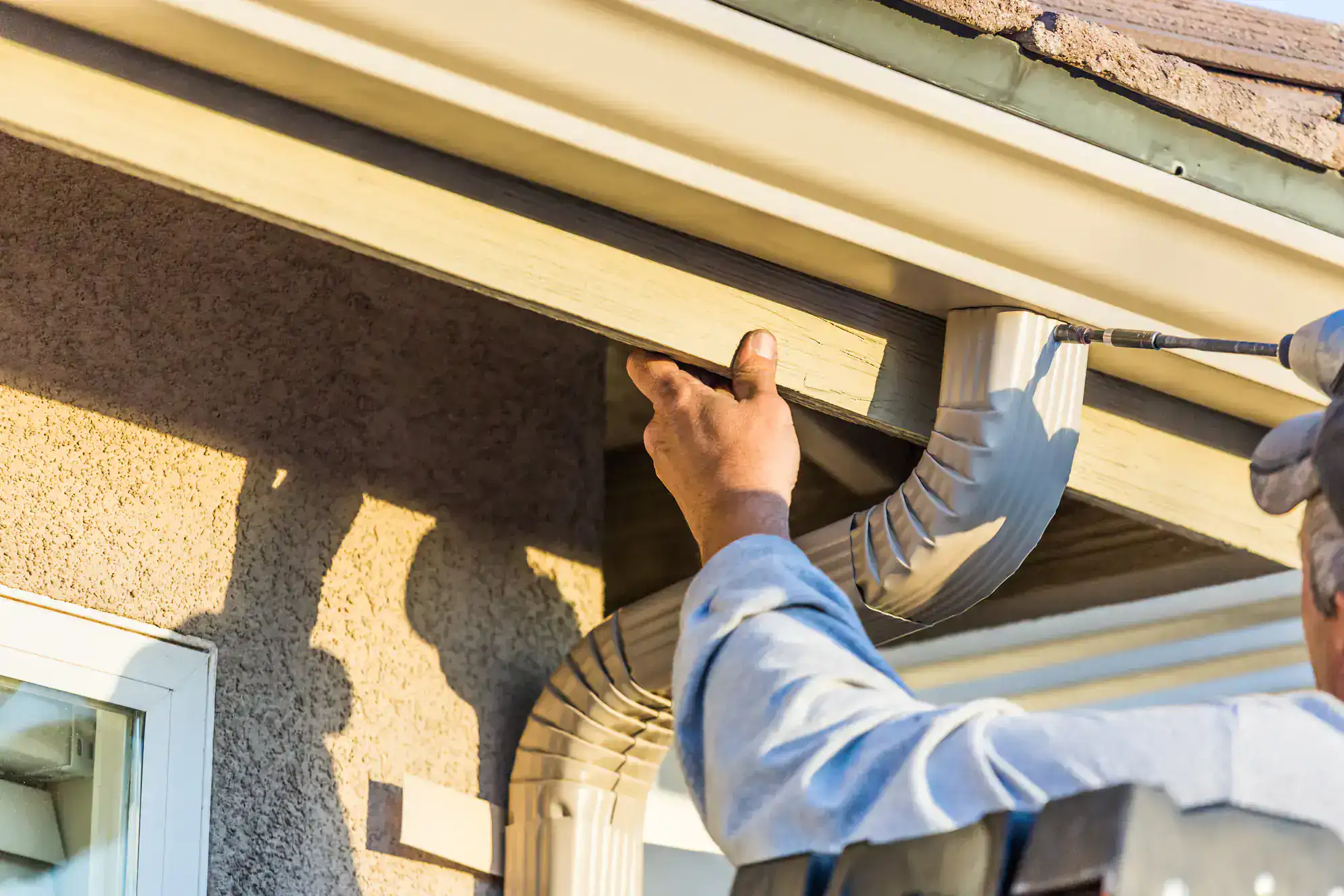
Once we’ve assessed everything and you’ve reviewed the written estimate, we fabricate your seamless gutters on-site. That means each run is cut to the exact length of your roofline — no pre-cut sections, no seams where leaks start. The installation includes proper pitch calibration so water flows consistently toward the downspouts, and downspout extensions are positioned to route runoff well clear of your foundation.
In Kenilworth, gutter work falls under New Jersey’s Uniform Construction Code, administered locally through the Kenilworth Building Department at Borough Hall on Boulevard. As a licensed NJ Home Improvement Contractor, we handle the compliance side so you don’t have to think about it.
Ready to get started?
Roof Gutter Installation in Kenilworth, NJ
A lot of gutter companies come out, hang new aluminum, and leave. What you get from us is an integrated exterior evaluation alongside the installation itself. Because we also handle roofing and siding, we’re looking at how all three systems interact — and that perspective changes what we catch before it becomes your problem later.
Every gutter installation in Kenilworth includes seamless aluminum fabrication on-site, proper slope and pitch calibration, downspout installation and extension routing, and a full assessment of the fascia and soffit condition before anything gets mounted. If we find rotted fascia — which shows up regularly on Union County homes built in the 1950s and 60s — we’ll tell you clearly what needs to be addressed and why, so you’re making an informed decision, not a blind one.
We also work with homeowners who’ve had storm damage and need to navigate an insurance claim. NJ weather being what it is — summer microbursts, high-wind events, ice storms — gutter damage from storms is often covered under homeowner’s insurance. If that’s your situation, we document the damage, work directly with your adjuster, and help you understand what your policy actually covers before you pay out of pocket for something you shouldn’t have to.
Do I need a permit for gutter installation in Kenilworth, NJ?
For a standard gutter replacement on an existing residential home in Kenilworth, a permit is typically not required — but it depends on the scope of the work. If the project involves structural changes to the fascia, soffit, or roofline, the Kenilworth Building Department at Borough Hall on Boulevard may require a permit under New Jersey’s Uniform Construction Code.
What does matter in every case is that the contractor performing the work holds a valid New Jersey Home Improvement Contractor registration. This isn’t optional — it’s a legal requirement for any home improvement work in NJ. Hiring someone without it can void your homeowner’s insurance coverage for related damage claims and leaves you with no recourse through the NJ Division of Consumer Affairs if the work is defective. We hold NJ HIC License #13VH10605800, which is publicly verifiable.
How do I know if my gutters need repair or full replacement?
The honest answer is that it depends on what’s actually failing, and you can’t always tell from the ground. Gutters that are pulling away from the fascia, visibly sagging, showing rust or separated seams, or overflowing consistently during rain are showing you symptoms — but the cause matters just as much as the symptom.
On a Kenilworth home built around 1955, the more common finding is that the gutters themselves are repairable but the fascia boards they’re mounted to are compromised. In that case, repairing the gutters without addressing the fascia just delays the same problem by another season or two. A proper inspection looks at both. If the gutters are 20 or more years old, have multiple failure points, or are undersized for your current roof’s water output, replacement is almost always the more cost-effective long-term decision — especially when you factor in the repeated cost of repairs that keep extending a system that’s already past its useful life.
What size gutters do I need for a Cape Cod or split-level home?
Most Cape Cods and split-levels in Kenilworth were originally built with 4-inch gutters, which were standard at the time. Today’s installation standard for residential homes in the Northeast is 5-inch K-style gutters, and in some cases 6-inch gutters are appropriate depending on the roof pitch, square footage of drainage area, and how much rainfall a given section of roofline has to manage during a storm event.
New Jersey’s storm patterns — particularly the summer microbursts that can drop several inches of rain in under an hour — put real stress on undersized systems. A 4-inch gutter that was adequate for a 1950s roof may be significantly undersized if the home has since had a roof replacement with a steeper pitch or architectural shingles that shed water faster. When we do a free inspection on a Kenilworth home, we calculate the drainage load for each section of roofline and recommend sizing based on your actual roof geometry, not a generic default.
Can gutters really cause basement flooding in Kenilworth?
Yes — and it’s one of the more common connections homeowners miss. When gutters overflow, separate from the fascia, or have downspouts that terminate too close to the foundation, water concentrates at the base of the house rather than dispersing away from it. Over time, that repeated saturation compromises the soil around the foundation, increases hydrostatic pressure against basement walls, and eventually finds its way inside.
Kenilworth has an active stormwater management program specifically because inadequate drainage is a documented local issue. The borough updated its Flood Damage Prevention ordinance as recently as 2023. Homes near Black Brook or in lower-lying areas of Kenilworth are particularly exposed to this risk. Properly installed gutters with correctly routed downspout extensions — positioned to discharge water at least four to six feet from the foundation — are one of the most direct and cost-effective ways to reduce basement water intrusion. It’s not a guarantee against every flooding scenario, but it removes one of the most controllable contributing factors.
How long do aluminum gutters last in New Jersey's climate?
A properly installed seamless aluminum gutter system should last 20 to 30 years under normal conditions. The operative word is “properly installed” — slope, bracket spacing, seam elimination, and downspout sizing all affect how long a system actually performs versus how long it technically exists on the house.
New Jersey’s climate is harder on gutters than most homeowners account for. Freeze-thaw cycles through the winter stress bracket systems and cause expansion and contraction that loosens seams over time. Summer heat and UV exposure degrade older materials. Fall debris loads — particularly heavy in Kenilworth given the mature tree canopy along its residential streets — add weight and moisture retention that accelerates wear. Gutters that are cleaned regularly, have no standing water pooling in low spots, and were installed with correct pitch calibration will consistently reach the higher end of that lifespan range. Gutters that were installed quickly, pitched incorrectly, or never maintained tend to fail well before the 20-year mark.
Does homeowner's insurance cover storm damage to gutters in Kenilworth, NJ?
It depends on the cause of the damage and the specifics of your policy, but in many cases, yes. Homeowner’s insurance in New Jersey typically covers sudden and accidental damage caused by wind, hail, falling tree limbs, or ice storms — all of which are realistic scenarios for Kenilworth homes given the borough’s mature tree canopy and the intensity of NJ storm seasons. What insurance generally does not cover is damage from neglect or normal wear over time.
The challenge most homeowners face isn’t eligibility — it’s documentation. Adjusters need clear evidence that the damage was storm-related rather than deferred maintenance, and that distinction isn’t always obvious without a professional assessment. When we inspect a Kenilworth home after a storm event, we document the damage in a format that supports the claims process and work directly with your adjuster so you’re not navigating that conversation alone. If your gutters were damaged in a recent storm, getting a professional inspection on record quickly — before further weather events complicate the timeline — is the most important first step.
Other Services we provide in Kenilworth